
Jensen Huang's Return vs. Rene Haas vs. Colette Kress: A Side-by-Side Comparison of Nvidia's CEO Endgame | ItInsightsWorld General
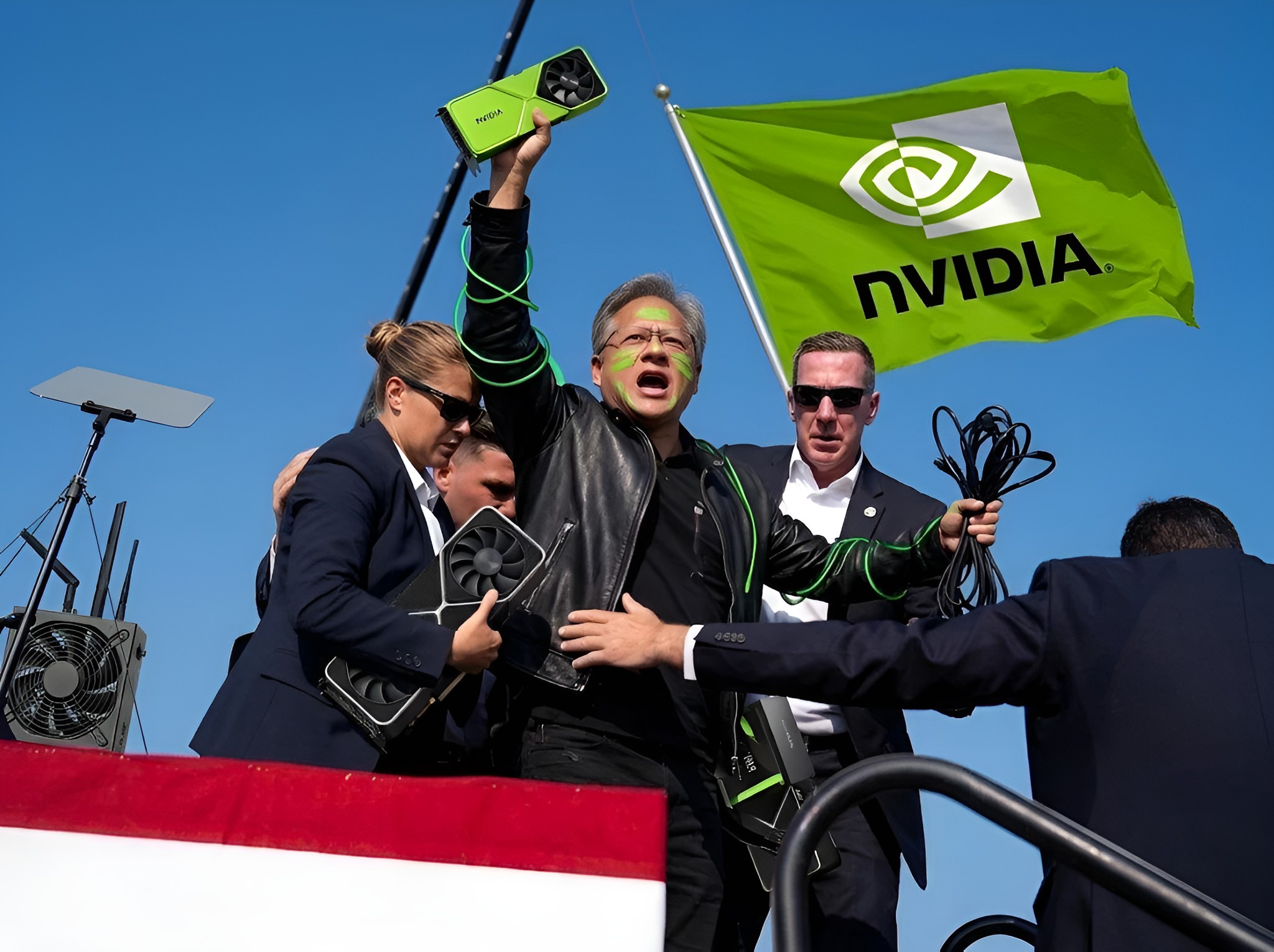
Short answer: a Jensen Huang comeback is possible but not probable on any near timetable, because the decision belongs to a board running an investigation while Washington signals opposition. Three realistic paths are on the table — a negotiated return for Huang, an external hire such as Arm CEO Rene Haas, or locking in interim CEO Colette Kress. This comparison scores each path on evidence, not sentiment.
Last Friday I kept two tabs open: one on the report that Nvidia's board had approached Arm's chief executive, the other on prediction-market contracts for a Huang return, which spiked to roughly 40% over the weekend before cooling. Both tabs point to the same conclusion. The succession question has moved from speculation to process, and process is where this gets decided.
What actually happened over the weekend?
The lobbying campaign is organized, and it has Huang's own backing. An ally said a "war room" of Silicon Valley executives is taking shape to push his reinstatement and to pull the White House into the support column, adding: "Outside the frontier labs, every major figure in tech supports Huang." Across the entire weekend, a public letter demanding "Bring Jensen Back" accumulated signatures from Elon Musk — CEO of both Tesla and SpaceX — Epic Games CEO Tim Sweeney, and, notably, several Nvidia employees who have publicly backed their former chief since he resigned.
Set against that, the same weekend produced the sharpest counter-signal: US Treasury Secretary Scott Bessent said Sunday that after Huang's exit, Nvidia needs "a sweeping leadership restructuring." One camp writes letters; the other controls policy levers. In governance fights I have tracked, letters move headlines. Votes move on investigation findings and shareholder arithmetic.
Who actually holds the decision?
Not Huang, and not the signatories. Unlike founder-CEOs shielded by super-voting shares, Huang holds no controlling stake, so he cannot veto board decisions or reconstitute the board. The call rests with directors guided by an independent investigation whose findings are not public. I cannot tell you what that investigation concludes, and neither can the letter-writers — which is exactly why even Huang's supporters hedge.
The clock also runs against the comeback camp. The board and the management team under interim CEO Colette Kress are stabilizing the company ahead of Tuesday's quarterly earnings. Boards rarely rewrite their leadership narrative in the week they report, so any decision most likely lands after that print.
Three paths, compared
| Path | Where it stands | Upside | Main risk | Signal to watch |
|---|---|---|---|---|
| Huang returns | War room lobbying; a Friday letter from two major investors urges the board to "keep every option open, including the possibility of Huang's return" | Continuity with the long leadership his backers credit with extraordinary results; they argue the events around his departure create enormous uncertainty that a return would resolve | Open investigation; Washington resistance; even a participant in the lobbying concedes "an affair with a subordinate is the kind of offense that should get you fired" | Board statement or any word on investigation findings |
| External hire (Rene Haas or others) | Board approached Haas on Friday; the board says a formal succession process has not started, and reporting indicates a retained search firm is already making outreach calls | Clean break with the scandal; Haas has led Arm since 2022 and knows the semiconductor industry from the inside | Conflict-of-interest scrutiny, since Arm's licensing business sits across much of the AI hardware stack — my analysis, not a reported blocker | Confirmation of a formal search committee or named candidates |
| Promote from within (Kress first) | Kress is running the company and fronts Tuesday's report; Nvidia VP Ian Buck has circulated in reports as another internal name | Zero-disruption continuity, already stress-tested in the seat | Altimeter Capital's Brad Gerstner and Atreides Management's Gavin Baker warned in writing that Huang's long leadership delivered extraordinary results and the events around his departure create enormous uncertainty — a fast internal promotion would cut against their demand for broader consideration | Kress's posture on the earnings call |
Read the investor language carefully: Gerstner and Baker did not demand Huang's reinstatement. They demanded that the board "keep every option open, including the possibility of Huang's return." That phrasing protects them under every outcome, and it tells you sophisticated money prices at least three live scenarios, not two.
What are the odds actually pricing?
During the weekend spike, Fortune reported Polymarket users briefly assigned roughly a 40% probability to a Huang return, while Kalshi's equivalent pricing stayed noticeably lower. That gap is itself information: two prediction markets looking at the same facts disagreeing by double digits signals thin liquidity and sentiment-driven pricing, not a settled forecast. My working read — and I flag this as analysis, not data — is that the true near-term probability sits well below the weekend peak, because neither the investigation timeline nor Washington's posture supports a fast reversal.
Why Tuesday's earnings gate everything
The nearest hard reference point is Tuesday's report, where CNBC's preview puts expectations around $87 billion in quarterly revenue — a figure Kress has to deliver while fielding leadership questions she cannot fully answer. The company itself has stressed continuity of operations and customer commitments through the transition. The causal chain is simple: a clean quarter strengthens the internal-promotion path and weakens the urgency behind "Bring Jensen Back"; a stumble does the reverse. That is the one part of this story you can verify this week.
Four common misreads
- Reading the celebrity letter as a board decision. Signatures move coverage; directors move on votes and investigation findings.
- Reading the Haas outreach as a done deal. He was approached, no offer exists, and the board itself says a formal succession process has not started.
- Importing founder-restoration logic from other companies. Huang has no controlling stake and no super-voting protection, so the board owes its duty to shareholders rather than to a founder myth.
- Treating prediction-market odds as probability. They are priced opinions under thin liquidity; the 40% weekend spike cooled within days.
The checklist I would actually use
Whether you are positioning a portfolio, planning coverage, or just want a defensible stance, work down this list in order:
- Investigation status: any public word on findings? No findings means no return timeline.
- Washington posture: does anyone walk back or reinforce Bessent's "sweeping leadership restructuring" line?
- Tuesday's print: revenue against the roughly $87 billion expectation, and who fronts the call.
- Search formalization: does the board confirm a process, name a firm, or list candidates?
- Investor pressure: do Gerstner and Baker escalate, soften, or go quiet after earnings?
- Market pricing: sustained convergence between Polymarket and Kalshi toward either end beats any single-day spike as a signal.
- Employee sentiment: does public staff support for Huang grow or fade once the quarter is delivered?
FAQ
Can the war room force Huang's reinstatement?
No. It can keep the option alive and shape sentiment, but reinstatement requires board action, and the board is running an investigation with Washington openly unfavorable. Even the people organizing the lobbying concede the reputational problem is real.
Is Rene Haas the presumptive next CEO?
No. The board approached him, and some analysts view him as a leading contender given his record running Arm since 2022, but there is no offer, and the board says a formal succession process has not started. Internal names including Nvidia VP Ian Buck and Kress herself have appeared in reporting.
Does Huang have founder-style power to override the board?
No controlling stake, no super-voting shares. His path back runs through persuasion and shareholders, which is why the Gerstner-Baker letter matters more than the celebrity letter.
What single event resolves most of the uncertainty?
Tuesday's earnings, followed by any public word on the investigation. Those two data points will tell you more than another month of open letters.
Sources
- Fortune — Nvidia stock falls on reports Jensen Huang is plotting a comeback (Polymarket ~40%, Kalshi muted): https://fortune.com/2026/11/16/nvidia-stock-jensen-huang-return-odds-musk/
- CNBC — Nvidia's Colette Kress key questions in Nvidia earnings after Huang: https://www.cnbc.com/2026/11/16/nvidia-earnings-jensen-huang-resignation.html
- Seeking Alpha — Nvidia taps Heidrick & Struggles for CEO search, Arm chief Rene Haas among prospects: https://seekingalpha.com/news/4674005-nvidia-taps-heidrick-struggles-for-ceo-search-arm-chief-rene-haas-among-prospects---report
- Fox Business — New candidate emerges to replace Jensen Huang as Nvidia CEO: https://www.foxbusiness.com/fox-news-tech/new-candidate-emerges-replace-jensen-huang-nvidia-ceo
- TipRanks — Polymarket sees 31% odds of Huang return to Nvidia before 2028: https://www.tipranks.com/news/the-fly/odds-on-polymarket-sees-31-odds-of-huang-return-to-nvidia-before-2028-thefly-news