
ItInsightsWorld General: Renault Twingo E-Tech UK Price Compared — £14,745, Three Trims and the Charging Trade-off
The short answer: £14,745 is the genuine UK starting price for the Renault Twingo E-Tech, but only after the £3,750 Electric Clean Car Grant (ECG) is applied, and only on the entry Evolution trim. In dollar terms that is roughly $19,500, comfortably under $20,000. For a general buyer the useful question is less about the headline figure and more about which trim survives a like-for-like comparison with the Dacia Sandero, BYD Dolphin Surf and Hyundai Inster.
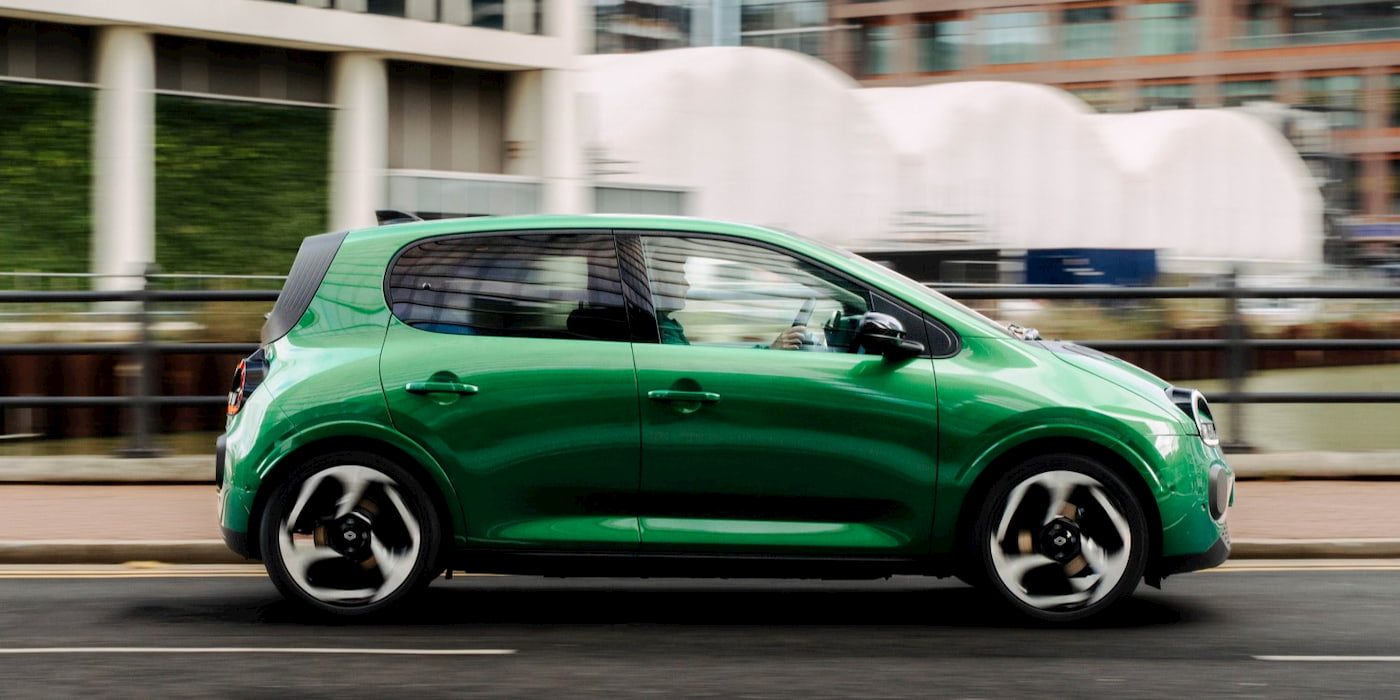
The comparison turned concrete for me when I put two numbers in the same column: £18,495 on-the-road list, £14,745 after grant. Same car, same equipment, a £3,750 gap created by policy rather than engineering. That is the pattern worth watching here. Renault has reimagined its 1990s city car as an electric model, and the low headline price is a combination of product decisions and a UK subsidy. I would treat the two figures as separate facts, not as a before-and-after marketing trick.
What does £14,745 actually include?
Conclusion: £14,745 is a grant-adjusted price, not a pre-subsidy sticker price. Renault's official UK Twingo E-Tech page describes a 5-door city car with up to 163 miles of WLTP range; the launch figure already subtracts £3,750 ($4,900). Take the grant away and the entry car lists at £18,495 on the road, a number reported consistently by electrive and Van Chooser.
Why the grant matters: under the government's published Electric Car Grant eligibility rules, a qualifying vehicle must be an M1 passenger car with zero tailpipe CO2, a minimum battery range of 100 miles and a three-year or 60,000-mile warranty. Autotrader reports a £37,000 price cap as part of qualification. The Twingo E-Tech clears those thresholds, which is why all three versions qualify for the full £3,750. Grant eligibility is a property of the model, not of the buyer — a distinction that is easy to miss when reading dealer offers.
The same car is priced differently elsewhere. In Europe the Twingo E-Tech went on sale earlier this year below €20,000 ($22,000) before incentives. In Germany the starting price falls to about €13,990 ($15,500) once the €6,000 ($6,600) federal EV grant is included. Those numbers are not directly comparable with the UK figure because each market stacks its own subsidy on a different list price. What they do show is that the sub-$20,000 electric city car has become a policy-supported category rather than a niche. US shoppers still miss out on it entirely.
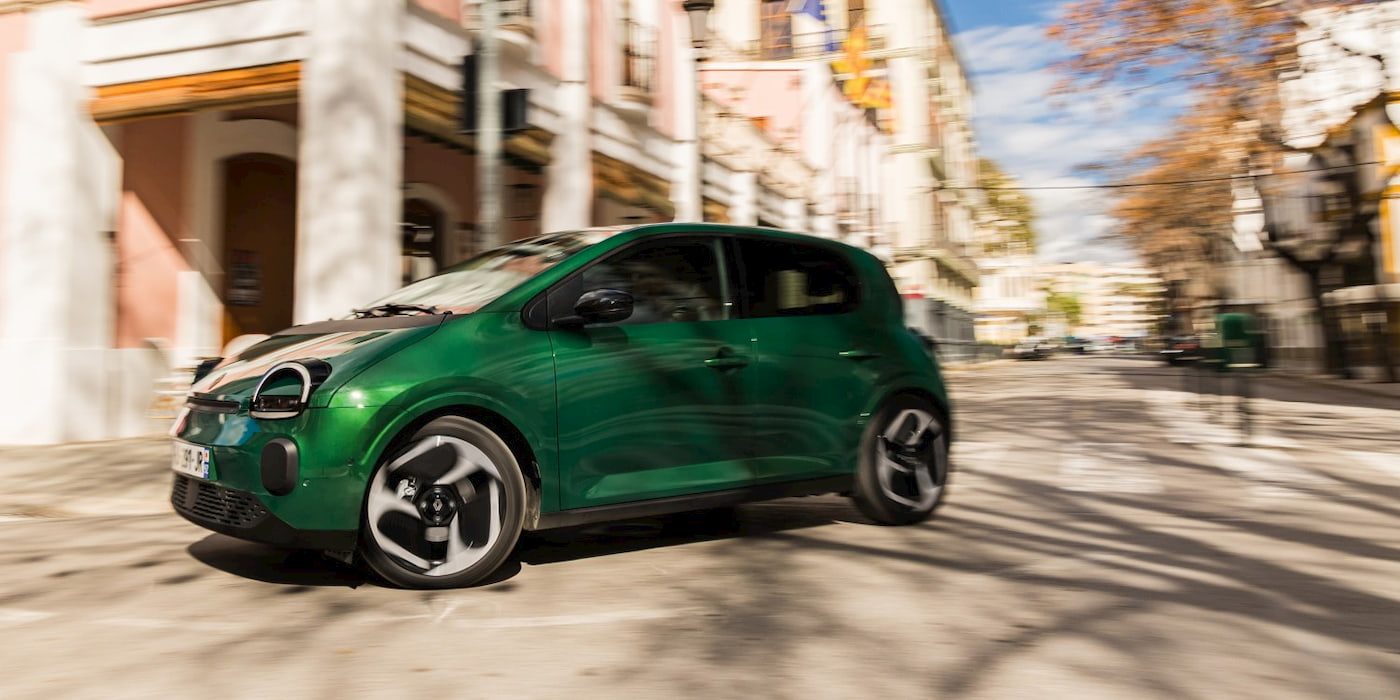 Renault Twingo E-Tech (Source: Renault)
How do the three trims compare?
Conclusion: Evolution is the price anchor, Techno is the value pick for daily use, and Launch Edition is essentially a driver-assistance upgrade. The entry Renault Twingo E-Tech Evolution starts at £14,745 ($19,500) and combines a 27.5 kWh LFP (lithium iron phosphate) battery with an 80 hp (60 kW) motor for up to 163 miles of WLTP range. Higher grades add ADAS — advanced driver-assistance systems — that matter more than the motor spec on paper.
| Grade | UK price incl. £3,750 ECG | What changes |
|---|---|---|
| Evolution | £14,745 ($19,500) | 16″ steel wheels, 7″ driver display, 10″ navigation screen, cruise control, lane-keep assist |
| Techno | £16,245 ($21,500) | 18″ wheels, Google built-in with Renault's Reno avatar, reversing camera, automatic climate control, hands-free key card, One Pedal driving, heated front seats |
| Launch Edition | £17,645 ($23,200) | Adds blind-spot warning, rear cross-traffic alert, hands-free parking; mottled textile upholstery with red stitching, premium floor mats |
On Techno and above, Google built in lets drivers find and navigate to charging stations through Google Maps, use Google Gemini AI virtual assistance or access over 100 apps, including Waze and Amazon Music. That is the clearest functional reason to move up a grade: it is software you touch on every trip, not just a trim badge.
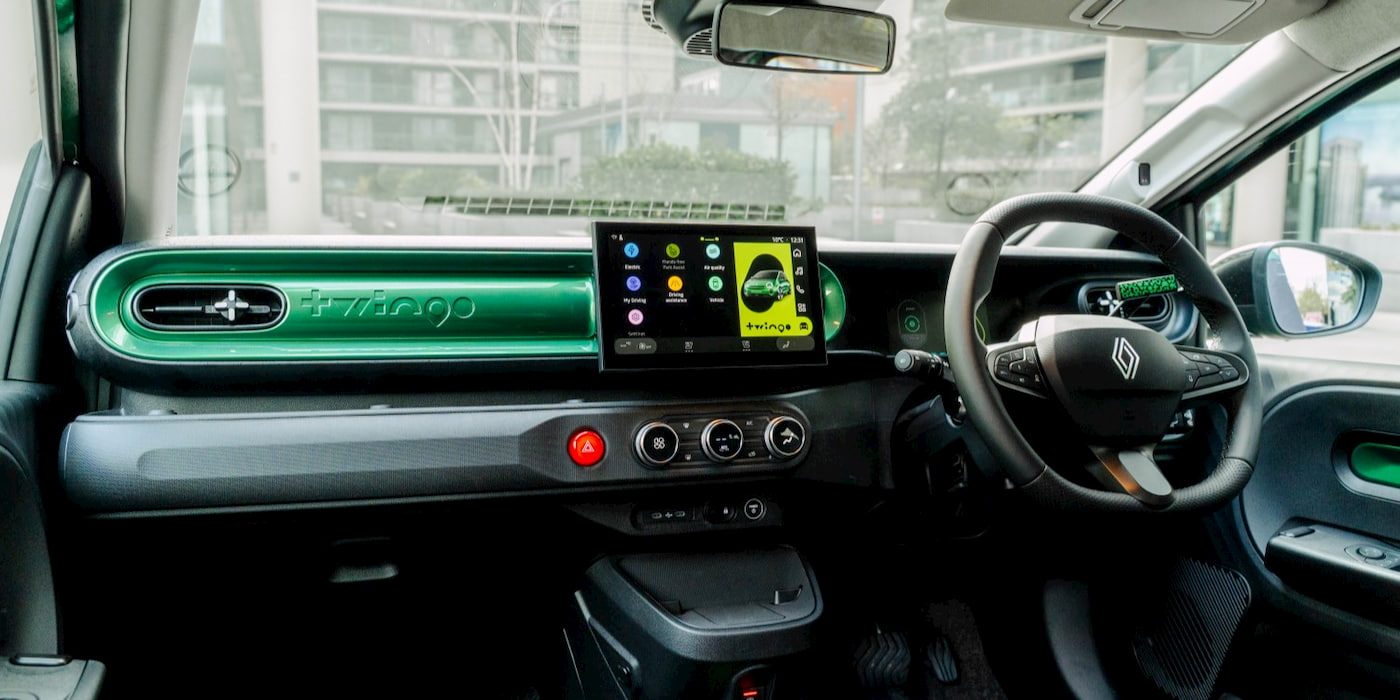 Renault Twingo E-Tech interior UK-spec (Source: Renault)
Is it really cheaper than the alternatives?
Conclusion: yes at the headline level, but the ranking changes once you compare like for like. The Twingo E-Tech costs less than the gas-powered Dacia Sandero (£14,765) and BYD's cheapest EV, the Dolphin Surf (£18,675). Only a handful of cars are priced lower, such as the Dacia Spring (£11,990) and Leapmotor T03 (£12,995). Dacia and Leapmotor both undercut Renault on price, but neither is a direct substitute for a 5-door electric city car with this equipment list.
| Model | UK price | Note |
|---|---|---|
| Dacia Spring | £11,990 | Lower price, smaller remit |
| Leapmotor T03 | £12,995 | Lower price |
| Renault Twingo E-Tech Evolution | £14,745 | After £3,750 ECG; under $20,000 |
| Dacia Sandero | £14,765 | Petrol, not electric |
| BYD Dolphin Surf | £18,675 | BYD's cheapest EV |
The trade-off is physical size. At just 3,790 mm (149.2″) long, this electric city car is slightly smaller than the Hyundai Inster and the BYD Dolphin Surf. For US readers the nearest reference point is the first-generation Chevy Bolt EV, which measured 4,145 mm (163.2″) in length. Renault calls this compact 5-door city car “cheeky, practical”; even so, its boot can hold up to 360 liters. Independent sliding rear seats fold 50/50, which helps when carrying larger items such as a surfboard. A shorter body is a city advantage and a motorway compromise — I would not present it as anything else.
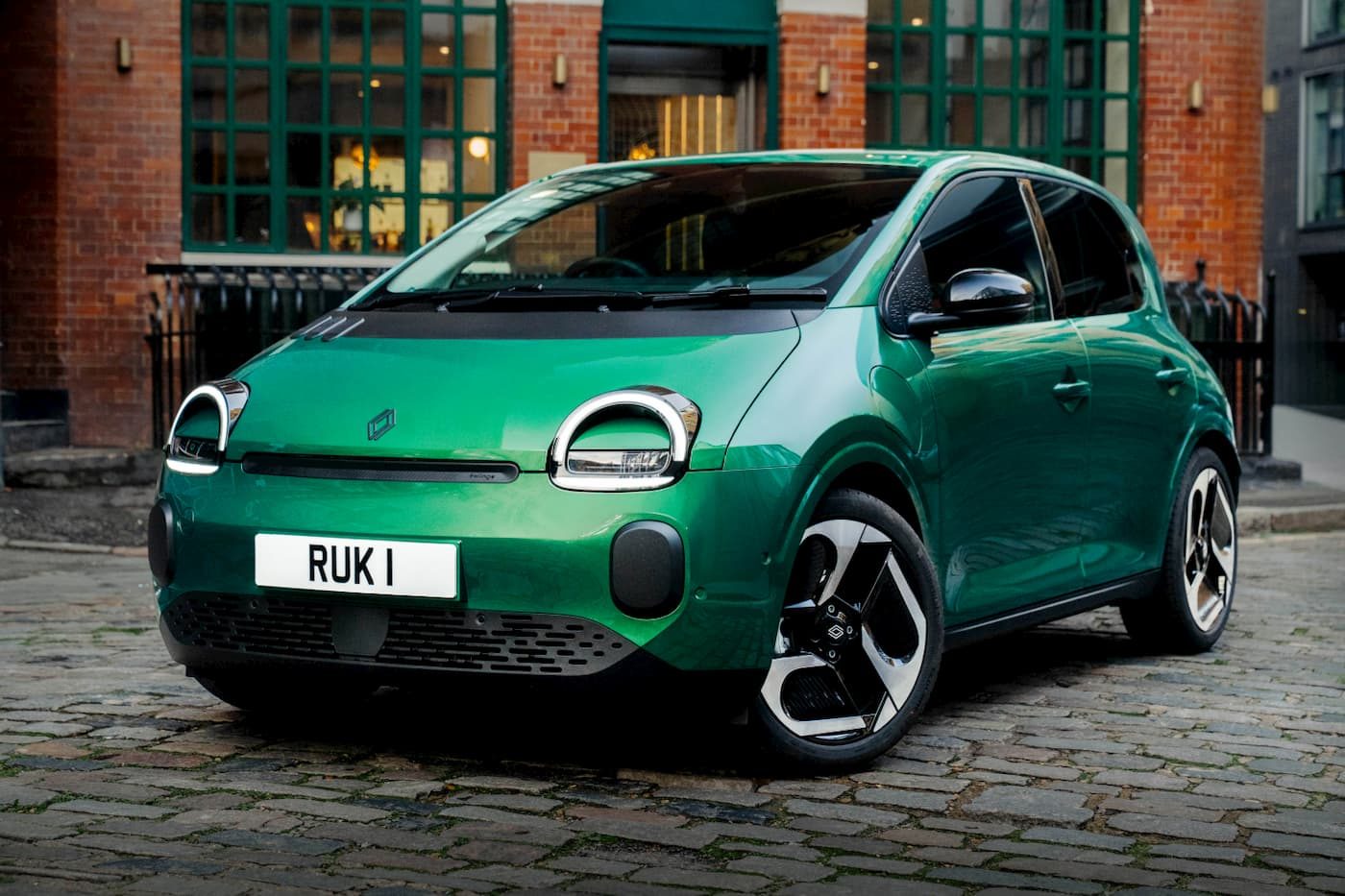 Renault Twingo E-Tech (Source: Renault)
What about charging speed and real-world range?
Conclusion: 50 kW is adequate for a city car and modest for long trips. According to Renault, DC fast charging at up to 50 kW lets the Twingo E-Tech go from 15% to 80% in 28 minutes. Set beside rivals, that figure looks conservative: BYD states the Dolphin Surf charges at a maximum 85 kW DC and reaches 10% to 80% in 30 minutes from a much larger pack, while the Hyundai Inster is documented at up to 120 kW DC (ZeCar, AEVA fact sheet). Peak rates are not the whole story: as we argued in our comparison of the charger you will actually meet, a real session depends on the pile and the grid, not the badge on the car.
The 163 miles WLTP rating is a laboratory number, not a promise. Cold weather and sustained motorway speeds will reduce it, and that is a known limitation of small-battery cars rather than a defect unique to this one. I would treat it as a planning input for urban use and a reason to check charger coverage before committing to a long commute.
When can you order, and what is the offer?
Conclusion: pricing is confirmed, but general orders are reported to open in Q1 2027 by The EV Report. Renault is offering a special promotion for buyers of a new Twingo E-Tech through Mobilize Financial Services on a PCP (personal contract purchase) or HP (hire purchase) agreement by June 30, 2027, including two years of free servicing. A separate Twingo R Pass costs £100 and gives priority access to ordering, a mini Twingo E-Tech model and a green Renault key cover. The pass is about queue position, not a discount — worth knowing before you pay for it.
Renault Group has framed the car as part of a wider push to make electric mobility more accessible, naming “making electric mobility more accessible” and a stronger A-segment position among its priorities in the Car of the Year 2027 finalist announcement. Independent recognition is a useful counterweight to a manufacturer's own pricing story: the jury's verdict is due on January 8 at the Brussels Motor Show. I would treat that as a signal to watch, not as a verdict on value.
Frequently asked questions
Is £14,745 the price before or after the grant?
After. The £3,750 Electric Clean Car Grant (ECG) is already deducted; the pre-grant on-the-road figure is £18,495.
Do all three trims qualify for the full grant?
Yes. Evolution, Techno and Launch Edition are all listed with the £3,750 ECG included in their quoted UK prices.
Can buyers in the US get one?
No. The model is sold in Europe and US shoppers still miss out. I should flag the uncertainty plainly: the material reviewed contains no announcement of US plans.
Is 50 kW charging a problem?
For daily urban driving, no. For frequent long-distance trips, yes — 15% to 80% in 28 minutes trails the comparison set.
Common mistakes to avoid
- Comparing the grant-adjusted £14,745 with rivals' pre-grant list prices.
- Reading 163 miles WLTP as a winter motorway figure.
- Assuming the £100 Twingo R Pass includes free servicing — it does not; that comes through Mobilize Financial Services finance on a PCP or HP agreement by June 30, 2027.
- Dismissing the Dacia Spring and Leapmotor T03 as equals simply because they are cheaper; their remit differs.
Action advice: a reusable checklist
- Write the on-the-road price and the grant-adjusted price side by side before comparing any EV.
- Pick the trim on equipment you will use: Evolution for price, Techno for Google built-in and heated seats, Launch Edition for the full driver-assistance suite.
- Check charging at the places you actually stop, not just the peak kW figure on a spec sheet.
- Verify grant eligibility and the reported £37,000 price cap against GOV.UK before signing.
- If financing, confirm the June 30, 2027 deadline for two years of free servicing in writing.
- Decide whether 3,790 mm (149.2″) fits your parking and passenger needs before ordering.
Reference sources
- Renault UK — Twingo E-Tech Electric
- electrive — UK pricing revealed
- Van Chooser — UK pricing confirmed
- GOV.UK — Electric Car Grant eligibility
- GOV.UK — Find a grant
- Autotrader — eligible cars
- BYD UK — DOLPHIN SURF
- ZeCar — Hyundai Inster charging
- AEVA — Hyundai Inster fact sheet
- The EV Report — order timing
- Renault Group — Car of the Year 2027 finalist
About the author. Iris Clark is an ESG research specialist at IT Insights, where she writes about the practical side of energy and mobility transitions. Contact: contact@itinsights.com.