
ItInsightsWorld General: Volkswagen ID. Cross UK Trim Comparison — 37 kWh vs 52 kWh, Prices, Range and Who Should Buy
UK buyers face a clear trade-off with the Volkswagen ID. Cross: pay £26,985 for the entry 37 kWh car in January 2027, or spend from £30,260 for a 52 kWh version on sale Thursday, November 19. Most households will find the bigger battery the safer pick; the smaller one fits short urban commutes. Here is how the trims compare.
Volkswagen has detailed UK pricing and timing for the ID. Cross, the electric counterpart to the T-Cross and the newest member of its electric urban family after the ID. Polo. With prices running from around $35,000 to $44,500, the compact SUV lands in a crowded part of the market. This guide compares the two batteries, four trims and the rivals chasing the same buyers.
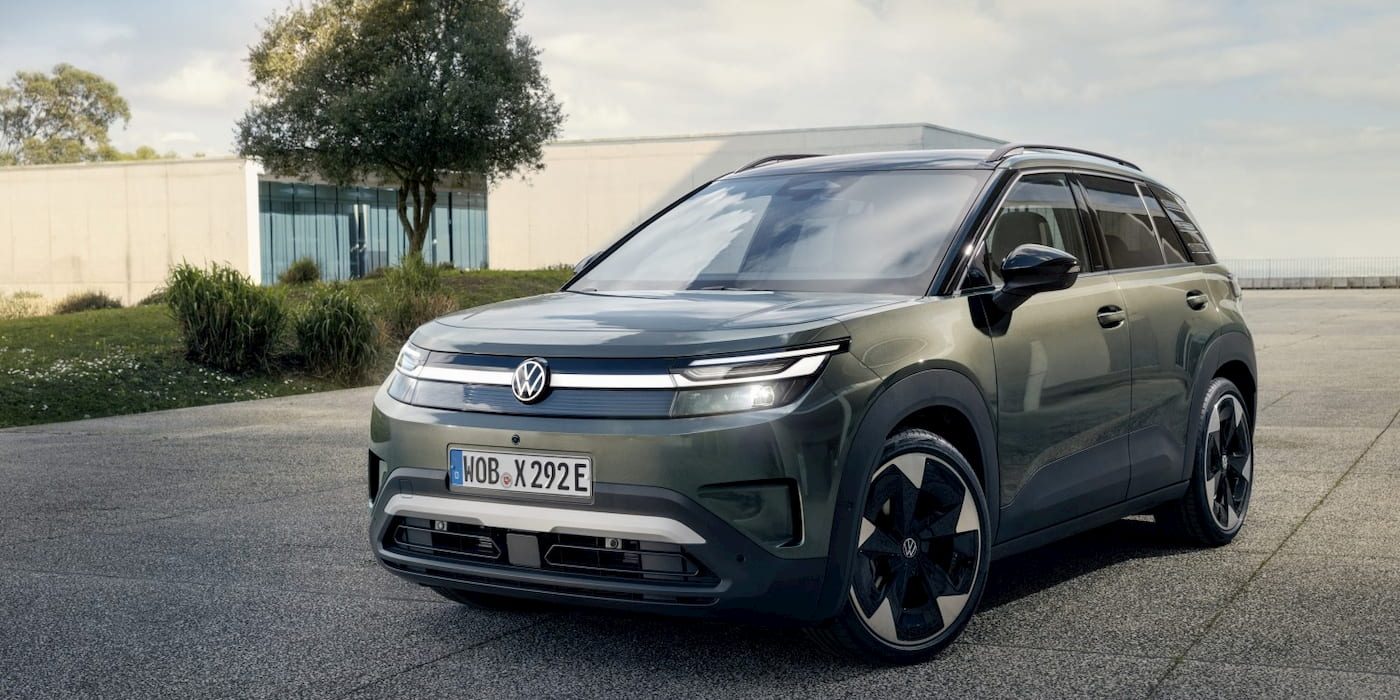
What is the ID. Cross and where does it sit in Volkswagen's UK range?
Short answer: It is a five-seat electric SUV close to the T-Cross in footprint but roomier inside, built on the dedicated MEB+ platform. The T-Cross is the smallest and most affordable SUV Volkswagen sells in Europe and the UK, and the ID. Cross is its battery-electric twin.
Measuring 4,153 mm in length, the ID. Cross offers a 475-liter boot — 20 liters more than the gas-powered T-Cross with its rear seats pushed all the way forward. Fold those seats and luggage capacity rises to as much as 1,345 liters. That packaging is the main reason to consider it over a smaller electric hatchback.
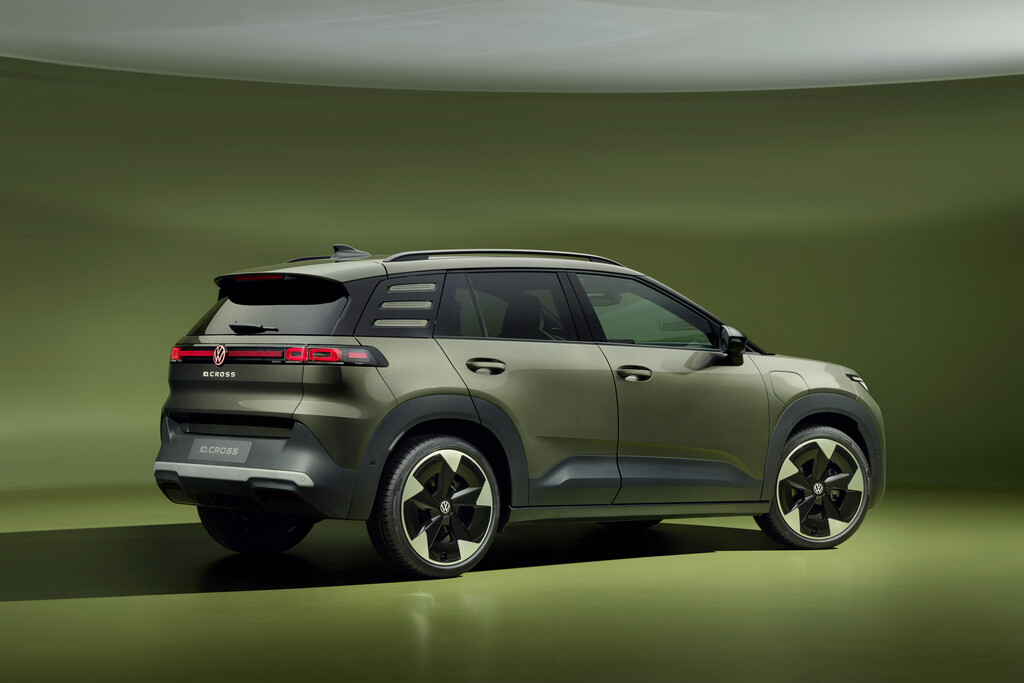
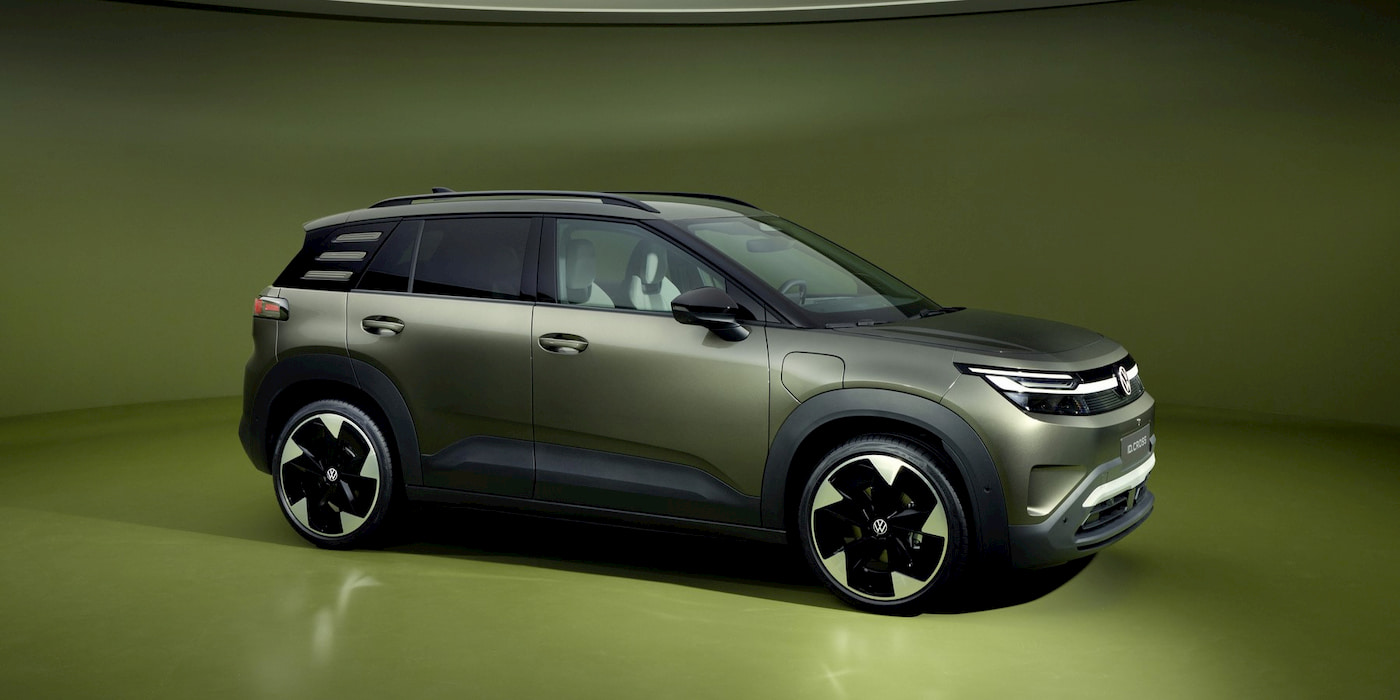
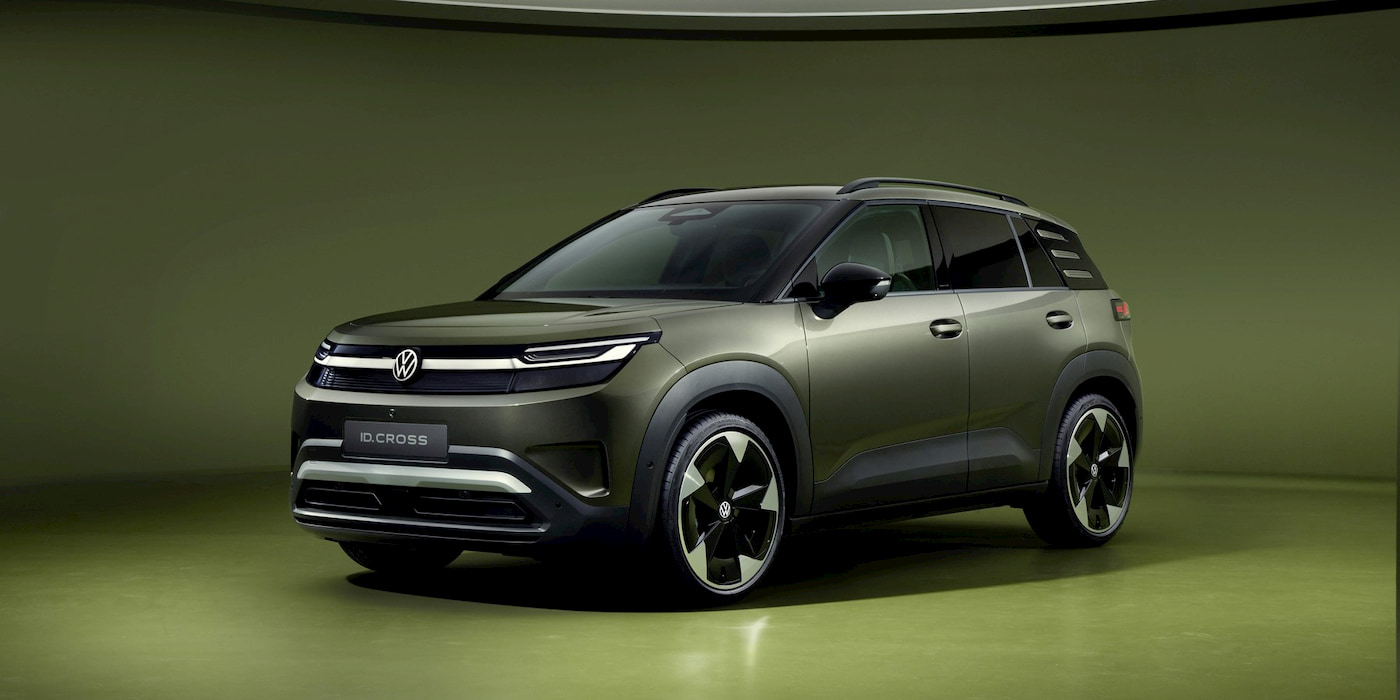
The model follows the ID. Polo into Volkswagen's compact electric line-up. In Europe, orders opened in July, and the entry-level ID. Cross Trend went on sale last month in Germany from €27,995 ($31,000), VAT included.
How much does each UK trim cost and when can you order it?
Short answer: The 52 kWh Life and Style trims go on sale on Thursday, November 19, while the 37 kWh versions arrive in January 2027 at a lower price. Four variants cover two batteries and two equipment levels.
Orders for the ID. Cross Life and ID. Cross Style fitted with the 52 kWh battery and 208 hp (211 PS) motor open in the UK on Thursday, November 19, starting at £30,260 ($40,000) and £33,675 ($44,500). The 37 kWh versions, rated at 135 PS, go on sale in January 2027 from £26,985 ($35,500) and £30,400 ($40,100).
| Volkswagen ID. Cross trim (UK) | On sale in the UK | Price (OTR RPP inc VAT) |
|---|---|---|
| ID. Cross Life 37 kWh 135 PS | Expected January 2027 | £26,985 ($35,500) |
| ID. Cross Life 52 kWh 211 PS | November 19 2026 | £30,260 ($40,000) |
| ID. Cross Style 37 kWh 135 PS | Expected January 2027 | £30,400 ($40,100) |
| ID. Cross Style 52 kWh 211 PS | November 19 2026 | £33,675 ($44,500) |
Expected UK pricing and availability for each ID. Cross trim.
Volkswagen says the 52 kWh version qualifies for the £1,500 ($2,000) electric car grant from the UK government; confirmation for the 37 kWh versions is expected soon. Brand chief Thomas Schäfer called the model “modern, reliable, and above all, affordable.”
37 kWh or 52 kWh: which battery and range fit your driving?
Short answer: Choose the 52 kWh pack for long journeys and stronger resale appeal; pick the 37 kWh car if your mileage is local and the lower price matters more. The two batteries use different chemistries and deliver very different range figures.
The ID. Cross is offered with two battery packs: a 37 kWh lithium iron phosphate (LFP) unit and a 52 kWh nickel-manganese-cobalt (NMC) unit. With the larger 52 kWh battery, the car travels up to 265 miles under WLTP; the 37 kWh model is rated at up to 194 miles. DC fast charging of up to 105 and 88 kW allows the battery to go from 10% to 80% in as little as 23 minutes, according to Volkswagen.
For a fuller view of the hardware, the official Volkswagen newsroom specification sheet lists an 11 kW AC onboard charger for home and public wallbox use — a detail that matters more to daily owners than headline DC peaks.
How does the ID. Cross compare with Renault 4 and Kia EV2?
Short answer: The ID. Cross sits in the middle of the small-electric-SUV field: strong on range and packaging, but with no price advantage over the Kia EV2. Two direct rivals put its numbers in perspective.
The Renault 4 E-Tech starts at around £27,195 for the entry evolution trim, according to Electrifying, with roughly 247 miles of WLTP range on the larger battery. The Kia EV2 starts at £24,245 after a reservation offer and reaches up to 281 miles in long-range form, reports Electrek.
| Model | UK price from | Max WLTP range | Battery |
|---|---|---|---|
| Volkswagen ID. Cross 52 kWh | £30,260 | 265 miles | 52 kWh NMC |
| Renault 4 E-Tech | around £27,195 | roughly 247 miles | 52 kWh |
| Kia EV2 | £24,245 (after offer) | up to 281 miles | 61 kWh long range |
Rival figures come from the cited sources and include launch offers where noted; they are not like-for-like with the ID. Cross list prices above.
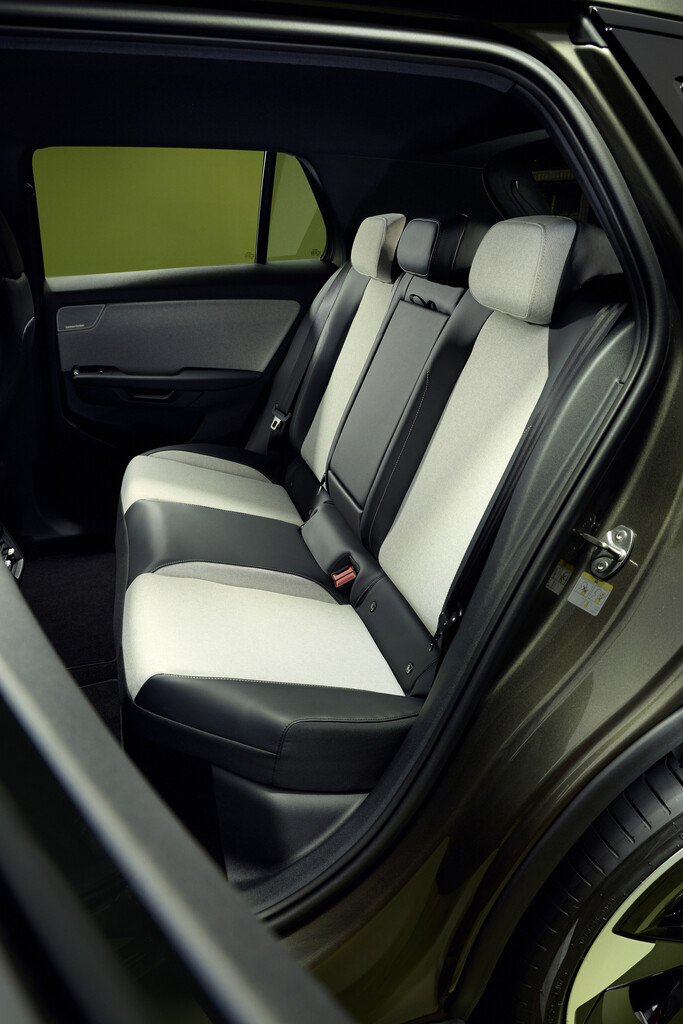
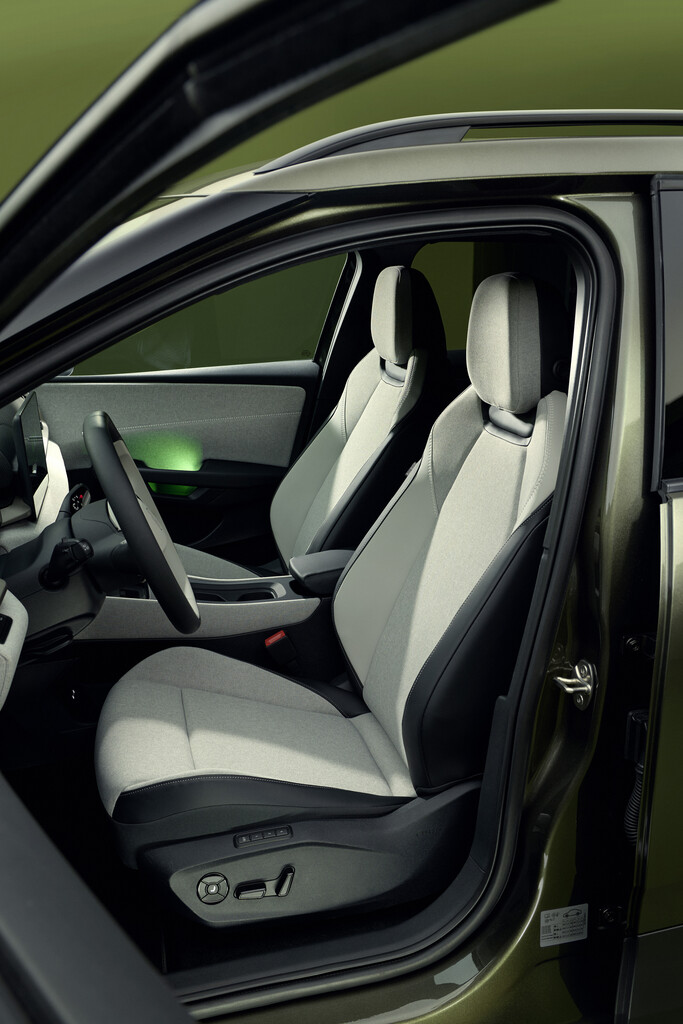
What do you get inside, and is it practical for families?
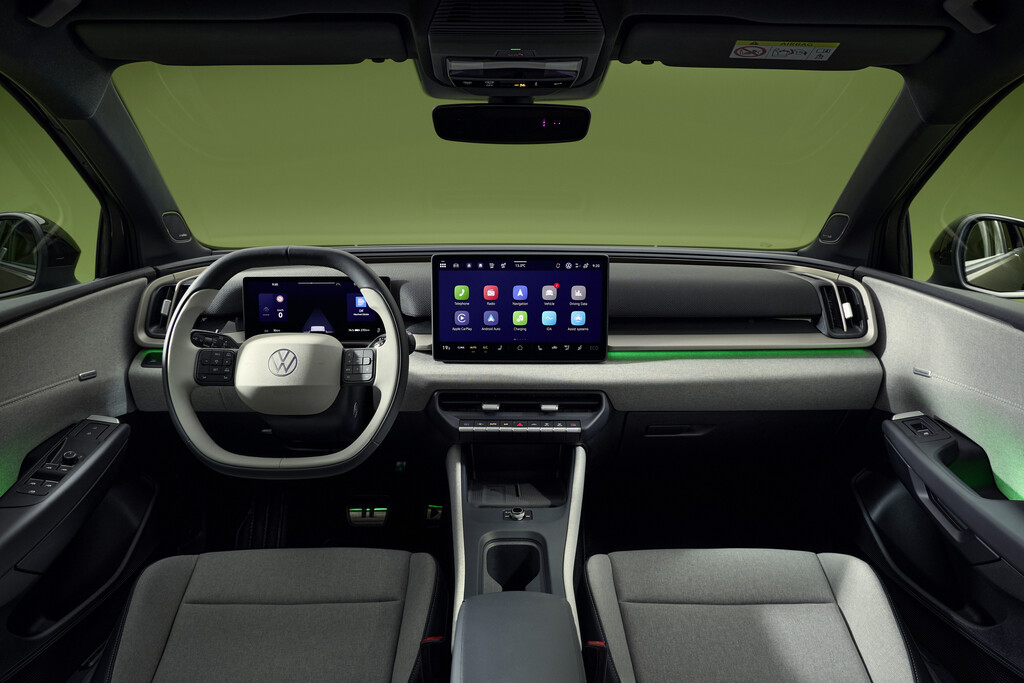
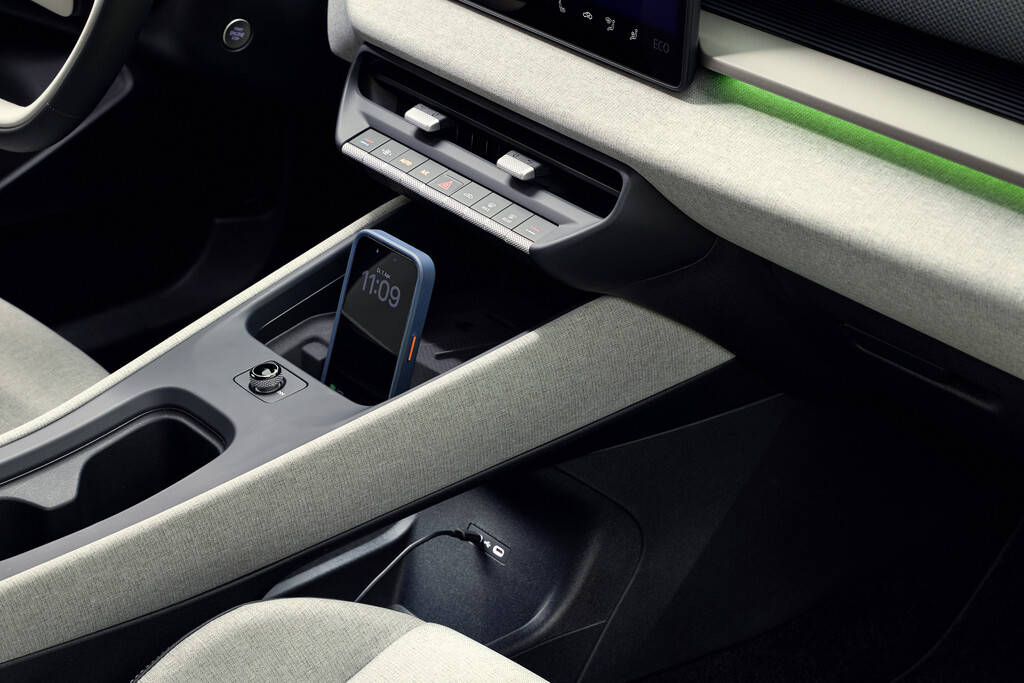
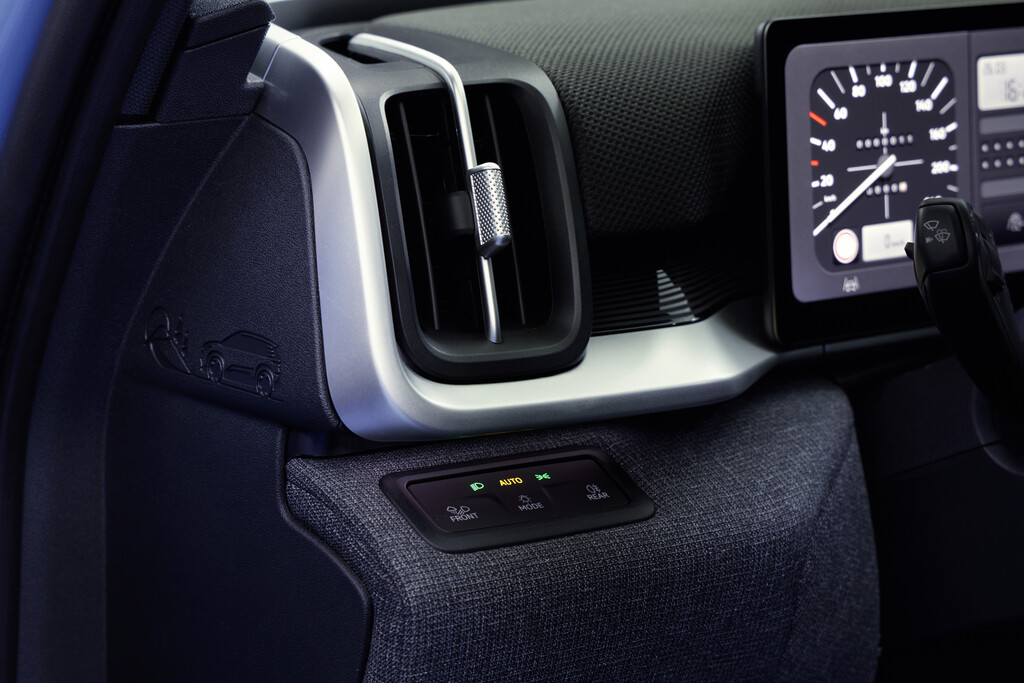
Short answer: Yes. The cabin pairs a modern twin-screen layout with the return of physical buttons, and standard vehicle-to-load adds genuine utility for weekend use.
Inside, the ID. Cross uses VW's revised digital cockpit layout, combining a 10.25″ Digital Cockpit Pro instrument display and a 12.9″ infotainment screen. Responding to driver feedback, Volkswagen restored physical buttons for climate control and other vehicle functions. Every version comes with vehicle-to-load (V2L), so the car can act as a mobile power source for an e-bike, campsite or other external electronic devices.
Why does the grant apply to the 52 kWh but not the 37 kWh yet?
Short answer: Grants are approved model by model under government criteria, so a variant is confirmed only once it clears the rules. The £1,500 credit is signed off for the 52 kWh car; the 37 kWh decision is still pending.
Under the UK electric car grant rules, eligible vehicles must be priced at £37,000 or below and meet warranty, battery-range and sustainability tests, with awards banded at up to £3,750 or £1,500, according to GOV.UK and Autotrader. That approval process sits alongside a softening UK EV mandate, so check the live grant register before you order.
Common misconceptions
- "The cheapest ID. Cross is available now." It is not — the £26,985 37 kWh Life does not arrive until January 2027.
- "Both batteries are the same underneath." They differ: LFP in the 37 kWh car, NMC in the 52 kWh car, with 194 versus 265 miles of range.
- "You can buy one in the US." Volkswagen has no plans to bring the ID. Cross to the US; the ID. Tiguan arrives in early 2027 to replace the outgoing ID.4.
Action advice: how to choose the right trim
- Work out your weekly mileage. Mostly short urban trips? The 37 kWh Life at £26,985 covers it — if you can wait until January 2027.
- Do regular motorway runs? The 52 kWh pack's 265 miles and faster charging justify starting at £30,260.
- Confirm grant eligibility for your exact variant before signing, since only the 52 kWh model is confirmed today.
- Sit with the interface and try the physical controls and V2L features on a test drive; these shape daily satisfaction more than spec-sheet peaks.
Frequently asked questions
When can I order the ID. Cross in the UK?
Orders for the 52 kWh Life and Style trims open on Thursday, November 19. The 37 kWh versions follow in January 2027.
Which trim is the best value?
For most buyers, the ID. Cross Life 52 kWh at £30,260 balances range, equipment and the confirmed grant. The Style adds content for £33,675.
Does the ID. Cross qualify for the electric car grant?
Volkswagen says the 52 kWh version qualifies for the £1,500 grant from the UK government. Confirmation for the 37 kWh versions is expected soon.
How fast does it charge?
DC fast charging of up to 105 and 88 kW, depending on the battery, takes the pack from 10% to 80% in as little as 23 minutes.
References
- Volkswagen newsroom — ID. Cross at a glance: https://www.volkswagen-newsroom.com/en/at-a-glance-id-cross-20525
- GOV.UK — Electric Car Grant vehicle eligibility: https://www.gov.uk/government/publications/how-to-apply-for-vehicle-eligibility-for-the-electric-car-grant/how-to-apply-for-vehicle-eligibility-for-the-electric-car-grant
- Electrifying — Renault 4 E-Tech review and pricing: https://www.electrifying.com/reviews/renault-4/review
- Electrek — Kia EV2 long-range on sale: https://electrek.co/2026/07/16/kia-ev2-long-range-on-sale-281-miles-of-range/
- Autotrader — cars eligible for the Electric Car Grant: https://www.autotrader.co.uk/content/news/here-are-all-the-cars-eligible-for-the-electric-car-grant
About the author: Nathan Hale is an enterprise technology analyst and technology news writer at ItInsightsWorld, part of IT Insights. Reach the newsroom at contact@itinsights.com.