
ItInsightsWorld General Comparison: 2027 Toyota bZ, C-HR and bZ Woodland — Price, EPA Range and Trade-offs
Three spec sheets on one desk, one buyer trying to reconcile them: there is no single winner among Toyota's three battery-electric SUVs. The 2027 bZ is the range-per-dollar default, the Woodland is the towing pick, and the C-HR is the compact alternative. I have not driven all three on one route; this is a spec-and-cost comparison, with uncertainty flagged where range claims meet real roads.
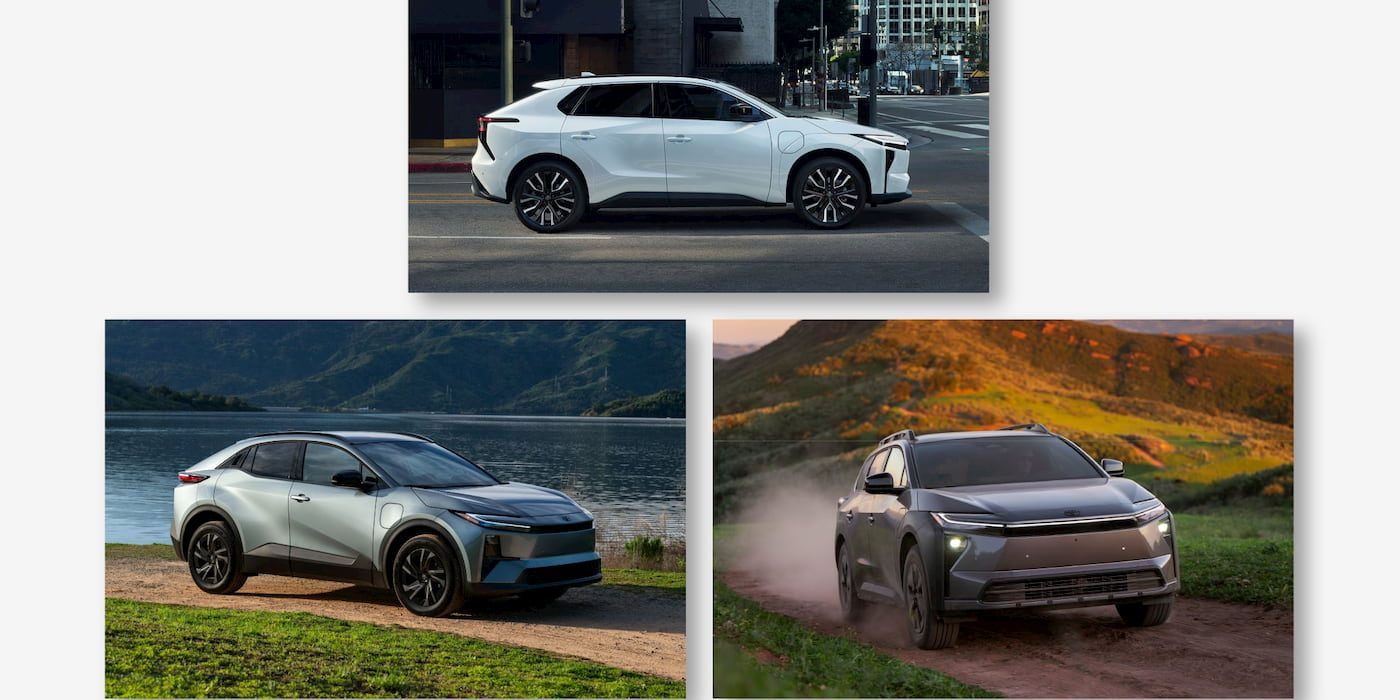
Which of the three fits which buyer?
Conclusion first: start from the constraint that matters most — towing, cargo or entry price — and the field narrows quickly. This is a decision frame, not a ranking; the figures behind each row follow below.
| Priority | Pick | Why, in one line |
|---|---|---|
| Lowest entry price and longest listed range | 2027 Toyota bZ | Starts below the other two; FWD Plus reaches the top EPA figure |
| Towing, ground clearance, all-weather traction | Toyota bZ Woodland | Standard AWD, X-Mode, 3,500 lbs towing |
| Compact footprint and coupe styling | Toyota C-HR | Shortest body, smaller wheelbase, standard AWD |
What changed in Toyota's electric SUV line-up in the US?
Conclusion: Toyota now sells three fully electric SUVs, and the shift happened quickly. These are three distinct electric vehicles, each aimed at different lifestyles, so the decision comes down to fit rather than badge loyalty.
In late 2025 Toyota replaced the bZ4X with the new and improved bZ, and the electric SUV soon became one of the most popular EVs in the US. Across the first nine months of 2026 it ranked as the fourth-best-selling electric vehicle, behind Hyundai IONIQ 5, Tesla Model 3, and Tesla Model Y.
The two additional electric SUVs now on sale—CH-R and bZ Woodland—have pushed Toyota into the ranks of America's top-selling EV brands. EV sales have nearly tripled this year. In the third quarter, Cox Automotive ranked Toyota as the third most popular EV brand behind Tesla and Rivian.
How much does the 2027 Toyota bZ cost after fees?
Conclusion: the headline entry point is $34,980 and the delivered starting figure is $36,576. The 2027 bZ starts at $34,980, a price set when the updated model launched last year; add the $1,595 delivery fee and the total becomes $36,576.
That entry price buys the standard 2027 Toyota bZ XLE FWD, rated by the EPA at up to 236 miles. For more distance, FWD Plus is rated at up to 314 miles and priced from $37,980 before the delivery fee. Grades run to XLE and Limited, with front-wheel drive or AWD powertrains.
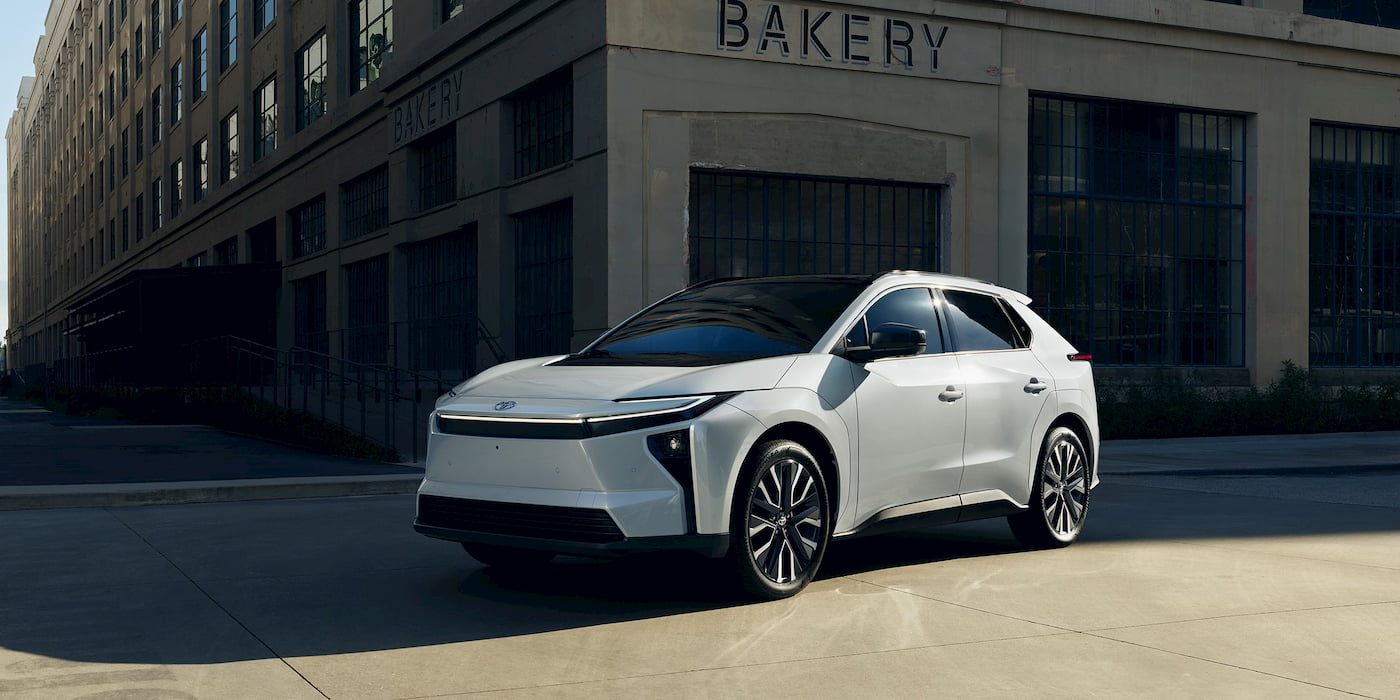 2027 Toyota bZ (Source: Toyota)
| 2026 Toyota bZ trim | Battery | Range | Starting Price * |
|---|---|---|---|
| XLE FWD | 57.7 kWh | 236 miles | $34,980 |
| XLE FWD Plus | 74.7 kWh | 314 miles | $37,980 |
| XLE AWD | 74.7 kWh | 288 miles | $39,980 |
| Limited FWD | 74.7 kWh | 299 miles | $43,380 |
| Limited AWD | 74.7 kWh | 278 miles | $45,380 |
2027 Toyota bZ prices and range by trim (*excluding $1,595 DPH fee)
What do the battery and motor figures actually mean?
Conclusion: Two battery options explain the range spread, and the motor map explains the AWD penalty. The 57.7 kWh pack is fitted to the standard XLE FWD (up to 236 miles, EPA-estimated); the larger 74.7 kWh pack reaches up to 288 miles in XLE AWD and up to 314 miles in XLE FWD Plus.
Drivetrain sets output: XLE FWD makes 165 hp; XLE FWD Plus and Limited FWD make 221 hp; AWD versions combine for 338 hp. Limited FWD is rated at up to 299 miles from $43,380, Limited AWD at up to 278 miles from $45,380, and XLE AWD starts at $39,980.
What a spec sheet cannot tell you is how those figures were produced. EPA documentation notes that, among the allowed approaches, "the most common approach is to use a factor of 0.7 to adjust all the test parameters" for two-cycle certification (EPA). Treat 236 miles or 314 miles as a way to rank trims, not as a trip promise — cold weather, HVAC use and driving style move the real number, and the adjustment exists precisely because of that gap.
What do you gain — and give up — with the bZ Woodland?
Conclusion: the Woodland trades range for traction, cargo and towing. For a larger, more rugged brief, the 2027 bZ Woodland is the candidate: 6″ longer than the standard bZ, with standard AWD. That extra length shows up inside — storage can reach 74.3 cubic feet against up to 67.1 cubic feet in the bZ.
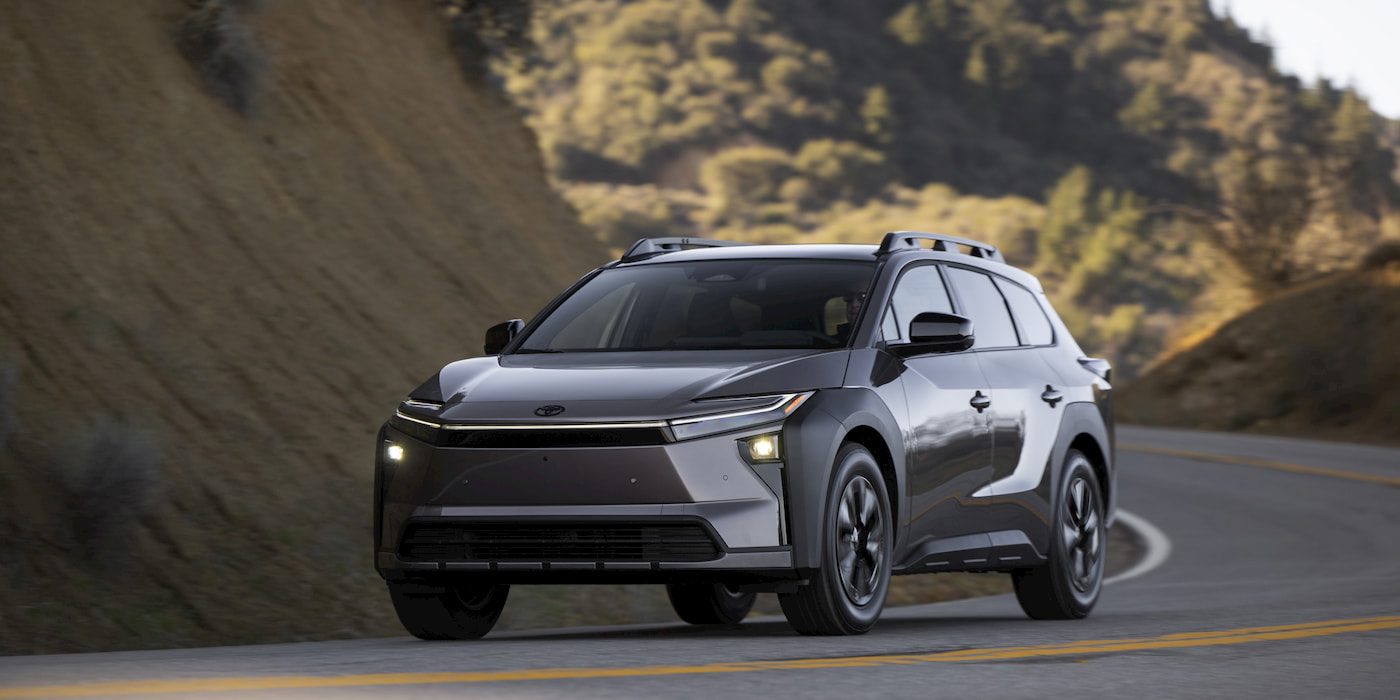 2027 Toyota bZ Woodland (Source: Toyota)
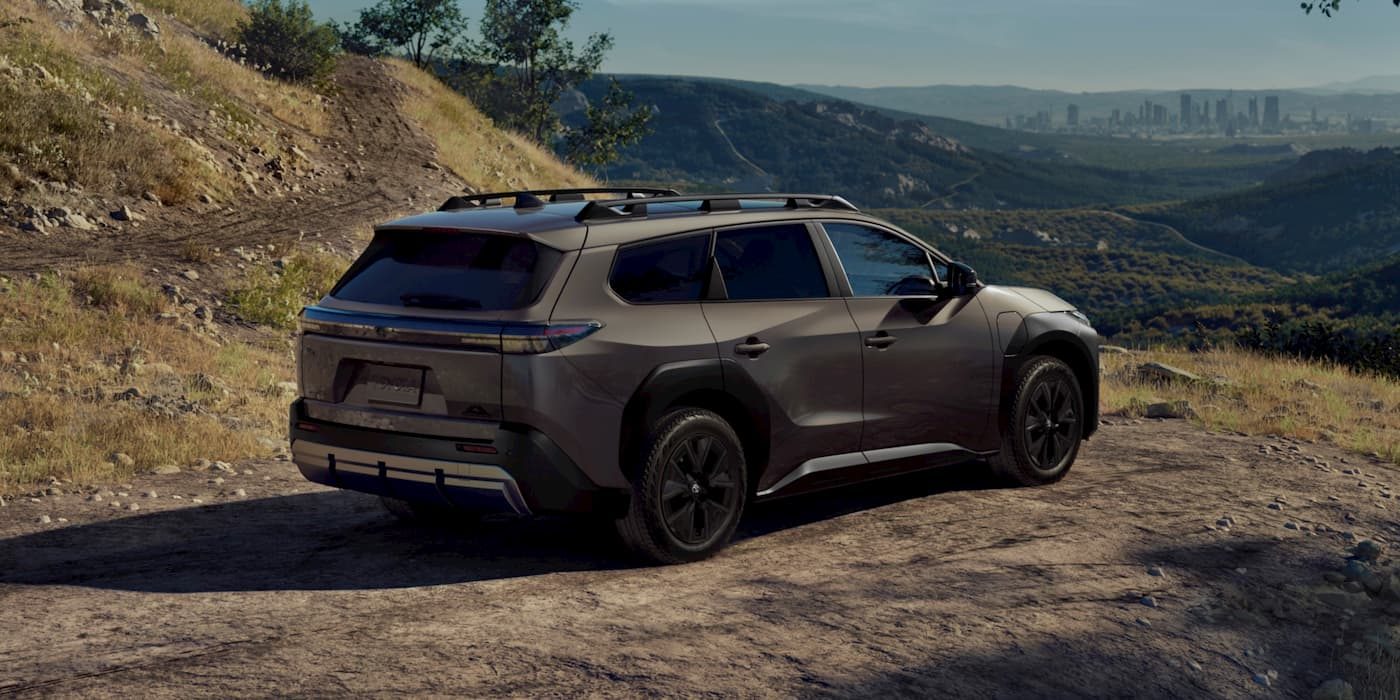 2027 Toyota Woodland electric SUV (Source: Toyota)
Where the bZ offers AWD, the Woodland makes it standard and adds Toyota's X-Mode control system. Combined output is 375 horsepower — 37 hp above the standard bZ and, for now, Toyota's most powerful EV. The stance is more upright too: 8.3″ of ground clearance and 3,500 lbs of towing capacity.
| Trim | Starting Price * |
|---|---|
| 2027 Toyota bZ Woodland | $45,380 |
| 2027 Toyota bZ Woodland Premium | $47,480 |
Toyota bZ Woodland price by trim (*Excluding $1,595 delivery fee)
It uses the same 74.7 kWh battery as the standard bZ, but added weight and power pull the EPA-estimated range down to 281 miles. Spec the optional all-terrain tires and that becomes up to 260 miles. That is the central trade: capability here is paid for at the charger, not only at the dealer.
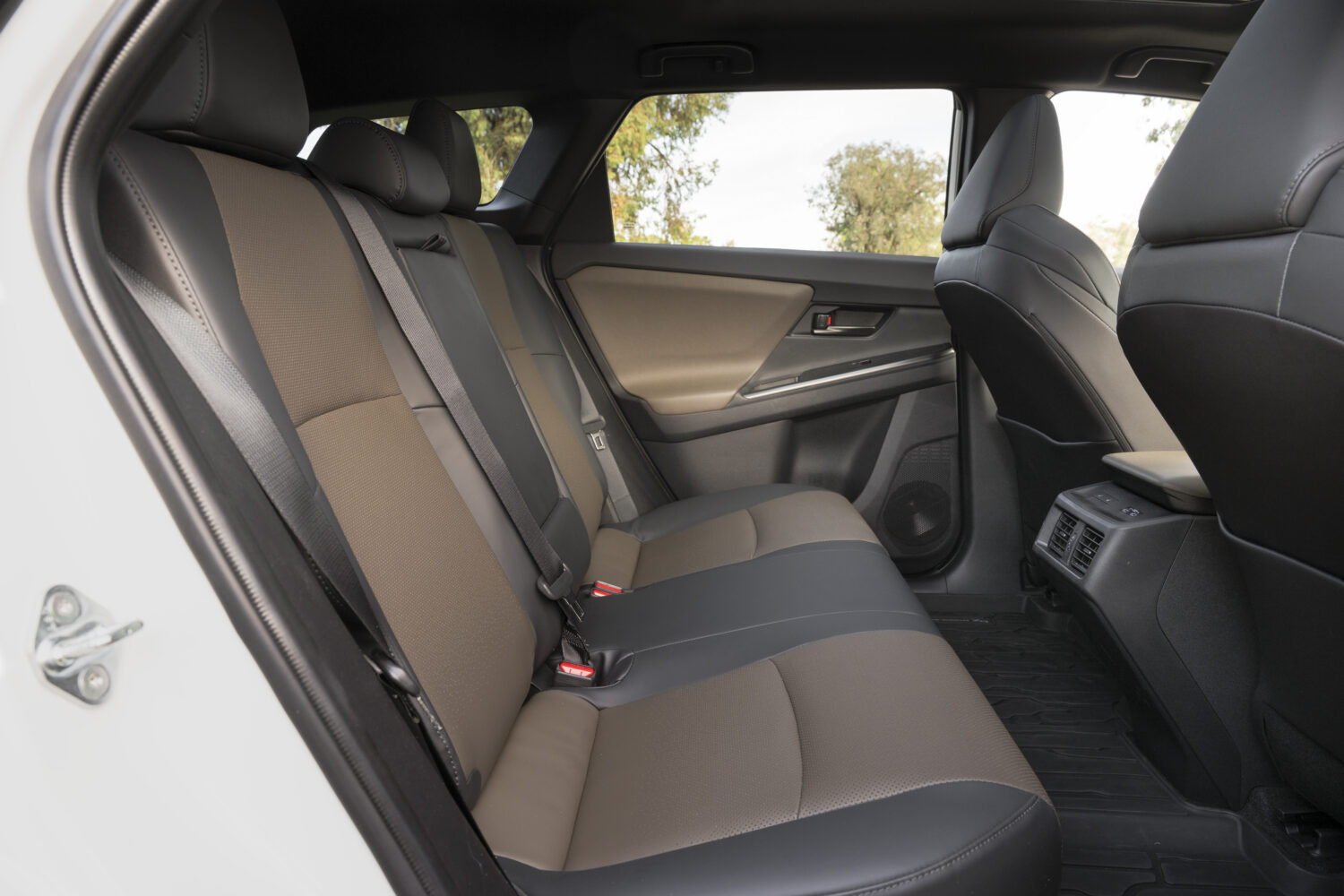
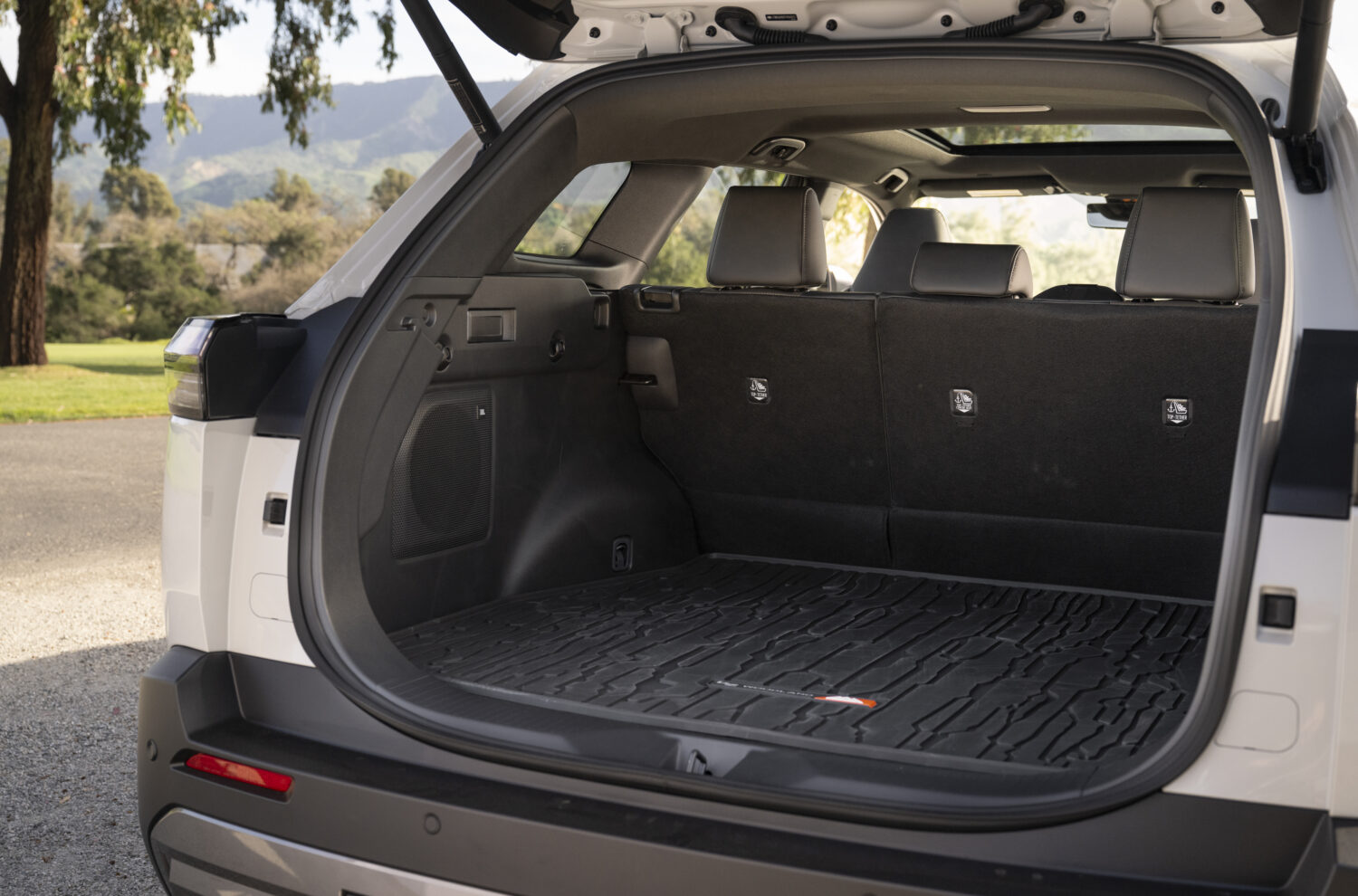
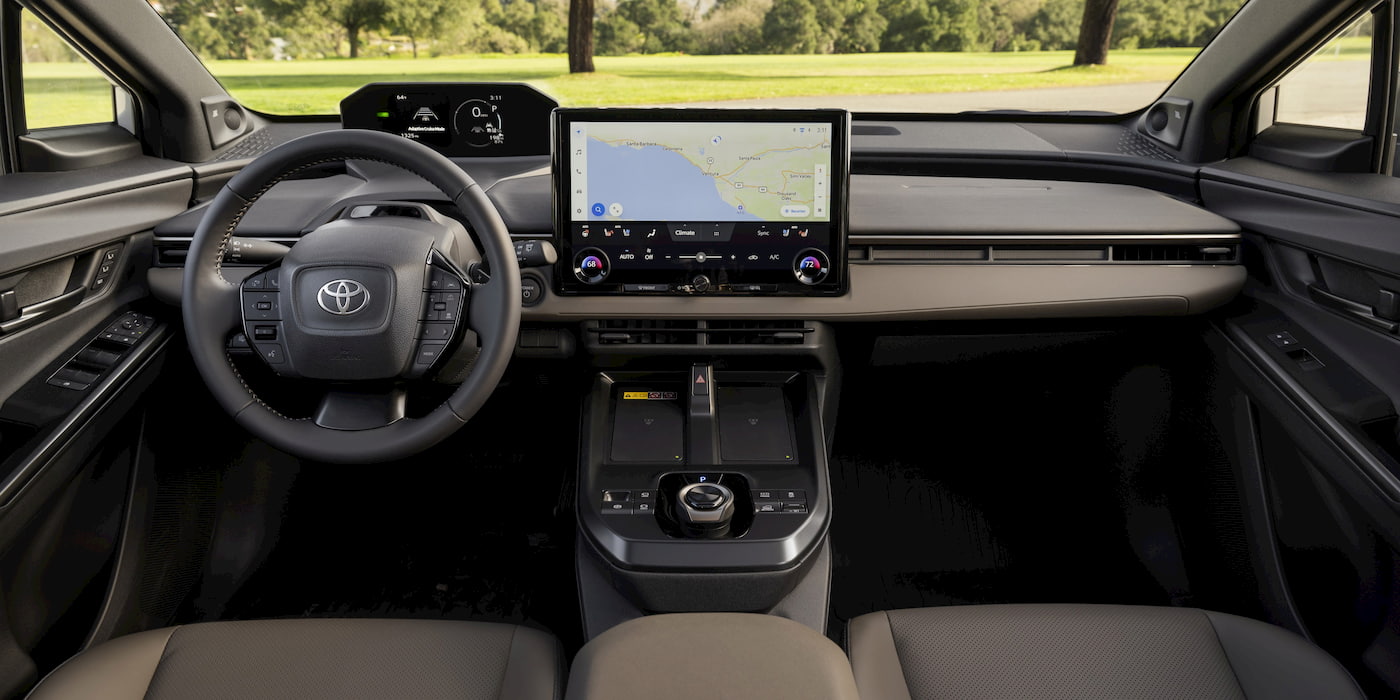
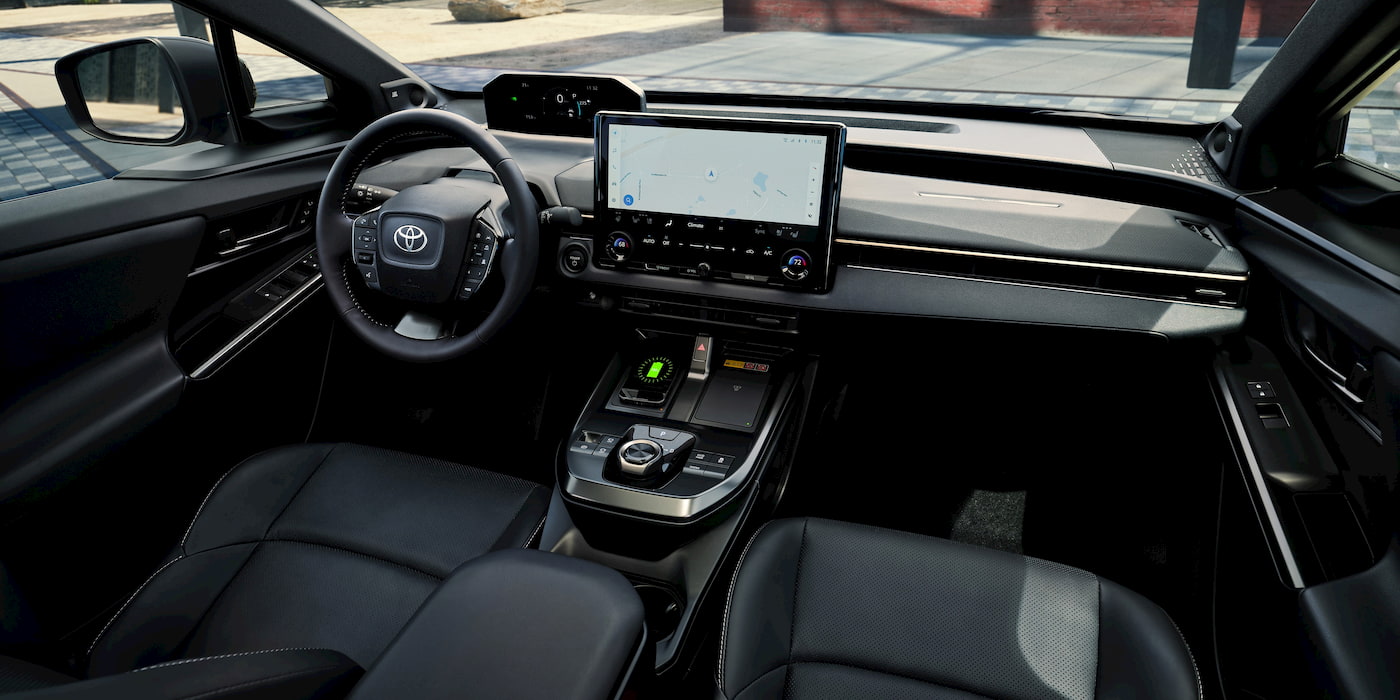
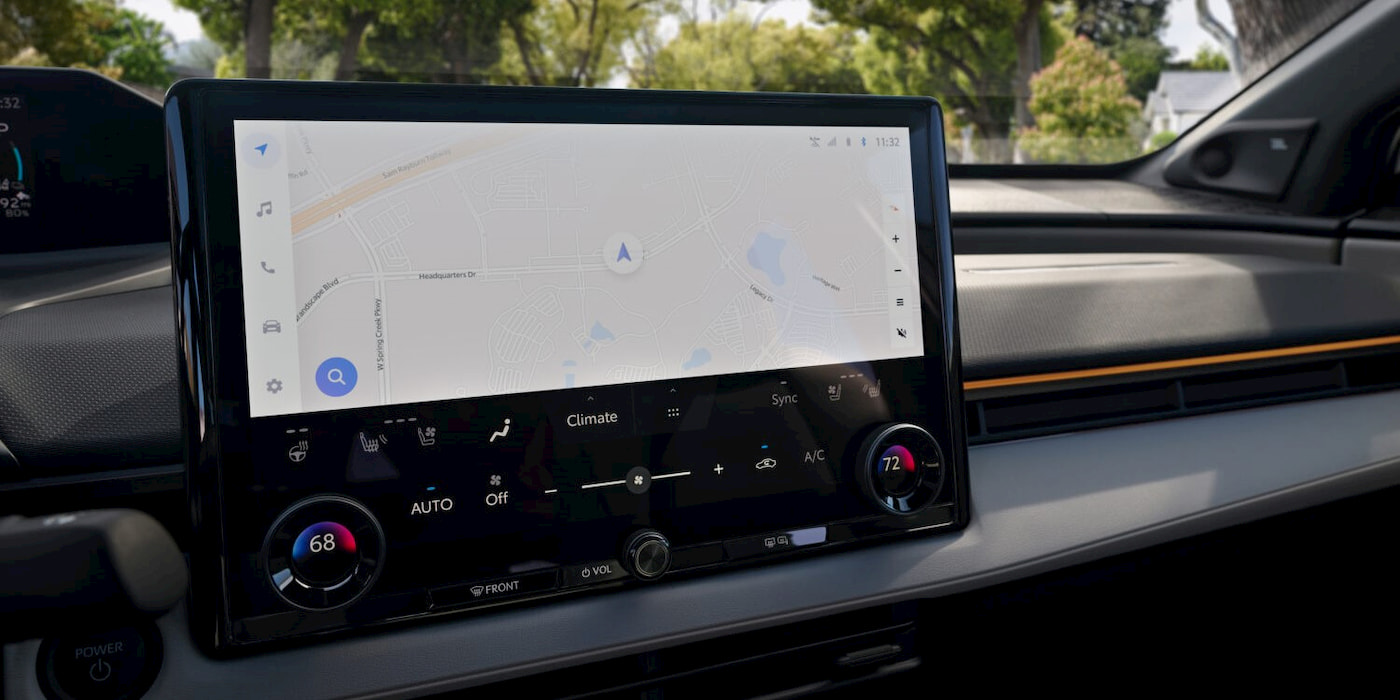
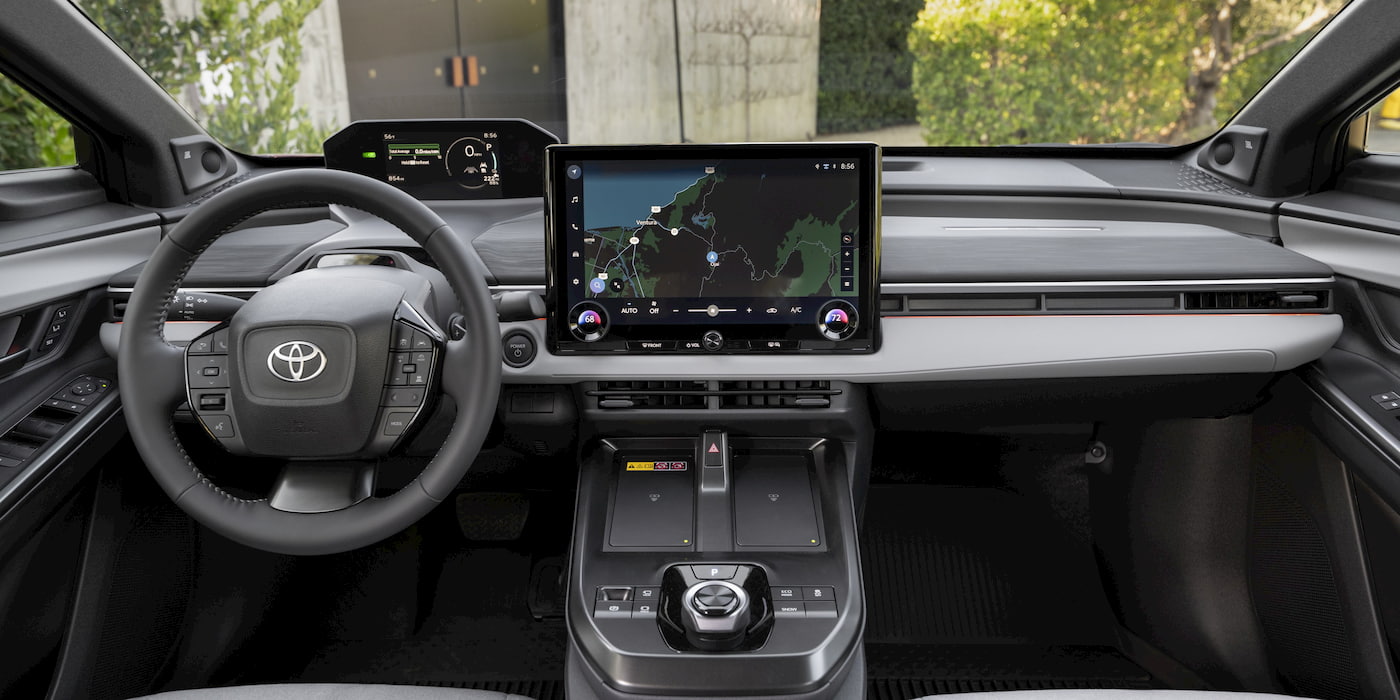
As on the bZ, the Woodland has a built-in NACS port and charging from 10% to 80% takes around 30 minutes. The cabin mirrors the bZ's: a 7″ LCD customizable Multi Information Display (MID) and a 14″ Toyota Audio Multimedia display screen, with wireless Apple CarPlay and Android Auto. The 2027 Toyota bZ Woodland arrives in Base and Premium trims from $45,380, with standard roof rails, Dual Qi-capable wireless device chargers, heated front seats and steering wheel, and Digital Key capabilities on every version.
Is the Toyota C-HR just a smaller bZ?
Conclusion: it shares the battery and screen layout, but changes the shape, the wheel-size trade-off and the cargo math. The C-HR takes the opposite approach to the Woodland — a smaller, sporty electric SUV with a coupe-like profile. Its 2027 starting price is $37,080, $2,100 above the standard bZ.
About 6.7″ shorter than the bZ with a smaller wheelbase, it still comes with standard AWD. The dual-motor AWD setup makes a combined 338 hp, below the larger and stronger Woodland. Only the 74.7 kWh battery is offered: on the SE grade, 18″ wheels deliver an EPA-estimated up to 287 miles, while 20″ wheels look more street-ready but cut the EPA estimate to up to 273 miles.
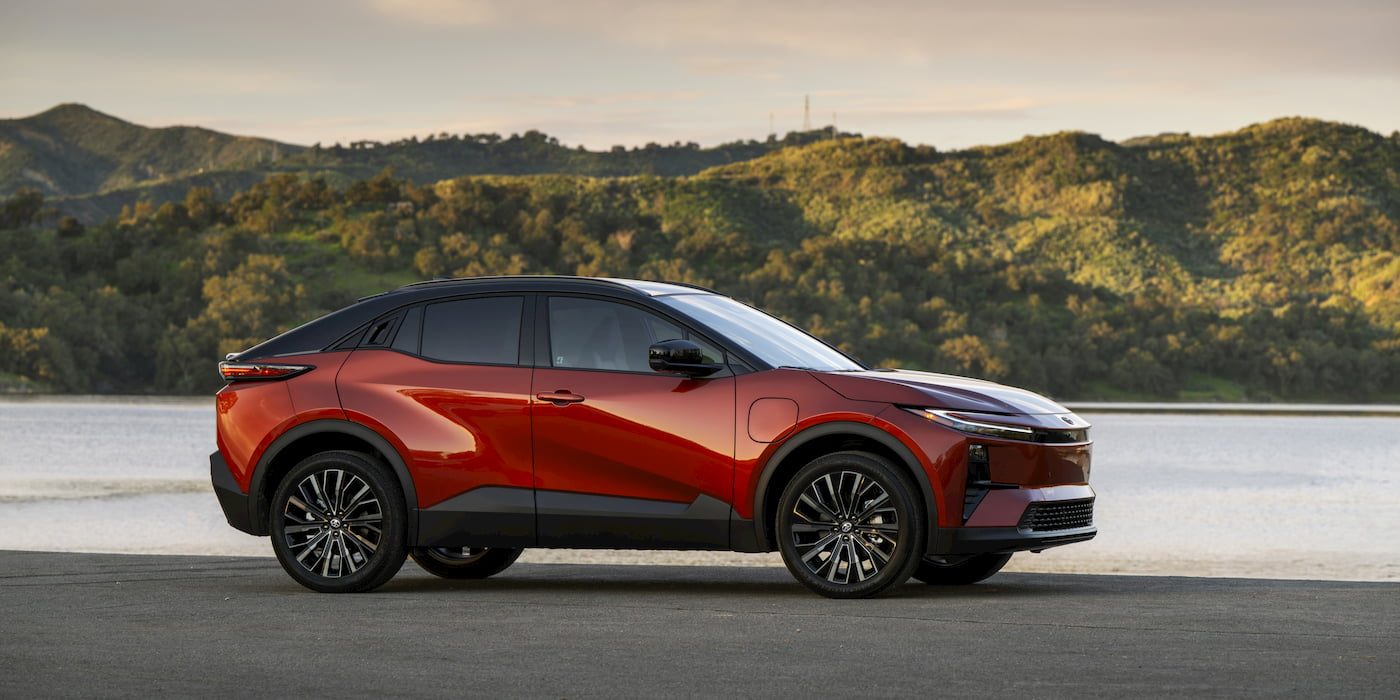 2027 Toyota C-HR (Source: Toyota)
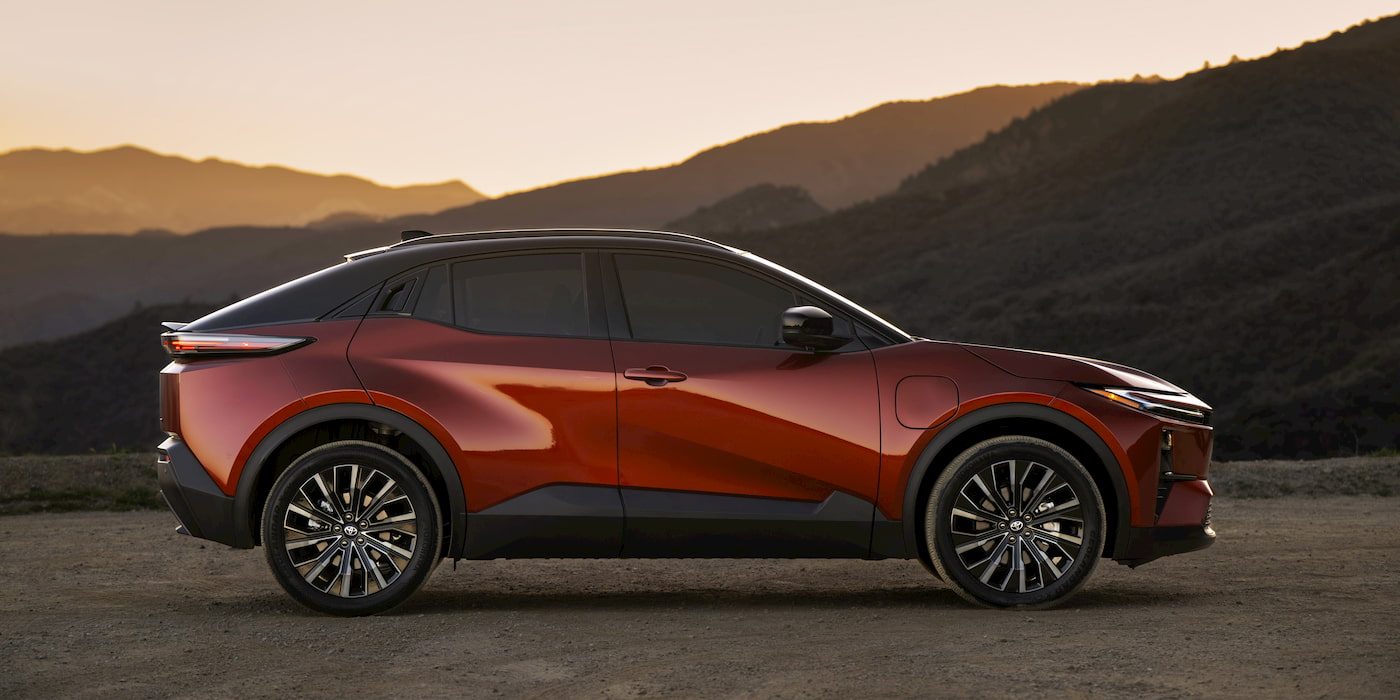 2027 Toyota C-HR XSE (Source: Toyota)
| 2027 Toyota C-HR EV trim | Starting Price * | Driving Range |
|---|---|---|
| 2027 Toyota C-HR SE | $37,080 | 287 miles |
| 2027 Toyota C-HR XSE | $39,080 | 273 miles |
2027 Toyota C-HR MSRP by trim (*Does not include $1,595 DPH fee)
The coupe-like profile is more than styling: with the rear seats folded it frees up to 59.5 cubic feet of rear cargo space, versus up to 56.9 cubic feet in the bZ. Inside, the C-HR follows the same layout as Toyota's other EVs — a 7″ slim driver's display and a 14″ central infotainment screen.
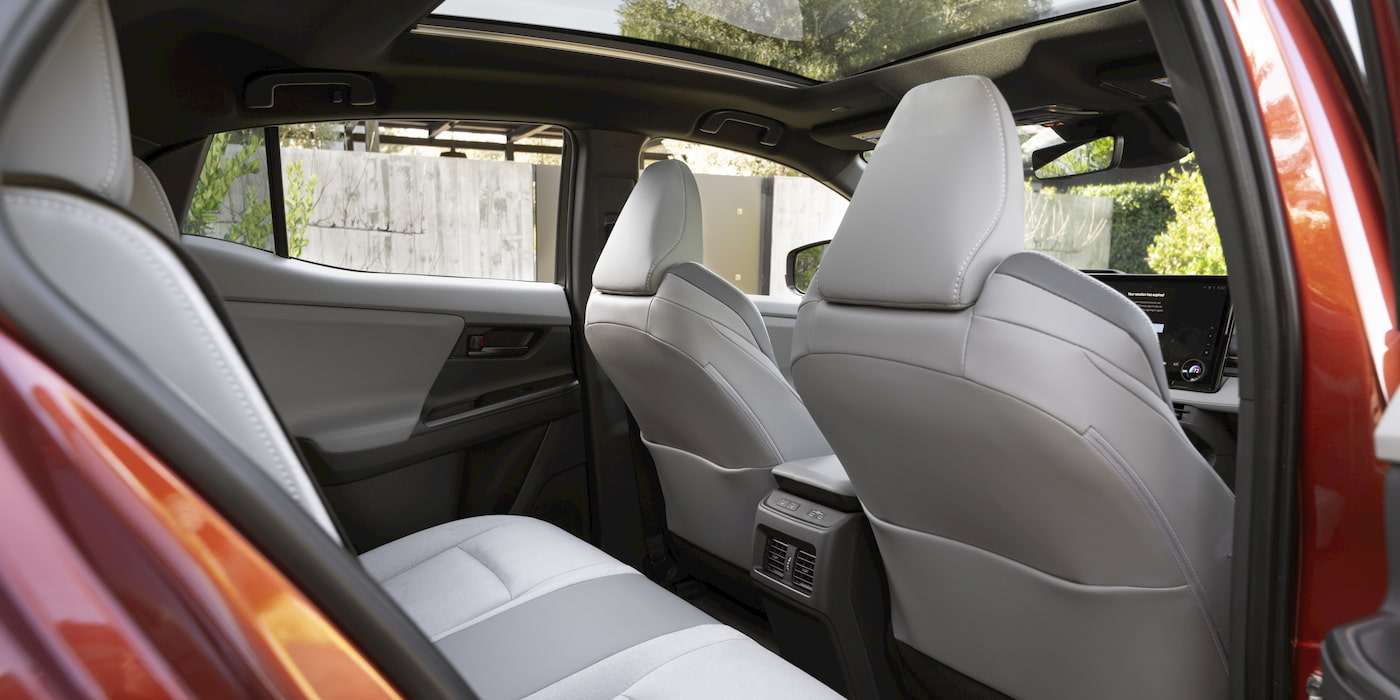
A native NACS port is standard, as on Toyota's other electric SUVs; 10% to 80% takes about 30 minutes. The 2027 Toyota C-HR EV comes in two trims, SE and XSE, with standard kit covering two wireless Qi phone chargers, low-profile roof rails, Fabric/SofTex-trimmed seating, heated front seats and steering wheel, Toyota Safety Sense 3.0, and a power liftgate. Next year brings the Highland EV, Toyota's first three-row electric SUV.
Does charging work the same in all three?
Conclusion: yes at the connector level, which removes one common source of buyer anxiety. The 2027 bZ has a built-in NACS port, so drivers can use Tesla Superchargers without a separate adapter. NACS is the common name for the SAE J3400 standard, a point Tesla confirms on its charging support page; Toyota's press room has also documented expanded charging options for bZ drivers.
The benchmark hides the shape of the curve. On mainstream EVs the last stretch from 80% to 100% can take as long as the first 80%, because voltage limits, rising internal resistance and thermal management slow the rate (see Witricity's explanation of the 80% rule). Plan around the 10% to 80% window and treat the quoted half-hour as the usable figure, not a full tank.
Which mistakes do buyers actually make?
- Reading EPA range as a guarantee. The 287 miles on a C-HR SE and the 314 miles on a bZ FWD Plus are comparable labels, not identical real-world results.
- Forgetting the $1,595. The $34,980 headline becomes $36,576 before options; compare delivered figures across all three.
- Assuming power helps range. The Woodland's 375 horsepower comes with 281 miles, not more.
- Treating wheels and tires as cosmetic. 20″ wheels move the C-HR to 273 miles; all-terrain tires move the Woodland to 260 miles.
- Buying towing capacity you will not use. 3,500 lbs is useful only if the trailer and tongue weight fit inside it.
FAQ: four questions before you shortlist
Which is cheapest to enter?
The 2027 Toyota bZ at $34,980, or $36,576 once the $1,595 delivery fee is included — below the Toyota C-HR at $37,080 and the Woodland at $45,380.
Which has the longest EPA range?
The bZ XLE FWD Plus at up to 314 miles. The C-HR SE reaches up to 287 miles and the Woodland up to 281 miles; 260 miles applies only with all-terrain tires.
Is the Woodland worth the premium?
Only if you use the 3,500 lbs towing rating, the 8.3″ of ground clearance or X-Mode. Otherwise the 37 hp gain arrives with a lower range figure.
Should I wait for a three-row option?
Next year, Toyota will add the Highland EV, its first three-row electric SUV. If a third row is non-negotiable, that is a real reason to wait.
A reusable checklist for this shortlist
This is the sequence I would run on any three-car comparison — constraints first, marketing claims last.
- Name the single hard constraint (towing, third row, budget ceiling) and eliminate models that fail it.
- Convert every headline price to a delivered price by adding the $1,595 fee.
- Compare EPA figures only within the same test framework, and write down the wheel and tire spec behind each.
- Map the charging network you actually use; confirm the NACS port and adapter situation before signing.
- List the standard equipment you will not add later — Qi chargers, heated seats, driver aids — and price the trims on that basis.
- Record what you could not verify. I have not reproduced real-road range tests here; treat those figures as estimates until you drive your own route.
Author: Liam Cole, cloud-native architect and contributor at ItInsightsWorld.