
ItInsightsWorld General Guide: How Johnnie Walker Turned the Sabrina Carpenter Partnership Into a Damien Chazelle Film
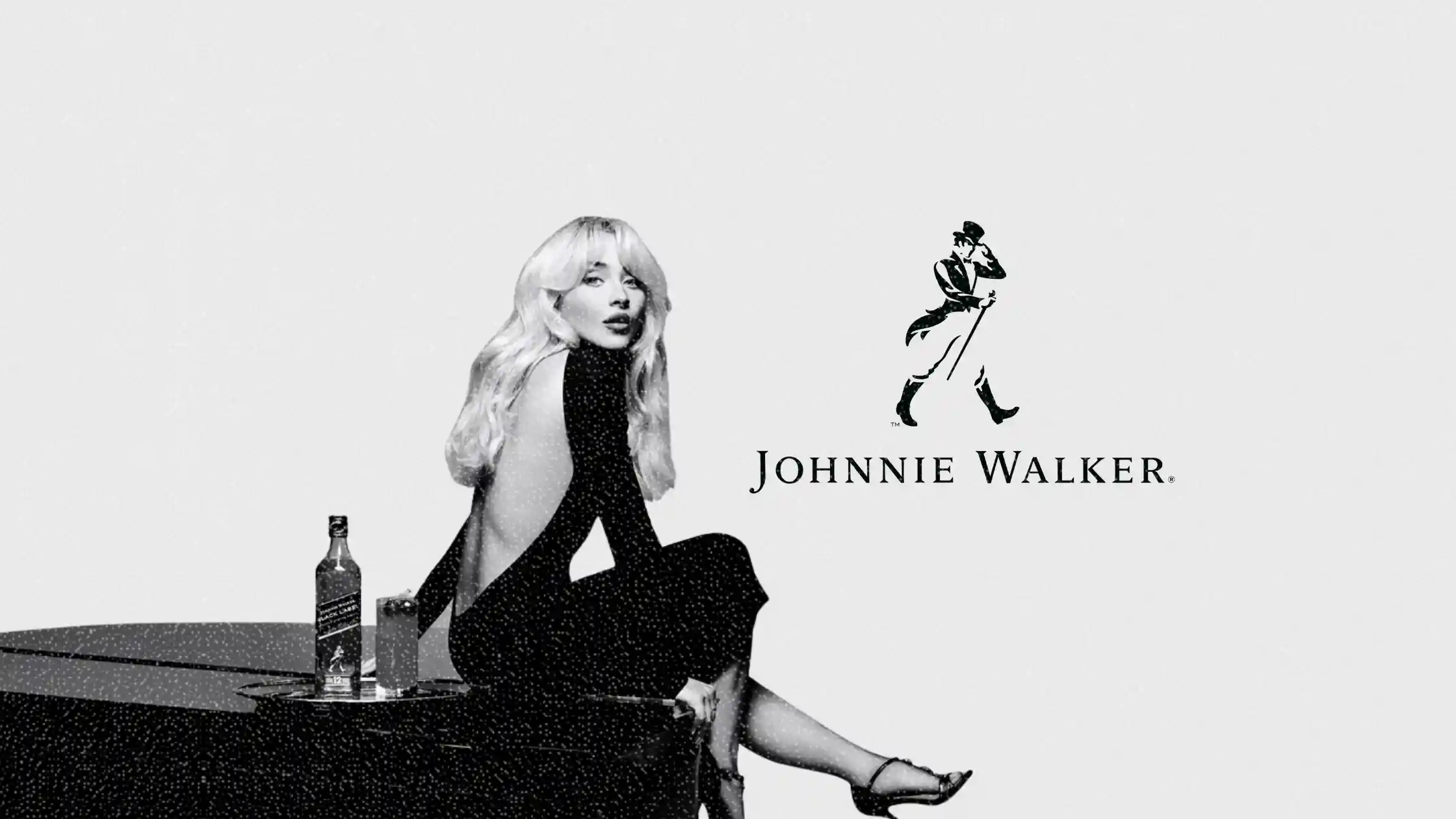
On November 10, Johnnie Walker released a film starring Sabrina Carpenter and directed by Damien Chazelle. It was not a new endorsement deal. It was the next chapter of a partnership that began in August 2025, when Diageo first tied the singer's album and tour to the Scotch whisky brand. What changed is the format: a director-led film, produced by Superprime Films, that borrows from French New Wave cinema instead of a standard celebrity spot.
The pairing is logical. Carpenter's public persona rests on dry humor, old-Hollywood styling and a habit of making even familiar scenes feel like hers. Chazelle, who directed La La Land and Whiplash, built his reputation on stories where performance, rhythm and ambition drive the narrative. A cinematic role suits her more naturally than a standard endorsement, especially when the director is known for movies in which movement and music carry the story.
What Did the November 10 Announcement Actually Say?
The announcement was a creative release, not the first word of the relationship. Johnnie Walker presented the film as the newest chapter of a global partnership with Carpenter that already existed. The brand's long-running phrase, Keep Walking, provides the idea that organizes the story; for Johnnie Walker, that phrase has long been shorthand for forward movement and personal progress. In Carpenter's version, progress looks like the confidence to reshape the scene around her.
The film takes its cues from French New Wave cinema, a movement known for playful storytelling and a willingness to break formal rules. The brand describes a mix of polished imagery, unplanned moments and a world that keeps changing around its star. Superprime Films produced the piece, which casts Carpenter in what the brand calls a main-character role.
In the official release, Carpenter framed the brief around the viewing experience: "We wanted to create a true cinematic experience that was playful, unexpected, and full of personality." Her wording is telling, because it describes a film to watch rather than a product to buy.
Why Did Johnnie Walker Hire Damien Chazelle?
A director's name changes how a brand film is read, and Chazelle's carries specific expectations. He is closely associated with stories driven by performance, rhythm and ambition. Here, his visual language acts as a bridge between Carpenter's persona and a familiar whisky slogan.
Hiring a well-known director does not guarantee that the director's actual strengths will be used. In this case, the decision to work in a film-inspired register gives the partnership a creative structure that goes beyond name recognition. His track record in music-centered cinema also explains why this artist-director pairing fits.
How Did the Partnership Get From Tour Cocktails to a Film?
The film adds another layer to a partnership that began with Carpenter's music. Diageo announced the relationship in August 2025, linking her album and tour, the Short n' Sweet tour and the Man's Best Friend album, to advertising content and whisky experiences for fans of legal drinking age at selected concert stops.
Since then, Johnnie Walker has rolled out the Go Go Highball tied to Carpenter and a limited-edition Black Label bottle inspired by her style. The company says both products are rolling out across Europe, Australia and North America, with more markets to follow. The film ties those separate elements into one story rather than treating each release as a standalone novelty.
| Chapter | What it is | What it does |
|---|---|---|
| 2025 partnership | Album and tour tie-in, plus concert-stop experiences for legal-drinking-age fans | Establishes the relationship |
| Products | Go Go Highball and a limited-edition Black Label bottle | Gives the partnership tangible items |
| November 10 film | Damien Chazelle-directed film produced by Superprime Films | Turns the partnership into a continuing story |
That continuity is different from a celebrity appearing in an isolated spot. One creative idea can show up as a tour moment, a product design and a director-led film, without requiring audiences to experience all three. The campaign can feel familiar to a Carpenter fan while still making sense to someone meeting the partnership for the first time.
The broader context matters. In November 2025, Johnnie Walker revamped the Keep Walking platform to focus more on individualism, using social listening that analyzed 97 million online conversations to identify six themes: motivation, action, connection, emotion, success and identity. The brand cited a McKinsey report finding that 2025 consumers are less likely to define themselves by traditional life-stage milestones. The Carpenter film is one expression of that pivot.
How Should You Evaluate a Celebrity-Led Brand Film?
The interesting part of this collaboration is not that a whisky label hired a pop star. It is how the brand is trying to make the partnership resemble an extension of her creative world. For marketers and curious readers, that shifts attention from celebrity reach to the fit between audience expectations, creative partners and a brand's established identity.
- Start with the identity audiences already recognize. The film starts from Carpenter's humor and her stylized performance persona. A recognizable aesthetic pays off when the creative treats it with care instead of treating a famous face as a replaceable prop.
- Give the collaborator a meaningful creative role. Hiring Chazelle is more than a press-release credit. His track record in music-driven storytelling gives the film's cinematic approach a reason to exist, though no published evidence yet shows whether viewers respond more strongly because of him.
- Make each chapter add something new. The 2025 partnership, the limited-edition bottle and this film each do a different job. A longer relationship lets the brand build a storyline across repeated encounters instead of re-announcing the same collaboration.
- Separate cultural relevance from results. Familiar talent, a strong visual concept and a recognizable slogan are inputs. Views, sentiment, incremental sales and brand consideration are outcomes, and they need credible measurement before they can be claimed.
Common mistakes to avoid
- Treating a famous face as interchangeable. A celebrity's established style is the raw material; a campaign that ignores it buys reach without meaning.
- Announcing the same collaboration as if it were new. A long partnership only works if each chapter visibly adds something.
- Reading views as sales. A film can be widely watched and still fail to move brand consideration or purchase intent.
- Forgetting legal-drinking-age targeting. Because this is an alcohol campaign, its audience and placement must stay appropriate for people of legal drinking age, regardless of the artist's wider fan base.
Measurement is the missing piece. A standard brand lift study compares consumers who have seen a campaign with those who have not, which helps isolate the campaign's effect on awareness, favorability and purchase intent. Longer, longitudinal versions can account for seasonality. For this film, no published view counts, sales uplift or fan-reaction data exist as of the announcement; the creative rationale is visible, while the audience response is not.
What Does This Mean for the Spirits Category?
This is not the only spirits brand working with celebrities. Chivas Regal has paired with Formula 1 driver Charles Leclerc, and Buchanan's has worked with musician Rauw Alejandro. Those deals link labels to personalities and activities that sit far from the whisky shelf. What distinguishes Johnnie Walker in this chapter is its focus on an artist's cinematic character arc.
The wider market context supports the bet. Vinetur reported in August 2025 that luxury spirits brands are increasingly using celebrity collaborations to attract Gen Z and millennial consumers who value creativity and self-expression, and it cited the Johnnie Walker-Carpenter partnership as a recent example. Other brands have taken a different route: Kendall Jenner's 818 Tequila kept a celebrity reveal off-screen and turned attention toward three ingredients instead. Outside spirits, Gucci's Mariah Carey hotel-arrival film shows the same film-first logic applied to a holiday campaign.
The commercial implications remain open. A branded film can supply content for a longer campaign, but a recognizable cast does not by itself prove conversion or brand lift. What is confirmed is the creative progression from the original partnership toward more ambitious storytelling.
FAQ: What Readers Are Asking
Did Johnnie Walker just sign Sabrina Carpenter?
No. The partnership began in August 2025, tied to the album and tour. The November 10 film is a later chapter, not the start of the relationship.
Who directed the film, and who produced it?
Damien Chazelle directed the film, and Superprime Films produced it.
Has the film boosted sales or views?
Not in any published form. Neither the brand's announcement nor the reporting available so far supplies measured views, sales uplift or specific fan reactions to this release.
Is the campaign only for existing fans?
No. The film is designed to make sense to someone encountering the partnership for the first time, while still feeling familiar to someone who recognizes Carpenter.
What should marketers watch next?
Measurement. Brand lift, sentiment and incremental sales are the outcomes that will show whether the cinematic approach is doing more than generating attention.
References
- Johnnie Walker press release, PR Newswire, November 2026 — https://www.prnewswire.com/news-releases/johnnie-walker-and-sabrina-carpenter-share-her-keep-walking-story-in-new-film-directed-by-damien-chazelle-302934830.html
- Marketing Dive, "Why Johnnie Walker is revamping its Keep Walking brand platform," November 2025 — https://www.marketingdive.com/news/why-johnnie-walker-is-revamping-its-keep-walking-brand-platform/805771/
- Vinetur, "Luxury spirits market surges as celebrity collaborations reshape branding," August 2025 — https://www.vinetur.com/en/2025082990706/luxury-spirits-market-surges-as-celebrity-collaborations-reshape-branding-and-attract-younger-consumers.html
- ContentGrip, coverage of the announcement — https://www.contentgrip.com/sabrina-carpenter-johnnie-walker-film/
- GWI, "What is a brand lift study and how does it work?" — https://www.gwi.com/blog/brand-lift-study