
ItInsightsWorld General Playbook: How to Run a Fake-Album Holiday Campaign — What Baileys and Matt Rogers Got Right
Baileys walks into every fourth quarter with the same uncomfortable dilemma: an Irish cream that sells hardest in exactly one season, an advertising window where everyone spends the most, and no new product to announce. This November the brand chose not a bigger film but a stranger one — Matt Rogers on camera, selling a holiday album that does not exist.
The short answer: a fake-product campaign works only when the performer's real history makes the fake credible, and it stays affordable only if distribution lives on social and digital rather than prime-time media. Bring on the Holidays, Bring on the Baileys, which debuted on November 17, follows both rules. Below, the campaign is turned into a checklist other brand teams can actually use — what worked, what it costs, where it breaks, and what to do next.
Why fake an album at all?
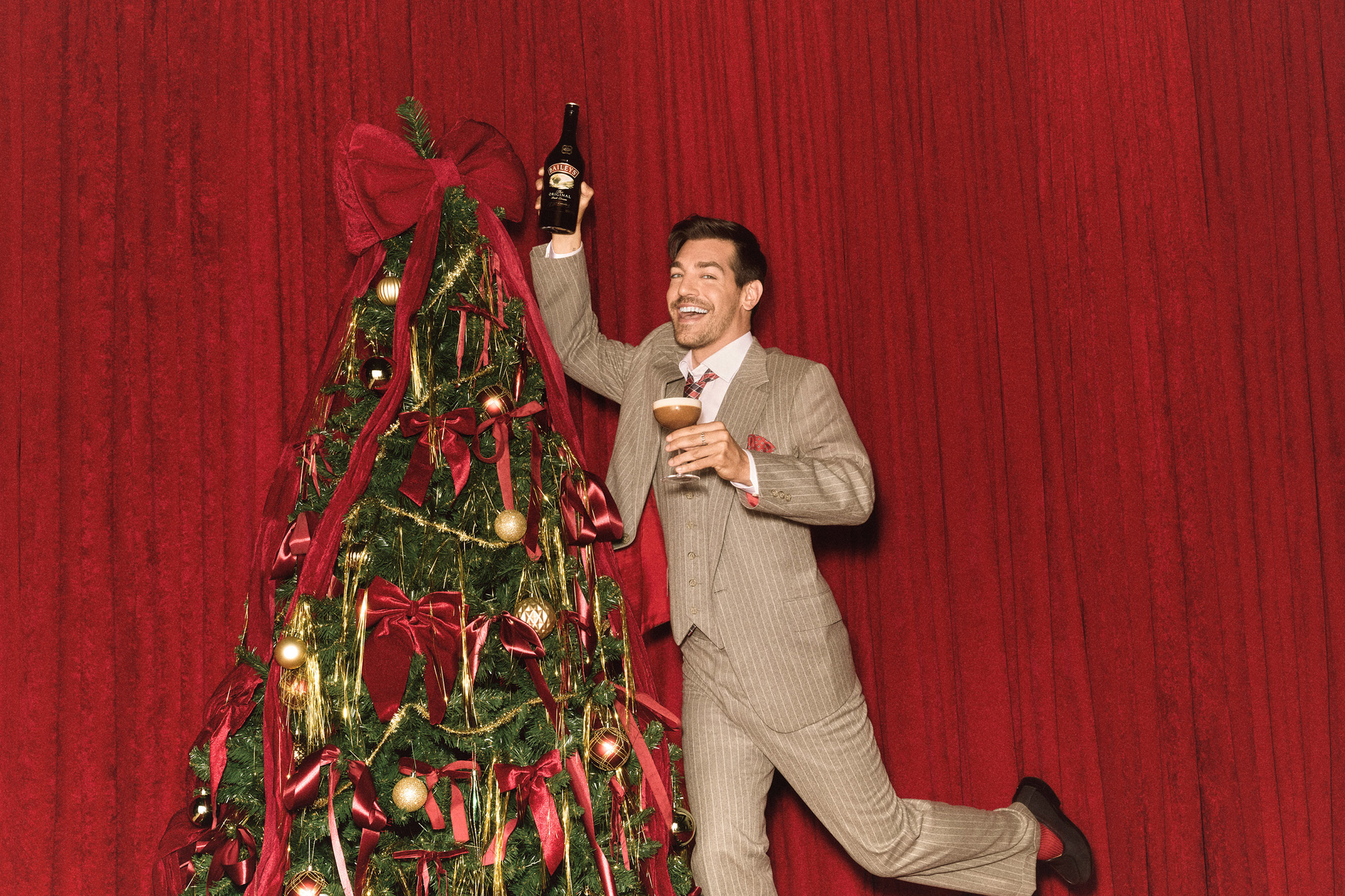
Conclusion first: the joke carries weight because the real album exists. Matt Rogers released Have You Heard of Christmas? in 2023 — Capitol Records put it out on November 3, 2023, twelve tracks and roughly 42 minutes of original holiday pop. So when he pitches songs like “Irish Cream, Irish Cream, Baileys All the Way” and “Deck the Halls with Baileys Martinis” in the new film, viewers supply the context themselves. The brand never has to explain that Rogers does Christmas music; he already did it, on a real label, with a real track list.
“I take holiday music very seriously, so naturally I had to make an entire album about Baileys, my go-to drink for the holidays,” Rogers said in the November 17 announcement. Read that sentence as a selection criterion rather than a quote. The campaign picked a performer whose own catalog already matches the parody — that is the step most copycats skip, and skipping it is why most copycats fail.
What does the campaign timeline actually look like?
Conclusion first: this was sequenced as platform, then parody, then physical activation — not one video dropped into the feed and forgotten.
- October: the Bring on the Baileys platform launched on October 20 with two short films, Earrings and Skater, built on odd, playful situations that pull the drink into spontaneous moments.
- November 17: Bring on the Holidays, Bring on the Baileys went live across social and digital channels — the distribution announced so far stays where a parody is native.
- December: Baileys plans festive surprises and cocktails at selected stops on Rogers' This Time It's Really Christmas tour. The tour is real and dated — Seattle on December 3, Portland on December 5, Chicago on December 12, Washington DC on December 16 — so “selected stops” sits on a published schedule, not a press-release hope.
The platform detail matters more than it looks. Because Bring on the Baileys had already set a tone in October, the Rogers film reads as the next chapter of one platform rather than another celebrity hire. The earlier films bent everyday scenes; the new film borrows the instantly recognizable language of a holiday music sales pitch — heightened sincerity, straight face, zero winking. Same tone, different format. That swap is the actual trick, and it is repeatable.
Parody spot or standard celebrity ad — which fits your budget?
Conclusion first: a fake-product parody trades reach certainty for memorability and cost control. Baileys is not the only spirits brand making a single-film celebrity bet this season — Johnnie Walker turned the Sabrina Carpenter partnership into a Damien Chazelle film — but the two plays solve different problems.
| Dimension | Fake-product parody (the Baileys play) | Standard celebrity spot |
|---|---|---|
| Premise | Product woven into the performer's own comedic format | Performer endorses the product directly |
| Talent fit test | Hard: the performer must already own the format | Soft: any recognizable face passes |
| Production scope | One film styled as an ad-within-an-ad | Often a multi-asset campaign shoot |
| Media plan | Social and digital first; no broadcast needed | Usually paid reach across TV and online |
| Shelf life | Extends into live events (December tour stops here) | Ends when the media flight ends |
| Main risk | Viewers miss the joke or take the fake product as real | Viewers tune out another famous face |
| Disclosure burden | High: parody is still advertising and must be labeled | Standard ad labeling |
How would you actually run one? Six steps
- Audit the performer's catalog before the shortlist. If they have never genuinely done the thing you plan to parody, stop. Rogers had Have You Heard of Christmas? first; that is not a coincidence.
- Write the fake product as if it were real. Full titles, full sales pitch, no winks. “Deck the Halls with Baileys Martinis” is funny because it sounds like a track list entry, not a sketch line.
- Launch inside a platform tone, not as a standalone. Baileys ran Earrings and Skater in October, so the parody arrived as a known platform's next chapter.
- Distribute where parody is native. Social and digital on November 17, before any bigger paid plan — a straight-faced fake ad performs best in feeds, where viewers lean in.
- Book the physical second act before launch day. The film points to selected December stops on the This Time It's Really Christmas tour, converting viewers into ticket buyers instead of impressions.
- Label everything. Creator posts sharing the film carry #ad. A parody is still an advertisement, and treating disclosure as optional is how a joke turns into a regulator's letter.
Where does the money actually go?
Conclusion first: the format's real saving is media, not production, and its real cost is the talent prerequisite. No budget has been published, so treat this as a cost-category map rather than a quote. Production is one film. Media is social and digital only — which matters because eMarketer forecasts more than $1.4 trillion in U.S. retail sales across November and December 2026, and holiday CPMs in that window reflect exactly that crowding. The expensive line is the prerequisite: a performer with a genuine holiday catalog, a live tour, and an audience that follows him from one to the other. Baileys did not manufacture that fit; it shopped for it. Teams without a comparable talent budget should expect the joke to carry less. And keep the honest caveat on the desk: no reach or sales results have been disclosed, so the commercial impact is still unknown — anyone promising proven ROI from this case is selling something.
Which mistakes kill this format?
- Casting a face without a history. The parody lands only because Have You Heard of Christmas? already existed in 2023.
- Playing it wink-wink. The film works because the album-ad format is performed completely straight; one nudge to camera kills the premise.
- Treating the video as the whole campaign. Holiday feeds are crowded with talent-fronted pushes — “It's The Gift That Counts.” from Lids pulls together seven personalities from music, wrestling and digital creator culture — so a single clip with no second act disappears inside a week.
- Skipping the measurement plan. With no metrics disclosed for this campaign, success claims are editorial, not evidence. Decide your KPI before launch, not after.
FAQ
Is there a real Baileys holiday album?
No. Songs such as “Irish Cream, Irish Cream, Baileys All the Way” exist only inside the film. Rogers' actual holiday record is Have You Heard of Christmas?, released in 2023.
When and where did the film premiere?
November 17, across social and digital channels.
Can audiences experience the campaign offline?
Yes. Baileys plans festive surprises and cocktails at selected December stops on the This Time It's Really Christmas tour.
What is the one prerequisite teams should not fake?
Talent fit. If the performer's existing work does not already match your parody, the format collapses into an ordinary celebrity ad with a gimmick.
What to do next
If your team is weighing this format for next season, the order of operations is fixed: audit the talent catalog first, confirm a platform tone second, write the fake product completely straight third, and only then talk media. Most teams do not lack budget; they lack an approver willing to sign off on something that looks like a mistake on the storyboard. If you can get the fake product through that meeting intact, everything else in this playbook is arithmetic — pick the date, book the second act, label the posts, and measure against a KPI you set before launch.
Reference sources
- PR Newswire, Nov 17, 2026 campaign announcement: https://www.prnewswire.com/news-releases/baileys-and-matt-rogers-hit-all-the-right-festive-notes-this-holiday-season-with-bring-on-the-holidays-bring-on-the-baileys-302942269.html
- Wikipedia, Have You Heard of Christmas? (Capitol Records, Nov 3, 2023): https://en.wikipedia.org/wiki/Have_You_Heard_of_Christmas%3F
- PR Newswire, Oct 20, 2026 Bring on the Baileys platform launch: https://www.prnewswire.com/news-releases/baileys-original-irish-cream-says-why-not-to-a-little-more-holiday-indulgence-with-bring-on-the-baileys-302914033.html
- Ticketmaster, This Time It's Really Christmas tour dates: https://www.ticketmaster.com/matt-rogers-tickets/artist/2944119
- Criteo holiday marketing guide citing eMarketer (more than $1.4 trillion US retail sales, Nov–Dec 2026): https://www.criteo.com/blog/when-to-start-holiday-marketing-strategies-for-before-during-and-after-cyber-week/
By Nina Roberts for ItInsightsWorld (IT Insights).