
Jensen Huang Probe: A Practical Guide to Nvidia, Megaspeed and CEO Governance Risk
On November 8, 2026, Nvidia’s board opened an independent investigation after CEO Jensen Huang admitted an affair with Alice Huang, an executive at Singapore customer Megaspeed. For readers, the practical takeaway is simple: private conduct becomes a governance issue only when it touches customers, disclosure, compliance or succession. This guide shows how to read the probe, what to check and which mistakes to avoid.
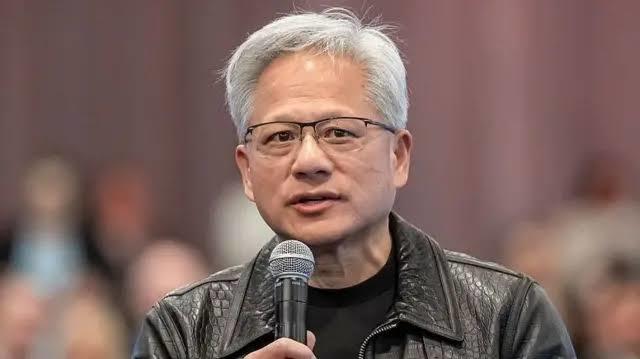
Jensen Huang

Jensen Huang and Alice Huang
That turns an apology into a business question. Huang and his wife Lori had spent more than forty years as one of Silicon Valley’s rare stability stories. But under a trillion-dollar market value, and with GPU supply treated like a lifeline for AI companies, the Nvidia board cannot treat the matter as private only.
What is Nvidia’s board actually checking?
The short answer: the board is checking whether private contact, customer relationships and disclosure failures created a conflict of interest, a compliance breach or a security exposure.
- Customer overlap: Alice Huang is linked to Megaspeed, a Nvidia customer in Singapore.
- Decision fairness: if compute allocation or commercial terms were influenced, the issue is corporate, not marital.
- Investor confidence: Nvidia’s board said it has confidence in Huang’s leadership, while an independent committee of outside directors with external counsel is reviewing reports, including claims that he was a target of a foreign intelligence effort.
- CEO continuity: the company has not announced a leadership change.
See the NVIDIA Board statement. This is the factual boundary: allegations are not findings.
Bill Ackman’s public reaction also shows why tone matters: “Even outstanding people make mistakes, and he has taken full responsibility.” The question for investors is less about apology than about what the independent counsel finds.
Why CEO private life can become a company problem
CEO scandals become company problems through four channels: equity division, customer or employee conflict, leverage or coercion, and key-person risk. History shows these channels are rarely theoretical.
1. Equity and family assets
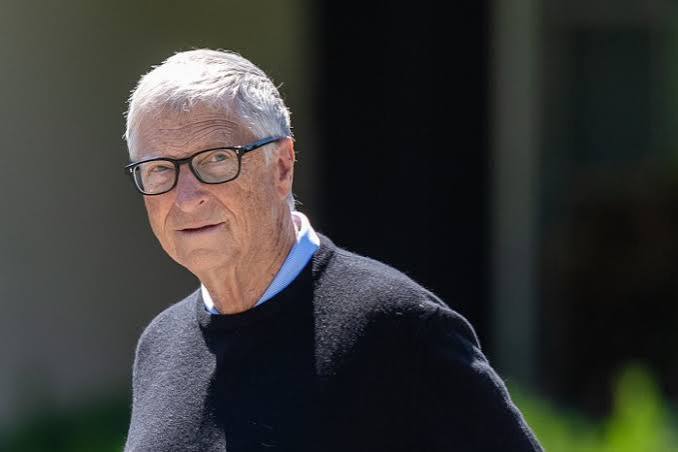
Bill Gates
Microsoft co-founder Bill Gates and Melinda French Gates spent 27 years building a stable philanthropist image before announcing their divorce in May 2021. Because they had no prenuptial agreement, the division of about $130 billion in joint assets forced Wall Street to pause. The hidden issues only surfaced fully in 2026.
At a Gates Foundation all-staff meeting in February 2026, the 70-year-old Gates acknowledged affairs with two Russian women and disclosed that in the 2021 divorce proceeding he had been accused of more than 20 affairs. In a June 10, 2026 closed hearing before the US House Oversight Committee on Jeffrey Epstein, his 138-page testimony addressed three affairs: Russian bridge player Mila Antonova, met around 2010; Karima Nigmatulina, an MIT-educated Russian nuclear physicist who worked at TerraPower; and Alice Jacobs Nesselrode, an American health entrepreneur with a Harvard medical degree. Gates also said Epstein had sensitive information and used funding for Antonova’s programming to pressure him into continued contact. The matter lasted several years, damaged the Gates Foundation reputation and led to an external review in 2026.

Bill Gates and Mila Antonova
2. Customer and employee conflict lines

Jeff Bezos
Jeff Bezos’s case is often remembered as a personal scandal, but the business number is stark. In 2019, tabloid reporting exposed his affair with Lauren Sánchez, a friend of his ex-wife MacKenzie Scott, ending a 25-year marriage. Bezos then had personal wealth of $137.2 billion; MacKenzie received 4% of Amazon, then worth about $38 billion, making her the third-richest woman.
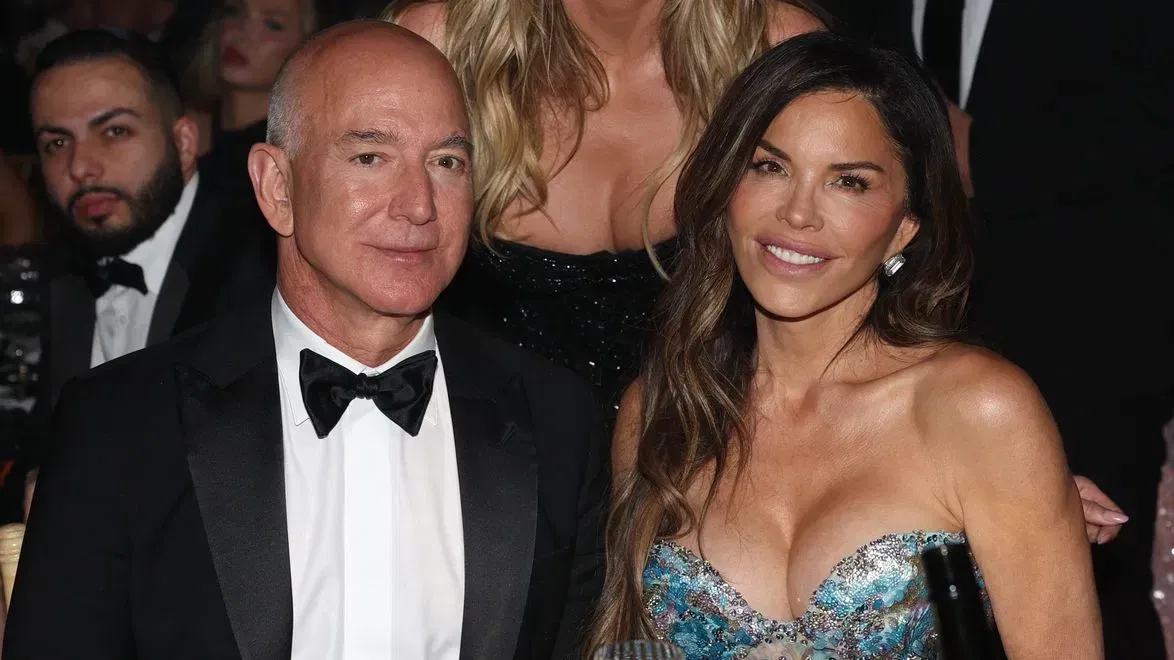
Jeff Bezos and Lauren Sánchez
Bezos kept control through voting arrangements, but the $38 billion split became a textbook case of how founder morality is priced as risk.
3. Alliance breakdown and distraction
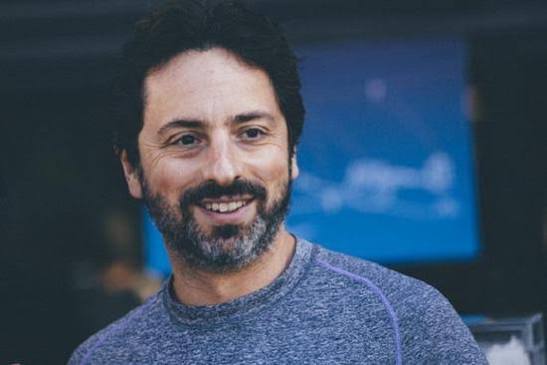
Sergey Brin
Sergey Brin first became the betrayer. In 2013 he separated from Anne Wojcicki, founder of 23andMe, after eight years of marriage; they divorced in 2015. The crisis followed his affair with Amanda Rosenberg, a woman in the Google Glass division who was also a friend of Wojcicki. Because a prenuptial agreement existed, Google’s ownership structure was not materially shaken.

Amanda Rosenberg
Eight years later, Brin was on the receiving end. In early December 2021, as he and Nicole Shanahan faced pandemic and parenting strain, The Wall Street Journal reported that Elon Musk had had a brief affair with Shanahan during Art Basel in Miami. Musk and Brin had been close: during the 2008 financial crisis, Brin helped Tesla when it was near bankruptcy, and in 2015 Musk gave Brin one of the first Tesla all-electric SUVs. After the report, Brin filed for divorce in January 2022 and asked advisers to sell his personal investments in Musk’s companies. Media later reported Musk once publicly knelt to seek Brin’s forgiveness, while Musk called the accounts “nonsense.” The rift between two founders proved hard to repair.
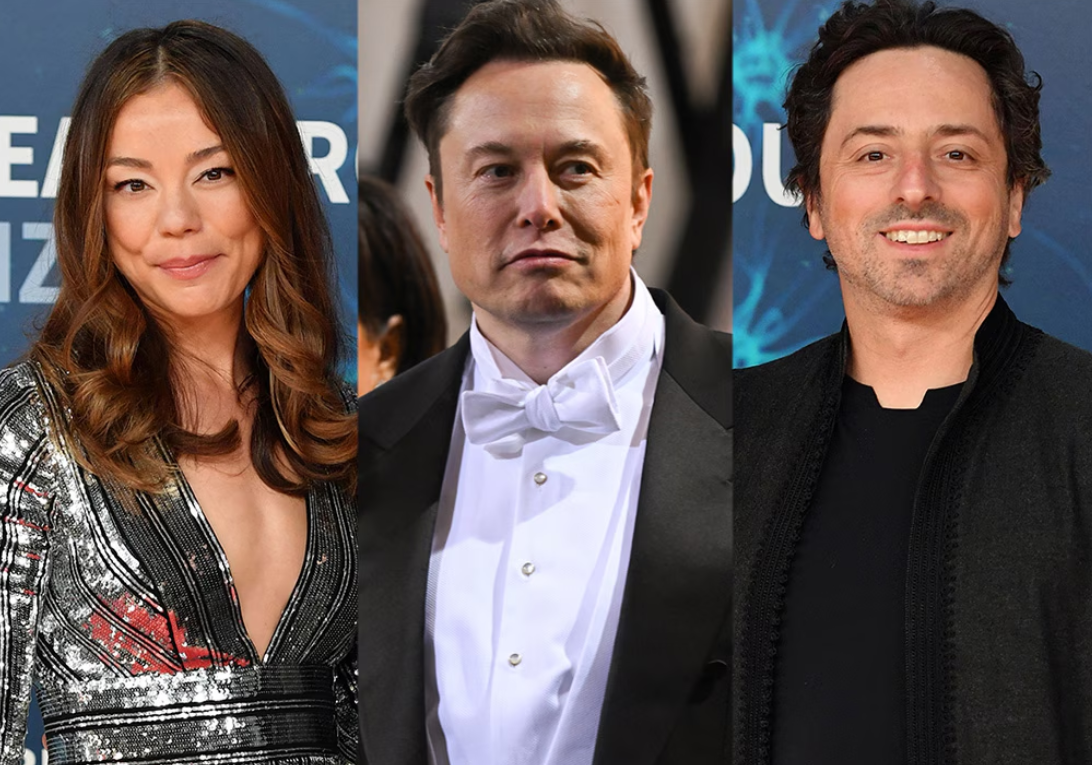
Elon Musk and Sergey Brin
At the same time, Musk was reported to have a pair of twins with a Neuralink female executive, raising investor questions about how his attention was being divided.
4. Where the firing line is
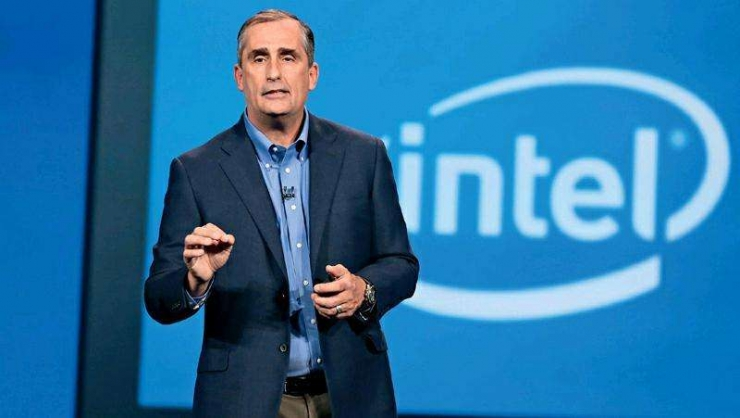
Brian Krzanich
The line that ends careers is usually policy, not pity. Brian Krzanich stepped down from Intel on June 21, 2018, when the company released second-quarter earnings guidance. Internal review found a past consensual relationship with one Intel employee, breaching Intel’s rule against intimacy between managers and direct or indirect reports.

The Intel employee relationship at issue in the Brian Krzanich case
Andy Rubin, known as Android’s father, shows the other side of governance failure. In October 2018 The New York Times reported that Google had concealed allegations against him when he left in 2014 and paid him a $90 million exit package. Google employees then joined global walkout protests, forcing a broader review of executive privilege and mandatory arbitration.
Step-by-step: how to read the Nvidia probe in 10 minutes
Use the same checklist whether you are an employee, investor or business customer.
- Identify the entity: Nvidia, the board, an independent committee, external counsel, and the customer company Megaspeed.
- Separate the apology from the allegation: Huang admitted unfaithfulness; the independent investigation concerns reports that he may have been targeted by a foreign intelligence effort.
- Map the conflict: Is the other party an employee, customer, supplier or regulator-linked actor? Here the key fact is that Alice Huang is connected to Megaspeed, a Nvidia customer.
- Check governance continuity: Has the CEO remained in the role? Has the Nvidia board said it retains confidence?
- Wait for evidence, not emotion: Look for the scope of review, whether trading or business decisions are disclosed, and whether remedial changes follow.
- Compare with precedent: Bezos changed equity but kept control; Krzanich left after a policy breach; Gates and Huang show that reputational risk is not the same as compliance risk.
Board-governance guides make the same point: succession and continuity belong in the risk model, not in the gossip column. Diligent’s 21-step succession planning checklist for boards emphasizes emergency successor plans and regular refreshes.
Nvidia versus earlier cases: a comparison table
| Case | Governance trigger | Business effect | Reader lesson |
|---|---|---|---|
| Jensen Huang / Alice Huang | Personal relationship with Megaspeed executive; foreign-intelligence reports | Independent review; CEO continues; customer-decision fairness in focus | Watch conflict-of-interest findings |
| Bill Gates | Epstein leverage, 138-page testimony | Foundation reputation and external review | Private information can become external leverage |
| Jeff Bezos | Divorce after affair | 4% Amazon shares, about $38 billion | Equity division can be large without control loss |
| Sergey Brin / Elon Musk | Affair involving spouse of longtime ally | Investment disengagement; public friendship damage | Trust networks affect business signaling |
| Brian Krzanich | Consensual relationship with Intel employee | Resignation during second-quarter disclosure | Internal policy can be fatal even when consensual |
| Andy Rubin | Google exit package and misconduct allegations | $90 million package; walkouts | Concealment can amplify culture risk |
Common pitfalls
- Treating an investigation as proof.
- Focusing on marriage while ignoring customer conflict.
- Assuming a board confidence statement means no risk.
- Reading every CEO private story as a successor crisis; the key is whether the board has an emergency plan.
- Letting sympathy or anger replace fact-checking.
FAQs
Is the Nvidia investigation only about Jensen Huang’s affair?
No. The public trigger was his apology memo, but the board’s independent review is connected to reports that he was targeted by a foreign intelligence effort, plus scrutiny over Alice Huang’s link to Megaspeed.
Will Nvidia’s business stop?
There is no announced stop. The Nvidia board said it has confidence in Huang and his leadership team. The practical risk is whether business decisions, disclosure and customer relationships are affected.
Why compare Jensen Huang with Brian Krzanich?
Because Krzanich left Intel in 2018 after a consensual relationship breached company rules. That case shows that a CEO can survive a personal scandal but cannot always survive a compliance violation.
Does Nvidia have a succession issue?
The question is now visible. If you follow succession and leadership coverage, treat it as a governance test: does the company have enough visible executives and a stable plan to run without relying on one founder?
Action advice
Decades of Silicon Valley history, from Gates to Krzanich, suggest that a founder’s private life matters when it becomes a control problem. For readers, do three things: keep a list of confirmed facts, compare each new claim with precedent, and wait for the investigation scope or remedial measures. Do not let moral judgment outrun evidence.