
ItInsightsWorld General | Pure-Electric Aircraft Compared: What Separates a 27-Minute Demo Flight from Scheduled Passenger Service?
By James Hartley · IT Insights
Battery-powered flight is not waiting for its first take-off; it is waiting for its first real timetable. Pure-electric aircraft already hold type certificates in two-seat and four-seat training roles, a nine-seat commuter demonstrator has flown, and the largest machine built for the purpose stayed airborne for 27 minutes. What nobody has done is move 100-plus fare-paying passengers between cities on schedule, with payload and reserves. That gap, not the flying, decides who should get excited and who should wait.
In the past few days, a handful of photographs said to show COMAC's CE-25A electric demonstrator pushed the question back into the open. The images spread quickly; the aircraft's official flight status has not been confirmed. Even so, the documented record of every comparable programme is enough to line them up and compare them honestly.
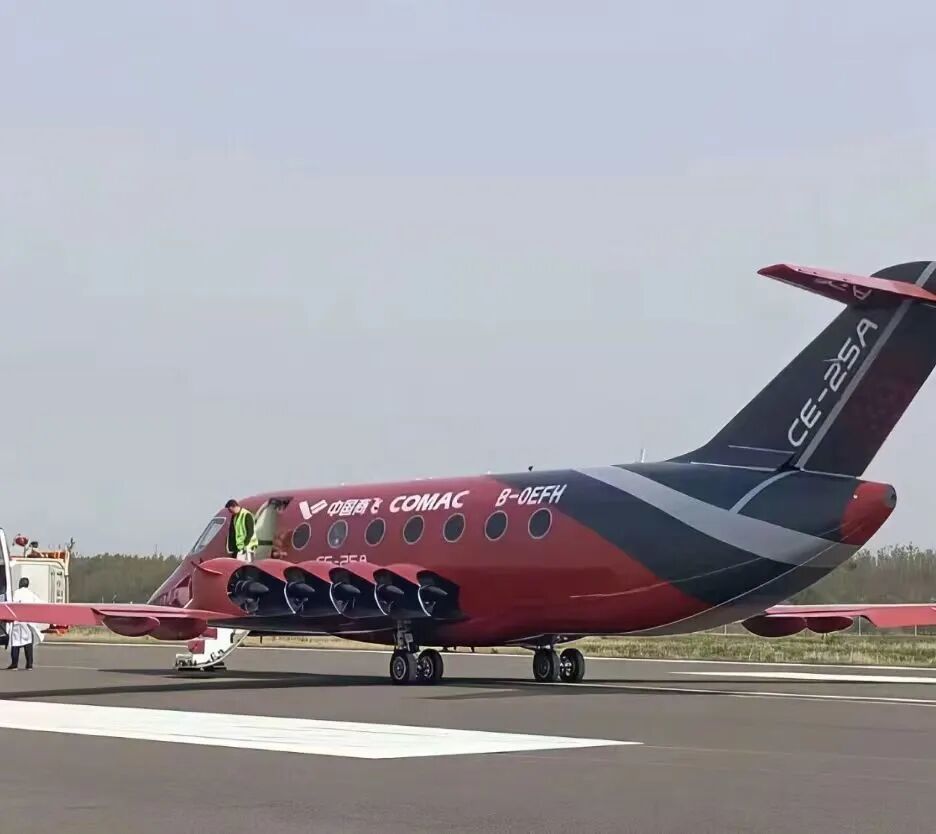
Photographs circulated in recent days and described as COMAC's CE-25A demonstrator; its actual flight status still awaits formal disclosure.
What counts as a pure-electric aircraft — and what does not
Conclusion first: this comparison covers pure-electric aircraft only, meaning machines that store energy in on-board batteries and take all thrust from electric motors.
Hybrid designs that burn fuel to generate electricity, and aircraft driven by hydrogen fuel cells, share much of the same motor, inverter and flight-control technology, but their storage problem is different. Their range figures therefore do not belong in the same column of a purchasing table, and a headline about one cannot be borrowed as evidence for the other.
Is battery-powered flight new? A timeline you can verify
No — it is older than the aeroplane itself. Writing in 1886 in La Navigation Aérienne, the French aeronaut Gaston Tissandier recorded that in early 1881 the success of electric boats had given him the idea of putting an electric motor to work in the air, and that a model electric airship was shown at that year's Paris Electrical Exhibition.
On 8 October 1883 he flew an electric airship with his brother Albert, an account that comes from the participant's own book and predates the Wright brothers.
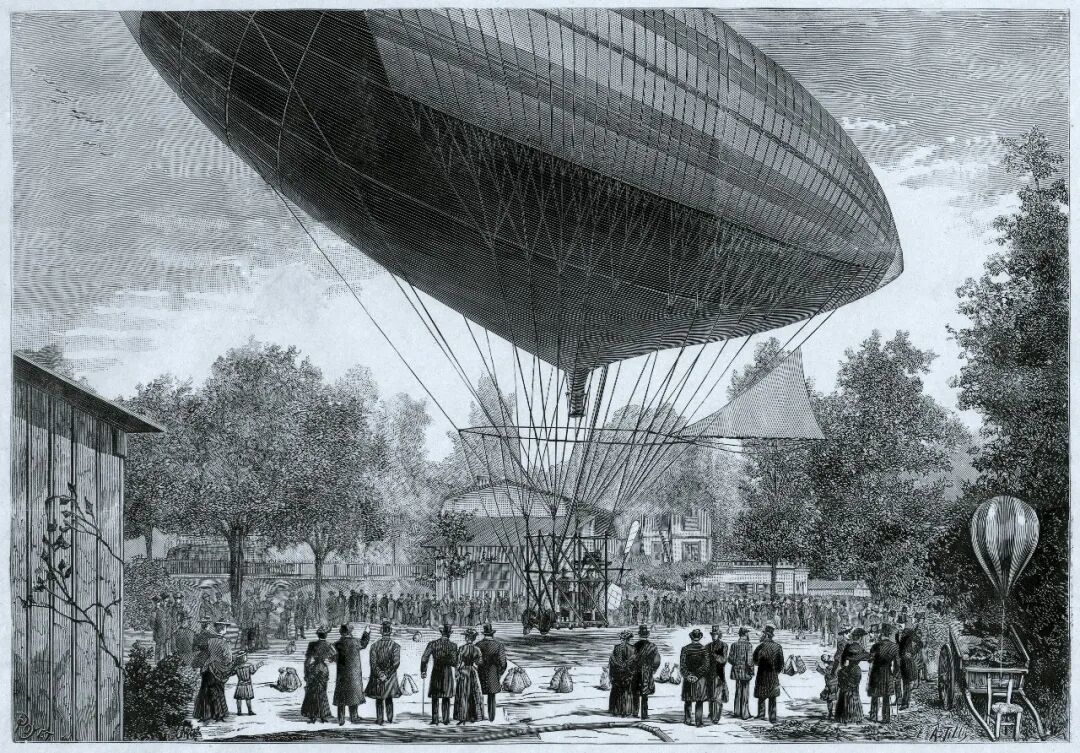
Contemporary wood engraving of the Tissandier brothers launching their electric airship from Auteuil, Paris, on 8 October 1883.
One caveat keeps the comparison fair: an airship is lifted by buoyancy, while a wing-borne aircraft buys lift with energy on every second of the flight.
The fixed-wing milestone has a date. On 21 October 1973 the MB-E1, developed by the German model-aircraft engineer Fred Militky together with Heino Brditschka, flew in Austria on nickel-cadmium cells for about 9 minutes; the Fédération Aéronautique Internationale later recorded a flight of about 15 minutes.
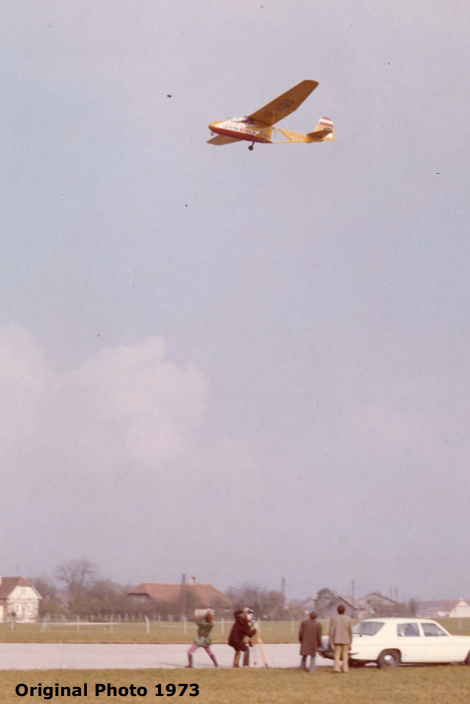
The 1973 MB-E1: a battery-fed, crewed, wing-borne flight lasting roughly 9 minutes.
People proved that batteries could carry a pilot more than half a century ago. Everything since has been an argument about usefulness, not about possibility.
Where Europe and North America moved first
Europe chose the small-aircraft path. In 2015 Airbus flew its pure-electric E-Fan demonstrator across the English Channel, and on 10 July 2015 the flight closed with a landing at Calais in France.
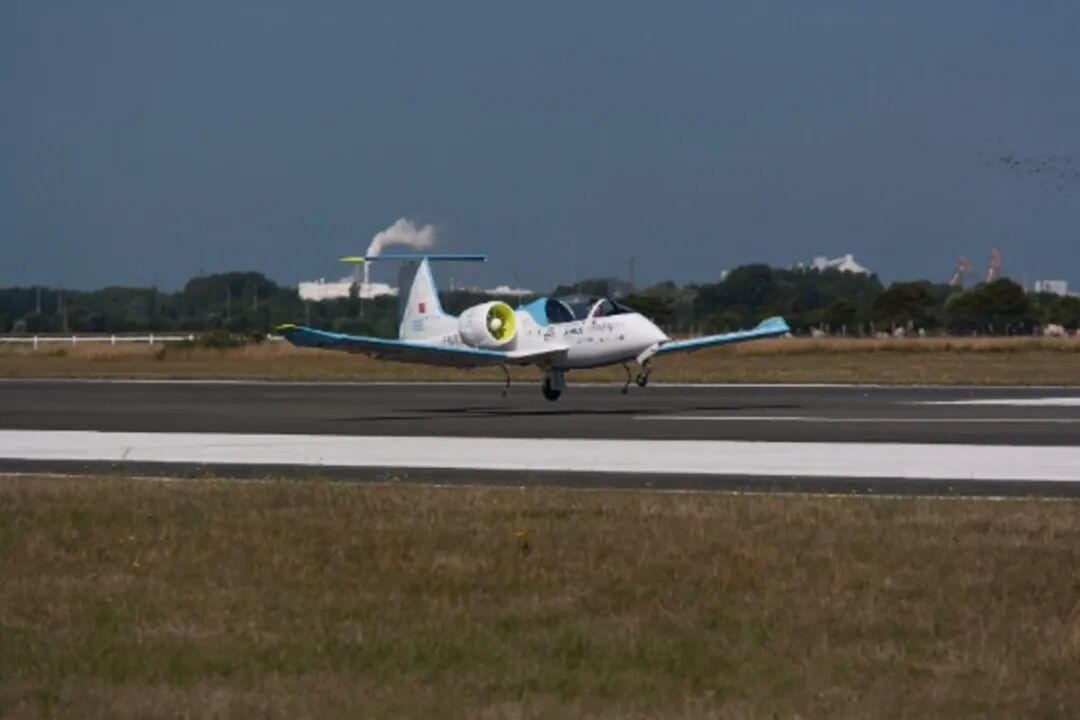
Airbus's E-Fan after crossing the English Channel, touching down at Calais on 10 July 2015.
Certification, not flying, was the harder step. In June 2020 the European Union Aviation Safety Agency issued Pipistrel's two-seat Velis Electro the first type certificate ever granted to a fully electric airplane; the agency's own certificate data sheet dates it 10 June 2020 under reference EASA.A.573. Endurance is published at up to about 50 minutes plus the reserve that visual flight rules demand, and the aircraft is sold mainly into pilot training. EASA framed the approval as a first step toward commercial use of electric aircraft.
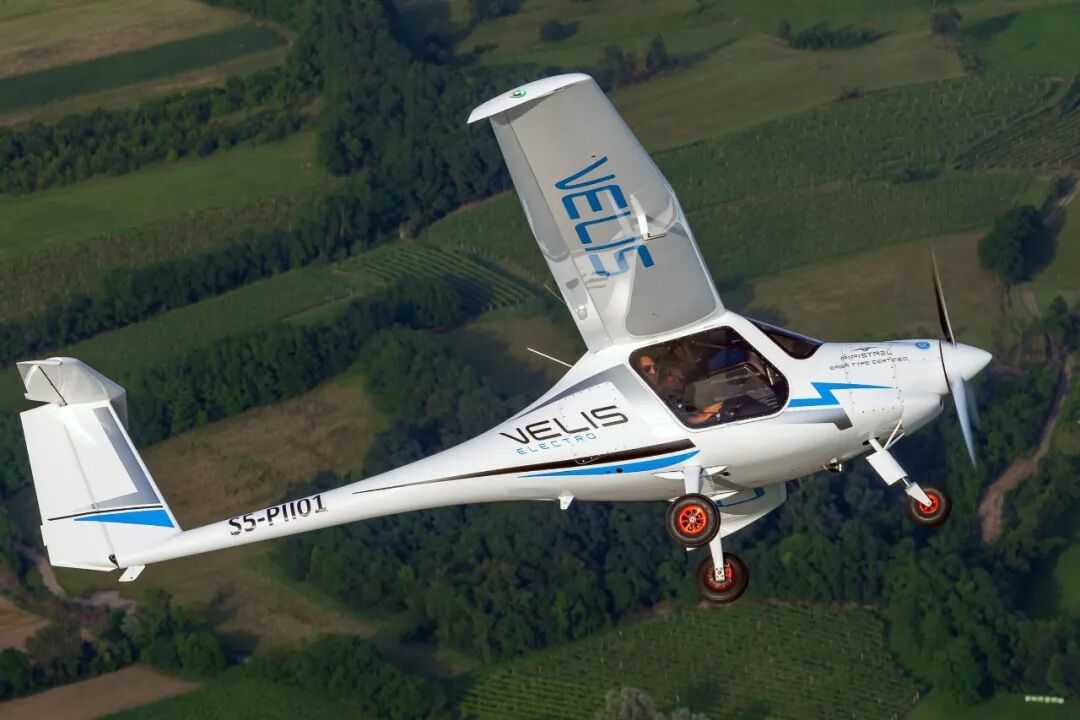
Pipistrel Velis Electro, EASA type-certified in June 2020 and working today as a flight-school airplane.
For a machine that shuttles trainees around an airfield, that is already useful. As a substitute for an airliner, it is not close.
North America attacked the same problem from two directions. Canada's Harbour Air, with magniX, converted a DHC-2 Beaver floatplane, which first flew on battery power in 2019. Eviation instead designed from a blank sheet: Alice, a nine-seat commuter concept, flew for roughly 8 minutes at Moses Lake in the United States on 27 September 2022.
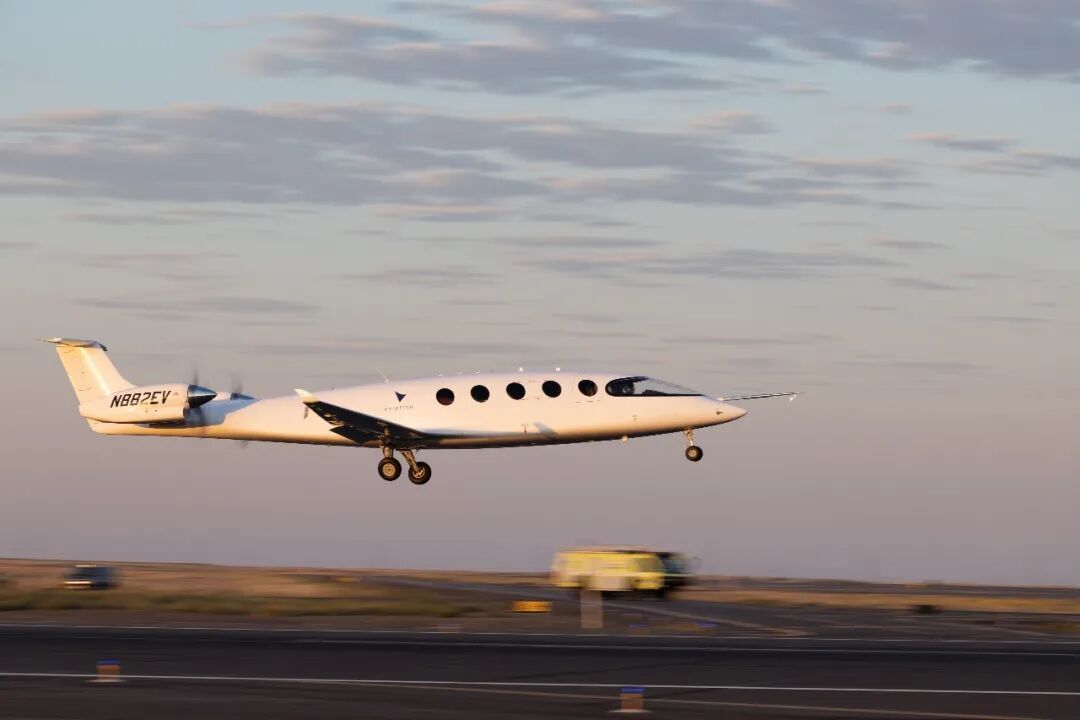
Eviation's Alice lifts off at Moses Lake, United States, on 27 September 2022 for a first flight of about 8 minutes.
Retrofit and clean-sheet design are different bets, but the reading is the same: a first flight proves a technical step, never a scheduled service.
The biggest machine so far — and the programme that stalled
Scale has moved up sharply. Heart Aerospace presented its X1 in 2024 as a full-scale demonstrator with a 32-metre wingspan for the ES-30 programme. The 30-seat cabin, 200 km pure-electric range and 400 km hybrid range published at the time are proposals for the planned ES-30; they are not performance that X1 has demonstrated with fare-paying traffic.
Heart's own August 2026 announcement puts X1's take-off weight above 25,000 lb, roughly 11.3 tonnes, and describes 27 minutes flown on battery power alone. Additional detail in the company's release: the piloted flight took place on 12 August 2026 at Plattsburgh International Airport in New York state, and founder and CEO Anders Forslund described it as demonstrating "electric flight at the scale of a commercial airliner" — a statement about a demonstrator, not about airline service. By September the company had shifted its headline product to a 36-seat ES-36, with a pure-electric target of about 200 km and longer legs supported by gas-turbine generated power, planned into service in 2031.
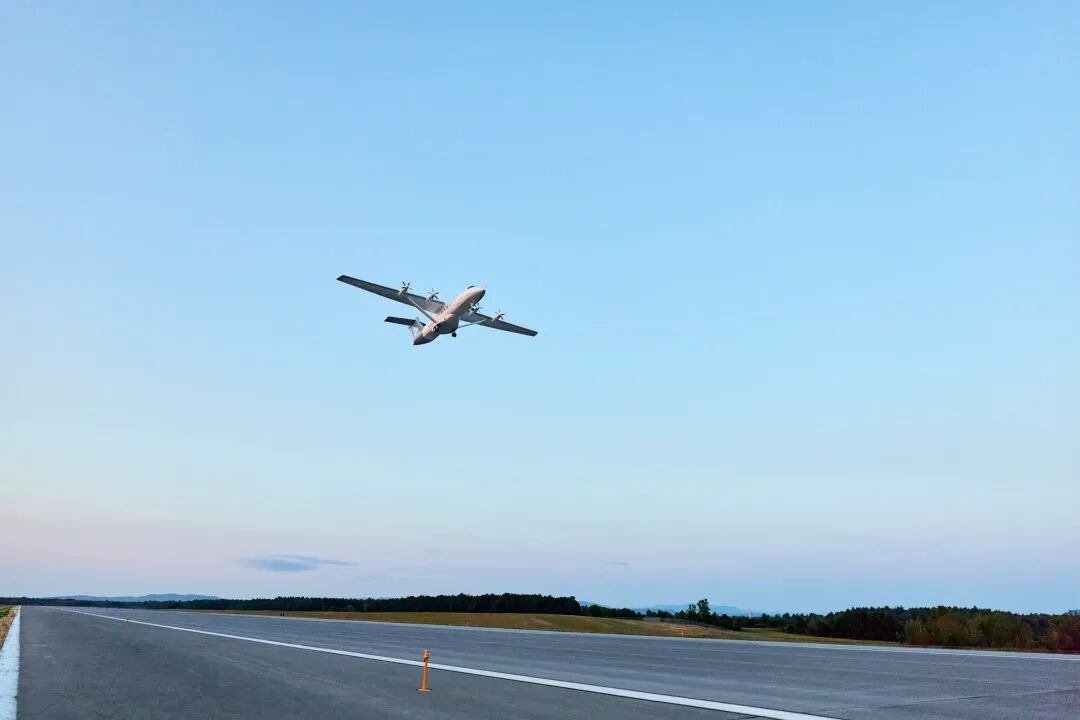
Heart X1 climbing on its first flight in August 2026. It is a technology demonstrator: ES-30 and ES-36 figures cannot be transferred to it.
The instructive counter-example is NASA's X-57 Maxwell, built to prove distributed electric propulsion and closed out in 2024 without ever flying. NASA attributed the decision to problems with experimental hardware, the supply of key components and the remaining programme window, while keeping the battery and electrical-system research available to the field.
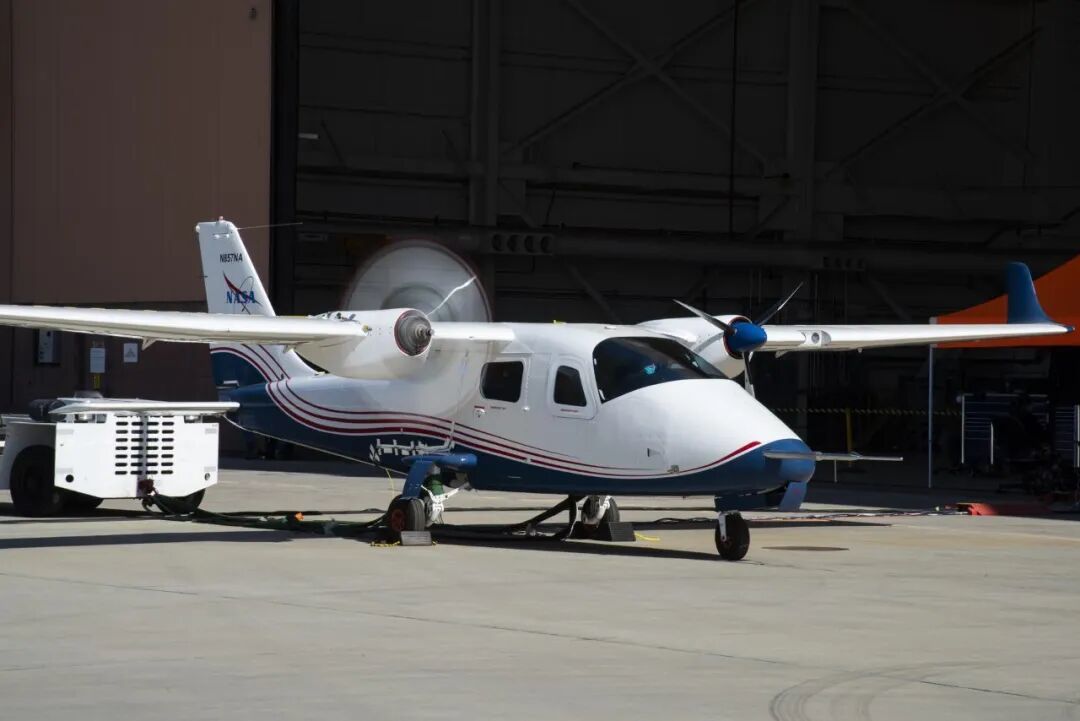
NASA's X-57 Maxwell during high-voltage ground testing on 15 April 2021 at the Armstrong Flight Research Center in California.
That contrast is the cleanest comparison available today: motors turning and an entire aircraft meeting safe-flight conditions are separated by a long engineering tail.
China's ladder: certified trainers first, a 19-seat commuter next
Read at programme level, China's record is strongest at the small end and still provisional at the commuter end.
The two-seat Ruixiang RX1E, developed by a team at Shenyang Aerospace University led by Yang Fengtian, first flew in 2013 and gained a type design approval plus a production licence in 2015. The four-seat RX4E was awarded a Civil Aviation Administration of China type certificate on 29 December 2024, reviewed against CCAR-23 normal-category airworthiness requirements; industry reporting at the time recorded certificate number 0095A. In early 2024 the general aviation arm of AVIC completed the first flight of its two-seat AG60E electric demonstrator.
Published RX4E specifications: 1,260 kg maximum take-off weight, a 70 kWh battery pack, and a quoted maximum endurance of 1.5 hours. In September 2025 the first RX4E rolled off final assembly in Yanqing, Beijing — evidence that small electric aircraft have reached manufacturing and daily use, mostly in training and sightseeing.
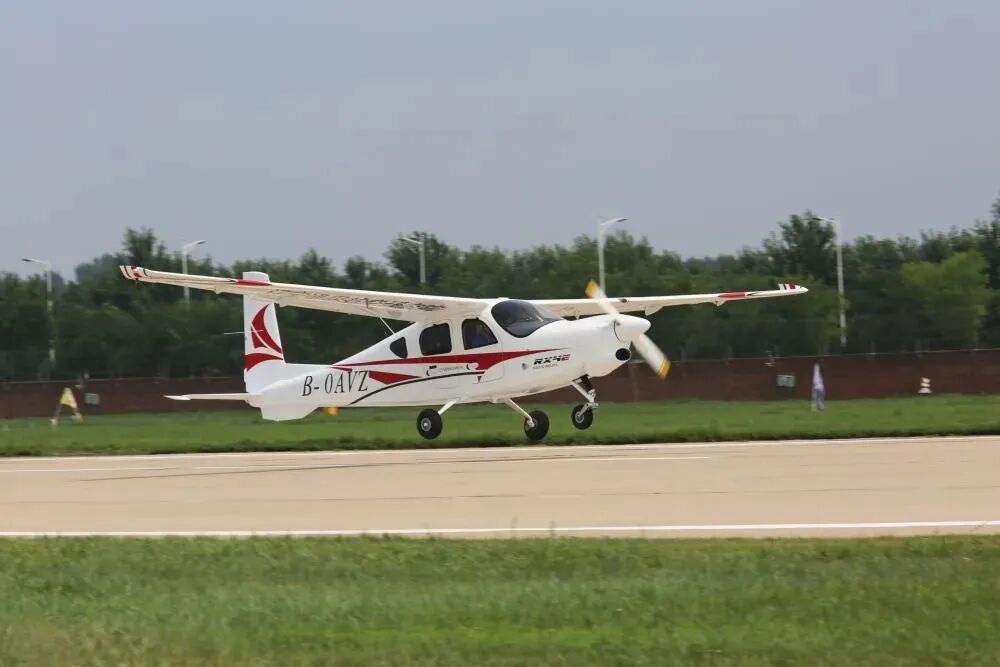
The four-seat RX4E from Shenyang Aerospace University, type-certified by the CAAC on 29 December 2024. Photo: Shenyang Aerospace University.
Those marketing numbers need one discount: a maximum endurance figure is not sellable block time with full payload and reserves for an alternate airport.
The bigger prize is CE-25A, unveiled to the public at the China International Import Expo in 2023. The published outline is 19 seats, a design range of 400—500 km, a cruise speed of about 400 km/h and ducted fans integrated into the wing for distributed electric propulsion.
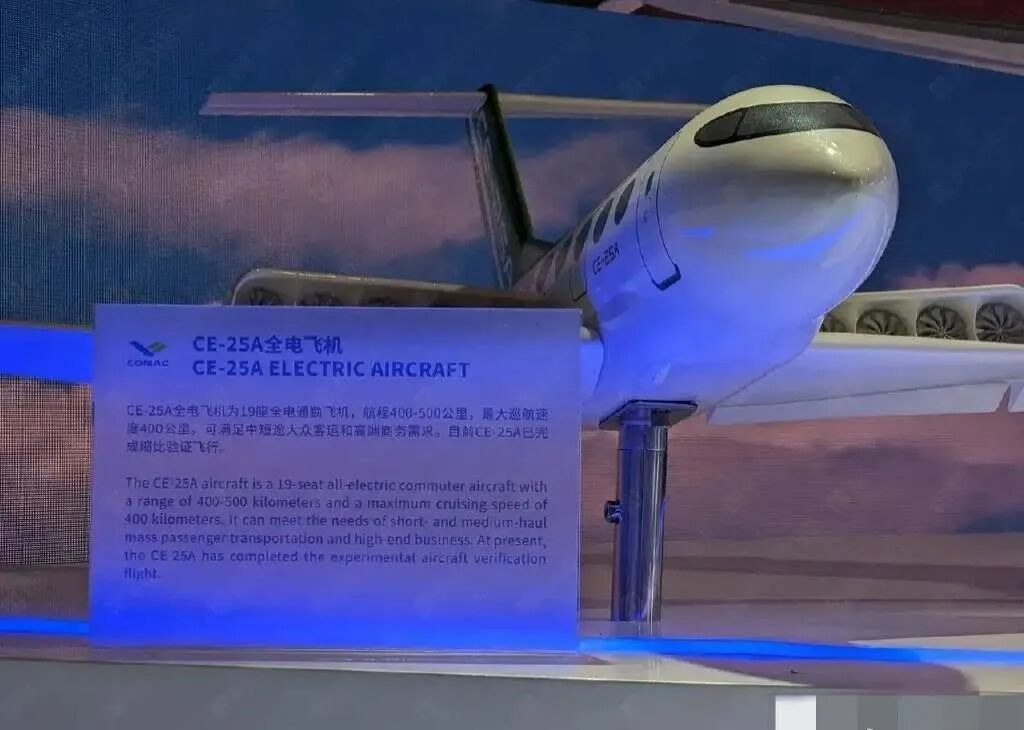
A 2025 paper in Chinese Engineering Science, the journal of the Chinese Academy of Engineering, records that a scaled demonstrator had completed verification flying. In the same year, COMAC's northern research centre issued a tender covering airframe structural test analysis for CE-25A Unit 0. Together these confirm the programme and its verification work; whether the aircraft in the recently circulated photographs has actually flown still needs official disclosure.
Nineteen seats is the interesting number, because it matches genuine small-commuter demand. But 400—500 km remains a design target, and payload, reserve power and battery ageing all still need proof.
The scorecard: nine programmes side by side
| Programme | What it is | Published figures | Where it stands | What it really proves |
|---|---|---|---|---|
| Airbus E-Fan | Two-seat technology demonstrator | English Channel crossing, 10 July 2015 | Demonstrator only, no follow-on product | Battery aircraft can handle a real over-water segment once |
| Pipistrel Velis Electro | Two-seat trainer | EASA.A.573 certificate of 10 June 2020; up to about 50 minutes plus VFR reserve | Certified, flying with schools | Certified electric aviation already exists — in training |
| Harbour Air with magniX | Converted DHC-2 "Beaver" floatplane | First electric flight in 2019 | Proof of conversion route | Existing airframes accept electric drivetrains |
| Eviation Alice | Nine-seat commuter concept | About 8 minutes airborne, 27 September 2022 | Demonstrator | Clean-sheet electric cabins are buildable |
| Heart Aerospace X1, then ES-30 / ES-36 | Full-scale demonstrator feeding a regional design | 32 m wingspan; above 25,000 lb, about 11.3 tonnes; 27 minutes on batteries; 2031 service goal | Flew on 12 August 2026 | Electric hardware now exists at airliner weight, not airline service |
| NASA X-57 Maxwell | Distributed electric propulsion testbed | High-voltage ground test, 15 April 2021 | Closed in 2024, never flew | Supply chains and schedules, not motors, decide outcomes |
| Ruixiang RX1E / RX4E | Two-seat, then four-seat light aircraft | RX1E first flight 2013; RX4E certificate 29 December 2024; 1,260 kg, 70 kWh, 1.5 hours | Certified and in production | Electric aircraft earn money today in instruction and tourism |
| AVIC AG60E | Two-seat electric demonstrator | First flight in early 2024 | Testbed | State industry is standardising the electric trainer |
| COMAC CE-25A | 19-seat commuter concept | 400—500 km design range, about 400 km/h cruise | Revealed in 2023; scaled verification flying recorded in 2025 | Commuter-scale ambition, with the headline test still unconfirmed |
Why two seats, 19 seats and 100-plus seats are three different problems
There is no single battery threshold that makes electric airliners possible. The barrier is the same physics, applied at three very different weights.
- Energy per kilogram. Fossil jet fuel carries about 12,000 Wh/kg, close to 50 times today's lithium-ion cells, according to figures compiled by the International Council on Clean Transportation. Electric motors are far more efficient than turbines, but that advantage does not close a gap of that size.
- Mass that never leaves. Burned fuel goes out of the aircraft as energy is used; the electricity in a battery stays behind as weight. Adding cells raises range, removes passenger and baggage allowance, and has to be carried the whole flight.
- Cells are not systems. Announcements from CATL and other suppliers report real progress in cell chemistry and aviation validation, but press figures are usually cell-level. Protection, cooling and management hardware decide how much weight is actually saved in the airframe.
- Reserve power is not optional. No aircraft may plan on "just enough charge to reach the destination": bad weather can mean holding, diverting or a go-around at the end of the flight, when the battery is already depleted. Thermal-runaway protection and high-voltage reliability do not relax because range improved.
Certification adds a fourth, uneven dimension. Europe certified the Velis Electro under its light-aircraft rules with the E-811 motor approved weeks earlier; United States practice routes small electric aeroplanes through 14 CFR Part 23, which covers aircraft with 19 passengers or fewer and is patched model by model with published "special conditions", as the Federal Register shows for electric motors in December 2024; China applied CCAR-23 to the RX4E. Three regimes, three timetables — which is why a certificate in one market does not translate automatically into another.
Tiers of difficulty, compared
| Class | Energy per leg | Binding constraint | Available to a buyer now? |
|---|---|---|---|
| Two-seat trainer | A few kWh, recharged between lessons | Charger availability, cell ageing, cold weather | Yes — certificates exist on two continents |
| Nine to 19-seat commuter | Tens of kWh plus heavier structure | Payload, reserve charge, turnaround time, certification | Demonstrators fly; no scheduled service |
| 30 to 36-seat regional | Beyond today's cells on batteries alone | Hybrid fallback, turbine-generated power, maintenance cost | Service goals only, 2031 at the earliest |
| 100-plus-seat airliner | Masses that current chemistry cannot supply | A step-change in aviation battery systems | No credible date from anyone |
What a battery-electric flight really costs
Once the physics is survived, airlines still do arithmetic. Electricity is the cheapest line in the budget: flight-school operators put energy for an electric trainer at a handful of dollars per flight hour against tens of dollars in avgas for a comparable piston trainer. That is why training is the first market that pays.
The rest of the ledger is harder. Battery replacement cycles, charging time on the apron and the price of high-power ground supply all land on the cost per flight. Much-cited coverage of the X1 flight quoted roughly $5 worth of electricity — an energy-only number that excludes maintenance, crew, airport charges and amortised cells.
Infrastructure is the least discussed constraint. Small airfields were built around fuel trucks, not megawatt sockets. A National Renewable Energy Laboratory study of electrified regional operations assumed aircraft could charge at up to 3 MW and finish within about 15 minutes, treated as the realistic turnaround window; anything slower turns a cheap flight into an expensive aircraft, because the machine earns nothing while plugged in.
Ask instead: how many rotations can an airfield support per day at its actual grid capacity? Until that answer exists, "operating cost 40 percent lower" remains a design claim rather than a purchased outcome.
Which missions win first — and which should be crossed off
The pattern is consistent across every programme above: batteries are paid for by mission, not by maximum range.
- Wins first: flight training and sightseeing, where aircraft circle one airfield, recharge between sorties and carry little beyond one or two people.
- Wins next: commuter links between smaller cities, island hops, and places where roads detour badly or passenger volume cannot support a turboprop.
- Loses: short city-pair routes already served by convenient high-speed rail. Swapping batteries for fuel does not by itself pull those travellers back to an airport.
- Not on the table: long-haul trunk routes, which stay with kerosene, sustainable fuels and hydrogen research for a long time.
This constrained-route-first logic is not unique to aviation. We applied the same test when comparing unmanned delivery vehicles with human couriers: new traction technologies earn their keep on defined, repeatable missions long before they take on open competition.
Six misconceptions that inflate every electric-aircraft headline
- "Largest ever" read as "ready to sell tickets". X1 is a technology demonstrator, not a product.
- Programme brochures read as measured results. Seats and kilometres quoted for ES-30 or CE-25A are design targets until flight testing proves them.
- Cell records read as aircraft range. System weight, cooling and reserve power sit between the laboratory and the passenger.
- Electricity price read as operating cost. Batteries, chargers, downtime and airport supply are the real bills.
- Car range logic applied to aeroplanes. Weight, redundancy and certification rules are different by design.
- A taxi or ground test reported as a certification milestone. The distance from prototype to type certificate is measured in years.
Checklist: how to judge the next battery-plane announcement
- Identify the class: two-seat trainer, 19-seat commuter, 30-plus regional, or 100-seat airliner. Each answers a different physics question.
- Separate demonstrated figures from design targets, and check whether payload and reserves are quoted.
- Ask which authority certified it, against which standard, and whether other regulators accept that certificate.
- Look for system-level rather than cell-level energy figures.
- Ask what the turnaround charging power is at the specific airport, and who pays for the grid upgrade.
- Price the battery over its service life, not just the electricity for one flight.
- Track three dates rather than headlines: Heart's 2031 service goal, CE-25A's first official flight statement, and the next certified cabin above 19 seats.
FAQ: what readers search before believing the news
Can I book a battery-electric flight today?
You can fly on one, but usually as a student or a passenger on a sightseeing or training sortie. Certified types include the two-seat Velis Electro in Europe and the four-seat RX4E in China. Scheduled airline service with fare-paying passengers on a published timetable is not available anywhere.
How large an aircraft has actually flown on batteries alone?
Heart Aerospace's X1, whose take-off weight exceeded 25,000 lb (roughly 11.3 tonnes), flew 27 minutes on battery power on 12 August 2026. It carried a crew, not passengers, and it remains a demonstrator.
Why can CE-25A's 400—500 km range not simply be extended by adding cells?
Because added cells consume the payload that would have carried passengers and baggage, and the mass stays with the aircraft all flight. Range, payload and reserve power trade against each other until cell chemistry changes substantially.
What would count as real evidence that the technology is close?
Three things: a public first flight of a full-size 19-seat commuter demonstrator, a type certificate issued for a cabin above 19 seats, and a scheduled operator publishing turnarounds that fit charging into its timetable.
The bottom line
Compared honestly, the field divides into what has already been certified and sold, what has flown as a demonstrator, and what remains a brochure. Pure-electric aircraft are past the point of proof in training and light utility; they are unproven in commuter service; and a 100-plus-seat scheduled airliner has no reliable date from anyone.
The reasonable position is interest without impatience. Small aircraft are opening the road, and every kilogram of system weight they remove teaches the next class something.
Expect a real electric flight today if your mission is one or two people, a short leg and a charger at the end. Waiting is still the answer for the rest of us: we want the battery aircraft that leaves with passengers, luggage, generous reserve margins and an on-time record — landing safely today and departing again tomorrow.
References
- Heart Aerospace, "Heart Aerospace Completes First Flight of World's Largest Electric Aircraft", 13 August 2026 — https://www.heartaerospace.com/newsroom/heart-aerospace-completes-first-flight-of-world-s-largest-electric-aircraft
- EASA Type Certificate Data Sheet EASA.A.573, Pipistrel Velis Electro, certified 10 June 2020 — https://www.easa.europa.eu/en/downloads/20704/en
- International Council on Clean Transportation, "What to expect when expecting electric airplanes", July 2022 (jet fuel specific energy of about 12,000 Wh/kg) — https://theicct.org/aviation-global-expecting-electric-jul22/
- NREL, "Impacts of Regional Air Mobility and Electrified Aircraft on the U.S. Electric Power System", 2023 (charging power and turnaround assumptions) — https://www.nrel.gov/docs/fy23osti/84176.pdf
- Federal Register, Special Conditions: Safran Electric & Power ENGINeUS 100A1 electric engines, 27 December 2024 — https://www.federalregister.gov/documents/2024-12-27/2024-30855/special-conditions-safran-electric-and-power-sa-model-engineus-100a1-electric-engines
- Simple Flying, "China Certifies Its First All-Electric General Aviation Aircraft", January 2025 (CAAC type certification of the RX4E on 29 December 2024) — https://simpleflying.com/china-certifies-first-electric-aircraft/
- Urban Air Mobility News on LGAA's RX4E certificate number 0095A — https://www.urbanairmobilitynews.com/fixed-wing-low-zero-emissions/lgaas-rx4e-becomes-world-first-electric-aircraft-certified-for-commercial-use/
- Wikipedia, "Electric aircraft" (MB-E1, 21 October 1973) — https://en.wikipedia.org/wiki/Electric_aircraft