
Adobe MAX 2026 Sneaks Decoded: Agentic AI, Brand Governance and the Road to a Digital Partner
Adobe used the Sneaks experimental showcase at its MAX conference this year to sketch the shape of an intelligent creative assistant: software that reads design intent, plans multi-step work across Photoshop, Premiere Pro, Illustrator and Firefly, and behaves less like a passive tool than like a digital partner. The demos, presented at MAX 2026 in Miami Beach on November 10-12, carry no shipping commitment. Their value to enterprises is directional: they show where Adobe expects the next three years of creative workflow investment to go.
What did Adobe actually put on stage?
The thread running through this year's projects is task-level autonomy rather than single-prompt output. One demo showed an assistant parsing a plain-language brief and then sequencing the work itself — asset handling, compositing adjustments and content generation — without the operator stitching steps across applications.
A second group attacked cross-media propagation, the least glamorous cost in commercial content: extending one static layout into animated versions, or compressing long-form video into platform-ready clips. A third addressed brand control at scale, recognising an organisation's existing visual system and reapplying its colour, type and layout rules automatically to new assets.
On the image side, the research emphasis moved from segmenting subject from background to understanding how objects in a frame relate to one another, so that removals, replacements and regenerations read as coherent scenes. Video experiments went further into pre- and post-production: auto-generated storyboards, shot sequencing, transition fill and rough assembly.
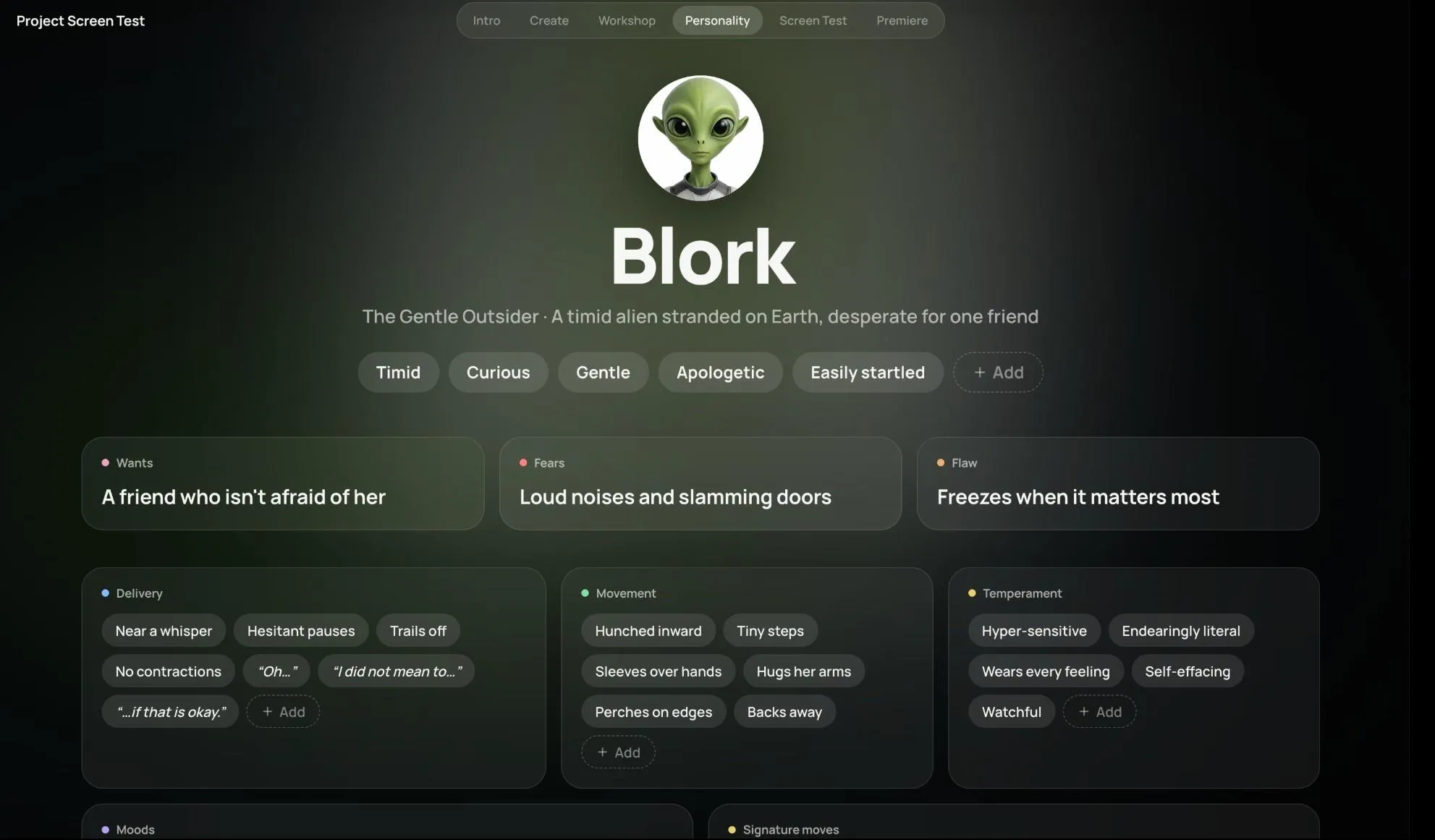
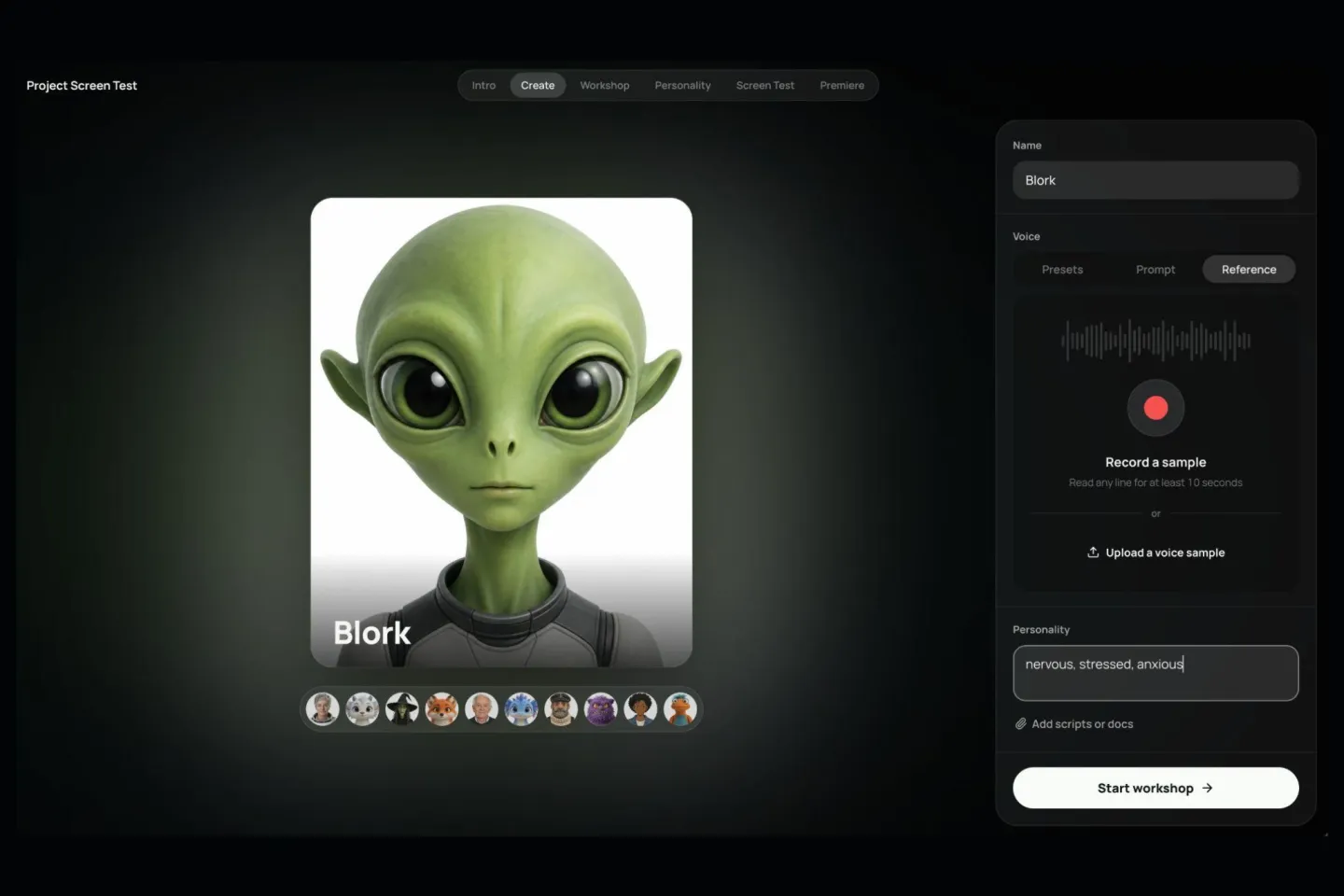
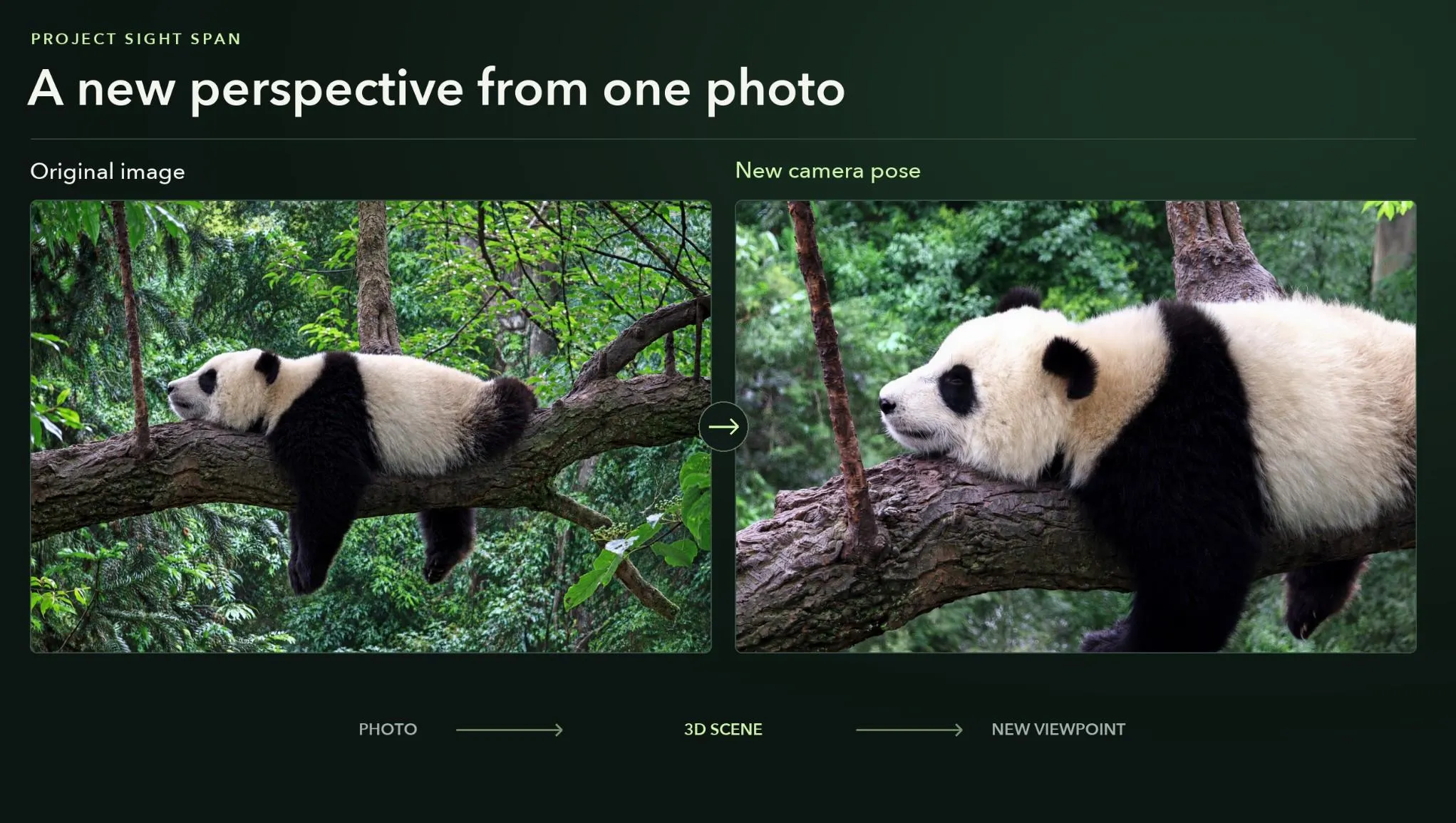
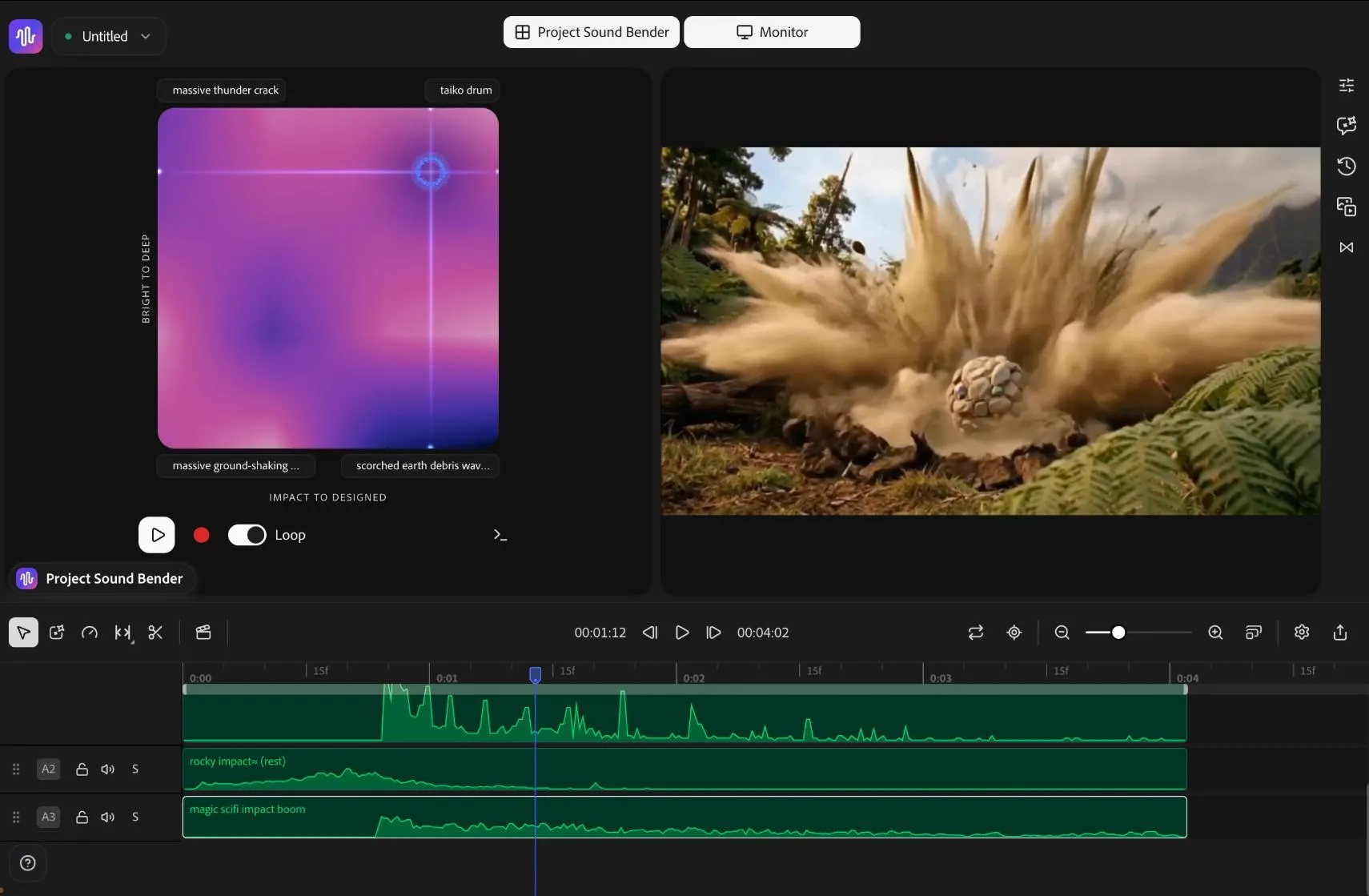
Four named projects illustrate the framing. Project Screen Test lets a creator direct an AI-generated character through conversation, in something closer to a casting session than a prompt box. Project Sight Span converts a flat photo into an explorable 3D space so composition and camera angle can be reworked after the fact. Project Sound Bender puts AI mixing inside the video timeline. Project Rinse Repeat copies a finished edit onto other people or objects in the same frame and, notably, rebuilds those changes with native Photoshop operations instead of flattening a processed image on top — so the duplicated edit stays editable.
Why does the shift from generation to agents matter for enterprises?
Because the unit of automation is moving from the asset to the workflow, and workflows touch governance. Alongside Sneaks, Adobe reported a preview of local Model Context Protocol (MCP) integration that would let third-party AI agents connect directly into Creative Cloud, and widened the scope of its Creative Agent so it can execute multi-step creative tasks.
Once an agent can open files, invoke models and write back results, the questions are no longer only aesthetic. They are permission scopes, model provenance and audit trails. Adobe's own commercial position makes the trade-off visible: Firefly now fronts 30-plus AI models from Adobe and partners, while Adobe's enterprise IP indemnity is written around Adobe-built output — partner-model and beta features are carved out.
| Dimension | Prompt-based generation (2023-2025 pattern) | Agentic creative workflow (MAX 2026 direction) |
|---|---|---|
| Task unit | One asset, one output | A multi-step brief across apps and media formats |
| Human role | Operator of tools | Reviewer of plans, edits and variants |
| Brand control | Manual checks, template discipline | Style rules parsed and reapplied automatically |
| Governance load | Mostly copyright of inputs | Agent permissions, model provenance, audit logs |
| Main risk | Unusable output | Confident output from the wrong model or the wrong scope |
How likely is any of this to reach production?
Sneaks has existed since the 1990s and is deliberately speculative, but it is not pure theatre. Eric Matisoff, Adobe's chief evangelist for analytics and data science who has run the segment, has put the conversion rate at roughly 30% of projects eventually reaching official platforms. Tools now routine in Photoshop, including Distraction Removal and Harmonize, started life as Sneaks demos. The realistic reading: expect the capability class — scene relationship understanding, guided characters, edit propagation — to arrive in Creative Cloud and Firefly long before any specific branded feature does.
Four misreadings worth avoiding
- "A Sneaks demo is a roadmap item." Adobe has not committed commercially to this year's projects; treat them as research signals.
- "Agents replace the design team." Every demo assumes a reviewer; the change is in who spends time on assembly versus judgement.
- "Any Firefly output is indemnified." Coverage terms differ between Adobe models and partner models, and beta features are typically excluded.
- "Brand consistency is a plugin problem." Guideline-aware generation only works if a machine-readable style system exists first — that is data governance, not design work.
What creative and IT leaders should do in the next two quarters
- Inventory the repetitive steps worth automating first: multi-format resizing, clip slicing, brand reapplied edits. These map directly to what was shown.
- Publish a machine-readable brand kit — colour, type, spacing, approved elements — before evaluating guideline-aware tools.
- Decide now which AI functions may act on client or campaign files, and require logging for anything that writes back to production assets.
- Record which model produced each output where commercial rights matter, and align purchasing with indemnity scope rather than model count.
- Run one bounded pilot on a high-volume, low-risk content stream and measure cycle time, revision rounds and rejection rate; weigh where on-device execution changes the cost curve, since vendor hardware is increasingly sold around local AI work.
Frequently asked questions
Are the Adobe Sneaks projects available to use?
No. This year's Sneaks are technology previews shown at the MAX conference; access to Adobe's Creative Cloud applications and the Firefly platform is separate, and no general release has been promised for these experiments.
What is an intelligent creative assistant in practical terms?
It is an agent layer that interprets a described goal, breaks it into steps, calls the right application functions, and returns a reviewable result — instead of producing one image or clip per prompt.
Does this affect non-designer teams too?
Yes, most immediately. Marketing, e-commerce and internal communications are the highest-volume users of cross-format repurposing and brand-consistent output, which is exactly the workload the demos targeted.
What should a buyer ask Adobe or any creative-suite vendor about?
Three things: which models are covered by indemnity, what permissions an agent holds over asset libraries, and whether the assistant's actions are logged and reversible.
Sources
- Adobe MAX 2026 official programme and event FAQ (dates, venue and format)
- Adobe HelpX: Partner models in Firefly Creative Production for Enterprise
- Adobe Blog: previous Sneaks showcase and its role in Adobe Labs research
- Coverage of the four MAX 2026 Sneaks projects and MAX announcements on Creative Agent and local MCP integration
- Interview citing Eric Matisoff on the ~30% Sneaks conversion rate