
ItInsightsWorld Startups Field Note: How Founders, Inc. Turns Raspberry Pi Into a Hardware Prototype Shortcut
For an early-stage hardware team, the first meaningful proof is not a roadmap slide; it is a device that moves, senses, computes, or answers a user. During a San Fransisco stop on an ItInsightsWorld Startups tour, that proof was easy to find at Founders, Inc.: teams lean on Raspberry Pi hardware, and sometimes the shorthand appears as Rasberry Pi boards, to turn a difficult concept into a bench-level demonstration before months of custom engineering.
The prototype-speed problem that shapes startup choices
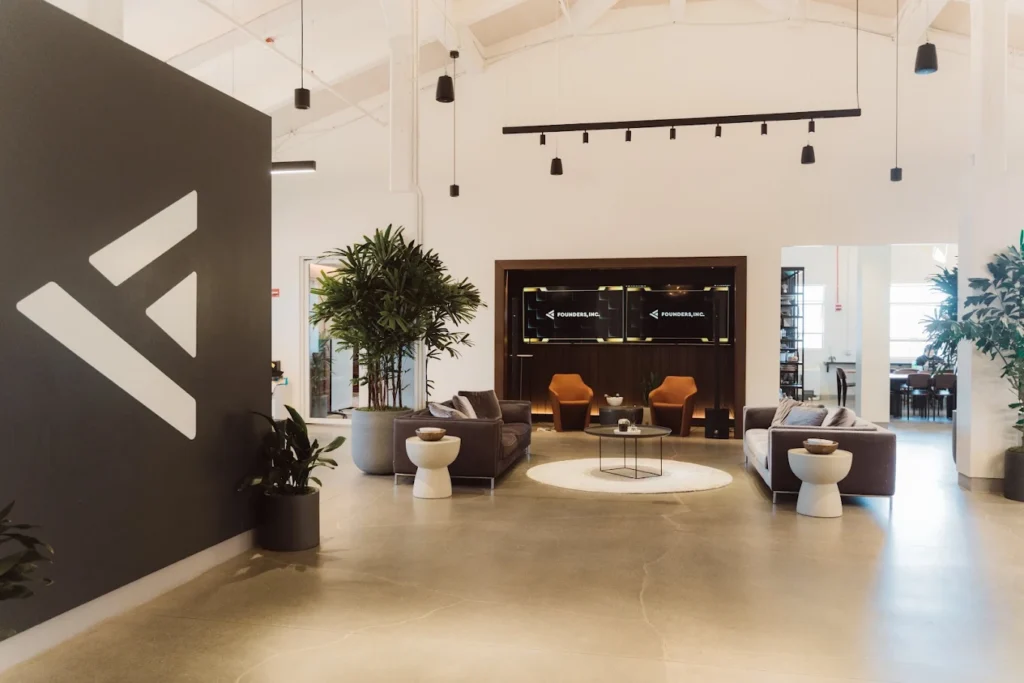
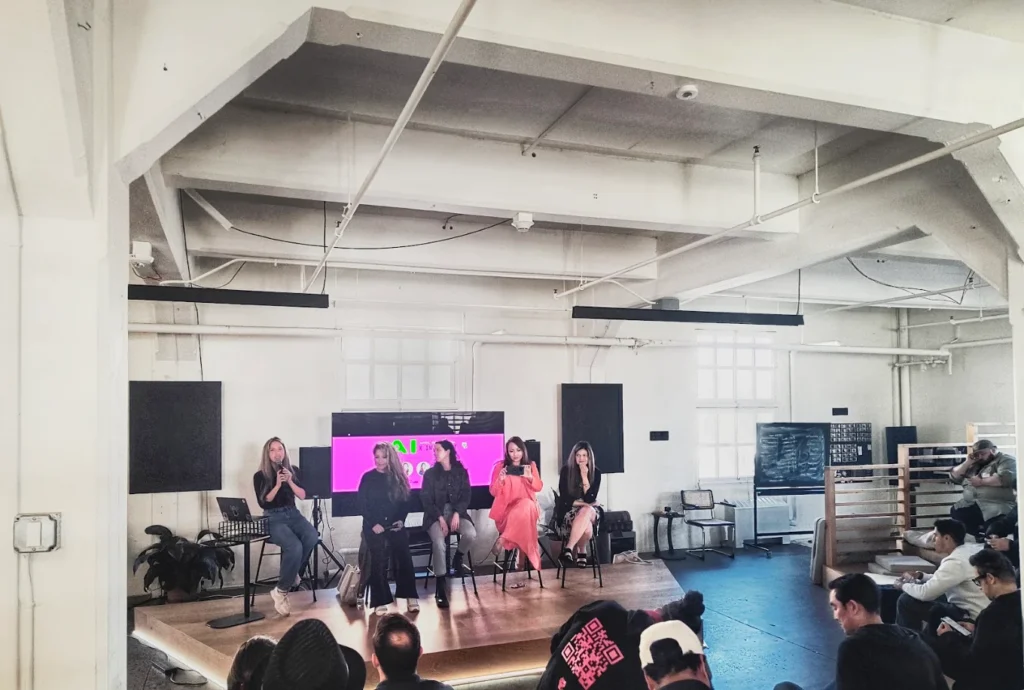
The campus is not a generic coworking space. At the 42,000 sq. ft. site in Fort Mason, San Francisco, the work spans robotics, drones, edge AI, advanced manufacturing, AI infrastructure, developer tools, defence technology, and consumer devices. Founders, Inc. positions itself less as a lecture-based program and more as a physical sandbox where ambitious technical teams can get a first cheque, work side by side, swap prototypes, break equipment, and iterate quickly.
What Founders, Inc. is actually doing
The organization treats belief in a founder’s thesis as routine. The harder job is assembling the conditions that make the thesis testable: space, peers, tools, and a community willing to help at the exact moment a project becomes awkward.
| Element | What it supplies | Startup decision it improves |
|---|---|---|
| Campus scale | 42,000 sq. ft. of room for engineers, robots, drones, sensors, printers, and hardware experiments. | Reduces friction between “idea” and “touchable build”. |
| First-cheque role | Provides the initial financial commitment behind selected bold ideas. | Helps technical founders begin while the problem is still raw. |
| Community density | Dozens of founders face manufacturing, supply-chain, mechanical engineering, firmware, electrical systems, compliance, testing, and AI challenges together. | Lowers the chance that one team pays for an avoidable learning loop. |
Mike Shin and Furqan Rydhan describe the setting as a platform for builders, not merely a funding logo. Mike Shin, COO, and Furqan Rydhan, Founder and CEO, frame the campus as a place where technical ambition can be exercised with tools that are close enough to reach.
Why hardware feels compelling again
AI has widened the possible behavior of physical products. The models are changing what a machine can understand, what a drone can do with limited instruction, how a factory can read its own operations, and what a compact edge device can accomplish without continuous cloud dependence. The barrier remains real, but the starting point has moved: development boards, open-source software, inexpensive sensors, and modern manufacturing can give a small team a visible milestone in weeks rather than years.
Now with a 3D printer and a Raspberry Pi, anyone can build a scalable AI hardware product.
— Mike Shin, COO of Founders, Inc.
Where Raspberry Pi enters the founder journey
The board’s appeal comes from being usable at two ends of the startup curve: a beginner testing an initial robot concept, or a serious founder validating a commercial architecture. At Founders, Inc., it supports control, computer vision, edge inference, drone telemetry, sensing, automation, IoT, and smart-manufacturing work.
Prototype patterns observed around the campus
- Robotics platforms using the board as a control or compute layer.
- Computer-vision demos built before a dedicated camera subsystem is chosen.
- Edge-AI features tested locally to reduce dependence on cloud round-trips.
- Drone control and telemetry experiments.
- Environmental, industrial, and IoT sensing rigs.
- Automation and manufacturing tools that can be tried on real workflows.
For a startup, this pattern answers the first investor and user question faster: Can the core function work under physical constraints?
Case signals: what teams build from the prototype bench
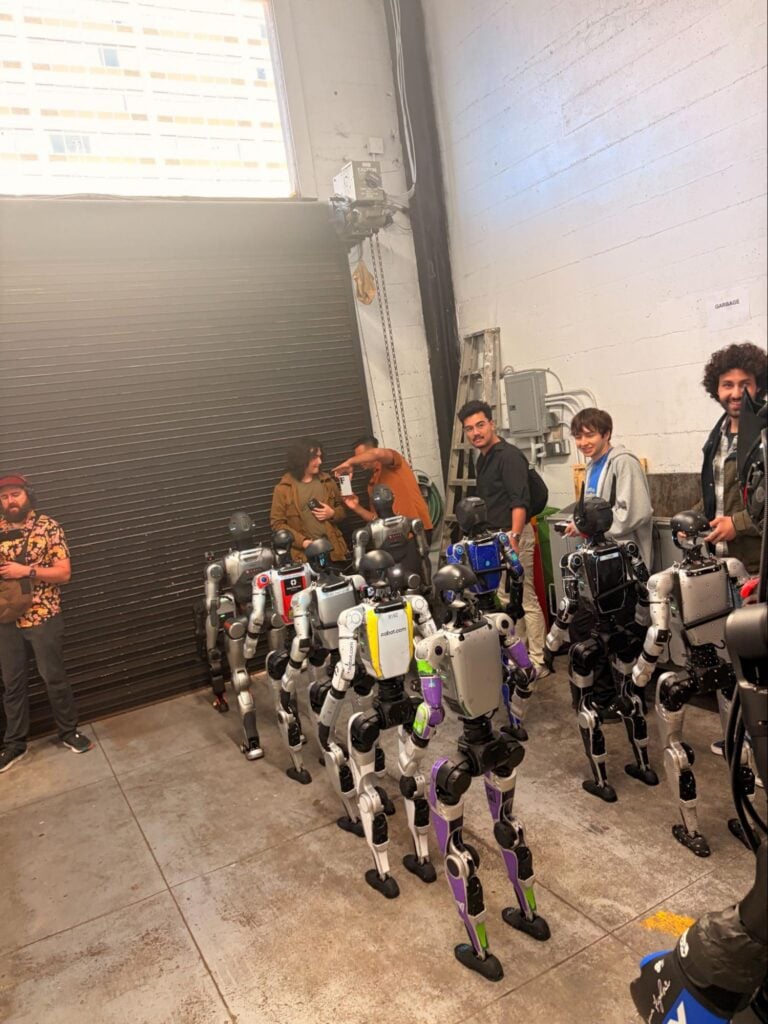
Many of the most instructive projects are not polished launch products; they are proof paths. Teams have created autonomous robots that navigate difficult environments, local vision systems that avoid cloud latency, factory tools that watch operations in real time, and drone platforms used for inspection, mapping, and logistics. Other projects extend into agriculture, environmental monitoring, connected medical devices, and tools that bring engineering learning closer to students.
| Case category | Startup signal |
|---|---|
| Robotics | Mechanical movement plus software intelligence can be demonstrated early. |
| Edge AI | Latency, privacy, or connectivity constraints can be tested without cloud dependence. |
| Drones | Control, telemetry, and task value can be validated in compact builds. |
| Manufacturing and sensors | Operational data can become the product, not only a by-product. |
Why community matters when hardware is lonely
A software team can hide missing infrastructure for longer. A hardware team usually collides with it early: mechanical tolerance, supplier lead time, firmware stability, electrical noise, compliance, and test coverage all ask for a decision at once. At Founders, Inc., the advantage of concentration is that another team has likely already broken the part, called the supplier, or solved the bug.
This is the space I dreamed of having when I was 18 — just tinkering, exploring, and building things with friends, fuelled by curiosity and passion. A place where we could experiment freely, supported by a community of people who deeply believed in us.
— Furqan Rydhan, Founder and CEO of Founders, Inc.
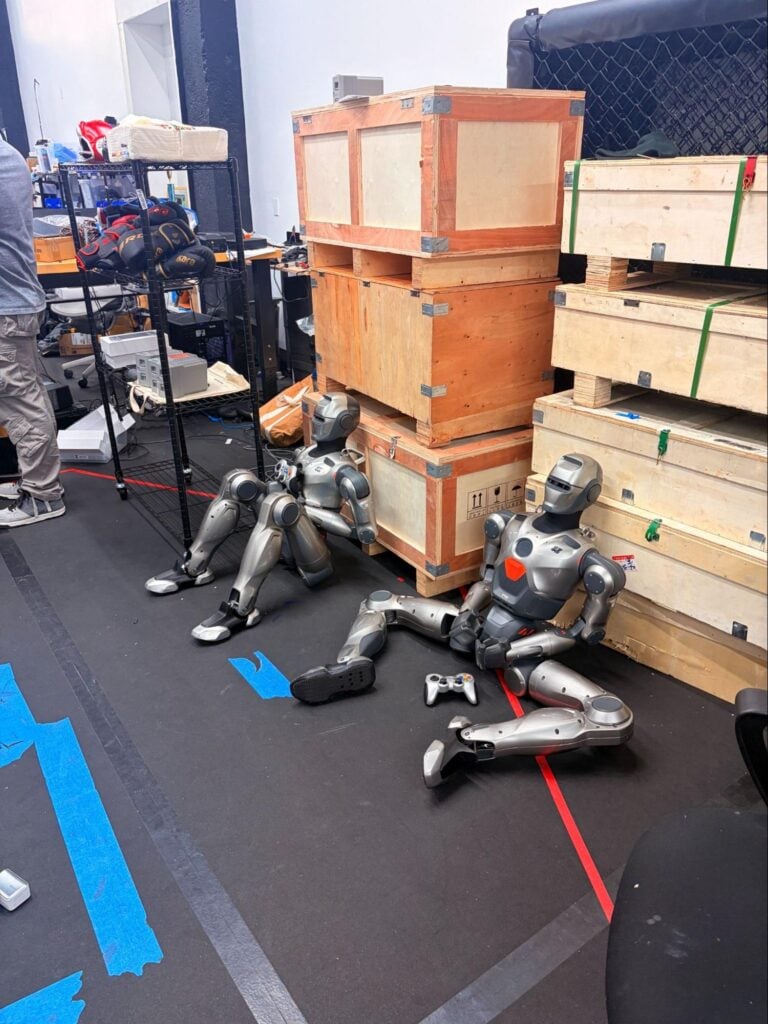
A tired droid is a useful reminder: physical systems need care, debugging cycles, and teammates who understand why the hardware is exhausted.
Common misconceptions about entering hardware startups
| Misconception | What the campus tour suggests instead | Practical read |
|---|---|---|
| Hardware requires months of custom board design before validation. | Teams often prove the concept in days using Raspberry Pi, sensors, 3D printing, and off-the-shelf parts. | Start with the functional question, not the final bill of materials. |
| AI makes software the only attractive startup layer. | Foundation models are making robots, drones, manufacturing, and edge products behave in ways that were not practical recently. | The physical-AI interface is still under-explored. |
| A lone technical founder can master every hardware discipline. | Manufacturing, supply chains, mechanical engineering, firmware, electrical systems, compliance, testing, and AI create simultaneous pressures. | Community and shared knowledge are risk controls. |
| Only perfect ideas attract capital. | The teams described as most successful build, test, and improve faster, then put rough work in front of users. | Speed and iteration are investor-visible signals. |
Action advice for startup readers
If the goal is to judge whether a hardware direction deserves more investment, do not start by trying to design the final company. Start by building a tangible experiment. Use existing components, use Raspberry Pi, use open-source software, buy sensors, print parts, and create something a person can touch. The pattern behind many backed companies is a cycle, not a grand reveal.
Many of the companies we back started exactly this way: build something quickly, put it in front of users, learn, iterate, and keep improving.
— Furqan Rydhan, Founder and CEO of Founders, Inc.
A decision checklist for early teams
- Identify the core physical capability that must work.
- Choose the fastest path to a visible demo.
- Use off-the-shelf hardware before custom silicon.
- Test with a user who cares about the problem, not only a friend.
- Record the failure modes that require community help.
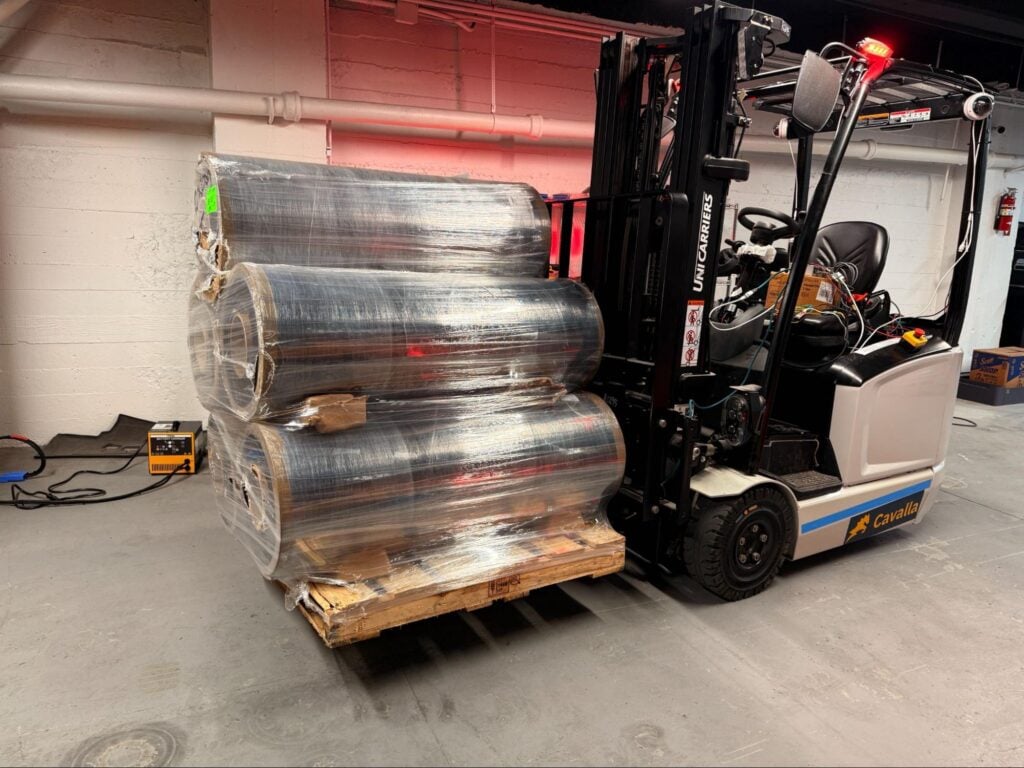
The caption is playful: even when a build’s exact purpose is still forming, it can be important enough to photograph if it shows the team is experimenting.
FAQ: what ItInsightsWorld Startups readers should ask
Does Founders, Inc. only provide funding?
The first cheque matters, but the larger value described is the environment: space, peers, tools, and community. For a hardware team, that environment can affect the early build more than the check alone.
Why does Raspberry Pi matter to a startup decision?
It shortens the gap between an idea and a working prototype, especially when the startup must answer whether a physical concept can actually work.
Where can I see this approach in practice?
At the Fort Mason campus, Raspberry Pi appears in robotics, computer vision, edge AI, drone telemetry, sensing, IoT, automation, and manufacturing experiments. The San Fransisco tour notes also record that some early builders use the boards in weekend validation cycles.
Who is speaking in this piece?
Furqan Rydhan is Founder and CEO of Founders, Inc., and Mike Shin is COO. They describe why hardware builders use the campus and why the current moment is attractive for physical-product startups.
What would make this a bad fit for a founder?
If the founder does not need a physical prototype, or does not want a hands-on, shared workshop environment, the model is less directly useful.
Looking ahead
For ItInsightsWorld Startups, the clearer takeaway is not that one development board is the future; it is that the future of physical AI will likely be assembled in dense communities where rapid prototyping is normal. Robots, autonomous vehicles, drone systems, smarter factories, and edge computing are expected to become ordinary infrastructure over the next decade. The companies shaping that layer may come from shared spaces where founders can build quickly and learn beside one another.
We’re excited to see Raspberry Pi continue lowering the barrier to entry for hardware innovation and helping the next generation of founders turn ambitious ideas into real companies. If you’re a hardware founder, come build with us.
— Mike Shin, COO of Founders, Inc.
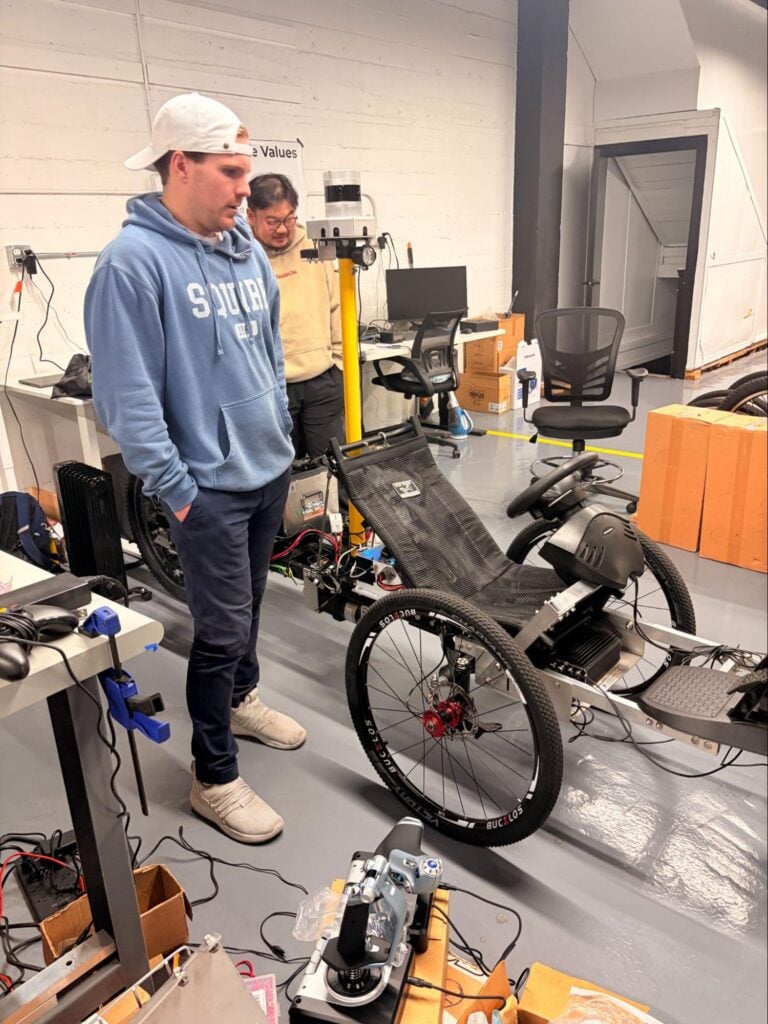
For founders, the decision is simple: choose a hardware direction only when the first physical proof can be built, shown, and improved faster than competitors can explain it.