
X Clipping on November 9: How Original Content Rewards Splits Reach, Payouts, and Brand Risk
Native clipping arrived on November 9 as part of Original Content Rewards, creating a path for two different accounts to receive payouts from one clip if source rules are met. The real shift is distribution architecture: one long video can move through other accounts, retain a Clip from link, and change how brands handle consent, context, and measurement.
What did X change in the video flow?
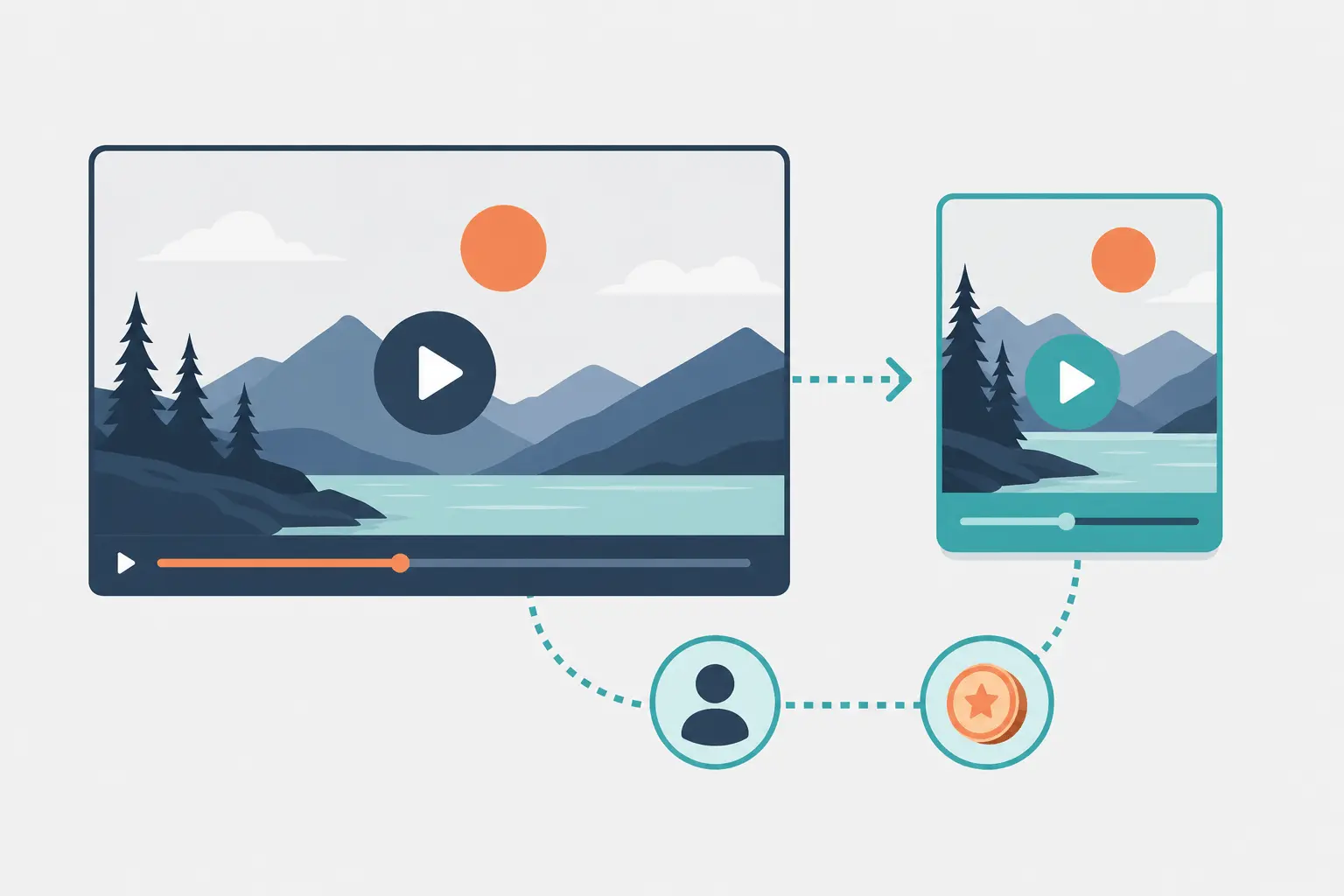
The mechanism is simple, but the business effect is not. A user taps Repost, selects Clip video, trims a segment, adds commentary, and publishes a new post. The clip is distributed as a post, while the source remains visible through Clip from.
- The source must be a pre-recorded video at least two minutes long.
- A new clip must be between five and 60 seconds.
- Each clip may contain no more than 30% of the original video.
- A two-minute video permits up to 36 seconds of clipping; a source longer than three minutes and 20 seconds can support a full minute.
- Livestreams are excluded, and the tool is live on iOS and Android, while desktop web remains announced but undated.
X says access may vary by region and app version, so teams should not assume every contracted creator can see it. The feature hands distribution power to whoever finds a compelling moment, but attribution is not editorial control.
What does the earnings claim actually cover?
The core promise is that two different accounts can share rewards from one clip. X says clip engagement may count toward the clipper's Original Content Rewards, while the original creator is handled through embedded repost calculations and paid inside normal program payouts.
This sits on top of a broader monetization reset. Livemint reported qualified impressions as 'unique impressions from Premium users on the Home Timeline feed, where at least 50 per cent of the post is visible', and said payouts are issued every two weeks. Those rules affect eligibility; they do not reveal the clip split.
Eligibility is only the gate. Both parties must be enrolled before a watched clip can produce money. X has not published payout rates or the split between original creators and clippers, and it has not shown that the mechanism increases creator income. ContentGrip’s write-up of the November 9 launch also emphasizes that missing disclosure. Clips are excluded from the separate Video Kickstart Bonus, according to X’s help documentation.
For brands, this does not replace negotiated fees. A sponsorship may pay a creator for a video, while unrelated accounts can circulate excerpts. The platform reward pool does not define the brand’s obligation to those accounts, whether they are approved partners, or how much incremental demand they create.
Why do creator agreements need a clipping clause?
A sponsored post can no longer be assumed to travel only in its approved form. A clip can lift a product demonstration, answer, or joke from a longer narrative and add new commentary beside it. Some excerpts may create useful discovery; others may shift meaning enough to trigger brand-safety or disclosure concerns.
There is also a control gap. X says original creators cannot disable clipping for eligible videos while it works on an opt-out. Deleting the original removes clips, but that is a platform action, not a rights solution. Before treating organic sharing as licensed campaign inventory, teams should review the difference between platform attribution and permission to reuse third-party material elsewhere.
FAQ: common misconceptions about clipping rewards
Does every watched clip create revenue?
No. two different accounts can participate, but each must be enrolled in Original Content Rewards. X has not published payout rates or a split, and clips are excluded from Video Kickstart Bonus, so a high-view clip may still produce little platform income.
Does Clip from prove advertising clearance?
No. The Clip from label connects viewers to the original timestamp, but it does not grant off-platform usage, licensing, or disclosure relief. For paid clips, the FTC guidance on influencer disclosures says material connections should be clear and conspicuous; a label alone is not enough.
Can creators disable clipping now?
X says original creators cannot yet disable clipping for eligible videos while it works on an opt-out. Deleting the original removes clips, but that is a platform control, not a rights workflow.
How does the trade-off differ by stakeholder?
| Group | New option | Open risk |
|---|---|---|
| Original creator | one long video can reach accounts that would not watch the full source. | Surrounding commentary may change context, and an opt-out is not yet available. |
| Clipper | can earn if eligible and enrolled when engagement produces qualified reward value. | Payout rates are unknown, and clips are outside the Video Kickstart Bonus. |
| Brand | can observe attributed distribution without relying on a downloaded repost workflow. | Disclosure, rights, measurement, and creator approval still need a campaign process. |
What should brands test before scaling?
Three questions should drive any pilot: Did clips send meaningful attention back to the original? Did extra reach come with accurate context and appropriate disclosures? Did that reach lead to outcomes the brand values, rather than only video views?
Use one long-form creator asset with a clear next action. Track the original video, clip-level engagement, return visits, and downstream behavior separately. Record whether a clip came from the contracted creator, an approved partner, or an unrelated account.
- Run one pilot asset with one defined conversion path.
- Separate earned reward data from campaign performance data.
- Assign a moderator before influential excerpts circulate.
What is the practical takeaway?
X has created a route for excerpts to travel while keeping a visible path back to creators, but the durable value of that route remains unproven. For marketers, the useful first move is to experiment with attributed distribution while keeping rights, creator compensation, and business impact separate in the measurement plan.