
Cadillac F1 Team Sale Scorecard: $3 Billion, Zero Points, and Buyer Risk
By James Hartley | ItInsightsWorld
A $3 billion asking price attached to a zero-point F1 debut is not a normal sports-team transaction; it is a stress test of how much scarcity, cash burn, and regulatory risk interact inside the current grid. For readers trying to decide whether a racing franchise is an asset or a liability, the Cadillac F1 team case is useful because it forces a simple question: would a buyer pay for a seat in F1 or for the operating losses that come with it?
Conclusion first: the listing is a liquidity story more than a racing story
Sportico reported that Mark Walter is exploring a sale of his Cadillac F1 team for at least $3 billion, with at least seven parties reportedly showing interest. The key point is that the reported motivation is financial pressure around Walter, who is currently subject to two federal investigations involving undisclosed loans connected to his company, rather than the team's performance. Perez's lost chance at points in Monaco and the projected $400 million first season loss make the story vivid, but they are not the main reason the asset is moving.
How the timeline moved from denial to market
- Last month: TWG Global said the Lakers, Dodgers, and Cadillac F1 team were not for sale, a statement carried in its denial of reports that the motorsports portfolio would be liquidated.
- August of this year: Walter transferred control of the Los Angeles Lakers in the NBA at a $12.5 billion overall valuation to Bob Iger and Josh Kushner.
- Recently: a 13% stake in the Premier League club Chelsea was sold to Clearlake Capital.
- Three months later: Cadillac F1 team surfaced as the newest asset linked to a possible sale, despite the earlier denial.
That sequence matters. A public denial followed by a reported sale process tells buyers that the owner's balance sheet, not the team's on-track progress, is driving the timetable.
Buyer scorecard: what $3 billion is supposed to buy
| Decision dimension | Bull case | Bear case | Practical judgment |
|---|---|---|---|
| Seat scarcity | Only 11 teams compete in the current F1 grid, making entry an F1 long-term admission ticket rather than a simple sports franchise. | Scarcity does not fix technical immaturity, penalties, or zero points. | Buyers should treat the seat as the core value, not the racing results. |
| Valuation anchor | Sportico's 2025 team valuations put the average F1 franchise at $3.42 billion, so a $3 billion asking price for a new team can look below the historical market average. | The 2025 average reflects the ten established teams before Cadillac's entry, not a zero-point operation. | Use the average as a ceiling check, not a direct comparable. |
| Operating cash | F1's budget-cap era and media-value growth can improve long-term cash visibility for a team that survives the entry phase. | The reported first season loss is $400 million, and governance pressure can raise refinancing risk. | Only well-capitalised buyers with multi-year patience should bid. |
| Regulatory path | A clean ownership change may be easier than building a team from scratch because the entry cost and grid slot already exist. | Federal investigations, possible fines, and a funding gap can complicate approvals and diligence. | Make legal clearance and seller solvency a gating condition, not a post-signing item. |
Entry economics: why a new F1 team is different from a sports franchise
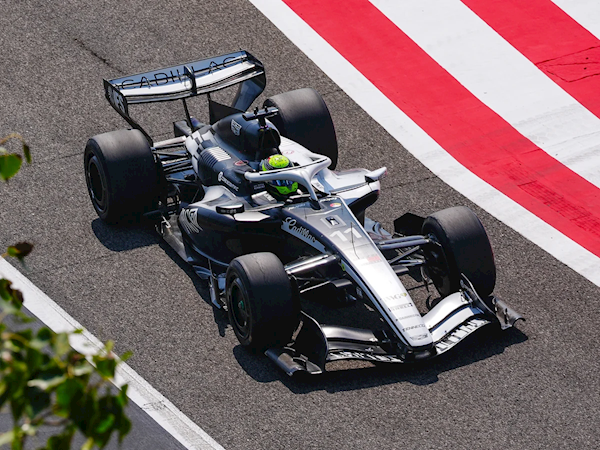
One important but often missed layer is the cost of admission. Industry reporting has noted that Cadillac's entry involved a one-time anti-dilution fee of about $450 million, meant to compensate existing teams for the dilution effect of another competitor sharing the prize pool. For a buyer, this changes the mental model: the $3 billion price is not only for a team, but also for an already-paid seat in a closed, capped, highly scarce league. The same reporting also underscores that the Cadillac project is tied to General Motors' brand infrastructure and TWG Motorsports' broader portfolio, not just a standalone racing experiment.
Who should consider buying, and who should walk away
- Consider a bid if the buyer can fund losses for several seasons, wants access to F1's global media economics, and can separate the franchise's long-term commercial potential from the seller's current distress.
- Avoid a competitive bid if the buyer expects immediate points, needs short-term cash flow, or cannot tolerate questions about Walter's investigations, possible fines, and the funding gap around undisclosed loans.
- Treat it as a niche, control-oriented investment only if the buyer also has automotive, technology, or sponsor synergies that can turn the seat into more than a racing logo.
Common misconceptions
- Zero points equals no value. In a capped league with limited teams, performance is only one input. A scarce F1 seat can retain strategic value even during a weak debut.
- A denial means the asset is off the table. Last month's statement that the Lakers, Dodgers, and Cadillac F1 team were not for sale does not remove the market mechanism; reported buyer interest and owner financing pressure may still push the asset forward.
- $3 billion is simply a price for a race team. It also carries a paid position inside the current grid, an F1 long-term admission ticket, and the right to compete under a budget-cap system, along with a cash-burdening first season loss of $400 million.
Action checklist before anyone bids
- Verify whether the proposed sale is a controlling stake, a partial stake, or a broader TWG Motorsports package.
- Model cash needs beyond the headline $3 billion, including continued investment required to move a zero-point team into competitive territory.
- Request documents on any regulatory exposure involving Walter, including the two federal investigations, possible fines, and undisclosed loan allegations.
- Check whether the anti-dilution entry economics create ongoing obligations or transfer approvals that can affect closing.
- Assess sponsor resilience: would commercial partners sign with Cadillac if the ownership story is dominated by investigations rather than racing progress?
- Build a scenario table around three outcomes: quick sale at $3 billion, discounted sale after liquidity pressure, and failed process with forced refinancing.
FAQ: quick answers for general readers
Why is Cadillac selling if it just entered F1?
Because the owner needs capital. The reported sale process is linked to Walter's funding pressure, not merely to the team's poor first season points situation.
Is $3 billion too much for a team with zero points?
It depends on the metric. Compared with current racing performance, yes, it looks expensive. Compared with the scarcity of only 11 teams and an F1 long-term admission ticket, it may be a strategic premium.
What was the closest moment to points?
Perez was close to scoring in Monaco before a penalty cost the opportunity.
Does the TWG Global denial matter?
It matters as a signal. A last-month denial and a reported market process three months later suggest the seller may be balancing public posture against urgent financing needs.
The take-away for readers
If you read this as a racing story, it looks like a troubled new team. If you read it as an asset story, it is a rare, expensive, cash-hungry F1 seat in a league where the grid is capped at 11 teams and the average historical valuation has been in the low billions. The best answer is neither automatic buy nor automatic no. A rational buyer needs patient capital, clean regulatory clearance, and confidence that the $400 million first season loss is a transition cost, not a permanent operating structure. For everyone else, the lesson is simpler: in scarce asset markets, headline numbers often reveal less than the liquidity pressure behind them.