
Hanoi Chip Plant's 2027 Target Slips: Viettel Site Still Empty, ASML Equipment Deal Unsigned
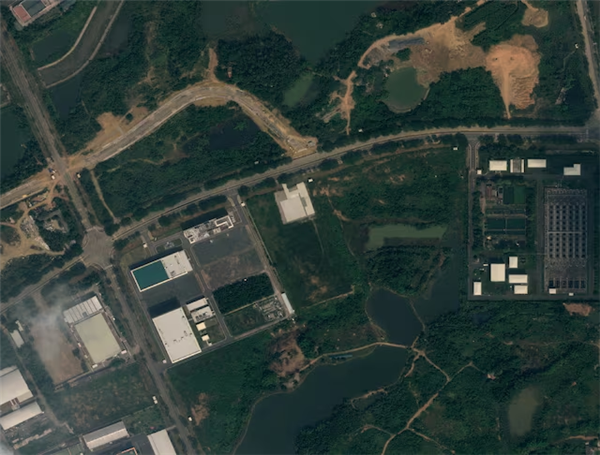
A plot of land on the outskirts of Hanoi, still covered in weeds, is where Vietnam's semiconductor ambition was supposed to take physical form. Reporters who travelled to the site last week found no completed buildings; satellite imagery captured by Planet Labs in January this year and by Airbus in October tells the same story. The project belongs to Viettel, the telecommunications and defence group run by the Vietnamese military, and its pilot-production milestone for 2027 has largely collapsed on the ground.
Imagery and an on-site look both point to an unbuilt fab
The site visit and the two sets of satellite pictures were carried out against a project that Viettel is developing as a state-led initiative. Neither the January frames from Planet Labs nor the October frames from Airbus show any finished structure on the grounds, and the journalists' own observation last week confirmed that nothing has been completed there so far.
A person close to the project: no clear schedule any more
According to one person with direct knowledge of the programme, the 2027 target is very likely to be missed. That assessment is attributed to two constraints: Viettel's lack of experience in building a chip factory, and administrative obstacles in obtaining government funding quickly. The same person added that the state-driven project is still moving ahead, but that its timetable has become unclear.
Official line, silence from the ministry, and talks with ASML
In a statement issued to the media, Viettel maintained that the project is “progressing in line with the established plan and schedule”, saying activities are being carried out stage by stage in accordance with technical requirements and that further updates will be provided in due course. Vietnam's Ministry of Finance did not answer a request for comment, while ASML declined to comment on its negotiations with Viettel.
Talks between Viettel and ASML have now run for several months. Three people familiar with the matter said the discussions cover equipment purchases, but that no agreement has been reached to date.
Groundbreaking, the 2030 horizon and the intended customers
Construction activity at the site formally began with a groundbreaking in January this year. At that point Viettel said it wanted the plant to be fully operational by 2030, with chips supplied to the aerospace, telecommunications and automotive sectors.
For readers tracking state-backed chip manufacturing, the picture that emerges from the reporting is one of a project that officially continues on schedule, while the physical progress, the funding route and the equipment supply agreement all remain unresolved.