
ItInsightsWorld Brief: Vegan Cat Diets Linked to Lower Overweight Odds in Australian Study
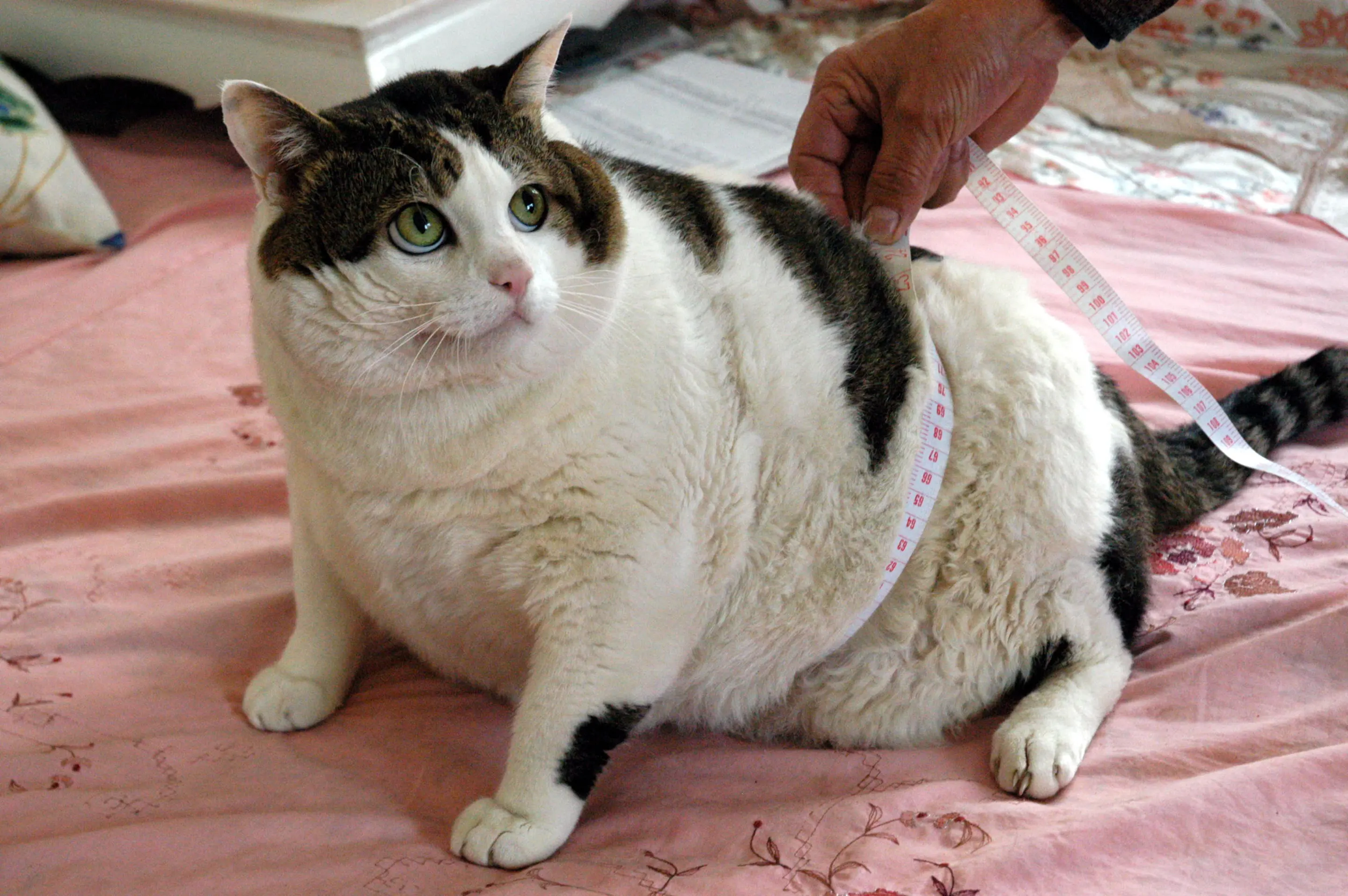
A new online survey from Australia has examined whether cats fed vegan diets show different body-weight outcomes than cats fed conventional meat-based diets. The analysis reported that vegan-fed cats were 34% less likely to be classified as overweight, but the researchers cautioned that the finding does not establish that plant-based feeding prevents obesity.
What the survey measured
Conducted by a Griffith University team, the study included 1305 cats, each of which had followed its current feeding pattern for more than one year. About 90% of the cats ate a traditional meat-based diet, while about 10% were fed a vegan diet. The researchers combined owner-reported information with veterinary assessment of body condition.
They also adjusted for variables known to influence weight, including age, sex, neuter status, activity level and feeding method. With those factors accounted for, the difference in overweight classification could not be simply attributed to them.
Why the result surprised the researchers
Andrew Knight, an adjunct professor at Griffith University's School of Environment and Science, noted that many cats in the vegan group were fed mainly dry food and were more likely to have food available around the clock. Such feeding habits are usually linked to a higher risk of weight gain, yet the vegan group still showed a lower overweight proportion.
Broader health context
Veterinary estimates commonly suggest that about 30% to 60% of domestic cats are overweight or obese. Excess body weight is associated with arthritis, diabetes, urinary tract disease and reduced quality of life, which is why diet patterns that may support weight control attract research attention.
Owners of cats in the vegan group also reported fewer weight-related health problems. For several conditions examined, that group reported no cases. The data showed a lower trend for osteoarthritis and other musculoskeletal or mobility problems as well.
Why the finding is not conclusive
The researchers warned that the vegan sample was relatively small, leaving considerable uncertainty. The study did not analyze the composition of cat foods, so it cannot determine why vegan-fed cats had a lower overweight rate.
One possible explanation raised by the team is that some commercial vegan cat foods may contain more dietary fibre or fewer calories or fats. Differences in nutrients linked to energy metabolism and lean body tissue, such as L-carnitine, may also contribute.
Knight emphasized that the results cannot prove that avoiding meat prevents obesity. To test whether the diet itself causes the outcome, longer follow-up would need to record actual food intake, energy intake and changes in body condition. He described the study as a clue for future research, not a final verdict on whether vegan cat food is healthier. The team hopes for larger prospective studies that directly measure diet structure, energy intake and body condition.
Practical caution for cat owners
The authors also reminded owners that any feeding approach should provide complete and balanced nutrition. If commercial vegan cat food is chosen, owners should confirm it has been properly fortified to supply the nutrients cats need to remain healthy.
The study, titled Effects of a vegan diet on body weight and related health problems in 1305 cats: an exploratory cross-sectional survey, was published in September 2026 in Frontiers in Animal Science.