
Tyler Shultz's AI Warning for Tech Investors: The Funding Frenzy Is Assembling the Next Theranos
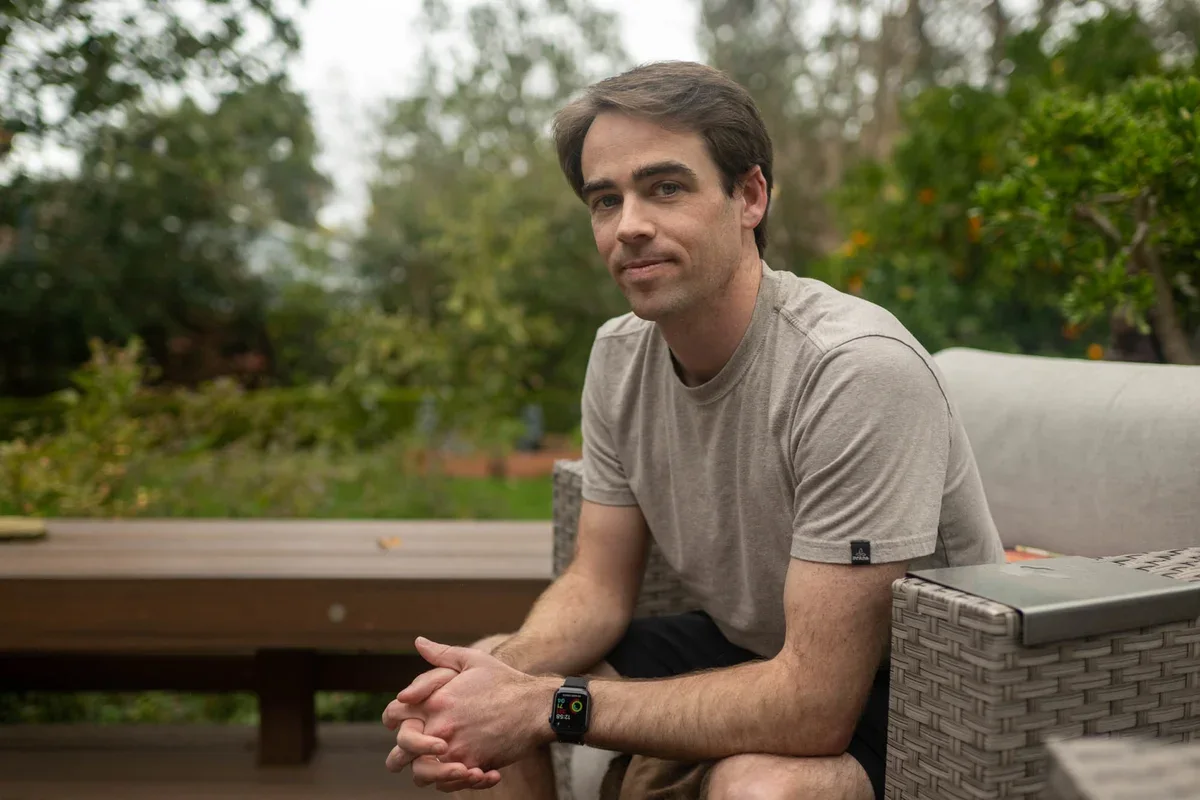
Technology booms are usually measured by how much capital they attract rather than by what a product can actually do. That is the pattern Tyler Shultz recently flagged, and few people are better placed to name it: he is the whistleblower who helped unravel the fraud at U.S. blood-testing company Theranos. In his reading, today's AI investment heat is quietly assembling the conditions for a Theranos-scale deception to be built all over again.
Why an AI Claim Is Harder to Audit Than a Device Promise
Speaking to the U.S. outlet The San Francisco Standard, Shultz identified the mechanism: the genuine capability of an AI system is not easy to assess from the outside. An investor frequently cannot tell whether a product holds uniquely valuable technology or is simply another application interface placed on top of an existing model such as ChatGPT. "If you want to fool people, I think this is a great opportunity to fool people," he said.
The Case He Keeps Coming Back To
Shultz met Theranos founder Elizabeth Holmes while they were both at Stanford University, subsequently joined the company, and took part in exposing the false advertising around its blood-testing technology. Holmes had marketed one sweeping promise: that Theranos devices could run many different tests from only a small quantity of blood. That vision drew heavy investment and made her a celebrated startup figure in Silicon Valley, branded at the time as the "female Steve Jobs". The technical promise was never fulfilled, and the fraud was eventually brought to light.
Three Signals That Tell Him History May Repeat
- Verification difficulty. Shultz regards AI as especially hard to verify, because the difference between a real technical asset and a front end sitting on ChatGPT is invisible to outsiders.
- Capital ahead of scrutiny. In his view, the environment that allowed Holmes to raise hundreds of millions of dollars without adequate review has now become more widespread.
- Less patience for truth. He adds that the wider world today attaches less importance to establishing whether a claim is actually true.
The Sympathy Wave He Refuses to Join
The interview also covered Holmes's recent return to public attention. After the release of Nathan Fielder's film You Can See Everything, some viewers began to feel sympathy for her.
Shultz rejects that framing. He describes Holmes as someone skilled at manipulating other people and intensely focused on her own public image. Although she is still serving her sentence, he notes, she has appeared on the cover of People magazine and featured in a film that attracted wide attention. He further claims that she has been involved in a new blood-testing startup founded by her partner Billy Evans.
"I think the only reason we are talking about Elizabeth Holmes today is that she wants us to talk about her," Shultz said.
What This Means for Anyone Screening an AI Vendor
Applied to the AI sector right now, Shultz's worry is that a high technical barrier combined with strong investment enthusiasm can once again keep a company's true ability out of view. His conclusion is that Holmes was not the last con artist Silicon Valley will have to confront. For readers comparing AI products, the practical implication he leaves behind is procedural rather than dramatic: a capability claim that cannot be independently checked should be treated as unproven until a vendor can show what its technology really does.