
Why TSMC Abandoned Its Night-Owl Push and Chose Shared Accountability
A race against the clock
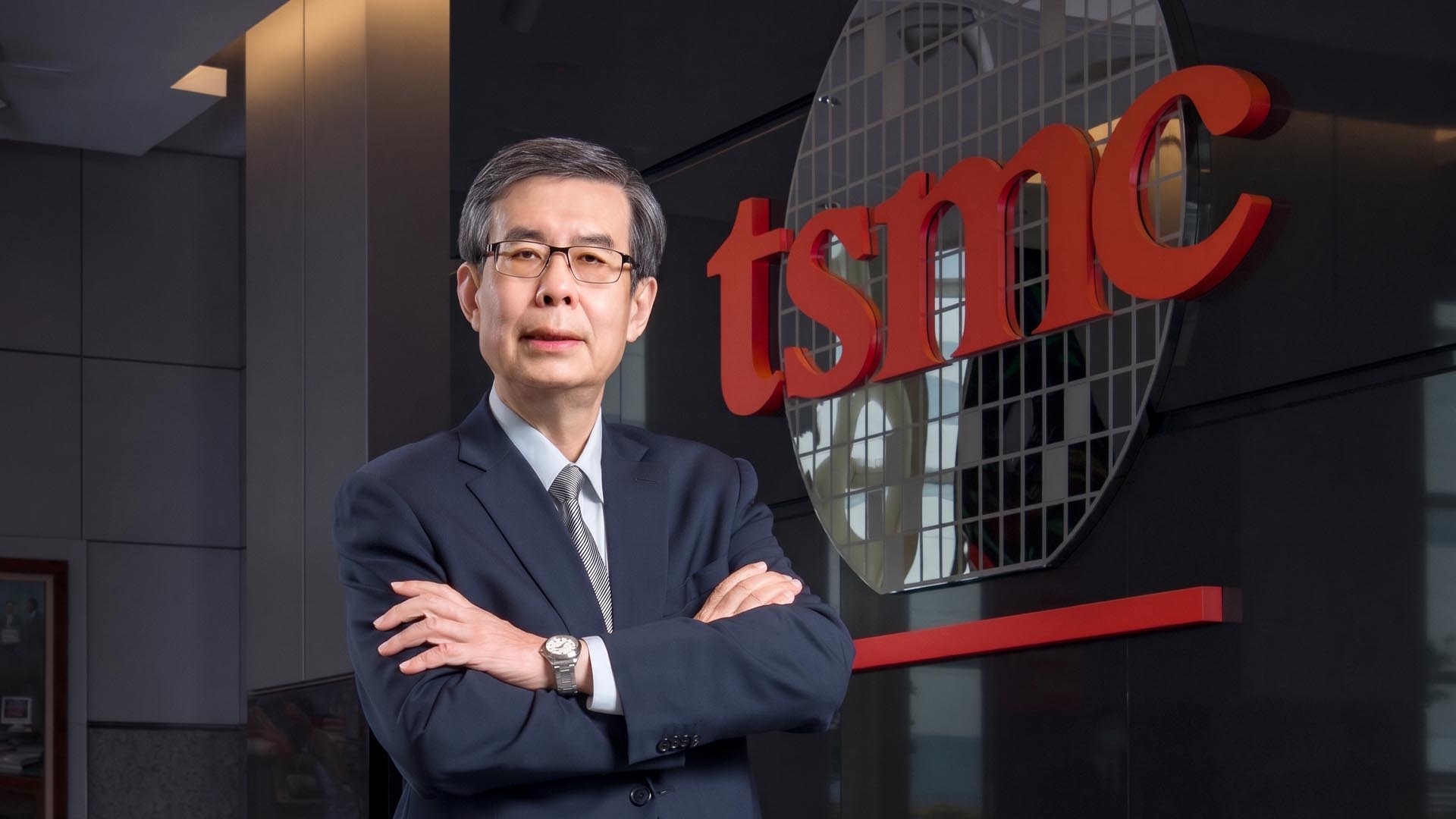
Speaking to students at Cheng Kung University on October 29, TSMC executive vice president and co-COO Qin Yongpei recalled an experiment designed to close a gap with advanced-process competitors: the Night Owl Program. The plan placed R&D engineers on relay shifts around the clock, extending the company's active development window in the hope of catching up more quickly.
Why more hours did not mean more innovation
At the time, the logic seemed simple. If a TSMC team could keep working for 24 hours while a United States rival operated for 8 hours, the extra time might become a technological edge. In practice, the program lasted about six months before it was declared a failure. Qin Yongpei said the lesson was that R&D cannot be measured only in labor hours, because it depends on thinking, judgment and innovation—“brainpower, not labor.”
40 nanometers as a turning point
Qin Yongpei described 40 nanometers as a key moment in the company's organizational change. The earlier model, in which R&D finished a process before handing it to the fab, had run into trouble. That setback pushed TSMC to rethink how engineering and manufacturing worked together, giving rise to the One Team approach. The idea, he stressed, was not simply helping one another, but having separate departments align around shared goals and share responsibility for outcomes.
Earlier handoffs and joint problem solving
The new working model became visible during the move from R&D to production. Fabs joined development earlier, and the overlap between R&D and manufacturing was extended, helping later ramps proceed more smoothly. When a process problem emerged, multiple teams analyzed the root cause together, an approach Qin Yongpei said was more effective than leaving the issue to a single department.
The culture spreads to overseas sites
According to Qin Yongpei, One Team also shaped overseas expansion. Teams in Taiwan needed to collaborate closely with overseas colleagues and accept part of the responsibility for making those fabs succeed. He said cross-functional cooperation improved process development and production efficiency and helped sustain TSMC's technical competitiveness. Yet the culture required time and effort to take hold; slogans alone were not enough.