
iPhone 18 Base Model vs iPhone 17 and the Pro Line: Should You Wait, Buy Now, or Stretch the Budget?
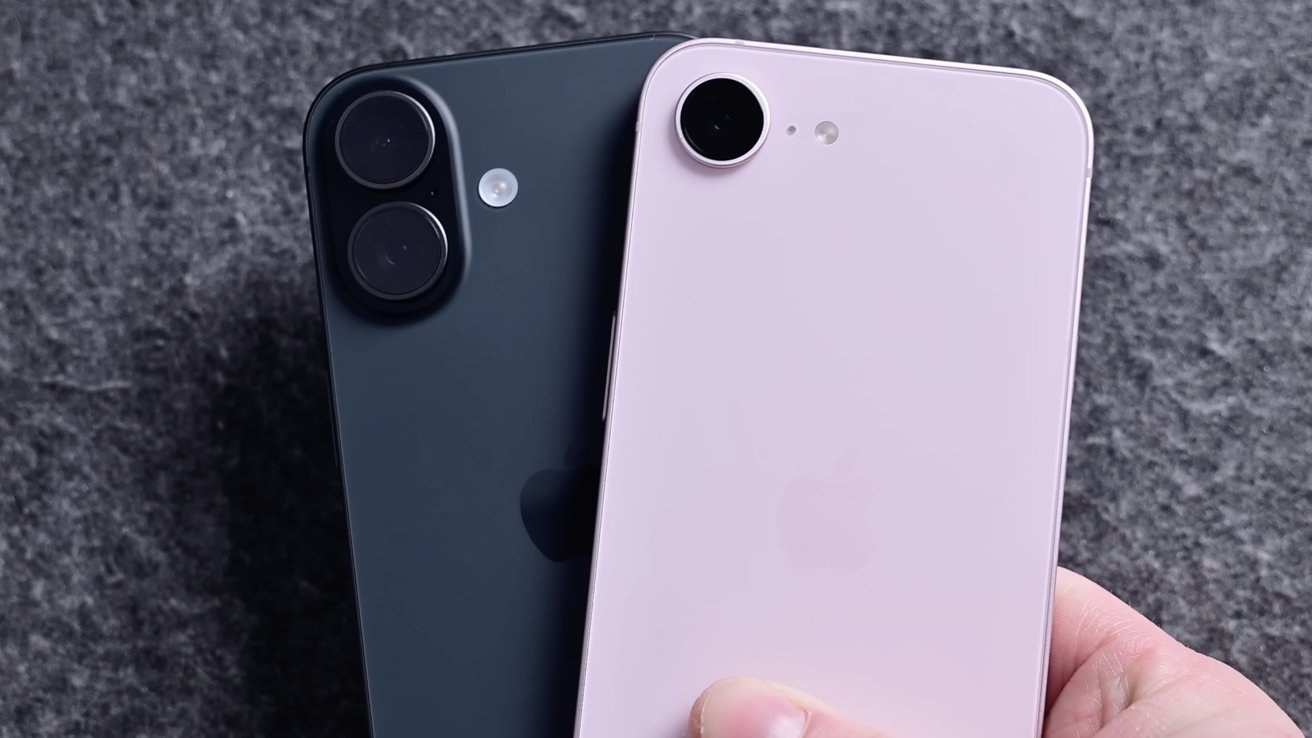
Apple has quietly changed the buying question. It used to be "which iPhone should I get?"; for the next eighteen months it is closer to "when should I even be shopping?" The most-reported device in that new calendar is not a headline flagship but the ordinary iPhone 18, the model that most people actually buy. Leaks describe it as a phone that jumps to 2nm silicon and gains a larger battery, yet keeps the same display size, the same camera layout and — probably — a higher sticker price. That combination is exactly why it rewards a side-by-side comparison rather than a spec-sheet glance. Below is a plain-language read of the current reporting, how the base model stacks up against the iPhone 18 Pro series and against the iPhone 17 on shelves today, and a decision framework you can apply in about five minutes.
The verdict, up front
If you only want the conclusions, here they are:
- Buy now if your current phone is hurting you today. The iPhone 17 already pairs a 6.3-inch class OLED body with the A19 series, and every price cut it gets from here on is upside you do not have to wait for.
- Wait for the base iPhone 18 if you keep phones three years or longer. The reported move to an Apple A20 chip on TSMC 2nm plus a bigger battery are the two upgrades that pay off over a long ownership window, not over one season.
- Stretch to the Pro Max only if you use what Pro charges for: heavy video, long sessions, the most compact screen furniture available. The leak itself signals that the base iPhone 18 may not adopt the reduced Dynamic Island used on the iPhone 18 Pro series, which is a deliberate distance-keeping move, not an oversight.
Where the base model sits in Apple's split release calendar
The single fact that changes most buying maths is timing. At its autumn launch in September this year, Apple introduced only the iPhone 18 Pro, the iPhone 18 Pro Max and its first folding handset, the iPhone Duo. The standard iPhone 18 was not part of that lineup. According to the product-planning rumor, that phone is expected in the first half of 2027, possibly alongside the second-generation iPhone Air and a model referred to as iPhone 18e.
Two practical consequences follow. First, there is a genuine gap of roughly two to three quarters in which Apple's shelf is premium-only — which is why the folding option matters even to people who will not buy it: its price sets the ceiling of the ladder and reframes everything below it. Reuters reported at the time the foldable reached stores that the iPhone Duo carries a price tag of roughly US$2,000, and the Wall Street Journal's launch coverage put the entry point at US$1,999. Second, waiting is no longer a neutral act: you are choosing a specific window, so it is worth deciding deliberately rather than by default.
Head-to-head: base iPhone 18, the Pro series, and iPhone 17
This is the comparison most coverage skips, because the three phones are not sold in the same season. Treat the base-model column as reporting, not confirmation.
| Dimension | iPhone 18 (standard, rumored) | iPhone 18 Pro / Pro Max (launched this September) | iPhone 17 (on sale now) |
|---|---|---|---|
| Display | 6.3-inch OLED, up to 120Hz | Pro-series panel; the leak says the base model may not inherit its smaller Dynamic Island | Current-generation panel |
| Processor | Apple A20 chip, TSMC 2nm process | A20 Pro chip, 2nm | A19 series |
| Identity & unlock | Dynamic Island and Face ID retained | Reduced Dynamic Island | Dynamic Island and Face ID |
| Cameras | Rear dual camera, 48MP main sensor | Apple's own product page lists a 48MP fused main camera with variable aperture | Not covered by this leak |
| Battery | A larger cell is being prepared; exact capacity not disclosed | Not covered by this leak | 3692mAh |
| Availability | First half of 2027, per product-plan rumors | Available since this September | Available now |
| Price direction | Likely above its predecessor; no increase figure given | Entry price up US$100 versus the previous generation | US entry price raised from US$799 to US$899 this year |
Silicon: what 2nm actually buys a normal user
The A19 series to A20 change is the headline, but the value depends on how you use the phone. A 2nm-class node is not simply "faster"; its practical benefit for everyday use is that comparable work costs less energy, which shows up as cooler handling and more headroom for sustained on-device AI features rather than as a snappier home screen.
Two details from outside the leak sharpen the trade-off. Analysts at TechInsights, who have examined silicon from the launched flagship, describe the move as gate-all-around nanosheet construction with more on-package AI processing and advanced memory packaging — that is, the gains are in architecture and packaging, not in the marketing number. And capacity is a real constraint: reporting from TechSpot indicates Apple was set to lock up close to half of TSMC's initial 2nm output for the iPhone 18 line. If the standard iPhone 18 arrives in the first half of 2027, it slots into that allocated supply flow rather than competing for brand-new capacity — one plausible reason the two halves of the lineup could be staggered.
Battery: the quiet upgrade that changes daily life most
For most owners, the source says the standard iPhone 18 is being readied with a larger battery than the 3692mAh cell in the iPhone 17. On paper that is the least glamorous item in the leak and the one most likely to change your routine: screen and camera changes are visible for a week, battery life is felt for three years.
The honest caveat is equally important. No capacity figure has been published, and there is no reliable basis yet for claiming how many additional hours the change delivers. A bigger cell can also be offset by a power-hungrier display or modem, so treat "better endurance" as a probable direction rather than a promise.
Price: why the affordable model may climb the most
Pricing is where the base model looks most exposed. Apple already repriced the iPhone product line this year: in the US market, the iPhone 17's entry price moved from US$799 to US$899, an increase of US$100, and the iPhone 18 Pro and Pro Max both opened US$100 above their predecessors.
The cost pressure is not Apple-specific, which makes it harder to absorb. AI data-centre construction has sucked up memory and storage supply, and the effect has been measured across the industry: Counterpoint Research, in figures reported by CNBC, expected the average selling price of smartphones in 2026 to rise about 6.9% on the back of component costs, while IDC has described a global memory shortage as a force reshaping both smartphone and PC specs and pricing that year. UPI's reporting on the same squeeze put DRAM prices roughly five times higher than a year earlier. Apple's own iPhone 18 Pro hardware list also adds cost items the base model does not carry, such as the vapor-chamber cooling and variable-aperture optics it highlights for on-device AI workloads.
Read commercially: when a manufacturer has limited ability to hold prices, it usually protects the margin-rich models first and lets the entry model drift upward, because entry buyers are the least able to walk away to another brand. That is the risk to watch on the standard iPhone 18.
What is still unconfirmed
The entire spec picture for the standard iPhone 18 traces back to a single leak from Digital Chat Station, a widely quoted supply-chain tipster whose details are frequently right but occasionally reversed at launch. Apple has confirmed none of the following: the final battery capacity, the actual price increase, the release date, or whether the smaller Dynamic Island stays a Pro series privilege. Any article that reports these as settled is over-reading the same rumor.
FAQ: the three questions this leak generates
Is the standard iPhone 18 a 2nm phone?
That is the central claim: an Apple A20 chip on TSMC 2nm, which would put the base model — not just the flagship — on the newest node, versus the A19 series used today.
Does it keep the screen I already like?
Per the leak, yes on the essentials: a 6.3-inch OLED panel with up to 120Hz refresh, Dynamic Island, Face ID, and a rear dual-camera setup built around a 48MP main sensor.
Should I buy an iPhone 17 instead of waiting?
That depends on your failure tolerance, not on the rumor. If your device still works, the roughly two-quarter wait buys you 2nm efficiency, a larger cell and a probable price premium. If it does not, an iPhone 17 you can hold today beats a phone described in a leak.
Common misconceptions
- "The base model is always the cut-down version." This leak suggests the opposite emphasis: same 2nm node as the flagship, a larger battery, and differences pushed toward screen furniture and camera hardware instead.
- "A bigger number of milliamp-hours equals better battery life." Capacity is only one input; the published figure is still absent, so endurance claims are premature.
- "Apple's September lineup is the whole year." This September delivered the iPhone 18 Pro, the iPhone 18 Pro Max and the first iPhone Duo; the base iPhone 18 is expected in the first half of 2027, together with the second-generation iPhone Air and iPhone 18e.
- "Price rises are Apple's choice alone." The memory-cost picture is a market-wide condition, not a brand decision — which cuts both ways: less room to hold prices, but also less risk of a punitive single-brand jump.
A five-question checklist before you commit
- How many months of usable life does my current phone have left?
- Do I keep phones past two upgrade cycles, so a bigger battery and newer node pay off?
- Will I actually use Pro-only hardware, or am I paying for reassurance?
- Is my budget fixed, in which case a repriced older model may beat a higher-priced newcomer?
- Can I wait for an official Apple spec sheet instead of a single leak?
Action steps by scenario
- Phone is failing now: buy the current iPhone 17, or the discounted prior model, and treat the iPhone 18 as a future cycle.
- Long-term keeper with a working phone: hold for the first half of 2027 window; the reported 2nm A20 plus larger cell are the two traits that reward patience.
- Creator or heavy user: judge the Pro series on what you use daily; the A20 Pro chip and the smaller Dynamic Island are the visible differentiators in this leak.
- Budget buyer: set a price line before the announcement. If the base iPhone 18 lands above its predecessor while the iPhone 17 drops, the older device may become the value pick.
The bigger takeaway is structural rather than technical. Apple now appears to be stretching its product cycle across the year, spacing the premium launch in September from a mainstream launch in the first half of 2027, so that attention and shelf presence rotate instead of peaking once. For readers, that means the useful skill is no longer memorising specs — it is locating yourself on the calendar. Ask what you need in the next six months, what you keep for the next thirty, and whether the number you are reacting to came from Apple or from a rumor. Answer those three and the wait-or-buy call mostly makes itself.