
ItInsightsWorld Guide: Sony LYTIA 720 Targets Main Cameras in Smartphones
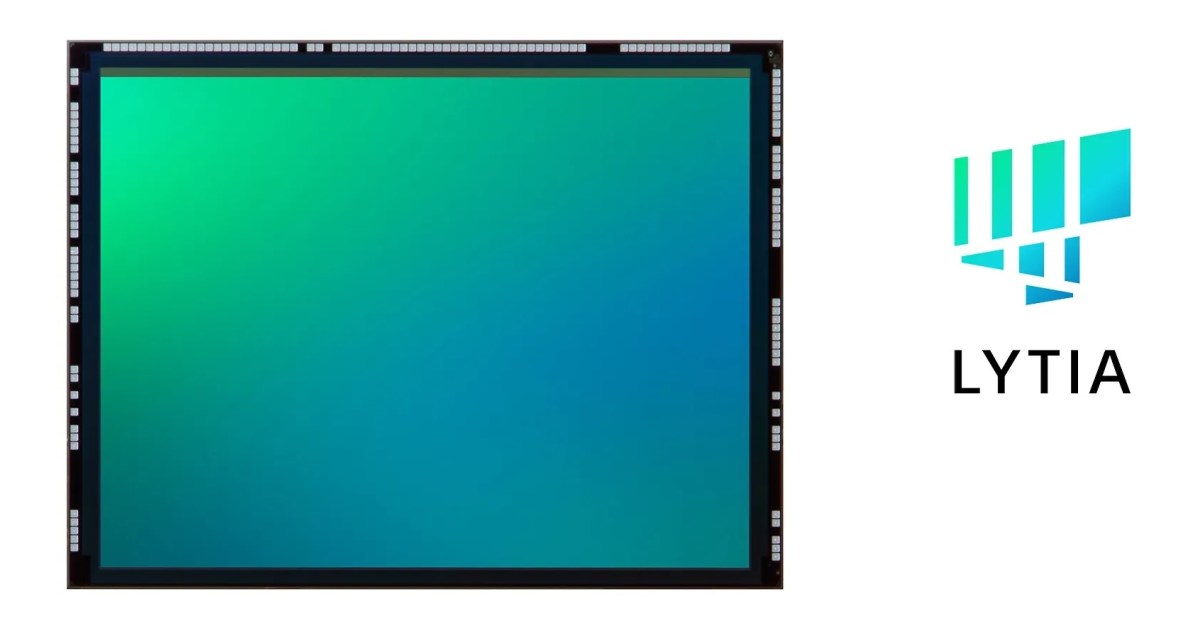
Smartphone main-camera sensors are moving toward stronger low-light and HDR performance. In its newly announced LYTIA 720, Sony Semiconductor Solutions Corporation places a stacked CMOS sensor around the 1/1.56-inch format used in many primary rear cameras, with approximately 50 effective megapixels, a diagonal length of about 10.24 mm, and 1.0 µm pixels.
Core Technologies From the LYTIA Series
The LYTIA 720 builds on several technologies found in Sony's higher-end LYTIA series while prioritizing weak-light imaging, autofocus and dynamic range. Its internal UHCG ultra-high conversion gain circuit improves the efficiency of converting charge to voltage. Compared with the previous-generation LYTIA 700 in the same sensor size class, random noise in low-light scenes can be reduced by about 50%, limiting visible grain and improving detail plus signal-to-noise ratio in night and dim-light shots.
Video, Autofocus and Single-Frame HDR
Sony redesigned and optimized the analog-to-digital (AD) conversion circuit for video, reducing conversion latency and power consumption. The result makes the LYTIA 720 Sony's first product combining full-pixel autofocus and 4K 60fps HDR video recording in a 1/1.56-inch sensor with 1.0 µm pixels.
Instead of relying on multi-frame HDR compositing, which can cause ghosting or motion trails in moving subjects, the sensor uses a single-frame HDR approach. This supports fast autofocus response and HDR video capture while keeping fast-moving scenes more natural.
Dynamic Range, Format and Production Timeline
The sensor supports Hybrid Frame-HDR and can achieve a maximum 100dB dynamic range. It processes DCG-HDR data from a single exposure together with highlight data from short exposures, then combines them in later processing to preserve shadow and highlight detail, reducing crushed blacks and blown-out highlights and producing images closer to what the human eye observes.
In terms of format, the LYTIA 720 uses a Quad Bayer color filter array for smartphone main cameras. Alongside 4K 60fps HDR video and full-pixel autofocus, it provides high-speed image readout while balancing image quality and power use.
Sony plans mass-production shipments to begin in early November 2026. If adopted broadly, the sensor could strengthen night photography, high-dynamic-range imaging and high-quality video recording in more mid-range and higher-end smartphones.