
Sociolla Singapore Store Comparison: Are Funan and Bugis Junction Worth Visiting?
Sociolla has entered Singapore with its first two stores at Funan and Bugis Junction, creating a practical comparison point for shoppers weighing curated brand access, offline discovery, and regional beauty trends. The decision question is not simply whether the launch exists, but whether its mix of more than 130 brands changes how consumers test new products across Southeast Asia.
Why a two-store launch matters more than a single opening
A paired opening gives a retailer two neighbourhoods, two traffic patterns, and two shopper behaviours to observe at once. It also makes expansion easier to evaluate: the test is whether the store model can hold attention after launch novelty fades. Tech in Asia reported that the outlets opened on November 10, 2026, moving a digital-first Indonesian portfolio into visible Singapore retail space.
For general readers, the useful read is behavioural. One store can be treated as a showcase. Two central outlets create a simple question for shoppers: do they come for a known brand, or for discovery that is harder to perform online?
Which brand mix fits which type of buyer
The shelf logic works best when split into risk-reducing names and trend-creating labels. Product categories span skincare, makeup, personal care, fragrance and wellness. Through the launch, more than 40 brands reach Singapore consumers through Sociolla for the first time.
| Buyer scenario | Representative brands | Why the fit matters |
|---|---|---|
| Low-risk shopping | JUNG SAEM MOOL, LANEIGE, COSRX, Laka and Round Lab | Familiar international names give shoppers a stable entry point. |
| Trend-led browsing | Rose All Day, HMNS and SAFF & Co, plus Sukin | Regional and emerging labels reward shoppers who treat beauty as discovery. |
| Authenticity-first purchase | Official brand or distributor sourcing | Verified supply matters when a shelf is wider than a consumer’s prior knowledge. |
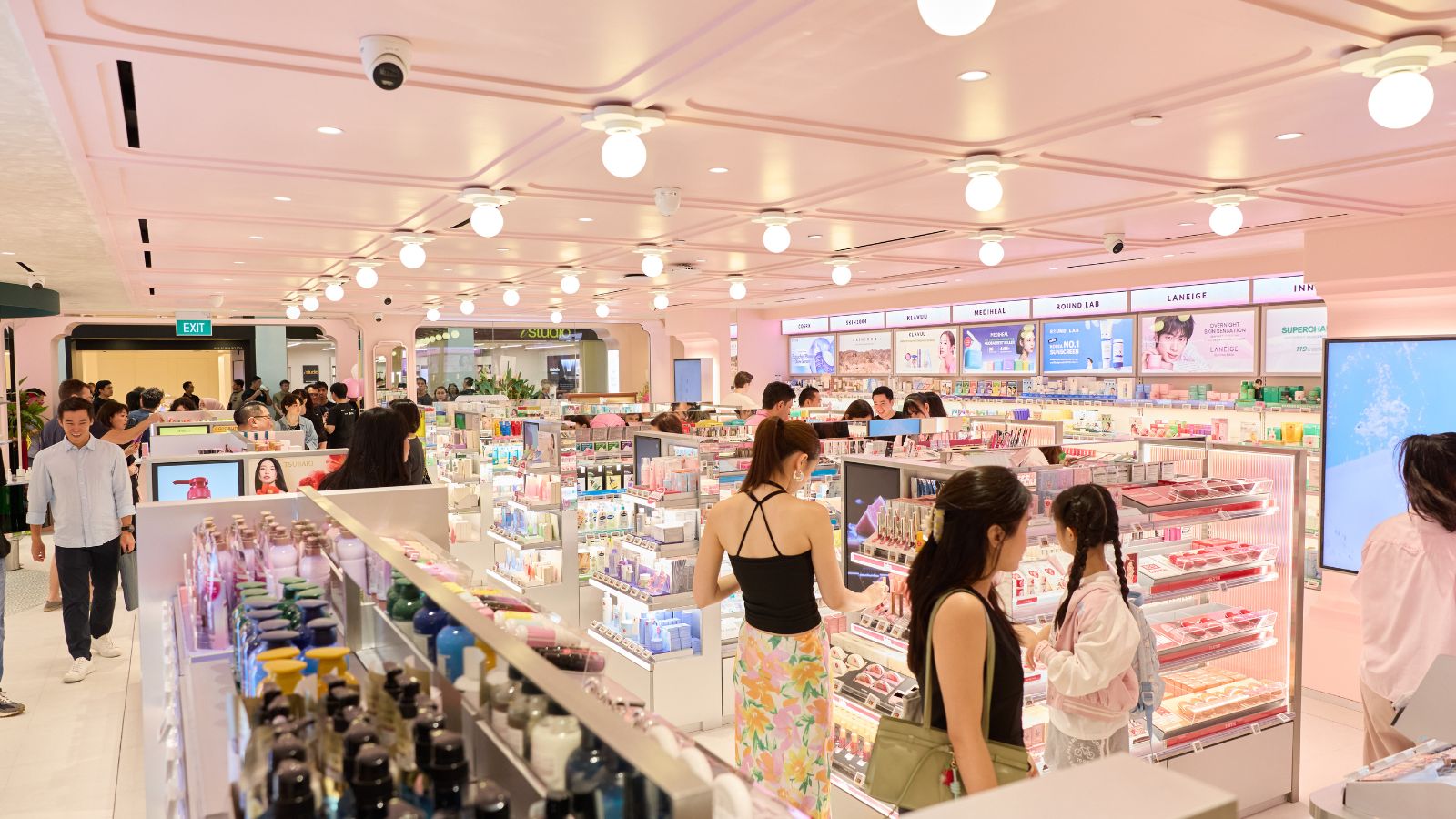
The base behind this entry is not small. The retailer already operates more than 200 stores across Indonesia and has a presence in Vietnam. That footprint suggests Singapore is not an isolated experiment, but the latest node in a broader regional model.
How online browsing differs from in-store discovery
Sociolla is working to connect digital and in-store experiences. The practical difference is clear: search helps shoppers narrow choices, while sampling helps them judge texture, scent, shade and finish before purchase. An omnichannel model only succeeds if both sides answer different parts of the same decision.
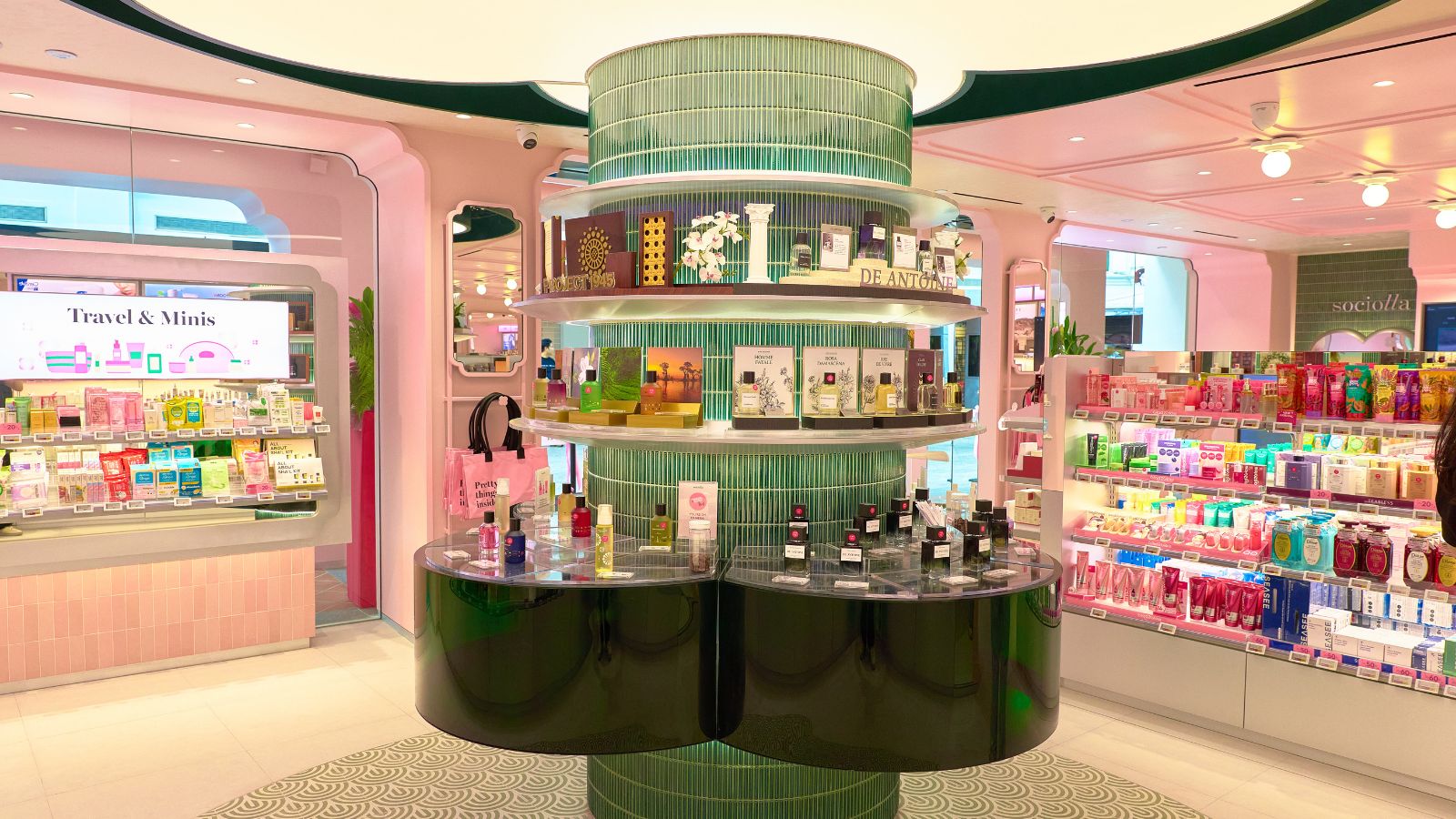
Christopher Madiam, co-founder and CEO of Social Bella Indonesia, framed the opportunity as a curation gap: “Singapore is where Asia’s beauty trends get tested. Consumers here are well travelled, well informed and always looking for what’s next. Over the past decade in Indonesia, we’ve learned to spot the brands people will love before they go mainstream. We’re bringing that curation to Singapore, including more than 40 brands that have never been available here before,” he said.
What market data says about the launch window
Singapore Department of Statistics data points to strong category momentum rather than a generic retail boom. Sales of cosmetics, toiletries and medical goods rose 11.2% year-on-year in August 2026, and the segment also recorded an 8.4% month-on-month increase. For wider context, The Straits Times reported total retail sales increased 0.7% year on year in the same month, suggesting beauty was one of the clearer growth pockets.
What the Love local campaign reveals about sourcing depth
The Singapore pitch rests on an ecosystem, not a single storefront. Social Bella was founded in 2015 and has built an integrated beauty and personal care platform around SOCO, Beauty Journal, Sociolla and Lilla. Its move into Vietnam in October 2020 marked the company's first international market entry.
Homegrown brands supply part of the expansion story. Sociolla has supported local growth through its annual Love local campaign, first launched in 2021. The 2026 edition, themed “100% cantik Indonesia”, ran from 16 July to 19 September and combined curation, in-store showcases, digital campaigns and storytelling. As of June 2026, local products accounted for 55% of its overall assortment, comprising more than 180 local brands and 6,000 active SKUs. Fragrance was the most concentrated area, with local brands making up almost 99% of offerings, while makeup, fragrance and skincare were among the platform's three highest-demand categories.
Madiam added the wider ambition in operational terms: “Funan and Bugis Junction are just our first steps in Singapore. We’ll keep bringing in new brands, especially from Indonesia and Southeast Asia’s fast-growing beauty scene, so there’s always something new to discover every time customers walk into a Sociolla store,” he said.
Trade-offs before judging the debut as a win
- A wide shelf is useful only when stock depth matches brand breadth.
- First-time availability is not the same as long-term local support.
- Regional brand storytelling can make discovery easier, but shade, skin sensitivity and return comfort still need in-person testing.
The strongest reading of the Singapore debut is practical: it creates a comparison test between known international brands, new-to-market regional labels, and the retailer's omnichannel promise. The weakest part is also easy to identify: success will depend on whether the stores maintain freshness after the first visit.
Frequently asked questions
What is the main difference between Funan and Bugis Junction for shoppers?
The launch material does not describe a different brand mix for the two outlets. The practical difference is location and shopping context, so choose by convenience first and by browsing intent second.
Do more than 40 brands mean every product is exclusive?
No. The anchor point is first availability to Singapore consumers via Sociolla, not a permanent guarantee of exclusivity.
Why does omnichannel retail matter for beauty?
Because digital browsing supports comparison, while stores support trial. The value appears when the two paths reduce uncertainty at different stages of the purchase journey.
Is this mainly an Indonesian expansion story?
Yes. The Singapore entry connects to Social Bella's earlier Vietnam move and to a wider Southeast Asia plan, but local execution still has to prove itself in front of Singapore consumers.
Verifiable sources
- Tech in Asia: first two Singapore outlets and November 10, 2026 launch detail.
- The Straits Times: overall Singapore retail growth in August 2026 and cosmetics comparison.
- Marketing-Interactive: Love local campaign details and local assortment data.