
Was the US$148 SKIMS Advent Calendar Worth It? A Side-by-Side Value Check on the Pulled Holiday Drop
On the arithmetic, no. SKIMS removed its limited-edition holiday advent calendar priced at US$148 after buyers said twelve doors of hair accessories, keychains and what the product page called "playful items" did not carry a brand-level price. Bloomberg first reported the removal, confirmed by a person familiar with the situation. The brand apologised and left purchasers with two options: return the calendar for a full refund, or keep it and take store credit.
The listing came down before most buyers finished opening the doors. In my log of failed releases this one stands out, because nothing broke in the functional sense: the product shipped as described, checkout worked, the campaign assets landed. The one acceptance criterion that failed was value per unit, and that kind of failure does not stay on the shelf.
Below is the check I would have run before ordering: unit cost against the category baseline, what accurate disclosure does and does not protect, and the refund-versus-credit trade-off. A reusable checklist closes the piece.
What happened, in order
- Bloomberg reported that the US$148 calendar disappeared from the brand's website after shoppers voiced disappointment on social media, with the removal confirmed by a person familiar with the situation.
- The objection clustered on Reddit and TikTok, where buyers compared the contents to dollar-store goods priced far below the sticker.
- SKIMS apologised to customers who had already bought, recognising that the item did not meet expectations.
- Two remedies were offered: a full refund on return, or store credit if the customer kept the product.
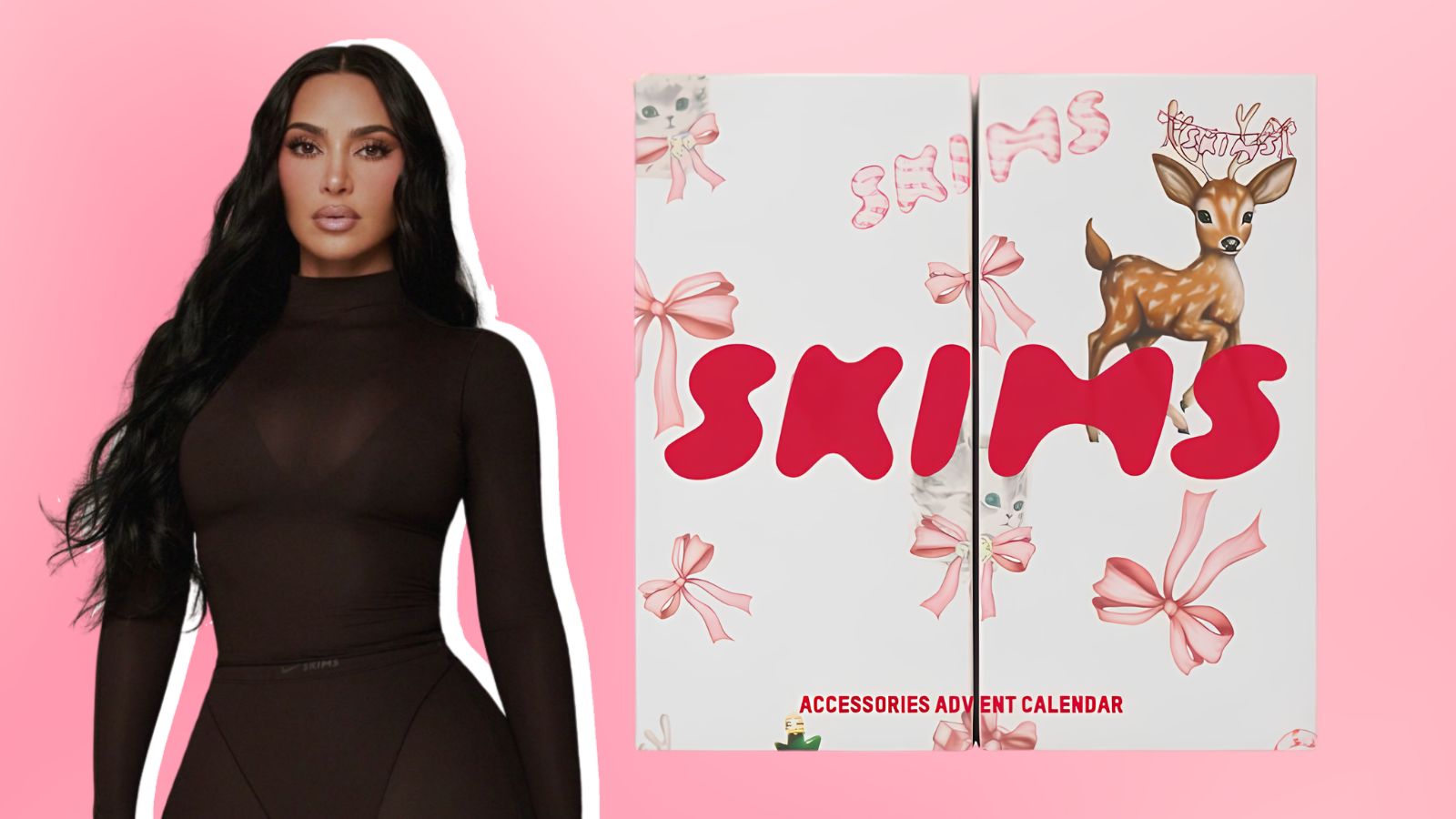
How US$148 for twelve doors compares with the category
The dividing line is simple: cost per door. The brand's own product page describes an accessories advent calendar with twelve days of surprises, so US$148 spread over twelve openings works out at roughly US$12.33 a door. My arithmetic, and I will state the uncertainty plainly: the piece count is not the same as the door count, since several doors repeat keychains, clips and hair ties, so a per-piece figure would move.
| Reference point | Sticker price | Doors | Cost per door | Published contents value |
|---|---|---|---|---|
| SKIMS holiday advent calendar | US$148 | 12 | about US$12.33 | none published |
| Independent tracker, 451 calendars, 2026 season (advent.center) | varies by brand | 24 typical | US$3.05 median | contents valued at about 2.8x price |
| Budget UK drugstore calendar, Soap & Glory (Mirror reporting) | £48 | 24 | £2 | brand claimed £92 |
Two structural differences matter more than the headline gap. Category convention asks a calendar to contain more retail value than it costs; the SKIMS listing published no such claim, which shifts the burden onto brand equity. And buyers in this category are not novices: an Ipsos survey from September 2025 reported that 72 percent of British adults buy an advent calendar, with chocolate dominating at 84 percent of choices and beauty accounting for about 15 percent. A cohort that purchases on ritual prices every year reacts fast when one arrives outside its own range.
Why an accurate product page did not protect the launch
Some defenders argued the description said "accessories" and listed the contents before purchase, so no one was misled. That reading holds on the facts and still misses the decision point. Disclosure caps the mislabelling argument. It does not cap expectation risk, because the price was set against the brand's own catalogue and the word "advent" imports a value promise that the item list cannot override. I cannot measure how many buyers felt deceived versus how many simply resented the ratio; the complaints on Reddit and TikTok read mostly as the second group.
The operational lesson is not about calendars. A cheap add-on priced like a core product is a pricing test that runs on customers, and the result comes back before your analytics do.
Refund or store credit: which one should a buyer take
| Option | What you give up | Better when | What to watch |
|---|---|---|---|
| Return for a full refund | The product itself, plus packing and shipping time | You bought it as a gift and it failed that job, or you would not buy from the brand at list price this year | Refund restores cash, not the weeks spent waiting on a limited drop |
| Keep the calendar, take store credit | Liquidity: credit is only spendable at this brand | You already purchase from SKIMS on a planned cycle, so the credit converts at face value | Credit presumes you still trust the price band that produced the complaint |
SKIMS told customers the outreach was proactive rather than policy-driven. "We have personally contacted every customer who purchased the calendar and offered them a choice of a full refund or a SKIMS credit," the company said in a statement carried by Today. The same logic we used when we reframed paid AI access as a reliability question applies here: credit is only money if you still expect to use the service, and this offer tests that expectation rather than your refund rights.
How the rollback sits inside a bigger expansion plan
The setback arrives while SKIMS moves beyond its core shapewear business into new categories and partnerships, including collaborations with Nike, The North Face and Fendi, plus an exploration of beauty that Kardashian previously signalled for 2027. On the campaign side the brand keeps leaning on celebrity-led formats: actor Will Ferrell's fictional golfing alter ego, Lonnie "The Hawk" Hawkins, fronted a menswear push tied to Netflix's The Hawk, with Ferrell staying in character as a washed-up professional golfer in a tongue-in-cheek film narrated by Kim Kardashian. For NikeSKIMS Spring '26, BLACKPINK's Lisa performs with professional ballerinas to a reimagined version of Mozart's Queen of the Night, directed by Sergio Reis and filmed in Paris.
The scale behind that rollout explains why a low-ticket SKU earns scrutiny. In November 2025 the company raised US$225 million in a round led by Goldman Sachs that valued SKIMS at US$5 billion, with net sales reported on track to exceed US$1 billion in 2025 (CNBC). Twelve doors of hair accessories will not move that revenue line. They can, however, move the price narrative that a US$5 billion valuation is built on, which is why a spokesperson told Bloomberg the response would directly shape future product launches.
Four common misconceptions
- "It was pulled for poor quality." No report alleges a defect; the complaint was value per unit.
- "The contents were listed, so the launch was safe." Accurate description removes the mislabelling claim, not the expectation gap created by the price anchor.
- "This is an isolated novelty mistake." It landed in the middle of a category expansion and a fresh funding round, which raises the cost of the signal.
- "Refunds end the story." The brand framed the episode as input to future launches, so the next drop is the real test.
Questions readers keep searching
Is the calendar still available?
No. Bloomberg reported the listing was removed from the brand's website after customer complaints, and no restock was announced in the reporting available to me.
What did buyers actually receive inside?
Hair accessories, keychains and additional "playful items", including clips and hair ties, according to the reporting and the product description that survives on the brand's own page.
Was US$148 the worst part, or the contents?
Both, in sequence. Shoppers on Reddit and TikTok objected to the items first; the price turned that objection into a value calculation that category convention does not support.
Does the refund offer change the product's future?
A SKIMS spokesperson told Bloomberg the company treats customer feedback seriously and that the response would shape future launches. Nothing published yet defines what changes in 2027.
Checklist: whether to pre-order any limited holiday drop
- Divide the price by the number of openings, not by the marketing claim of "surprises".
- Check whether the brand publishes a contents value; if it does not, assume you are paying for access, not for goods.
- Compare against the category median for the same ritual, not against other premium brands.
- Read the return terms before the drop, and note whether a refund is your right or a goodwill offer.
- Decide in advance whether you buy from this brand again at list price within twelve months; if not, credit is worth less than cash.
- Rank a drop the way we ranked a smartwatch upgrade on charging time and price rather than the spec sheet: one or two metrics that decide it, not the whole sheet.
- Treat social reaction as data, not verdict: wait for the unboxing ratio posts, where contents are itemised.
Sources referenced
- Bloomberg reporting on the removal, also covered by The Straits Times
- Today: SKIMS statement on refunds and store credit
- CNBC: SKIMS funding round and valuation, November 2025
- Ipsos: advent calendar buying survey, September 2025
- advent.center: 2026 calendar statistics across 451 calendars
- SKIMS product page: accessories advent calendar, twelve days of surprises