
Missing Core Chip Turns a Used RTX 5090 Listing on Amazon Into a Hardware Warning
A buyer familiar with marketplace second-hand purchases says a used RTX 5090 obtained through Amazon's official used-goods channel arrived with physical clues suggesting that its most valuable silicon was absent.
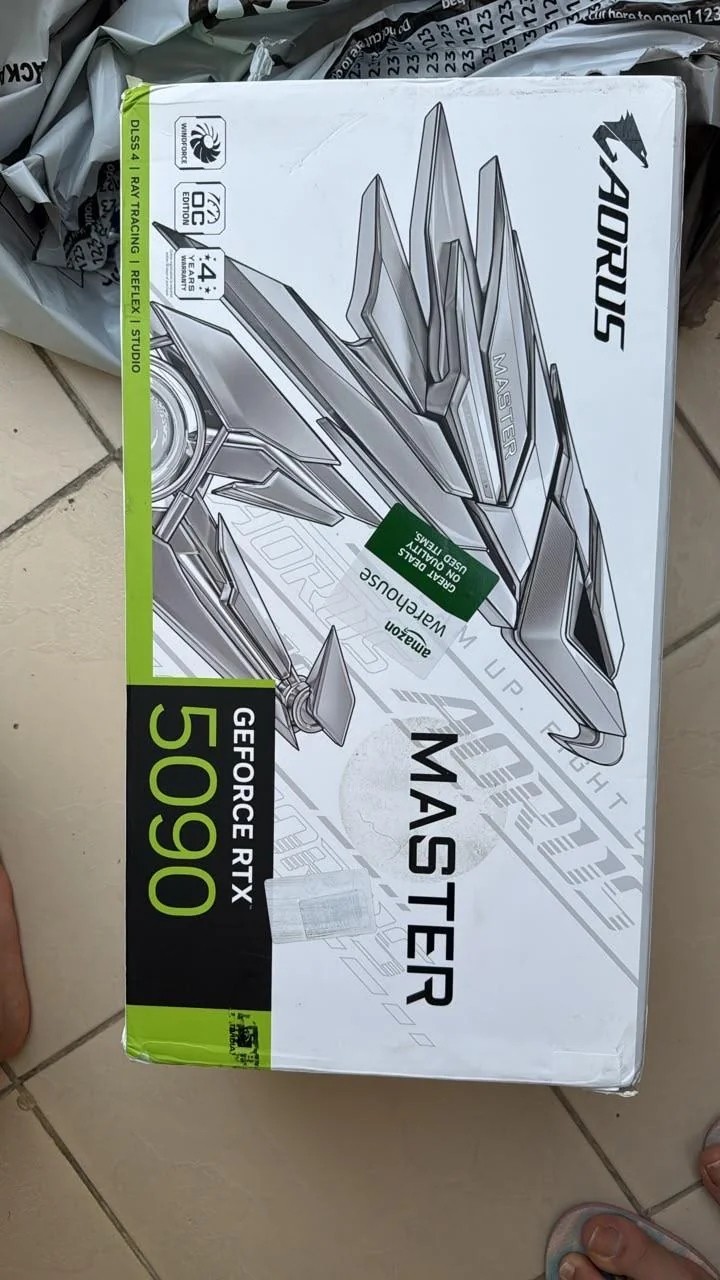
The purchase decision leaned on prior experience with Amazon second-hand items, and the card was considered acceptable because it was offered through Amazon's official used-goods channel rather than from an unidentified third-party source.
At delivery, the outer packaging showed only light wear, which did not initially alarm the buyer for a used product, and the accessories also appeared normal before the graphics card was removed from the box.
The concern began once the card was in hand: a small connector near the power interface was loose, and multiple fan connectors on the rear side were disconnected. Those conditions raised the possibility that the card had already been opened.
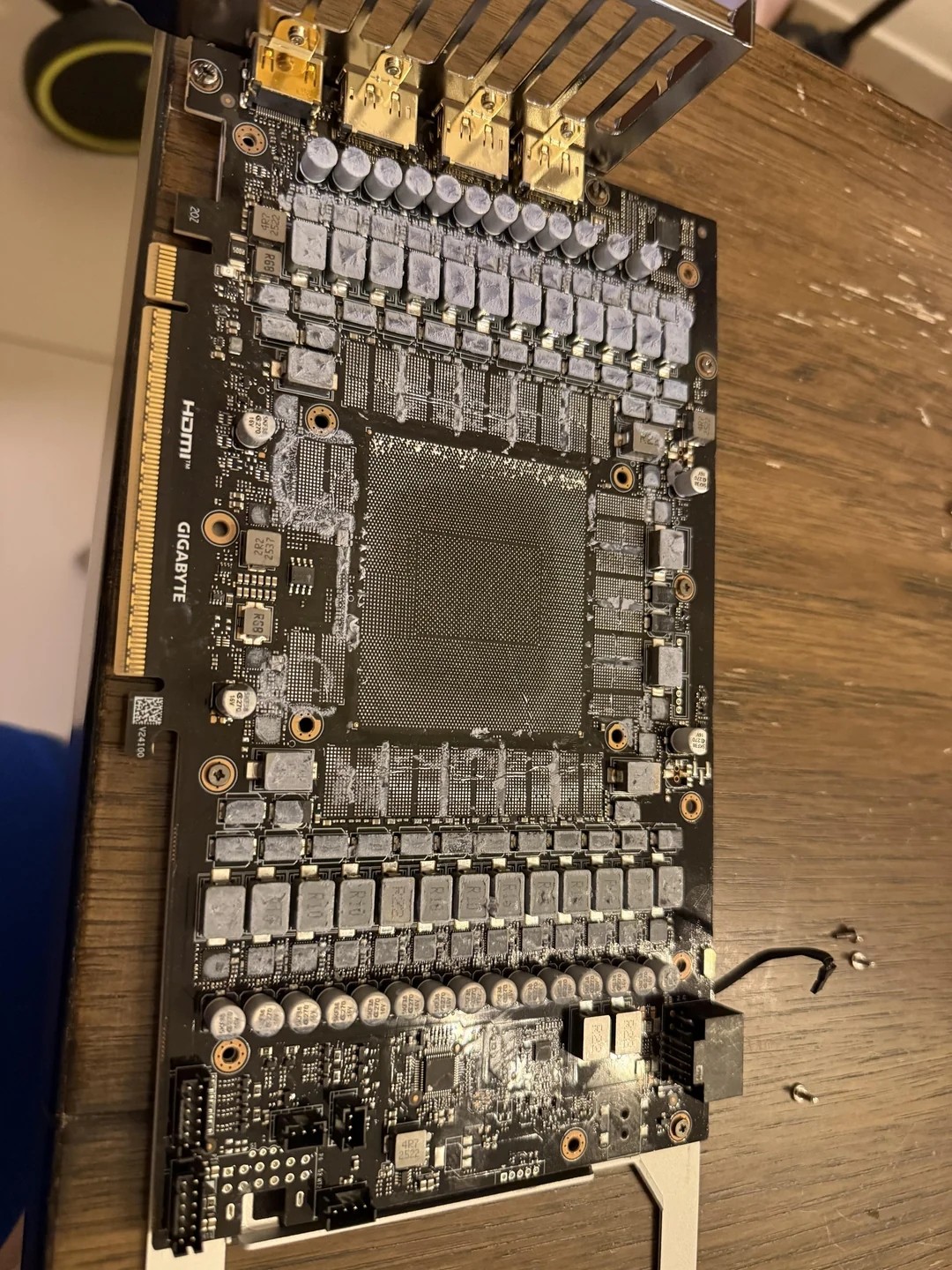
A closer inspection strengthened the suspicion. The cooler fastening screws were unusually loose, thermal material remained visible on the heatsink surface, and the board area that should hold the core chip was empty. The described evidence centered on the missing GB202 core.
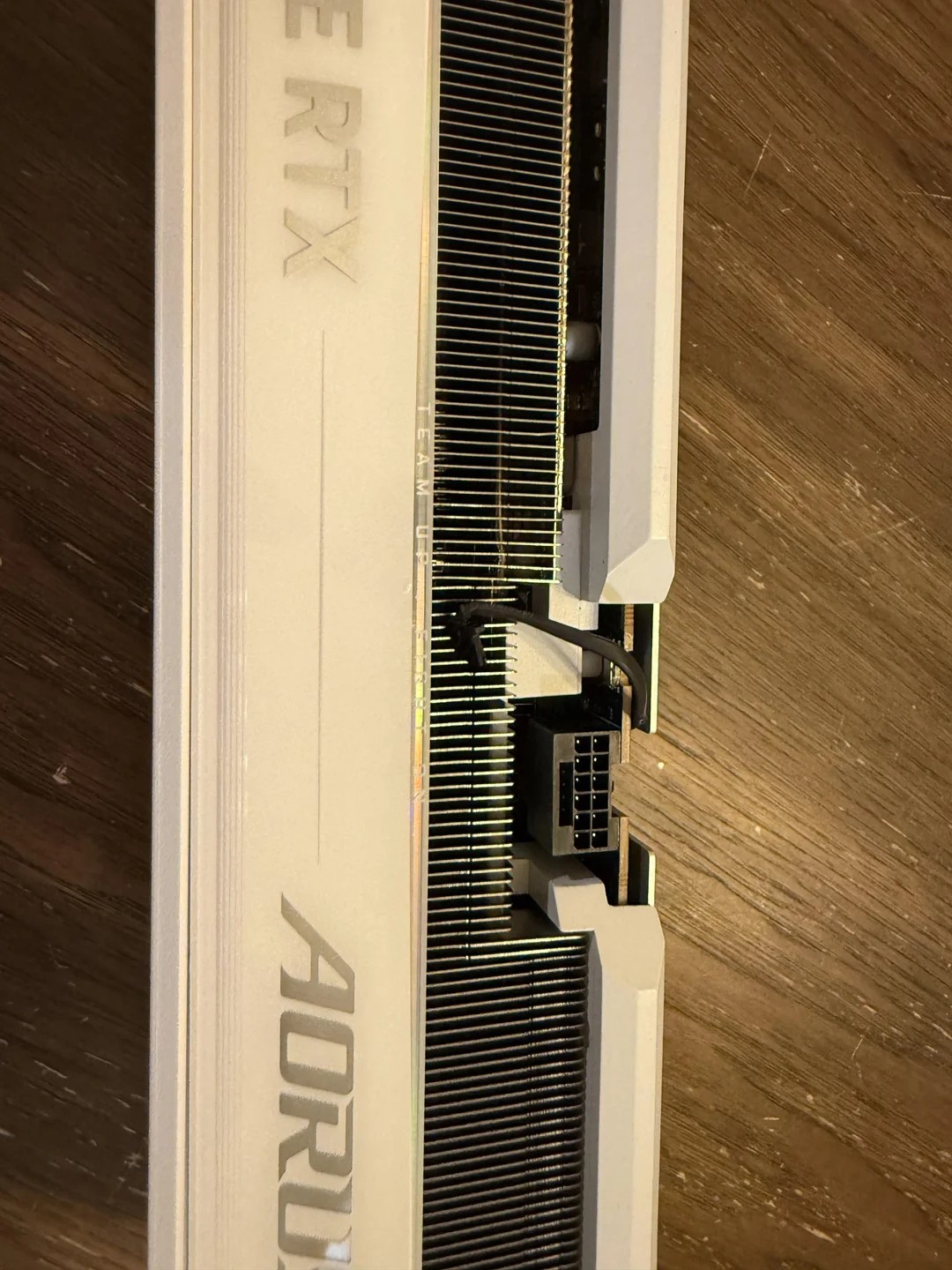
The account frames the incident as a possible chip-swap scheme: a person first obtains a new RTX 5090, opens the card, removes the GB202 core and GDDR7 memory with professional equipment, reinstalls the cooler and the now coreless PCB, and then returns the card through the retail channel.
The buyer also suggests that inspection personnel may focus mainly on appearance rather than internal hardware, allowing a returned card to be listed again. At the stage described, the buyer had submitted a return request to Amazon but had not received a clear refund answer.
What the account highlights
- Trust in the purchase came from the buyer's previous use of second-hand listings on the platform and from the channel's official used-goods status.
- Initial packaging and accessory condition did not immediately reveal a problem.
- Loose power-connector hardware, disconnected fan links, unusually loose cooler screws, and thermal residue indicated possible prior disassembly.
- The absence of the core chip, identified as the GB202 core, and the suspected removal of GDDR7 memory formed the main hardware concern.
- The return process had not produced a clear refund outcome in the account described.
The episode shows how a used-card purchase routed through an official marketplace channel can still turn into a component-level audit question once missing silicon is suspected.