
Raspberry Pi e-book bundle compared: what £4, £19, and 15 titles mean before 1 December
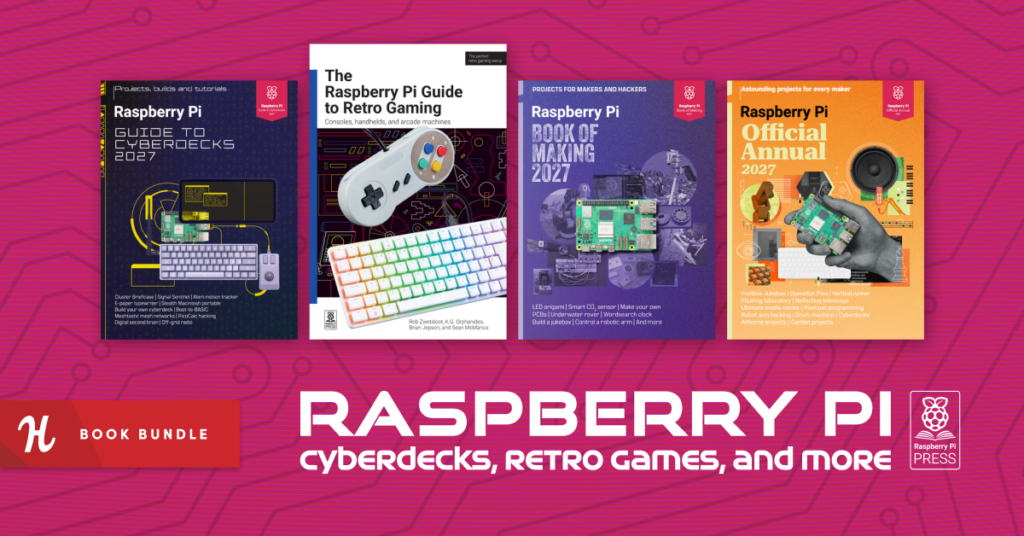
A maker wants a portable cyberdeck, a retro game box, and maybe an AI camera without buying fifteen separate guides. The short answer is yes: the Humble Tech Book Bundle: Raspberry Pi Cyberdecks, Retro Games, and More packages 15 e-books, five new books, and a 15-book library for a chosen price from 10 November to 1 December at 7pm GMT (11am PT).
But “yes” only for the right buyer. This is not a premium course, and it is not a hardware kit. It is a low-friction way to compare project routes before soldering anything, buying an accelerator, or spending hours on the wrong build. According to the Raspberry Pi newsroom, the sale is a pay-what-you-want library whose purchase supports the Raspberry Pi Foundation.
What does the bundle actually include?
The official list centres on Guide to Cyberdecks 2027, Guide to Retro Gaming, Official Raspberry Pi Beginner’s Guide, and several maker and AI titles. The same Humble Bundle page describes the set as a 15-book library, so the practical question is whether these lanes match the project you intend to start.
- Test-the-water price: buyers can pay as little as £4 ($5).
- Full-library price: £19 ($25) or more unlocks all 15 titles.
- Reference total: the listed value can reach £255 ($341), although the payment is chosen by the buyer.
- Charity angle: the purchase supports the Raspberry Pi Foundation, whose public description is a global charity enabling young people to realise potential through computing.
- Reading formats: the e-books are PDF and ePub files without restrictive DRM, suitable for computers, e-readers, iPads, smartphones, and many mobile devices.
For readers weighing whether inexpensive single-board projects are still safe in a shifting component market, our internal 385 Dollar Raspberry Pi 5 memory-risk case adds a caution: knowledge budgets and hardware budgets rarely move together.
How does the bundle compare with buying titles separately?
| Buyer intent | Better route | Practical reason |
|---|---|---|
| Curious beginner | £4 ($5) | Sample starter guidance, including the Official Raspberry Pi Beginner’s Guide, without committing to all hardware paths. |
| Serious builder | £19 ($25) or more | Unlock all 15 titles, covering cyberdecks, retro gaming, making, annual guides, and AI projects. |
| Value analyst | Compare against £255 ($341) | The price is chosen, and the listed total is useful mainly as a reference point, not a required payment. |
The comparison is not about “cheap” versus “expensive.” It is about breadth. A reader who only needs a RetroPie setup may overbuy. A reader deciding between a cyberdeck, an arcade cabinet, a Pico-based sensor project, and an AI camera may underbuy if they take only one guide.
Which guide fits which project path?
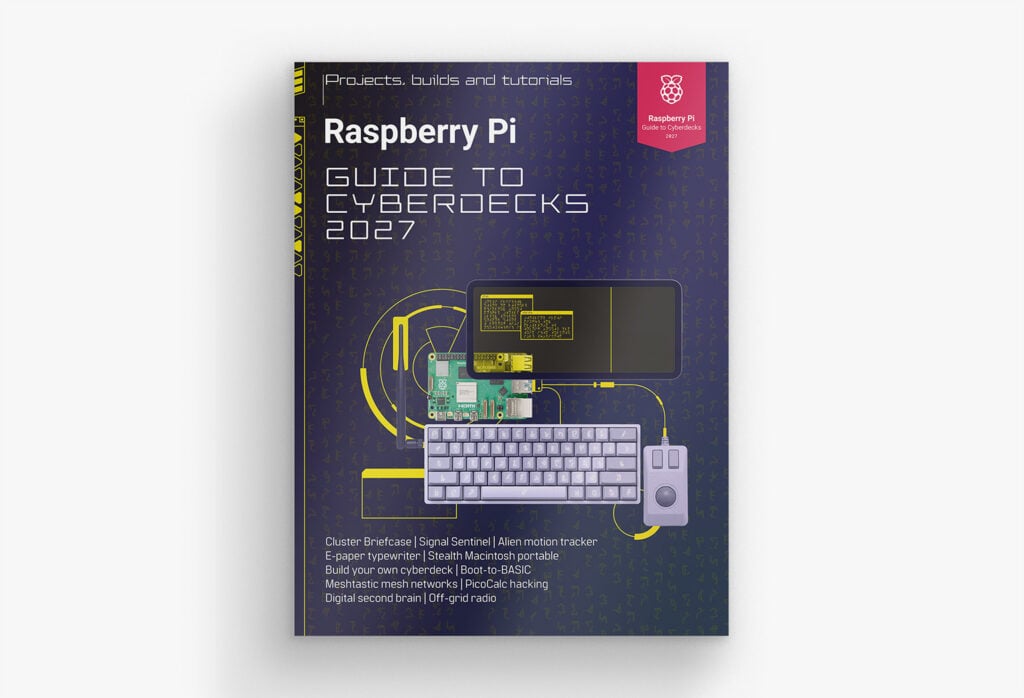
Should you start with Raspberry Pi Guide to Cyberdecks 2027?
This title is a Humble Bundle exclusive, and the article notes that until its estimated official publication date in early 2027, this bundle is the only way to obtain it. Cyberdecks are portable, hackable, low-tech computers inspired by cyberpunk fiction: a small screen, a physical keyboard, and a build that rejects the boring slab of glass and glue.
Best fit: builders who want a statement device and are comfortable sourcing parts, writing their own case notes, and accepting a non-mainstream laptop shape.
Should you start with Raspberry Pi Guide to Retro Gaming?
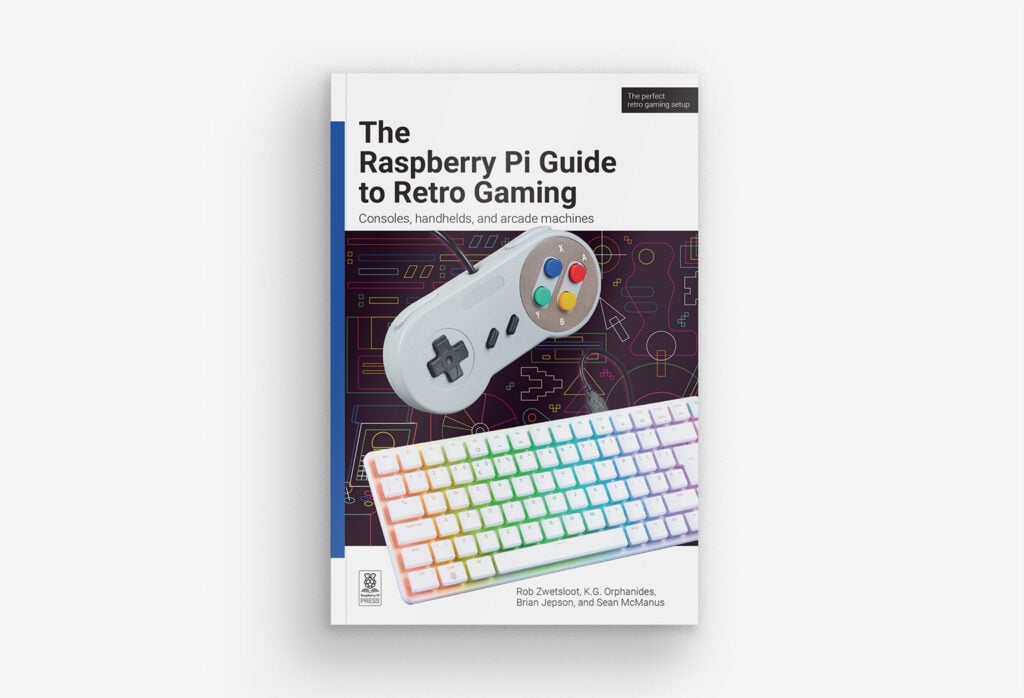
For a living-room machine, this is the most familiar path. The book’s appeal is simple: enthusiasts like Raspberry Pi because a retro setup can run on one device instead of the roomful of consoles and computers common in the 80s and 90s. The guide covers home setups, pocket handhelds, and full arcade machines.
Best fit: households that want playable nostalgia without collecting original hardware.
Should you start with Raspberry Pi Official Annual 2027?
Use this if you want a broad overview before choosing a hardware family. The large book gathers tutorials, project showcases, guides, and product reviews from Raspberry Pi Official Magazine. Its 200 pages cover Raspberry Pi 500+, Raspberry Pi 5, Raspberry Pi Pico, and Raspberry Pi Zero 2, making it a useful “first map” for readers who do not yet know their project.
Best fit: teachers, parents, beginners, and anyone comparing Pi models before buying.

Should you start with Raspberry Pi Book of Making 2027?
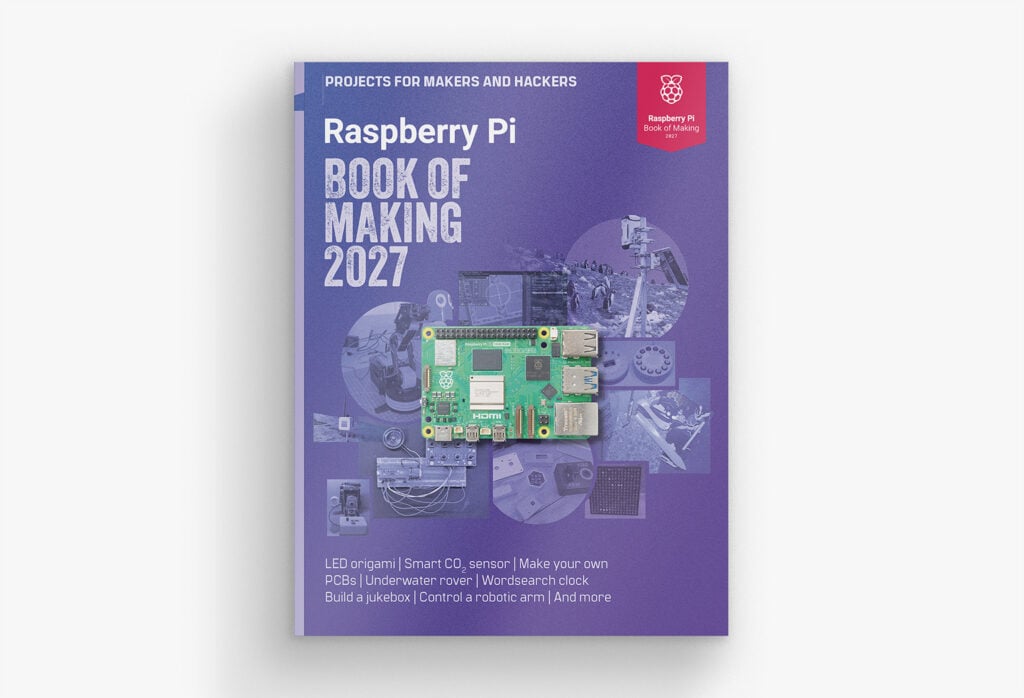
This lane treats technology as something built, not only bought. Raspberry Pi Book of Making 2027, also listed in the bundle as Book of Making 2027, points toward 3D-printed soap moulds, robot arms, sensor-led reactive quilts, underwater rovers, wordsearch clocks, and digital jukeboxes. The argument is that a modern maker needs both digital and physical thinking.
Best fit: people with a printer, soldering iron, or curiosity about mixed craft-electronics projects.
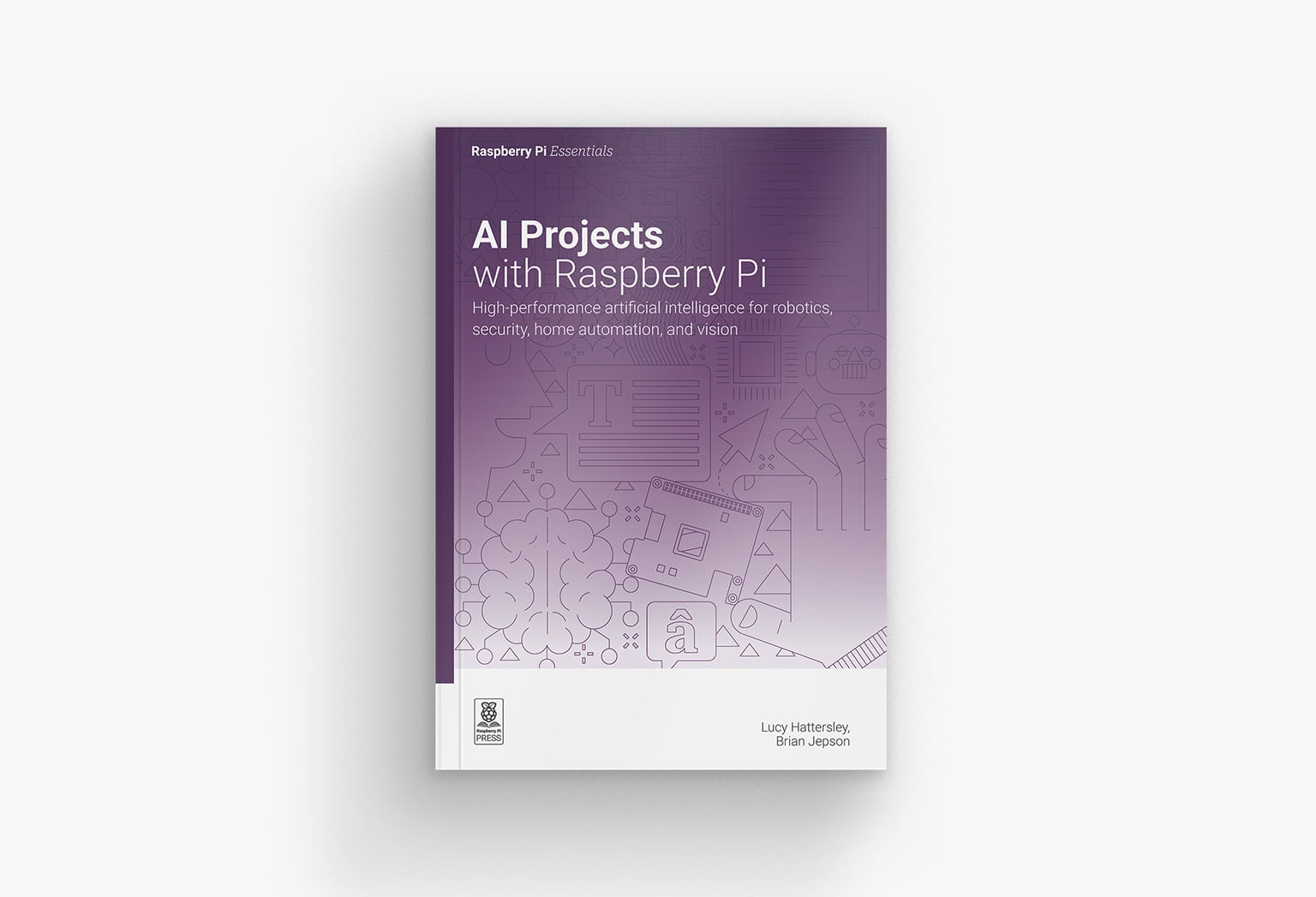
Should you start with AI Projects with Raspberry Pi?
This is the least “retro” path and the most practical for readers testing vision models, environmental sensing, or interactive builds. The guide explains how to run models directly on the CPU and on the Raspberry Pi AI HAT+ and AI HAT+ 2 neural network accelerators. It also distinguishes projects built with or without accelerator hardware, which matters if you are trying to avoid unnecessary purchases.
Best fit: educators and tinkerers exploring computer vision on a small Linux board without assuming the answer is always another accelerator.
Common mistakes when judging a pay-what-you-want library
- Assuming every file is brand-new: the bundle contains five new books, but also earlier titles.
- Reading £255 ($341) as a price: it is a listed reference value, not a required payment.
- Waiting for a separate cyberdeck release: the Raspberry Pi Guide to Cyberdecks 2027 is described as available only through the bundle until early 2027.
- Treating a PDF as a finished project: guides reduce uncertainty, but hardware choices still need testing, spare parts, and a realistic schedule.
FAQ: what readers ask before buying
Is £4 ($5) enough?
It is enough to sample the library, not enough for full access. If your plan spans cyberdecks, retro gaming, making, annual guides, and AI projects, pay £19 ($25) or more to unlock all 15 titles.
Can I read the files on iPads?
Yes. The files are PDF and ePub without restrictive DRM, so they can move across computers, e-readers, iPads, smartphones, and many mobile devices.
When does the offer close?
The bundle runs from 10 November to 1 December at 7pm GMT (11am PT). If you are buying after the deadline, check the Raspberry Pi Official Magazine website for other titles and back issues.
Who benefits from the payment?
The purchase supports the Raspberry Pi Foundation, which describes its mission as enabling young people to realise their potential through computing.
Should beginners buy the whole bundle first?
Not always. If you are only evaluating a single project, choose one path: the beginner guide, the retro gaming guide, or the annual. Buy breadth only when you have more than one plausible build.
Decision checklist before the deadline
- Pick the one outcome you want: a portable cyberdeck, a retro game box, an AI experiment, or a general project overview.
- If uncertain, start at £4 ($5). If the project list is already in motion, £19 ($25) or more unlocks all 15 titles.
- Check whether your spare time matches the hardware: cyberdecks need fabrication, retro machines need display/audio setup, AI projects may need an accelerator.
- Keep the PDF and ePub copies in two places, because portable files are the main advantage of the DRM-free format.
The next step is to stop browsing bundles and name one project. Once the target is clear, the bundle either saves money by covering alternatives or wastes it by adding unread books. Confirm the current list and close date on the Humble Bundle page before 1 December.