
Raspberry Pi $385 16GB Model: Comparing Pi 5, CM5 and Pi 500+ in a Memory-Driven UK Price Shift
Short answer: The United Kingdom-based single-board computer maker Raspberry Pi has again adjusted pricing because memory costs are rising. The 16GB version of the Raspberry Pi 5 now carries an $80 increase, bringing its price to $385, while the 16GB version of the Raspberry Pi Compute Module 5 rises by $40. The Raspberry Pi 500+ all-in-one keyboard computer remains unchanged. The company acknowledged that this is not good news for users, but said the move is unavoidable. For most everyday readers, this is not a cue to upgrade; it is a cue to compare memory needs, use cases, and purchase channels before spending more.
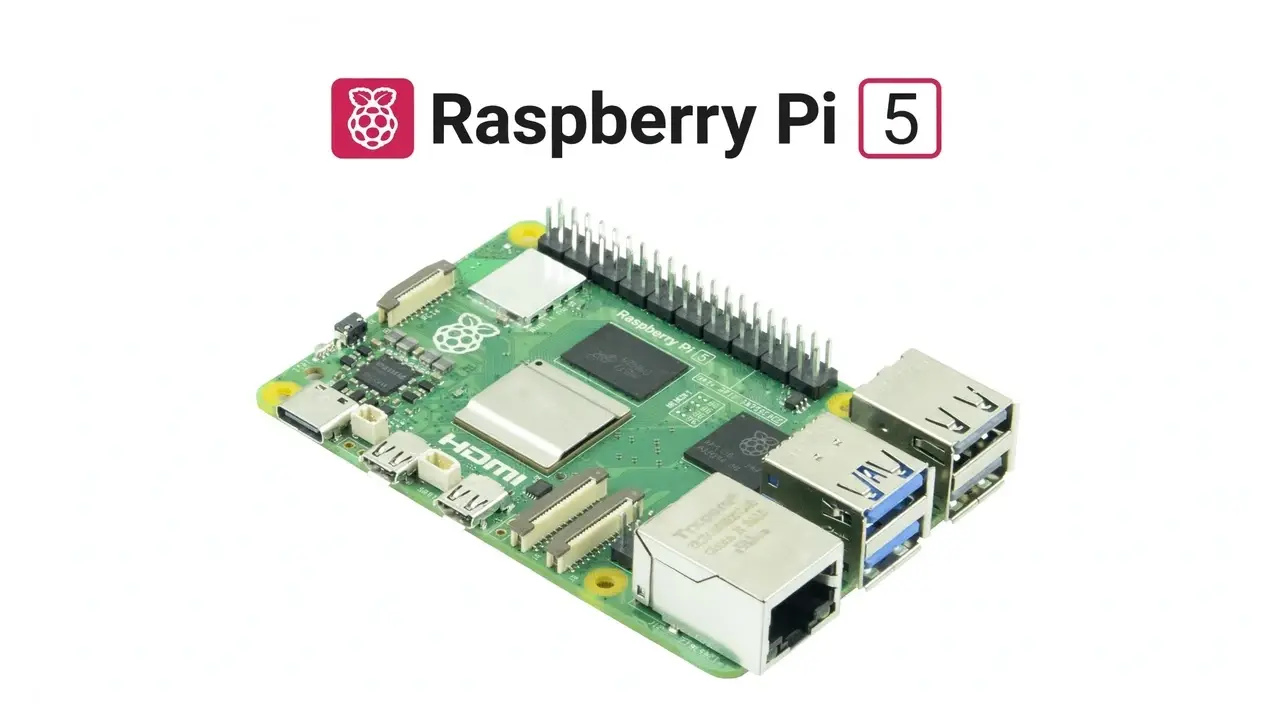
The price change, in plain terms
Raspberry Pi's message is that the latest step is targeted, not blanket. The 16GB capacity is the pressure point: the company says the DRAM chips needed for that configuration currently lack a practical alternative supply source, so the cost increase is being passed through in the final price. That does not mean every Raspberry Pi product is more expensive. The company also says the Raspberry Pi 500+, a product that has been one of its important consumer-oriented launches in recent years, keeps its original price because it is designed for desktop-style use rather than maximum RAM-heavy workloads.
Why memory is making small boards expensive
The core issue is not just board manufacturing. Memory pricing is being shaped by global AI infrastructure demand. High-bandwidth memory, or HBM, is used heavily in AI servers, and memory makers are allocating scarce resources toward that segment. Market analysis from S&P Global Market Intelligence and technology reporting from IEEE Spectrum point to the same basic dynamic: when HBM demand grows, conventional DRAM supply becomes tighter, and component prices rise. Raspberry Pi's own explanation matches that pattern: AI expansion has strained memory resources, and alternative component paths are limited.
This is also a warning for buyers and organizations: a board that once seemed like a predictable budget item can become a volatile purchase when one component class dominates its cost structure. If a deployment requires many 16GB boards, the increase is not just a one-off price adjustment; it may affect procurement timelines, fleet planning, and the decision between new high-memory models and older stock. Raspberry Pi also notes that other computer and hardware makers face similar cost pressure, so this is an industry-level squeeze, not a brand-specific failure.
Comparison: what each option is really for
| Option | Pricing signal | Best fit | Main trade-off |
|---|---|---|---|
| 16GB Raspberry Pi 5 | Raised by $80 to $385 | Edge AI, heavier multitasking, container-style workloads, memory-limited projects | Users can overpay for 16GB capacity they never use |
| 16GB Raspberry Pi Compute Module 5 | Raised by $40 | Embedded boards, kiosks, industrial prototypes, compute-module designs needing more RAM | Project cost may include carrier boards, integration time and higher memory pricing |
| 2GB Raspberry Pi 5 and Raspberry Pi 4 | Prices of the 2GB version were raised last month | Light desktop work, classroom machines, simple GPIO projects, low-load automation | Less headroom if the workload suddenly grows |
| Raspberry Pi 500+ | Unchanged price | Desktop-oriented learning, browsing, coding practice, keyboard-integrated use | Not the ideal path for RAM-heavy server or module projects |
The practical takeaway is simple: if you cannot name a workload that benefits from 16GB, do not pay for it. The most expensive board can be the cheapest decision only when its extra memory is actively used.
Is this the first increase?
No. Within the past year, Raspberry Pi has repeatedly adjusted prices in response to memory costs. Last month, it raised the price of the 2GB version of the Raspberry Pi 5 and the Raspberry Pi 4. Earlier increases occurred in February 2026 and December 2025, also linked to rising memory costs. That recurring pattern matters more than any single headline price. It suggests memory is now a variable-cost factor, not a background component expense.
Buyer risks: what to watch before checkout
Speculative listings and mismatched claims
Raspberry Pi warns that tight supply can create resale distortions. Some sellers may list boards far above official suggested retail prices, or advertise configurations that do not match the goods actually sold. The safest check is to buy through the official certified reseller network and compare the product listing with the official pricing channel. That protects both price and support expectations.
Total cost, not sticker price
For 16GB buyers, the true cost may include case, power supply, storage, carrier board for the Compute Module 5, shipping, and downtime if the wrong model is chosen. For classrooms and makers, these ancillary costs can exceed the board difference between 2GB and 16GB versions. That is why the old-device or lower-memory choice can be rational even when the newer board is more capable.
Common misconceptions
- "More memory always means better value." Not necessarily. A Raspberry Pi used as a browser, terminal, classroom computer, or simple controller does not benefit from RAM it cannot use.
- "Every Raspberry Pi product is becoming expensive." The 16GB Raspberry Pi 5 and 16GB Compute Module 5 are affected, while Raspberry Pi 500+ keeps its original pricing.
- "A lower price from an unofficial seller is automatically safe." Marketplace scarcity can encourage speculative pricing, and product claims may not match the actual item.
- "Raspberry Pi can simply absorb memory costs." The company says 16GB DRAM has no practical substitute supply source for now, which limits its options.
Action checklist
- Write down the actual workload: browser, education, GPIO control, container tasks, AI inference, desktop work, or embedded module design.
- Ask whether the project truly needs 16GB capacity. If not, compare a 2GB version or an older Raspberry Pi device.
- Check the seller's official certified reseller status before trusting pricing and product claims.
- Estimate total cost, including power, storage, case, carrier board, and software setup time.
- Recheck official product pricing after memory-driven updates, because price moves within the past year have occurred in December 2025, February 2026, last month, and again with this latest 16GB adjustment.
FAQ: quick answers for ordinary readers
Is the $385 Raspberry Pi 5 still a good deal?
It depends. If your project genuinely needs 16GB RAM, it may be the only practical way to meet the requirement. If you mainly browse, teach basic coding, or run simple automations, the same task may work on a cheaper 2GB version or an older device.
Should I buy now to avoid future hikes?
Only if you already need the board. Panic buying can lock in speculative pricing and turn a hardware decision into a gamble. Raspberry Pi says the memory crisis is temporary, but external analysis on HBM demand suggests recovery may not be quick.
Is Raspberry Pi saying prices will go down soon?
Not exactly. It says future price reductions are possible after the market stabilizes, but no date is promised. Industry skepticism remains high because global AI data centers continue to consume memory capacity, HBM is gaining more production resources, traditional DRAM supply pressure may persist for a long time, inflation factors are reappearing, and the return to earlier low-price Raspberry Pi models remains uncertain.
What should beginners choose?
Start lower, not higher. Beginners usually benefit more from a stable budget board plus official documentation than from the maximum RAM tier. If a project later outgrows the device, upgrade the next phase rather than paying for unused headroom upfront.
Verdict: compare before you pay
This Raspberry Pi price increase is best read as a decision test, not just a price announcement. The 16GB version Raspberry Pi 5 at $385 and the 16GB Compute Module 5 increase by $40 reflect a narrow but real component-cost squeeze. The unchanged Raspberry Pi 500+ shows the company is still trying to keep practical paths available. For readers at ItInsightsWorld, the conclusion is simple: identify the job the board must do, buy from official channels, choose the lowest memory tier that clears that job, and avoid paying for AI-driven scarcity unless the project truly requires it.
Written by James Hartley for ItInsightsWorld. Contact IT Insights at contact@itinsights.com for questions about this analysis.