
Pixel Watch 3 vs Pixel Watch 5: The Side-by-Side That Puts Charging Speed and Price Above the Spec Sheet
Short answer: buy the discounted older generation when the difference you can actually feel comes down to charge times and a fresh battery, and pay for the flagship only when new silicon, sensors or system design change something you touch every day. That one test — felt gain versus paid premium — decided a recent two-year wearable swap, and it transfers cleanly to phones, laptops and any product line that refreshes annually.
The case file is an ordinary one. In September 2023 I finally got a Google Pixel Watch onto my wrist, even though its introduction dated to May 2022 and production started in October of that same year.
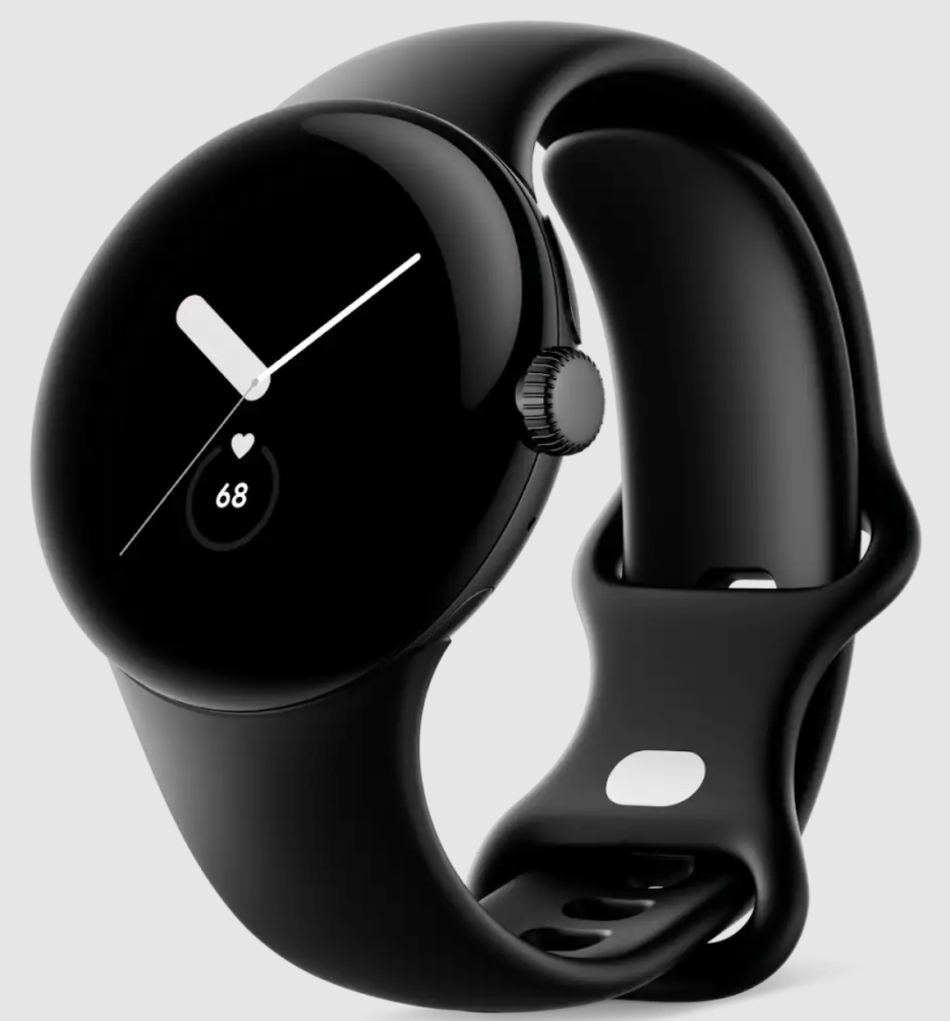
That first watch held the position of daily driver until just a few months ago, absorbing firmware, O/S and app-suite updates without drama. What sits on the wrist now is the third-generation model released in August 2024 — another late move — and pointedly not the Pixel Watch 5 Google unveiled in August of this year, which landed just a few months back. At ItInsightsWorld we read that choice as a general upgrade puzzle rather than a niche gadget argument, so below the whole Pixel Watch line is laid out side by side: silicon, endurance, charging architecture, receipts and a scenario table you can reuse.
What actually changed across the four generations?
Conclusion first: battery capacity moves in small increments, charging method moves in one big leap, and the processor sits in between. Everything else is styling and support runway.
| Model | Processor | 41 mm cell | Charging method |
|---|---|---|---|
| Pixel Watch 1 | dual-core Arm Cortex-M33 inside the Samsung Exynos 9110 SoC | 294 mAh | backside magnet-enhanced inductive puck |
| Pixel Watch 3 | Qualcomm parts: quad-core Cortex-A53 plus a single-core Cortex M55 SW5100 co-processor, sold as Snapdragon W5 Gen 1 | 307 mAh | pogo pins on a magnet-aligned puck |
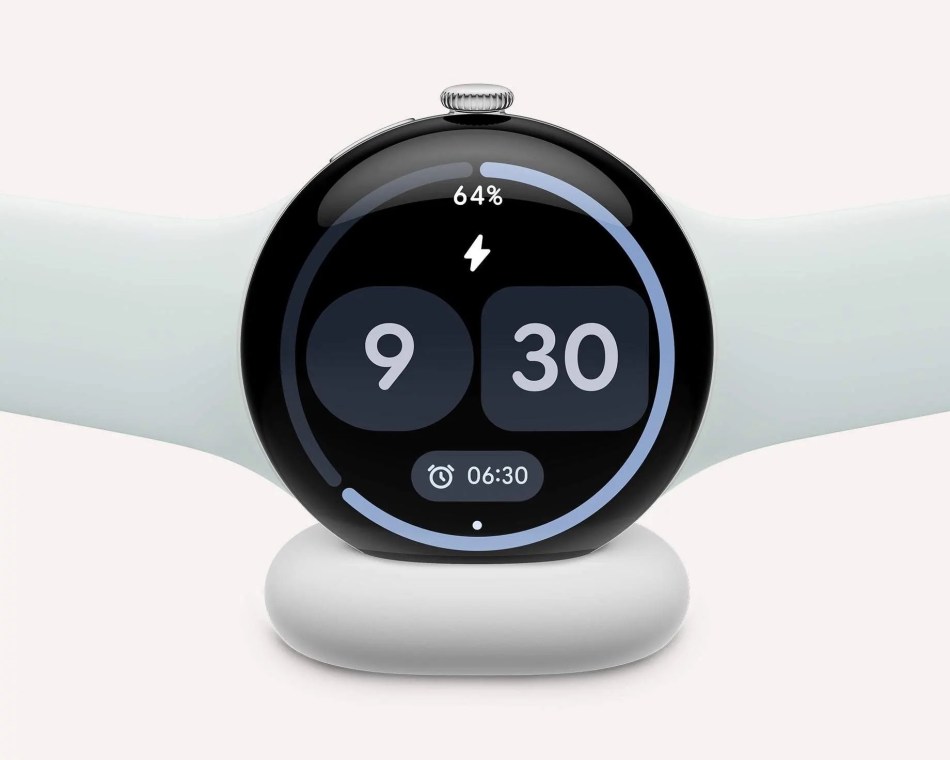
| Pixel Watch 4 | newer Qualcomm W5 silicon behind a domed glass face | 325 mAh (Google spec sheet) | magnetic side-charging dock |
| Pixel Watch 5 | accelerated revision of the W5 Gen 2, with 50% more DRAM | 332 mAh typical — Google claims up to 30 hours with always-on display and up to 48 hours in Battery Saver | Quick Charge Dock, side contact |
Read the capacity column as a ladder of small steps rather than a revolution: from 294 mAh to 307 mAh to Google's published 332 mAh typical is roughly a 13 % spread across four generations. That is a weak basis for a premium, and it explains why the current model still opens with a one-day-class headline number.
Owner communities have reached the same reading independently. A widely discussed r/PixelWatch comparison thread describes the step from the third generation to the fourth as significant while the fourth-to-fifth move reads as a modest upgrade — the classic "skip one generation, not two" pattern.
Do the chip and interface updates justify the premium?
Conclusion: not on their own. Both matter for the depreciation schedule they represent, neither changes what the watch feels like in hour-to-hour use.
On paper the silicon story is real, as laid out in the table above. Yet after two years on the wrist — and four years after the line first shipped — the OG Pixel Watch still felt snappy, and no meaningful difference surfaced in the tasks actually run on it.
Software deserves more weight than clock speed, but for an unglamorous reason. The first-generation watch left the official support list a year ago and was blocked from Wear OS 6 (released in May 2025) and its Material 3 Expressive interface. Google's own developer write-up on that release tied the new design system to a claimed 10 % battery-life improvement — an efficiency dividend that matters more on a cell this small than any clock-speed bump.
The other reason to discount a redesign is cross-platform precedent. Apple moved from MacOS 15 "Sequoia" to MacOS 26 "Tahoe" with its "Liquid Glass" look also a year back; newcomers found it friendly, long-time users treated parts of it as a functional regression, and this year's MacOS 27 "Golden Gate" release toned the visual language down.
Useful rule of thumb: ask how many additional years of updates the newer board guarantees, then set that number against the difference at checkout. CNET's buying guidance for smartwatches makes the same point in plain terms — many new models deliver incremental hardware updates over last year's, so the older SKU deserves a look.
Why did endurance and charging speed carry the verdict?
Conclusion: a tired cell plus a slow, hot charging method is daily friction; a brand-new cell plus direct contacts removes both. That was the entire value proposition of this upgrade.
Two years of constant operation had quietly eaten the original Pixel Watch's headroom. The routine was "throw it on the charger while I’m in the shower" — a habit that only survives if the watch clears the 24-hours bar every single day, and it had stopped clearing it. A return to regular hiking, with the wrist GPS idle and step counting running all day, made the loss visible.
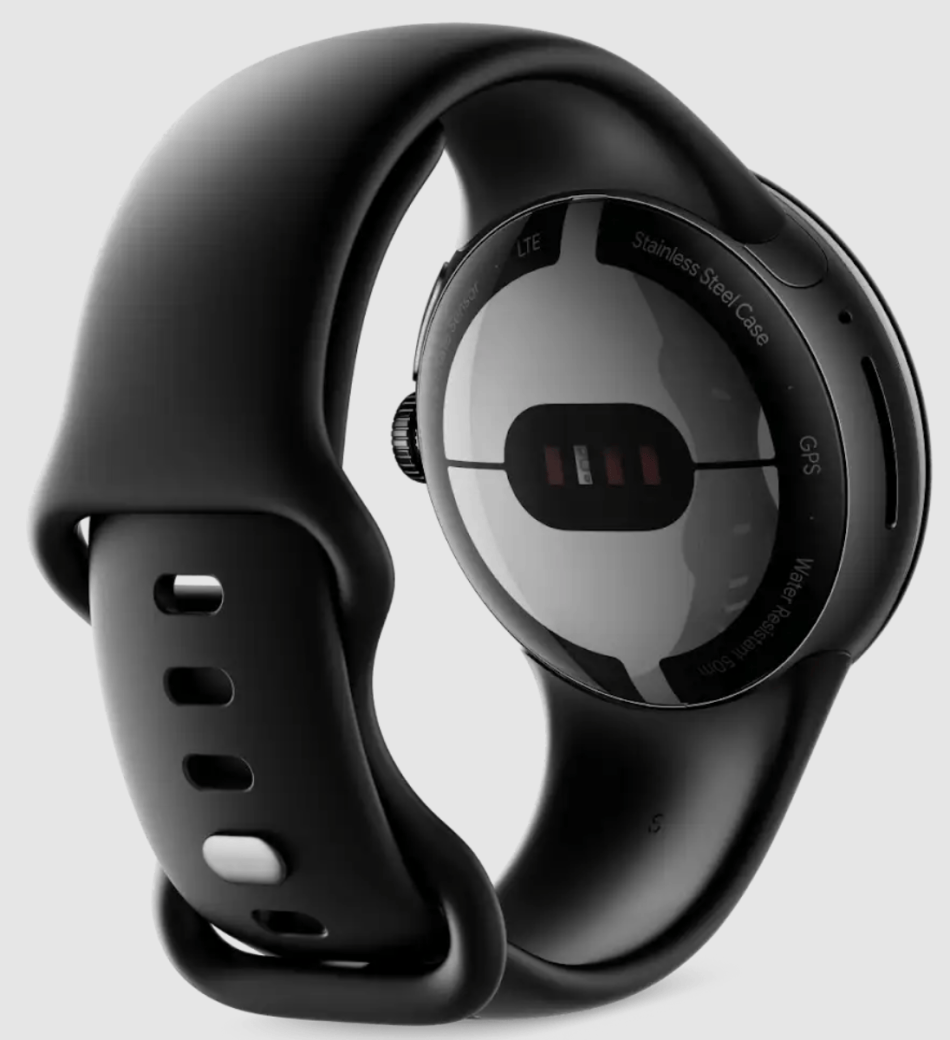
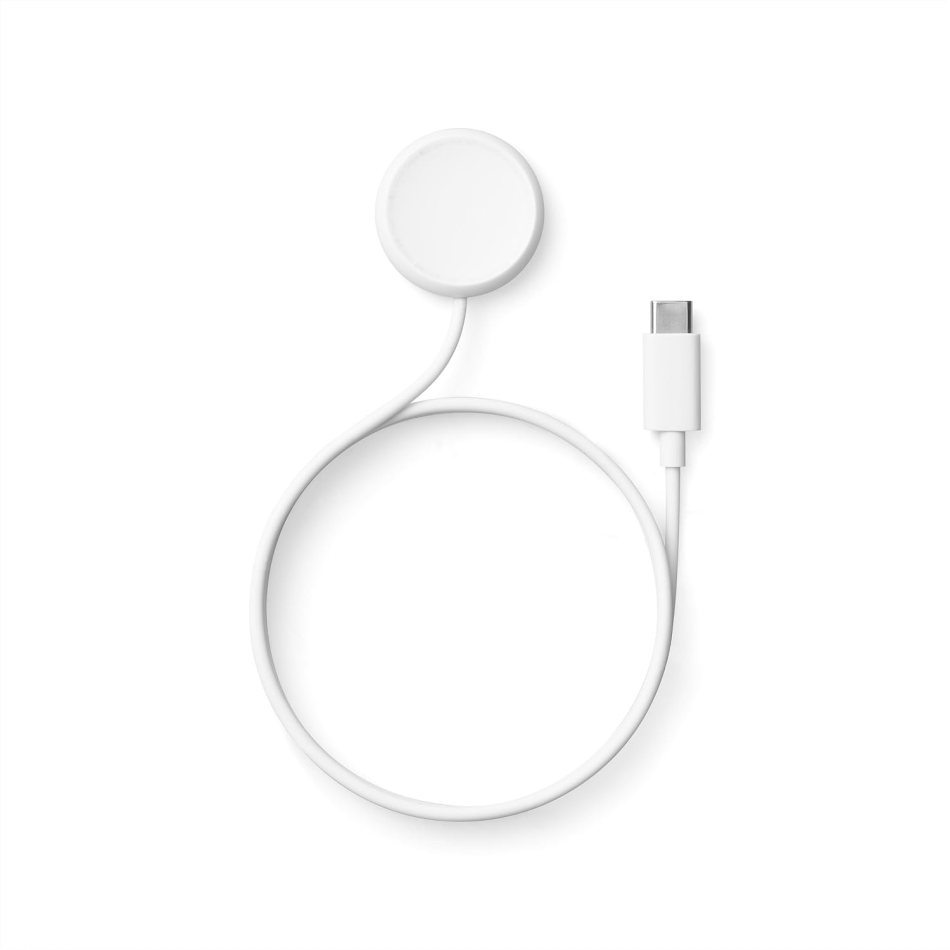
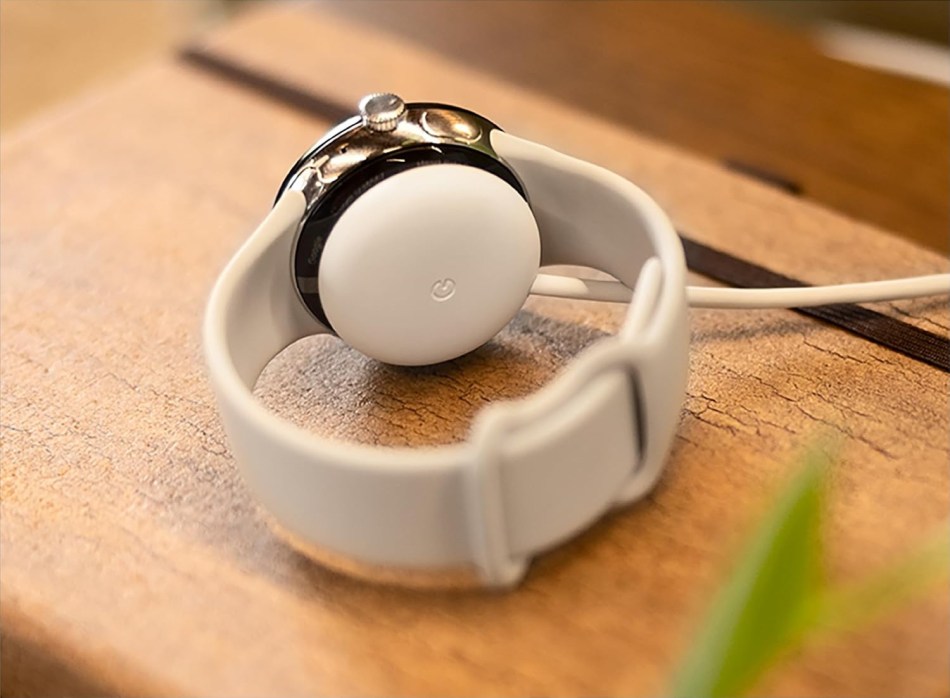
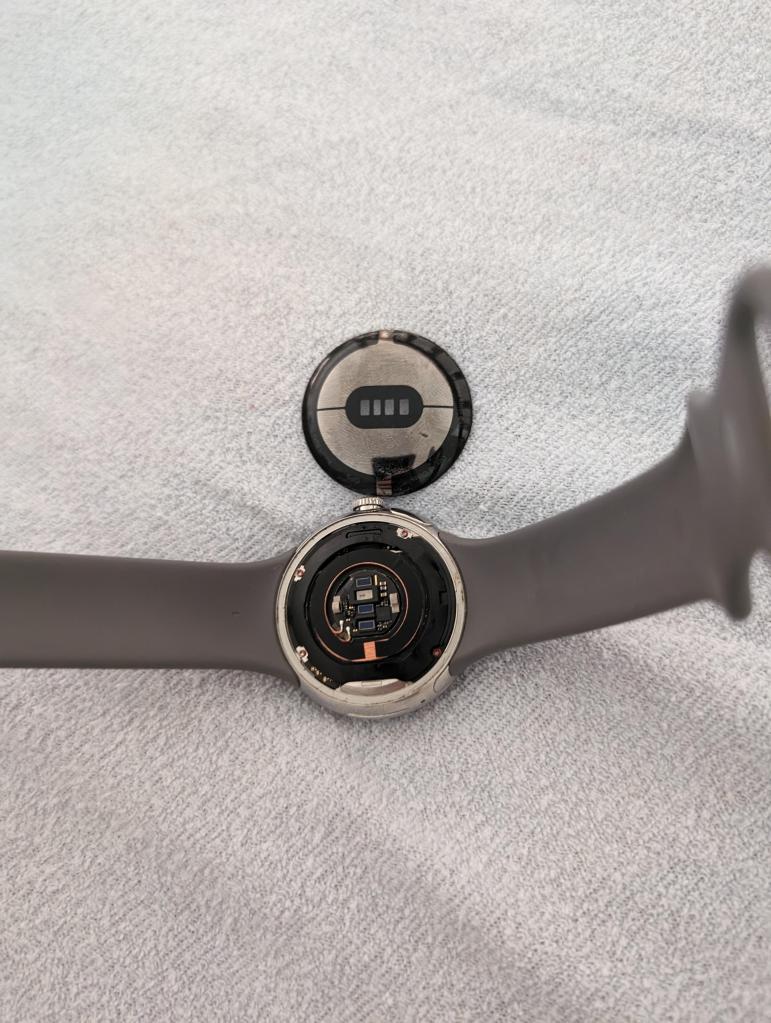
The first model charged by backside magnet-enhanced induction: inefficient, slow and heat-generating. Sustained warmth loosened the adhesive holding at least some units' back panels, and the panels fell away — a failure that never touched my own watch. A later firmware update lowered the temperature but slowed charging further, which is the textbook sign of a hardware limitation being managed in software.
Why the cliff shows up around year two is arithmetic, not luck. Small wearable cells are commonly rated for a few hundred full charge cycles — roughly 300, against 800 or more in a smartphone, per cycle-life figures compiled from Battery University data in a 2026 wearable-battery explainer. A nightly charge burns that budget in about 10 to 14 months, so a two-year-old watch is already past its rated envelope even when nothing has visibly failed.
The replacement restored a day and then some: back above 24 hours between charges, close to 1.5 days, on the 41mm variant with its 307 mAh cell versus the predecessor's 294 mAh, plus a factory-fresh Li-ion cell and the more efficient application processor.
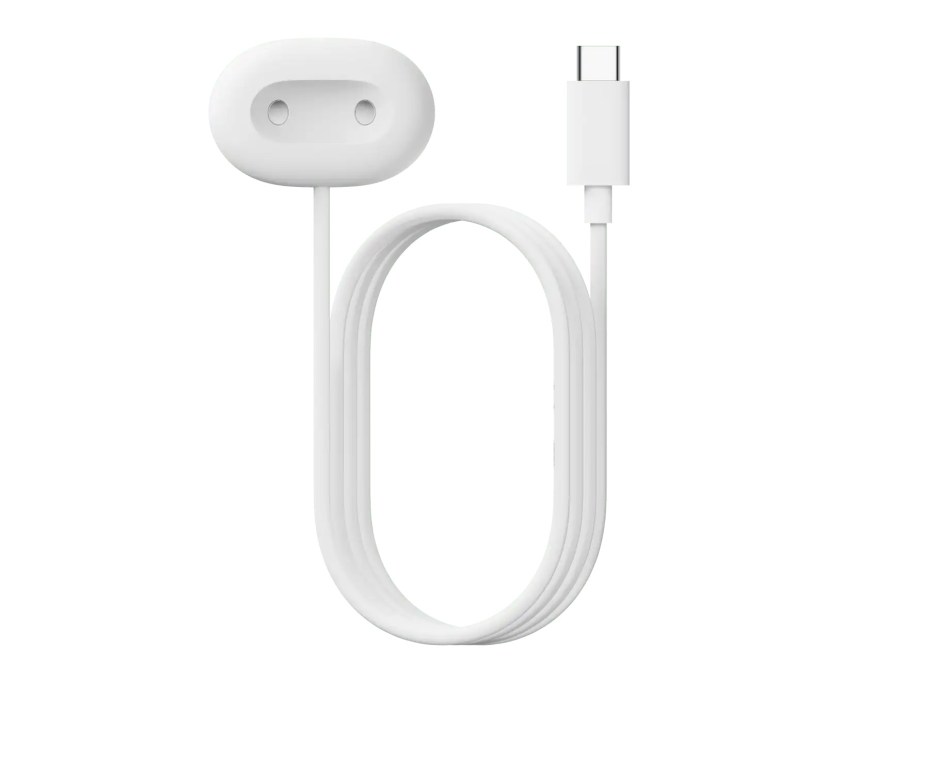
Charging architecture is the part the spec sheet undersells. The Pixel Watch 3, like its Pixel Watch 2 predecessor, keeps the alignment magnets but drops pure induction for direct pogo pins; the practical result is ~2x faster charging.
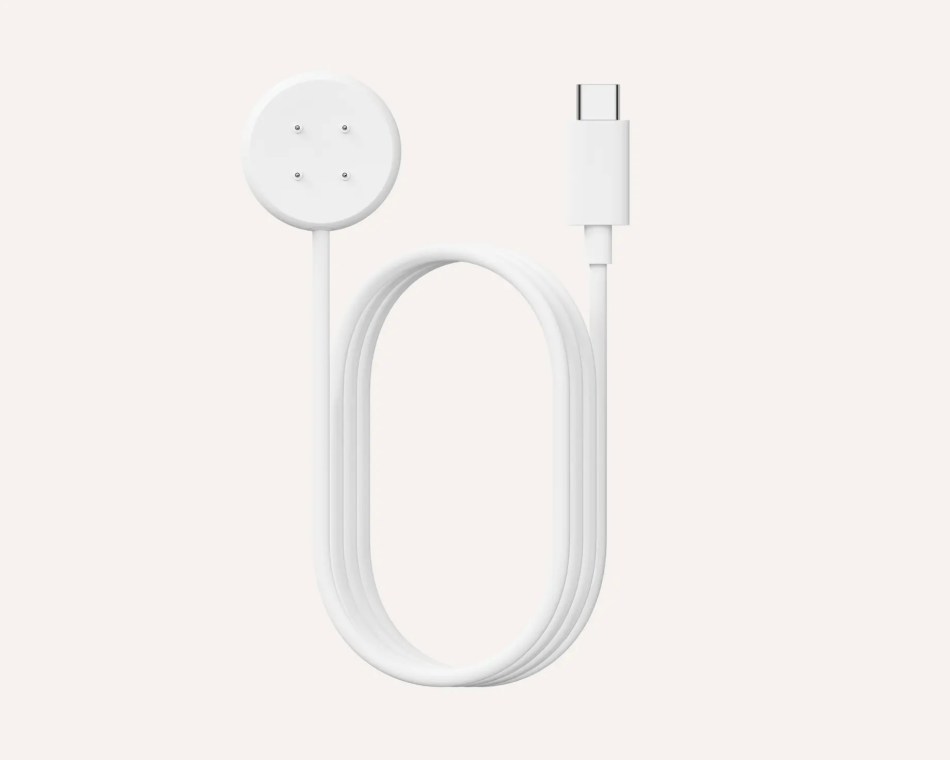
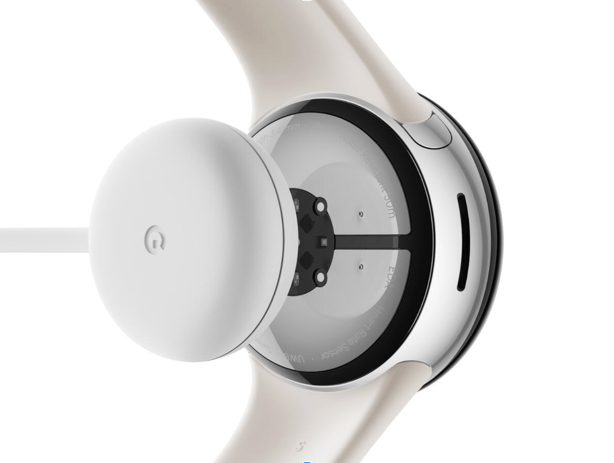
| Model | 50% charged | 80% charged | 100% charged |
|---|---|---|---|
| Pixel Watch 1 | 45 min. | 75 min. | 110 min. |
| Pixel Watch 3 | 24 min. | 35 min. | 60 min. |
In plain terms: the top-up that once swallowed a whole evening now fits inside a bathroom visit.
Where the newer generations genuinely lead is ergonomics rather than speed. When the Pixel Watch 4 reached reviewers in the autumn of 2025, Engadget's tester reported it charging nearly twice as fast as the Pixel Watch 3 and noted that 30 minutes was enough for two full days of use; Lifehacker's senior health editor, Beth Skwarecki, wrote that the claimed 0 to 50 % in about 15 minutes worked "even better than advertised" while adding that "not much else has changed since the 3." Google's own accessory copy puts its latest dock at 25 % faster than the previous generation. So the third charging architecture — the watch resting on its edge — is the feature line worth paying for, not the CPU line.
What does each route cost in receipts, not in claims?
Conclusion: the flagship is the defensible purchase on paper and the weaker one on the invoice. In this case the older generation came in about $409 cheaper and kept every accessory.
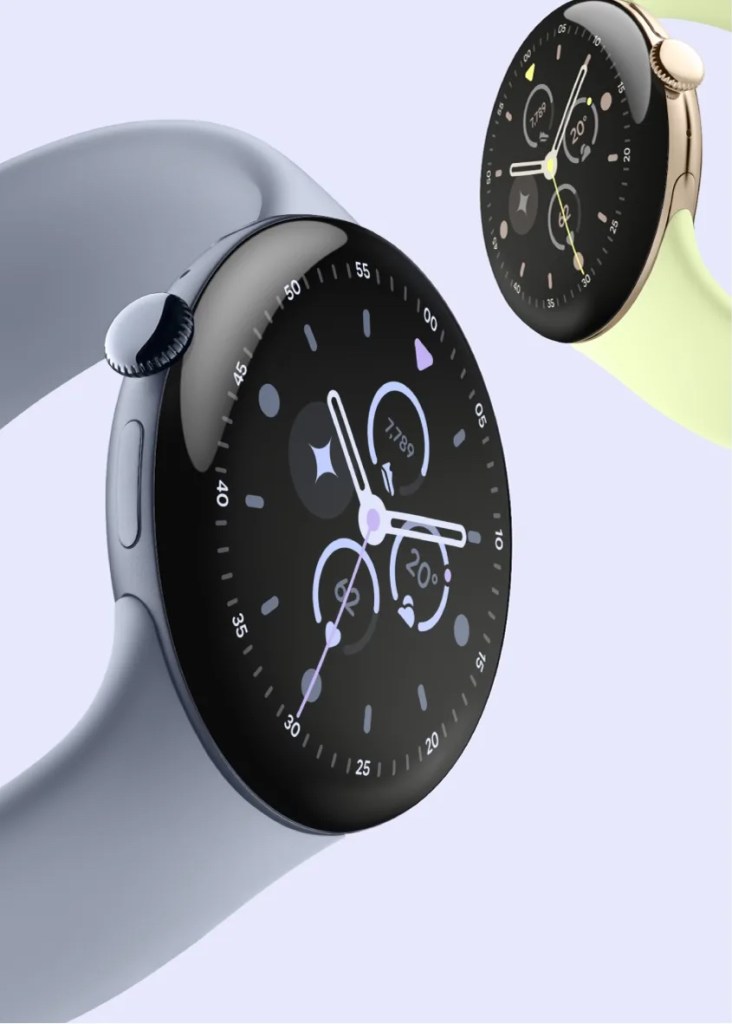
| Route | Price paid | Extra cover | Existing straps, cases and screen protectors |
|---|---|---|---|
| Pixel Watch 3, cellular, sealed box from eBay | $189 after a $10-off coupon | $20.99 three-year extended warranty | Reused |
| Pixel Watch 2, LTE, as a spare from Amazon Resale | $90.26 on promotion | none | Reused |
| Pixel Watch 5, 41-mm cellular, new | $499.99 | $119 two-year warranty | Reused, but the dock had to be replaced |
Stack the warranty lines and the spread becomes explicit: $209.99 all in for the discounted generation against $618.99 for the flagship. Every accessory carried over shrinks the real cost of the older buy, while the parts that must be thrown away — here, donated along with the watch and its spare — are the hidden line item most upgrade math omits.
Do not treat the spread as permanent. Discount windows move it fast: TechRadar tracked a $100 cut on the Pixel Watch 4 in March 2026, and carrier bundles have hit the flagship even harder, with T-Mobile promoting $300 off the Pixel Watch 5 around launch. Re-run the arithmetic on the day you order, because a subsidised new model can flip this verdict overnight.
Which buyer should take which option?
Take the discounted prior generation if…
- your current watch still works and only its endurance has failed;
- the tasks you run are notifications, step counting and sleep, not continuous dual-band GPS;
- you already own straps, cases and protectors that still fit;
- an extended warranty is available cheaply enough to cover the risk of older stock.
Pay for the flagship if…
- side charging on a nightstand genuinely changes your habit;
- you want the longest remaining window of OS support and the newest sensors;
- a carrier or trade-in subsidy narrows the price gap to under roughly a hundred dollars;
- you need the larger case size, which the earlier generation never offered.
Hold off entirely if…
- your watch still clears a full day and you are reacting to marketing rather than friction;
- the only change in the new model is a chip revision you cannot feel in daily use.
Four misconceptions that inflate upgrade budgets
- "Newest means fastest." A processor two generations ahead can still feel identical in the tasks that dominate a watch day.
- "A bigger mAh number means multi-day battery." The whole 41 mm line has moved by only tens of milliamp-hours.
- "Spec-sheet endurance is my endurance." Published figures describe a fresh cell; your cell may be past its rated cycle budget.
- "A redesign is a feature." Interface overhauls can subtract usability while they add headlines.
Frequently asked questions
Is the Pixel Watch 5 worth the extra money over a discounted Pixel Watch 3?
Only if side charging, the longest support runway or the largest case size matter to you. On the receipts in this comparison the gap is about $409, and the felt improvements at the watch's core — endurance above a day and a much shorter charge — were already delivered by the older model.
How quickly does each generation actually reach full charge?
The inductive first generation took 110 min. to fill, while the direct-contact Pixel Watch 3 needs 60 min.; the dock shipped with the two newest models is described by Google as 25 % faster again, and testers reported roughly 30 minutes covering two days of use.
Does an older Pixel Watch still receive updates?
No — the original left the support list a year ago and could not install Wear OS 6. That is the strongest argument for the newer board, and it should be weighed as remaining years of support rather than as raw speed.
Which generation gap is the bigger jump: 3 to 4, or 4 to 5?
Owner consensus and reviewer testing both point to the third-to-fourth step as the larger one, because it combined the side-charging dock with faster fill times; the move to the fifth generation is read as a refinement.
Before you buy: a six-step checklist
- Measure your current watch honestly: record three days of runtime, not one optimistic night.
- List the one feature you would use daily from the new model; if the list is empty, stop.
- Price the full kit — watch, warranty, dock, straps and protectors — not the headline SKU.
- Check the vendor's OS support table for both models and count remaining years.
- Look for a live discount on the prior generation before committing to the launch price.
- Keep the old watch for a fortnight; only retire it once the replacement clears your routine.
Upgrades feel like technology decisions and usually are budget decisions wearing a watch. The measurable wins in this swap were not on any launch slide: endurance back above a day, a charge that fits into minutes rather than hours, and a total outlay that left several hundred dollars in the account. Compare on what changes your routine, buy the generation that fixes that routine, and let the newest badge go to someone whose friction list it actually answers.
Where the numbers in this comparison come from
- Google Store, Pixel Watch 5 specifications (332 mAh typical, up to 30 hours always-on, up to 48 hours in Battery Saver, Quick Charge Dock) — store.google.com/product/pixel_watch_5_specs
- Google Pixel Watch technical and device specifications, all models — support.google.com/googlepixelwatch/answer/12651869
- Android Developers Blog, "What's new in Wear OS 6" (Material 3 Expressive and battery-life claim, May 2025) — android-developers.googleblog.com
- Engadget on the Pixel Watch 4 charger versus the Pixel Watch 3 — engadget.com
- Lifehacker, Pixel Watch 4 review by Beth Skwarecki — lifehacker.com/health/pixel-watch-4-review
- CNET smartwatch buying guidance on last year's models — cnet.com/tech/mobile/best-smartwatch
- Battery University cycle-life figures summarised in a 2026 wearable-battery explainer — chargie.org/smartwatch-battery-health
- r/PixelWatch owner comparison of the third and fifth generations — reddit.com/r/PixelWatch
- TechRadar on the March 2026 Pixel Watch 4 price cut — techradar.com