
ItInsightsWorld General Analysis: Oulu Police Merge Five Muhos Data Center Complaints Linked to Tuike Finland
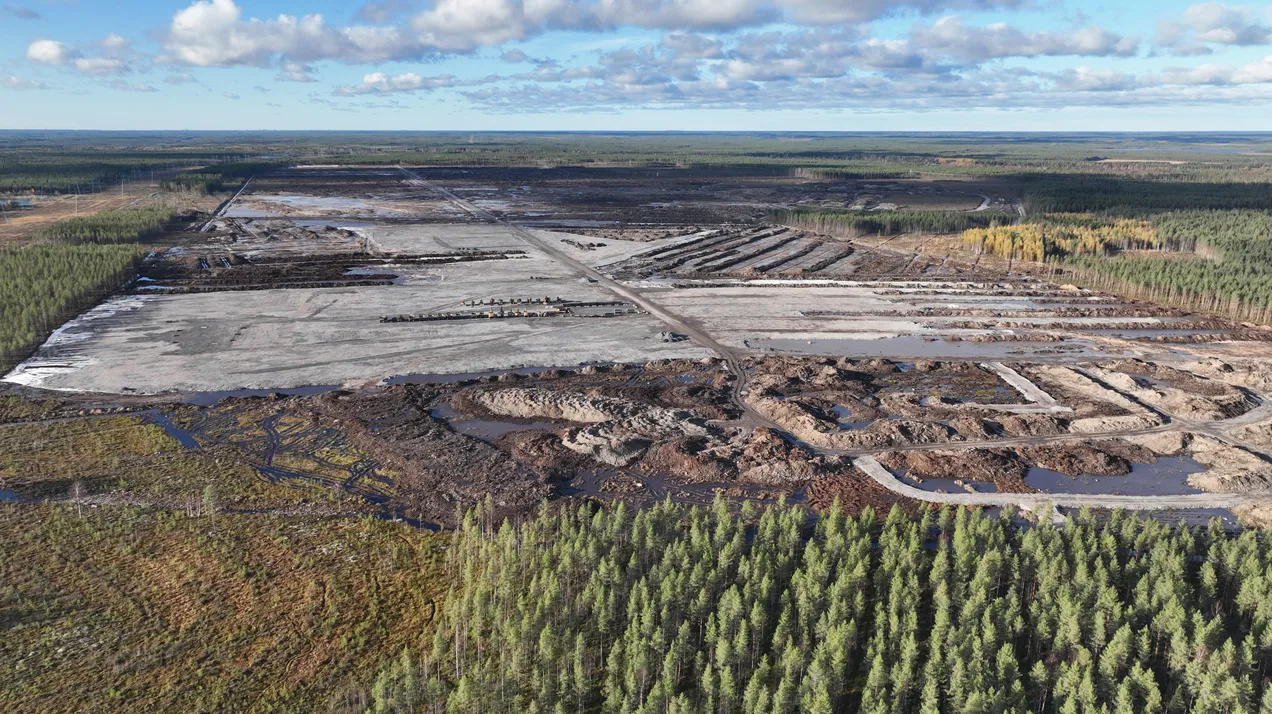
For readers tracking large digital infrastructure builds in Finland, the key question is no longer only power capacity; it is also water, land and environmental permissions. Finland's national broadcaster Yle said on October 29 that Oulu Police have received five investigation applications linked to the Muhos data center project and have placed them into one preliminary inquiry. The police view the current information as indicating possible deficiencies and breaches in construction-site drainage and water-resource management.
The matter is connected with Tuike Finland, the local Finnish subsidiary of Google. Investigators are examining alleged environmental damage for now, while other legal categories may be clarified if evidence expands. Police expect the process to take time and aim to finish it within 2027, with additional information due in December this year.
The Regulatory Pause That Frames the Investigation
Before the police inquiry, Finnish supervisors had required a halt to Google's two data center projects because the necessary environmental impact assessment work had not been completed. The affected sites are in Muhos and in Kajaani-Otanmäki. Tuike Finland later confirmed that preparatory activities at the two projects were stopped on October 14.
Regulators also said the water-resource management plans Google had submitted did not prove that water-related impacts from the data center construction could be controlled effectively. Because such builds can involve broad land leveling, excavation and redesigned surface drainage, weak hydrological evidence may change local water-flow paths and affect nearby ecosystems.
The November 5 Plan: What It Must Cover
Under the supervisory order, Tuike Finland had to give Finland's regulator a more detailed water-resource management plan by November 5. The new plan needed to spell out the drainage facilities to be built, the engineering schedule, and independent water-quality monitoring arrangements. It also had to account for local conditions such as intense rainfall and snowmelt.
Soil Risk, Enforcement Tools, and Legal Limits
Another technical concern raised by supervisors is acidic black shale soil inside the construction area. If excavation exposes such geological material, sulfide oxidation can generate acidic drainage and carry metals into surrounding waters. In large civil engineering works, that risk means soil handling, drainage routes and water-quality monitoring cannot be treated as routine site details.
At the same time, regulators warned that Google could face more formal enforcement if it failed to take adequate measures, including conditional fines. This warning concerns compliance risk, not a police finding of guilt.
Why the Case Matters for Finland's Data Center Investment Push
The investigation emerged after Google announced a large expansion of its Finnish footprint. In September 2026, the company said it would add €13 billion in investment to expand data center infrastructure. As part of Google's long-term Finnish plans, that spending reflects a wider Nordic region trend: abundant power, cool temperatures and operating conditions suitable for large data centers are drawing global technology companies into Europe's artificial-intelligence infrastructure race.
Finland's hydropower, wind generation and cold climate can reduce cooling costs for facilities of this type. Google already operates a major data center in Hamina and has continued investing in local infrastructure. On paper, the new funds looked set to strengthen Finland's position in European cloud and AI supply chains.
The Remaining Unknowns
| Open question | What is known from the reporting |
|---|---|
| Will construction resume? | Restart depends on whether the environmental impact assessment and water-resource management plans can be completed to regulatory requirements. |
| What legal status does the project have? | Oulu Police are running a preliminary criminal investigation, not a final judgment against Google or Tuike Finland. |
| What will next determine responsibility? | Further investigation will clarify whether site activities violated environmental rules and how accountability should be allocated. |
The episode gives a practical lesson for infrastructure investors: even a very large multinational technology operator must satisfy strict environmental protection and land-development rules before building digital capacity. Power use is central, but land use, groundwater safeguards, surface drainage, and construction-period ecological disturbance are also monitored.
For ItInsightsWorld's General coverage, the Muhos matter now looks less like an isolated paperwork delay and more like a test case for how quickly data center growth can be reconciled with Finland's environmental governance. The answer will depend on the December update, the 2027 investigation target, and whether regulators accept the revised compliance record.