
OpenAI Ban Wave vs. Anthropic: Which Account Patterns Are Risky, and What to Do Before December
Short answer: the sweep is not random. Accounts that stack several paid subscriptions on one device or one payment card — cheap-region plans, shared Team seats, mirror and reverse-proxy routes — sit in the highest-risk band, while a single plan on a personal laptop paid with a card used nowhere else looks comparatively safe. Still, the crackdown reached years-long accounts and subscribers paying $200 a month, which is why so many people feel it hit without warning.
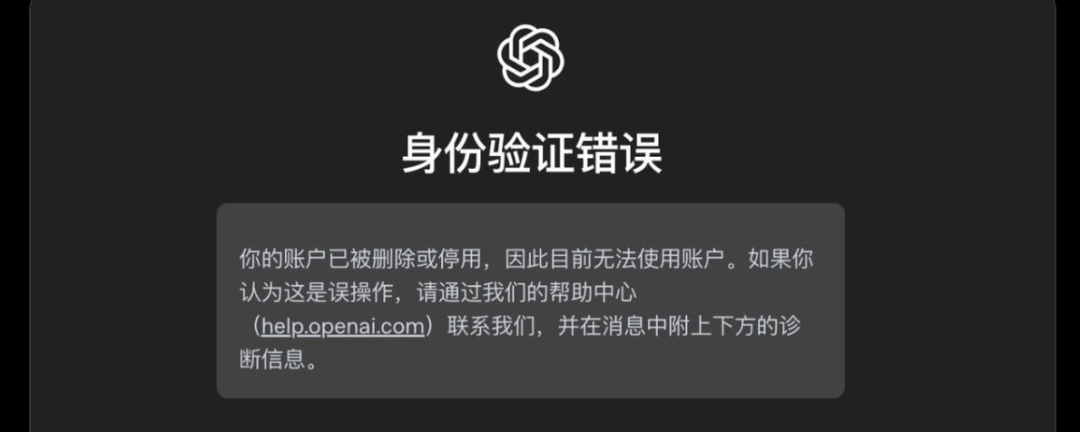
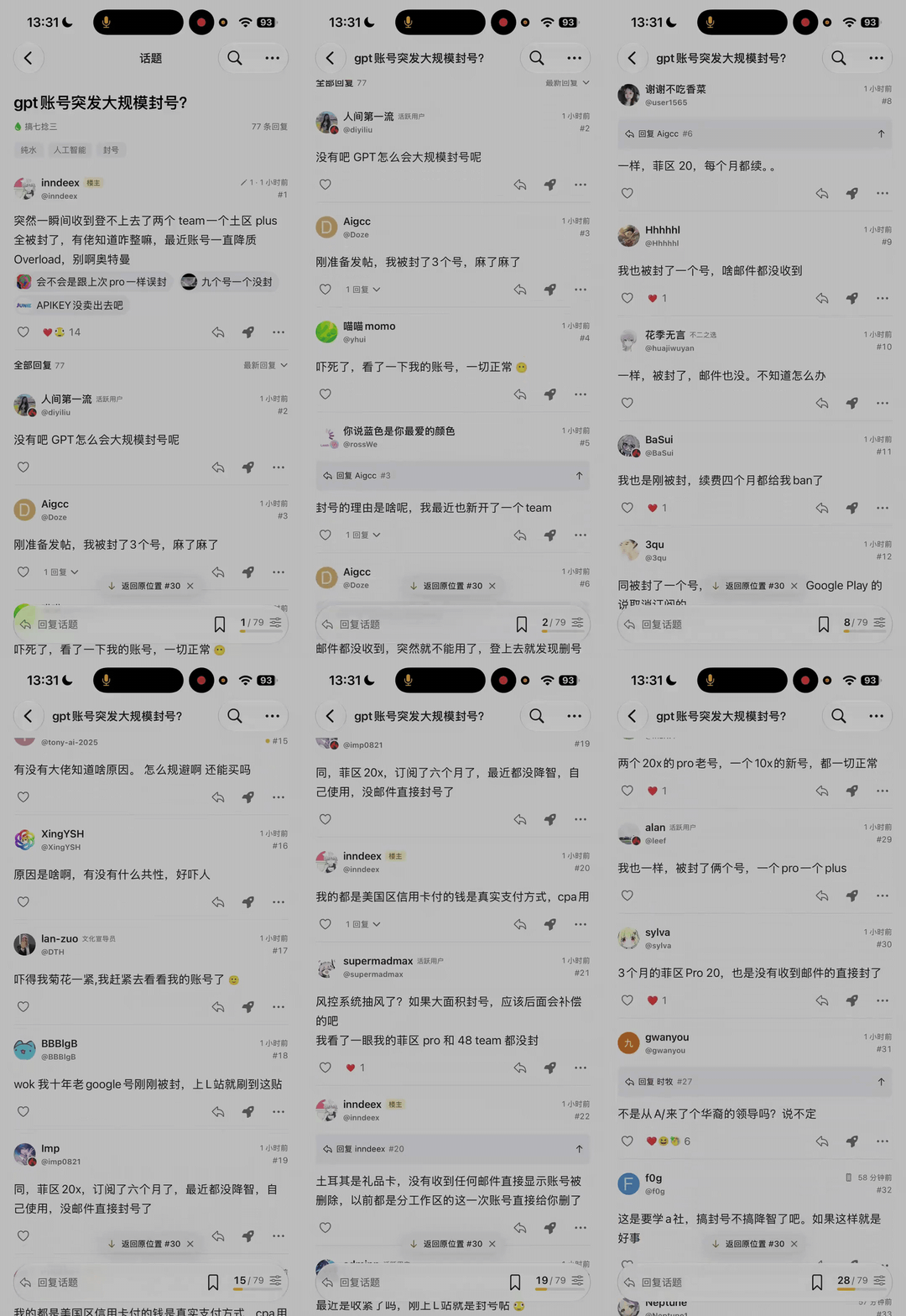
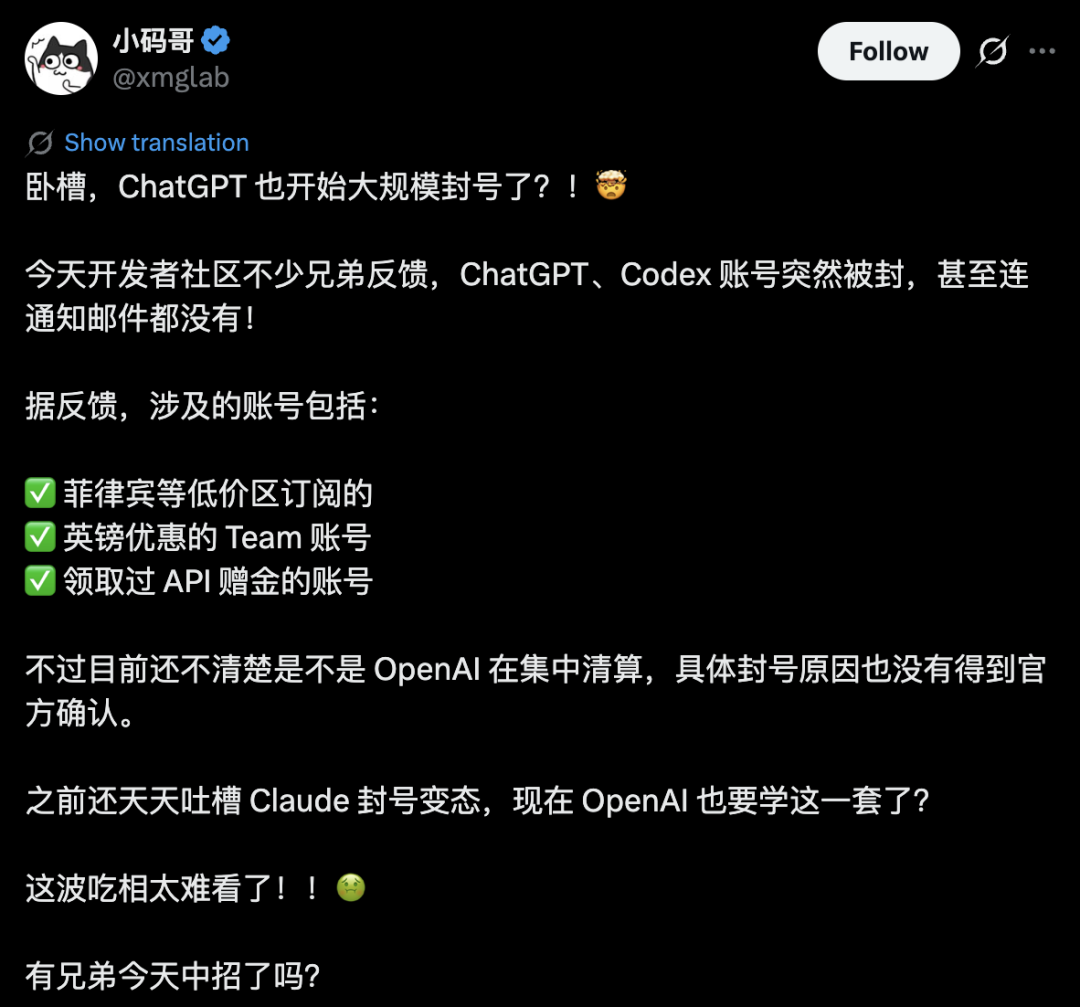
The epicentre of this round is the Philippines region and the Turkey region, plus low-cost Team plans and accounts running behind reverse-proxy relays. Even users whose subscriptions had renewed normally for four or five months were caught. Cat Wu had barely moved from Anthropic to OpenAI when ChatGPT switched on a mass-deactivation cycle, and the most repeated line on X read, in effect: "please, spare us."

What happened today, in the order it happened
Today OpenAI's enforcement bar dropped, but the gate was built in stages — and reading the stages is the only reliable way to judge your own exposure.
- Earlier: OpenAI moved against reverse-proxy access and merged ChatGPT and Codex into one token pool.
- Five days ago: a quiet cap was placed on how many paid accounts one device can run.
- November 2: the lock was installed at the hardware and bank-card layer, closing off account stacking, meaning several cheap paid subscriptions run on shared devices or shared cards.
- Today (step two): the purge of ride-share accounts; users who tried to fuse several accounts through one API route were swept in a single pass.
- Step three: the compute exit, scheduled across late November and early December.
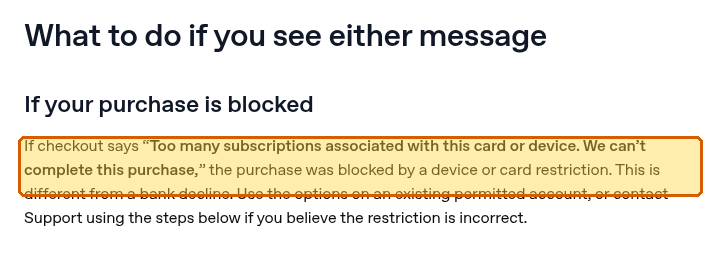
The official document behind the first step is "Understanding card and device limits in ChatGPT" on OpenAI's Help Center, published five days before the sweep and last refreshed around October 31 to November 1, 2026. It puts Go, Plus and the Pro 100, Pro 200 and Pro 500 tiers under hard quotas: link too many paid subscriptions to one payment card or one device and checkout throws "Too many subscriptions associated with this card or device." The Help Center also states plainly that signing out of an account does not free a device slot.
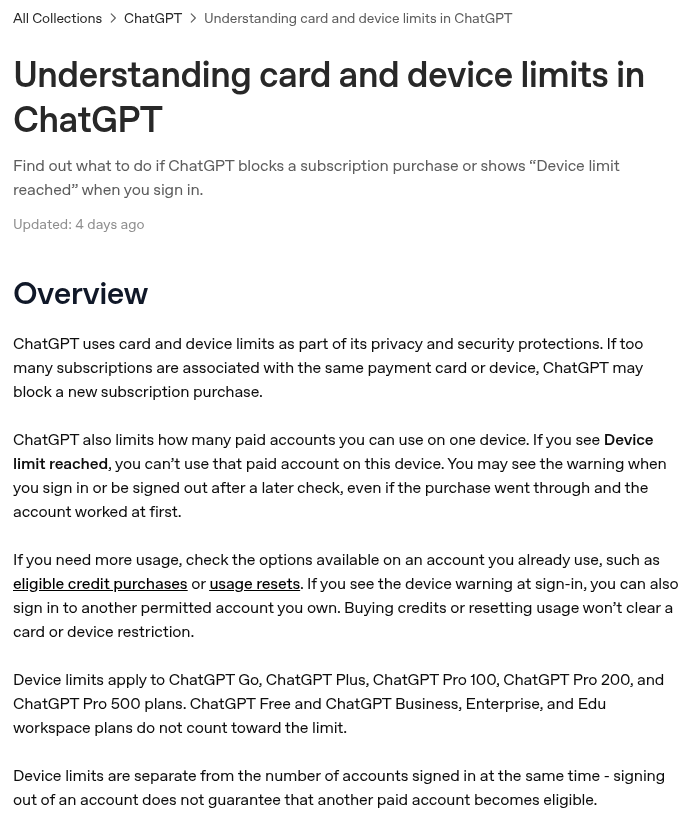
On the device side, hitting "Device limit reached" blocks that paid account on that machine — and buying extra Credits does not unlock the seat either. The combined effect is that no one can keep stacking cheap accounts to multiply Codex quota.
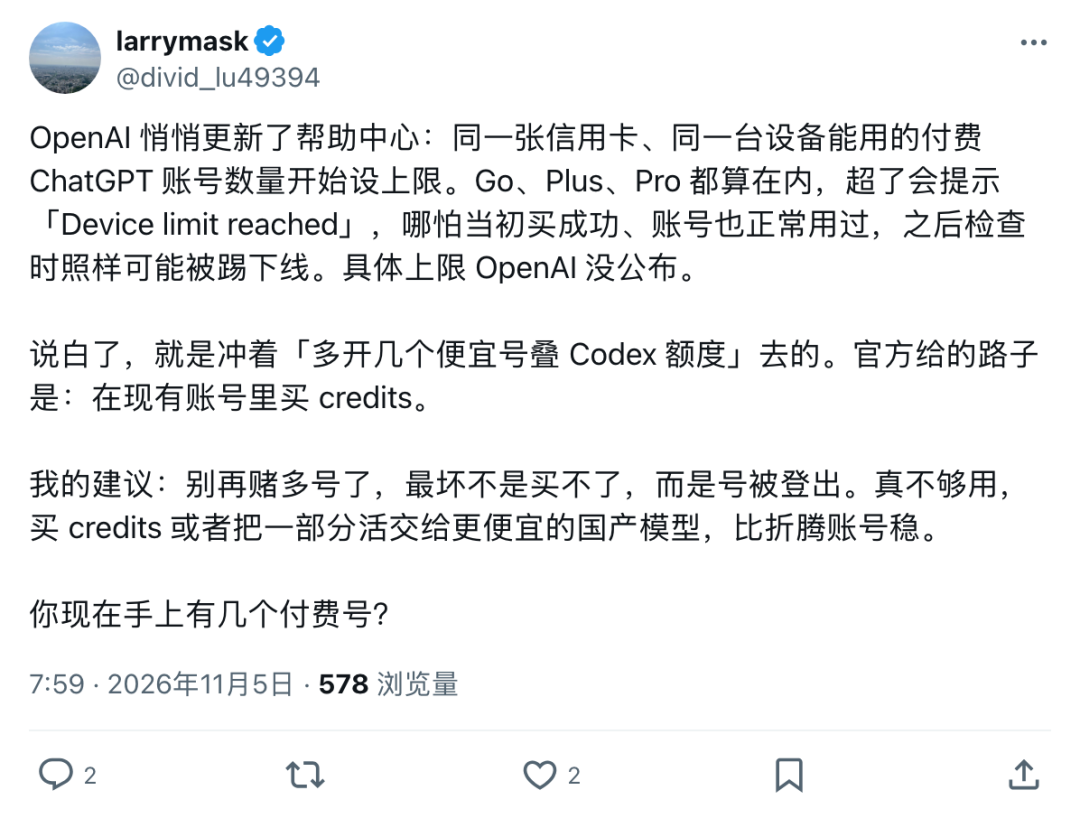
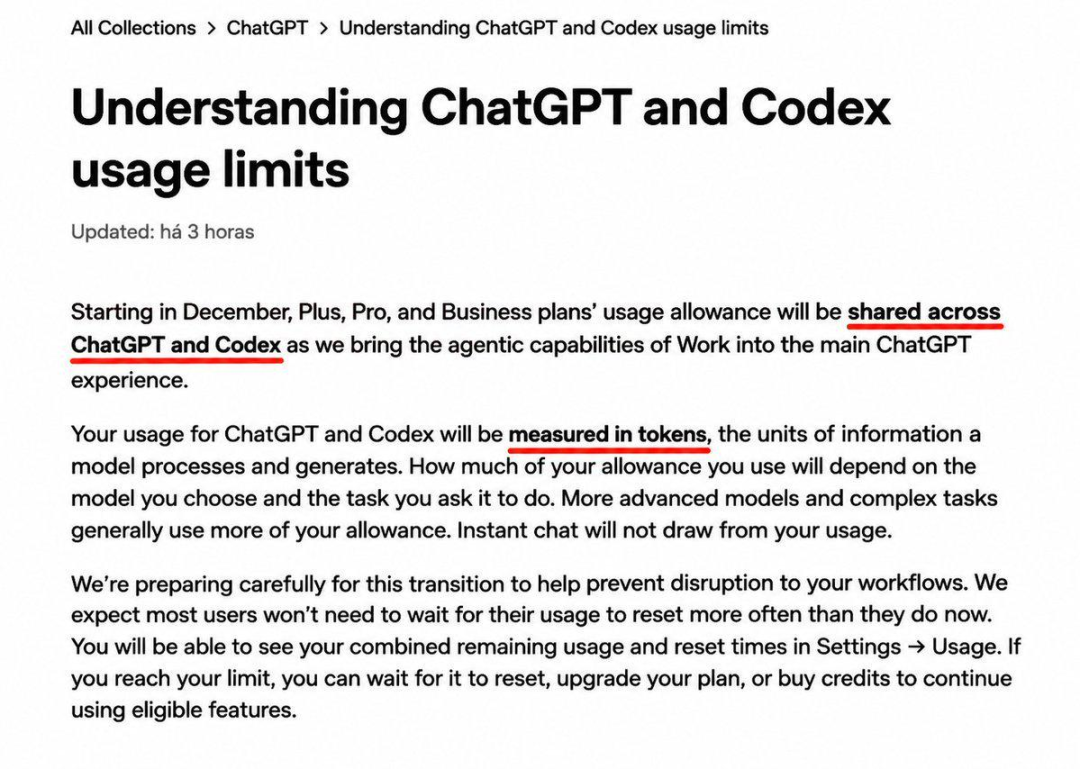
The remaining lever is the compute exit. From November 20, OpenAI's revised Usage Policy takes effect and requires every third-party API gateway and model-routing intermediary to hold written official authorisation, which legally and technically outlaws unofficial relay stations. From December, Plus, Pro and Business plans share one ChatGPT-plus-Codex allowance, metered entirely by token consumption.
Once the token pool runs dry, switching to a spare account no longer buys you anything: the only routes left are upgrading the plan or buying official credits. The era of freeloading on AI compute is over, and anyone who lived through Anthropic's own restrictions is watching the same story run again.
Which accounts are exposed? A side-by-side risk table
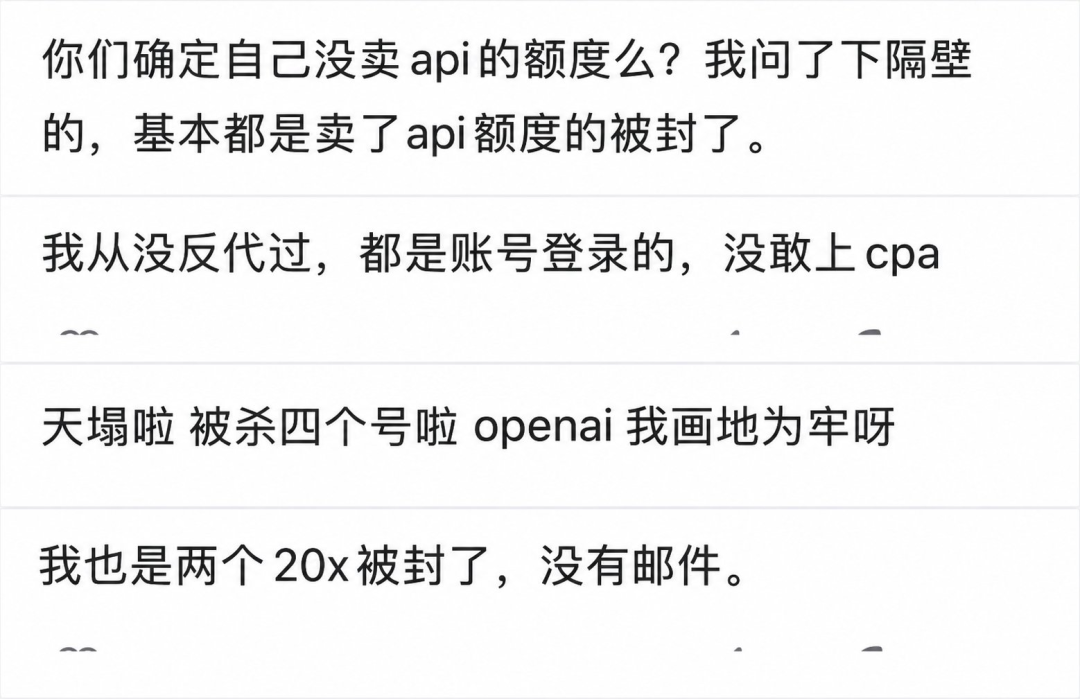
Unlike Anthropic's earlier clean-up, this OpenAI purge covers free API accounts, shared Team accounts and the $200 monthly Pro tier in one net. Reported deactivations include Pro 20x, Pro, Team, Plus and student-verified accounts — and even accounts behaving themselves abroad.
| Account pattern | What trips it | Risk | Best move |
|---|---|---|---|
| Several paid plans on one device or card | Quota checks behind the card and device limit rules | Very high | One paid plan per device, one card per household |
| Ride-share Team seats, free API accounts pooled behind one key | Terms clause against improperly sharing your account or API keys | Very high | Split billing; each person keeps their own seat |
| Mirror sites, reverse proxies, resold API routing | Authorisation requirement from November 20 | High and rising | Switch to direct API or official apps now |
| Philippines region or Turkey region subscriptions used from elsewhere | Price arbitrage and location mismatch | High | Re-plan at your actual billing location |
| Pro, Pro 20x or a $200 plan shared across machines | Device-cap linkage, not spending level | Medium | Keep one device profile; document normal usage |
| Student-verified Plus | Verification and shared-card checks | Medium | Appeal with proof — recoveries have happened |
| Single Plus on a personal laptop with a personal card | Rare, mostly inherited linkage to a banned device or card | Low | Export data, avoid adding second accounts |
| Business or Enterprise workspace seats | Excluded from the card and device caps, but Business joins the shared pool from December | Low for bans, real for cost | Re-forecast token spend before December |

How OpenAI's enforcement differs from Anthropic's
The comparison is the useful part: both labs now police accounts, but the mechanics differ enough that your defensive habits should differ too.
| Dimension | OpenAI | Anthropic |
|---|---|---|
| Published reasons for deactivation | Help Center article 10562188 lists policy violations, Terms breaches (including circumventing access limits and sharing accounts or API keys), security concerns, repeat violations after warnings, and unfinished identity or age verification | Terms bar sharing login credentials and API keys; access limits were tightened citing account sharing and reselling |
| Notice before action | Most reports describe batch backend detection with no prior email; some users met the message "account deleted or deactivated" at the login screen | Warnings plus in-product safeguard notices are the norm before a hard stop |
| Appeal channel | Link in the deactivation email, or the official appeal form and support contact; OpenAI Support says it cannot process appeals in public forums | Safeguards appeal form inside claude.ai for a suspended account |
| Documented mass action | This week's sweep across Go, Plus, Team, Pro and student plans | February 2026 disclosure of roughly 24,000 fraudulent accounts used in coordinated distillation attempts |
That last line matters for reading the motive. OpenAI said on September 30, 2026 that it had blocked an organised distillation campaign — peaking on July 24 and 25 with about 16,000 requests from more than 4,000 users, similar prompt patterns across over 15,000 accounts, fully shut down by July 28 — and shared the intelligence through the Frontier Model Forum. Anthropic had published its own numbers in Detecting and preventing distillation attacks. Read next to the November 20 gateway rule, the pattern is clear: resale plumbing and bulk extraction are the real targets, and ordinary users are being caught in the linkage analysis.
Is this a payments story? The Mastercard signal
Some suspicion landed on billing rather than behaviour, and there is a documented payment incident. OpenAI's status page showed elevated error rates for certain commercial Mastercard cards in the United States. Under investigation, the affected card numbers' first six digits were 544015, 546400, 543502, 543799 and 512998, with some cards beginning 513989 also affected.
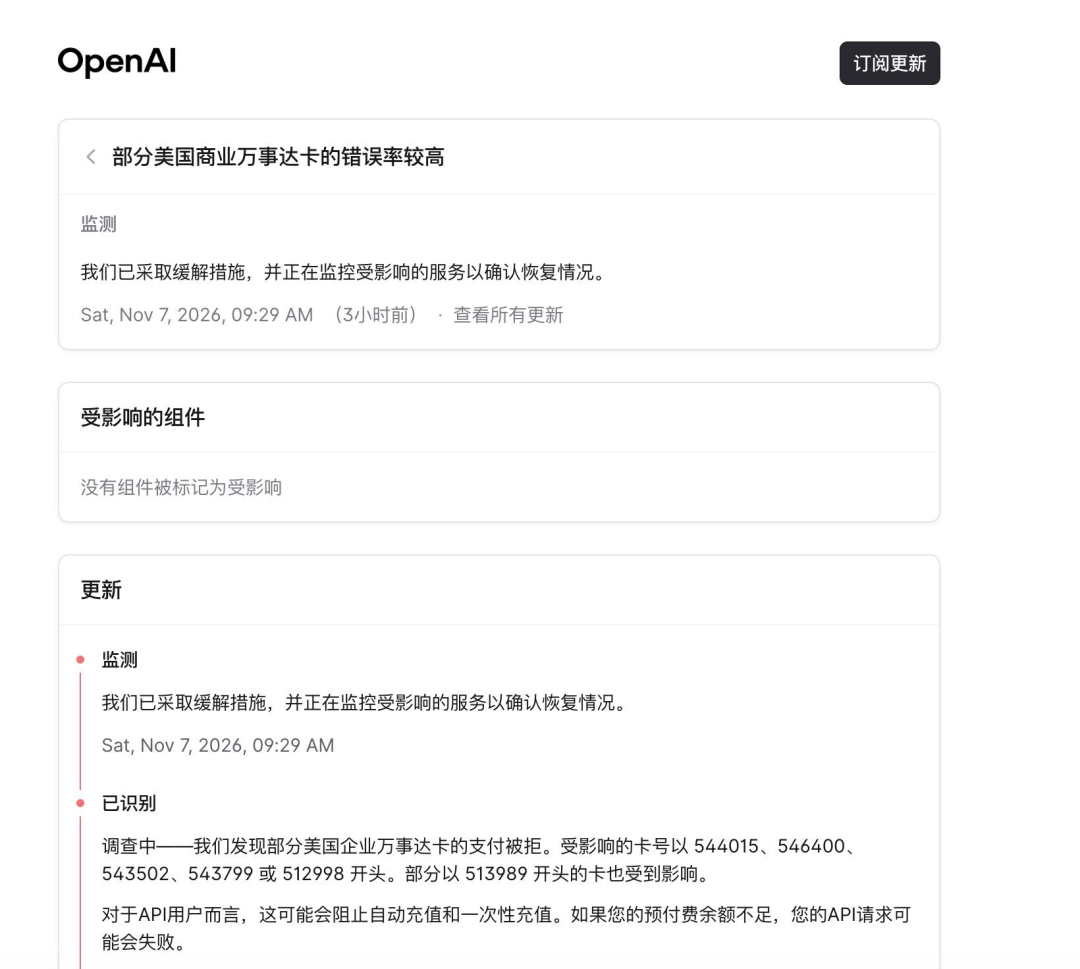
Note the boundary, though: OpenAI characterised that event as a payment-channel problem and made no mention of account bans. Treating the two as one story is the most common analytical error in this week's threads — a failed charge and a deactivated account require different fixes.
How to appeal, and what evidence actually helps
Conclusion first: use the official form, and include the Request ID. A developer complained that several years of saved chats and personal memories were locked in the cloud and unrecoverable; another saw a Pro account that had run a full five years of service deactivated with no warning, no email and no stated reason — and the first appeal went nowhere.
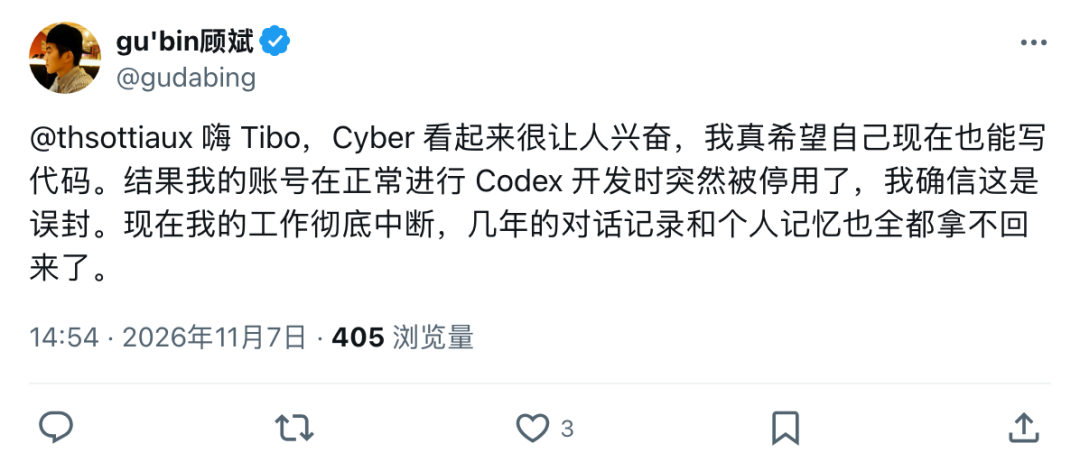
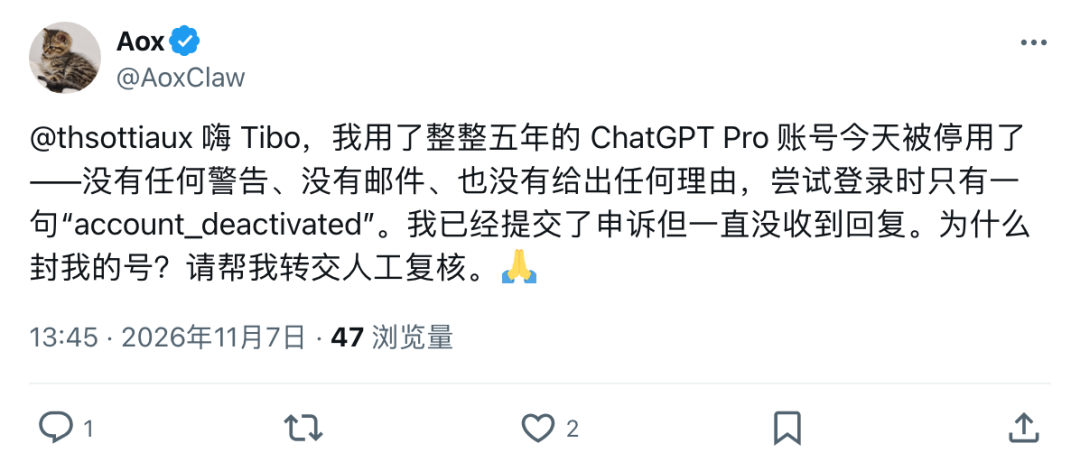
Programmers mid-project flooded the X comment section of Tibo, OpenAI's former Codex lead, with complaints. Meanwhile a practical tip circulated: you do not have to email from the registration address — go straight through OpenAI's official appeal form, name the deactivated account clearly, and attach the Request ID shown on the block screen.
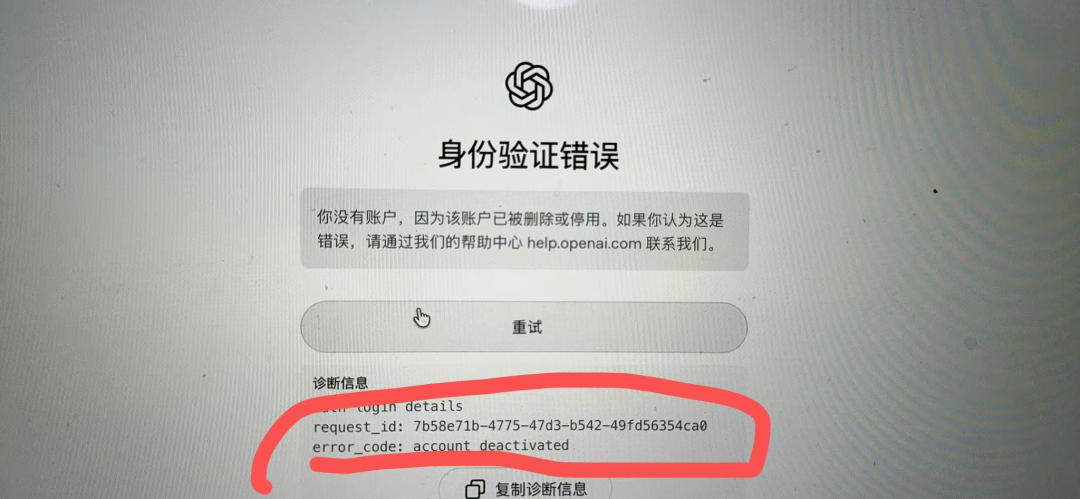
That reader had already recovered a student-verified Plus account this way.
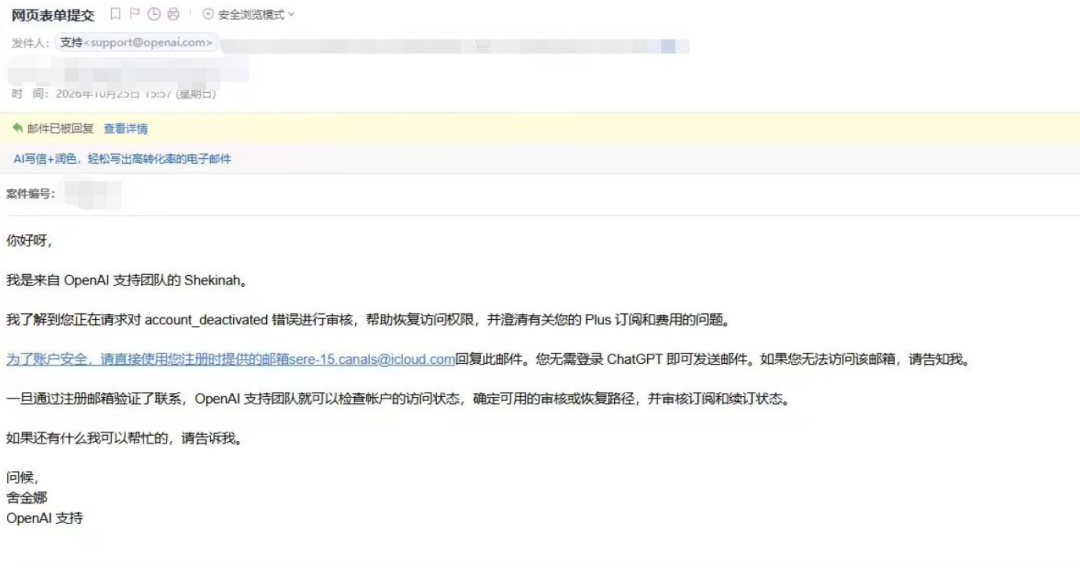
- Copy your record first. ChatGPT keeps an export path under Settings, then Data controls, then Export data, per OpenAI's data-controls documentation; the archive arrives by email. Memory entries live under Settings, Personalisation and Memory.
- Pull Codex projects local. Repositories, prompts and outputs should not exist only inside one account.
- Build the evidence pack. Account email, plan tier, Request ID, subscription invoices, and a one-paragraph statement that the card and device are yours alone.
- Assume linkage, not accusation. If a banned account shared your device fingerprint or card, say so plainly and separate them before resubmitting.
Decision framework: consolidate, migrate, or absorb the price
Three profiles, three answers.
- Heavy individual user on Pro, Pro 20x or a $200 plan. Consolidate to one identity, one device profile, one card. Cost rises slightly; continuity is worth it.
- Team or household running stacked accounts to multiply Codex quota. Migrate now. After December's shared token pool, stacking buys nothing, and from November 20 the relay plumbing that makes it work is policy-prohibited.
- Occasional user via a mirror or resold key. Absorb the honest price of one official seat, or accept that the workflow can vanish between one login and the next.
What everyone should treat as fixed: regular exports of cloud sessions, Codex projects synced locally, and no reliance on reseller top-ups, shared rides or unofficial relays — those three doors are being closed one by one. The same logic applies wherever an account holds your only copy of years of work, as we set out in a practical checklist for customers and small firms after South Korean financial institutions disclosed intrusions affecting at least 20 firms.
Five misconceptions worth dropping
- "Paying $200 makes me untouchable." Pro and Pro 20x deactivations were reported in the same wave.
- "Logging out frees a device slot." The limits document says it does not; Credits do not unlock it either.
- "This is just the card outage." The payment incident was scoped to specific card prefixes; bans are a separate enforcement track.
- "Only grey-market users get flagged." Compliant accounts have been caught through association with already-banned ones.
- "Appeals are pointless." The student-verified Plus recovery shows the form works when the Request ID and account facts are attached.
Frequently asked questions
Why did my account get banned when I never shared it?
Device and card quotas are graph-based: a machine or payment profile previously touched by a banned subscription can carry the flag to accounts next to it. OpenAI's Help Center lists security concerns and unauthorised access as a standing reason for deactivation, which covers this inherited-risk case.
Do the new limits apply to free accounts?
The card and device caps target paid plans — Go, Plus, Pro 100, Pro 200, Pro 500. Workspaces under Business or Enterprise have been treated as outside those caps, but from December Business sits inside the shared ChatGPT-and-Codex token pool.
When exactly do things change next?
Two dates. From November 20, third-party API gateways and model routers need official written authorisation. From December, Plus, Pro and Business consume one allowance, billed by token use.
Will my chats come back if the appeal succeeds?
Restored accounts keep their history; accounts closed outright may not. That asymmetry is the strongest argument for running the export before you need it, rather than after.
References
- OpenAI Help Center — Understanding card and device limits in ChatGPT
- OpenAI Help Center — OpenAI account closures and safety suspensions
- OpenAI Help Center — Data controls in ChatGPT
- Anthropic — Detecting and preventing distillation attacks
- OpenAI — September 30, 2026 security post on coordinated distillation attempts, as carried by IT Home and NetEase
- Sina Finance — reporting on the November 8 account-deactivation wave and OpenAI Support's public reply