
ItInsightsWorld Spacewalk Briefing: NASA ISS Solar Power Upgrade on October 29 and November 5
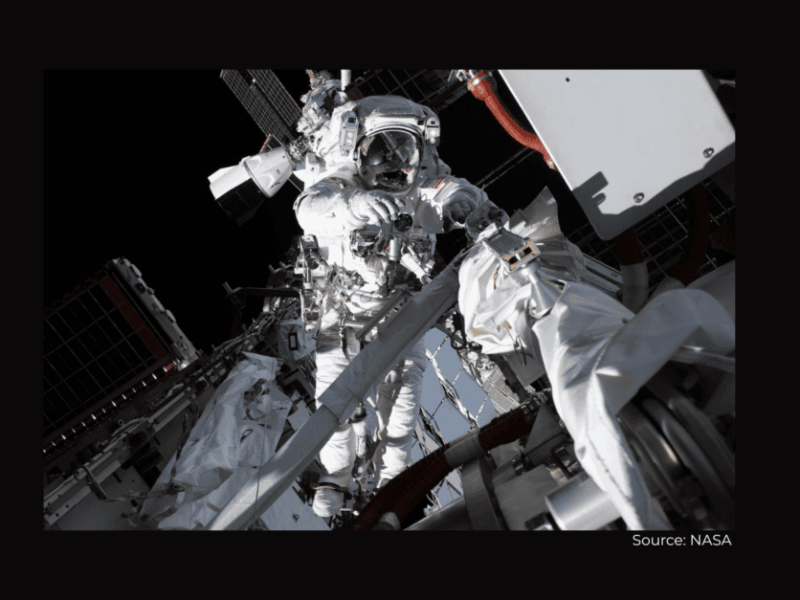
Two ISS spacewalks have been scheduled by NASA for October 29 and November 5 to complete the International Space Station solar power program. The final installations are expected to lift available electrical power by up to 30%, raising generation capacity from 160 kilowatts to approximately 215 kilowatts.
Scheduled sequence and installation targets
| Operation | Date | Astronauts | Array and power channel |
|---|---|---|---|
| U.S. spacewalk 100 | Thursday, October 29 | NASA astronaut Anil Menon and Canadian Space Agency astronaut Joshua Kutryk | seventh International Space Station Roll-Out Solar Array (IROSA) on the 2A electrical power channel |
| U.S. spacewalk 101 | Thursday, November 5 | Menon and Kutryk | eighth IROSA on the 3B electrical power channel |
Both crew members will exit through the Quest airlock. The first operation installs and deploys the seventh array, while the second mounts the eighth and final array, completing the station's planned solar power augmentation.
Why the added generation capacity matters
- Solar energy supports ISS scientific equipment, life support systems, and other onboard operations.
- The IROSA upgrades are intended to increase the electricity available from the station's existing power infrastructure.
- Once all eight arrays are installed, NASA expects available power to increase by up to 30%, bringing generation capacity to approximately 215 kilowatts.
- The additional capacity will help sustain critical operations during the station's remaining service life.
- NASA also identifies the upgraded power system as important for the ISS's eventual controlled deorbit.
The case presented to eeNews Europe readers is broader than launch dates: it shows how deployable solar technology can raise power generation on an existing spacecraft, and it shows that electrical infrastructure can be upgraded in orbit without a full replacement of the station's power system.
These two upcoming operations will count as the 285th and 286th spacewalks conducted to support ISS assembly, maintenance, and upgrades. Menon and Kutryk will take part in both operations, working outside the station to complete the final electrical power upgrades.
As the dates approach, NASA plans to publish further coverage details, including live viewing information. The installation window remains centered on October 29 and November 5, with updates carried on NASA's live events page and the International Space Station blog.