
ItInsightsWorld: Eight Surface-Themed Windows Wallpapers Are Now Free to Download
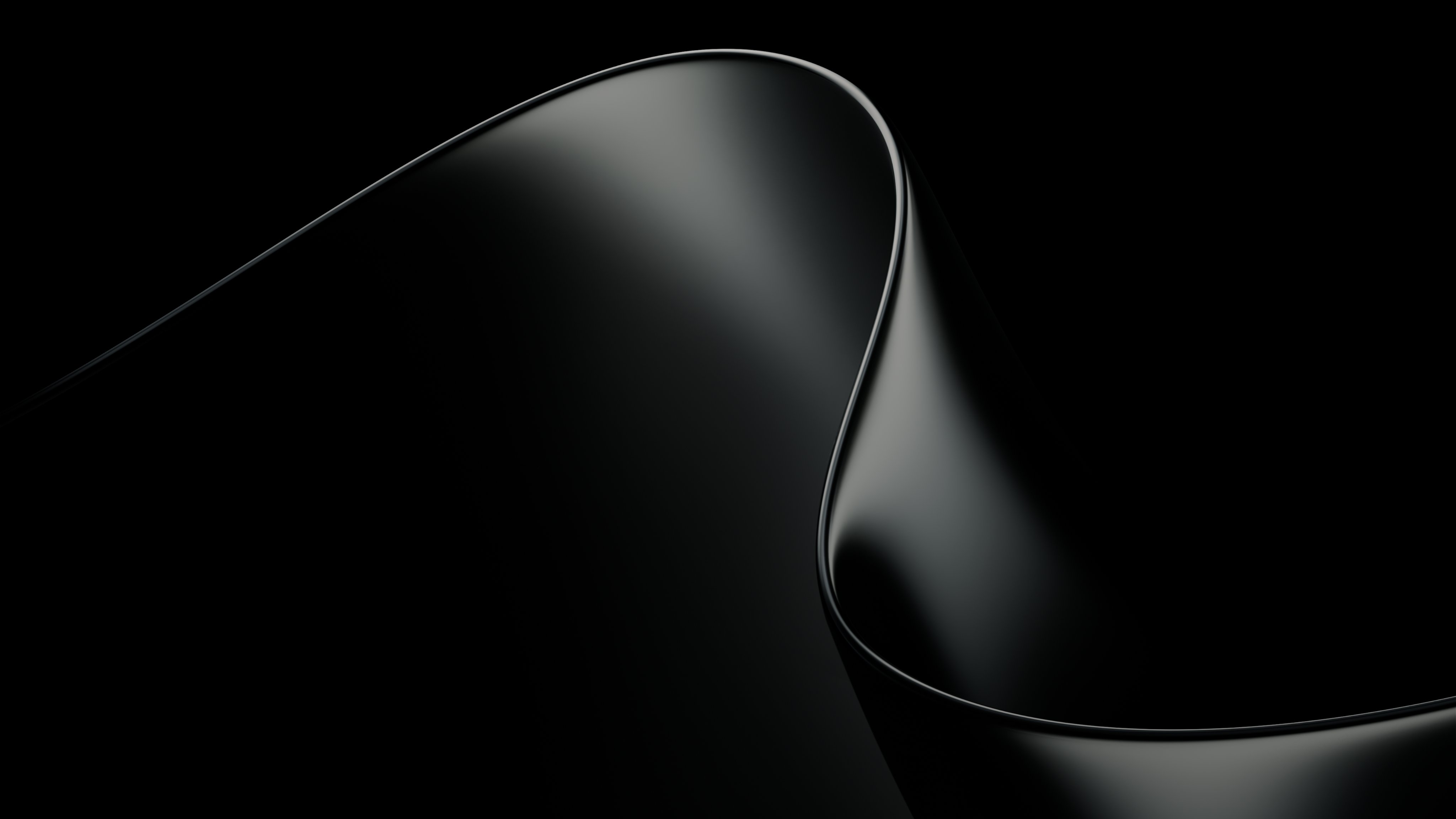
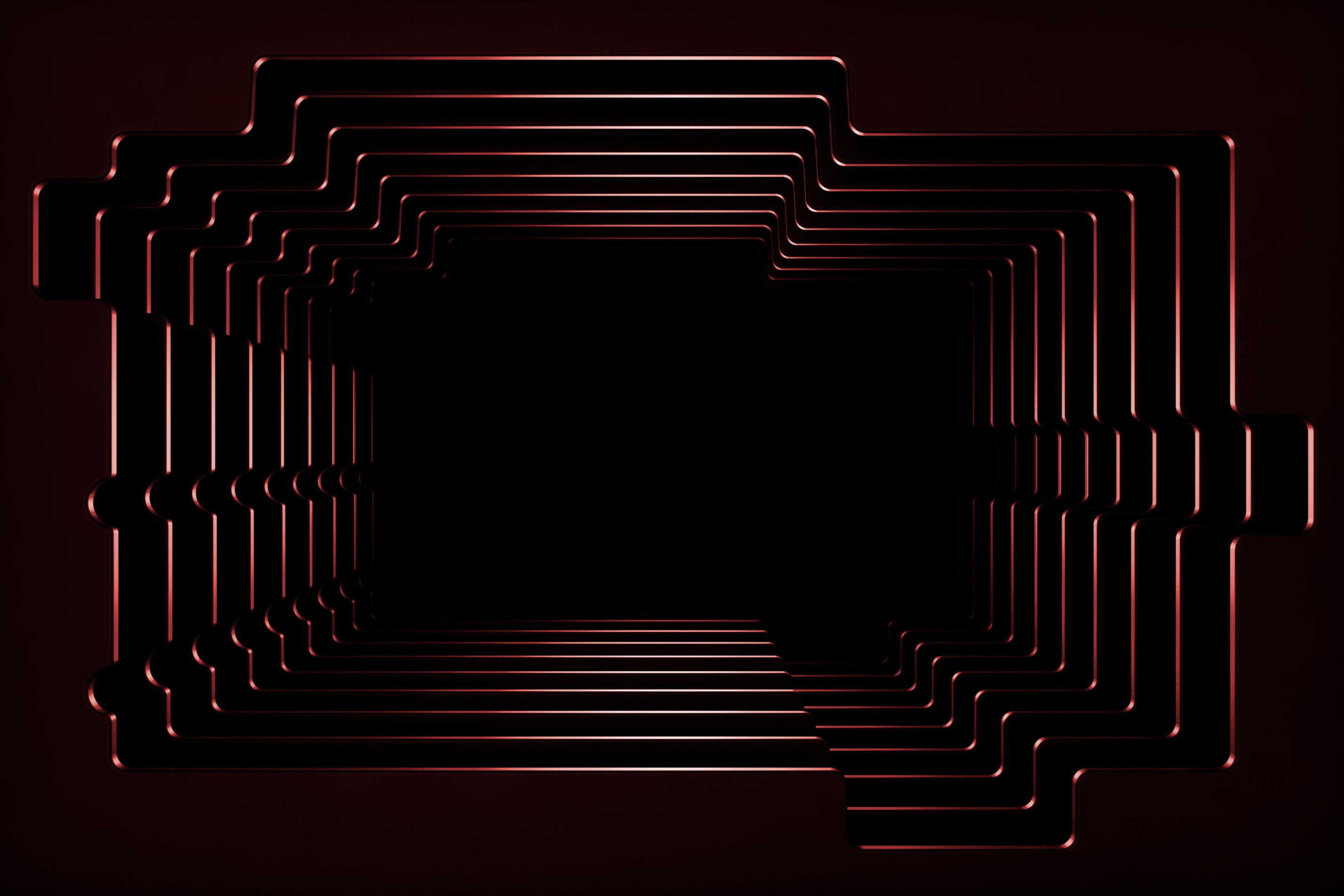
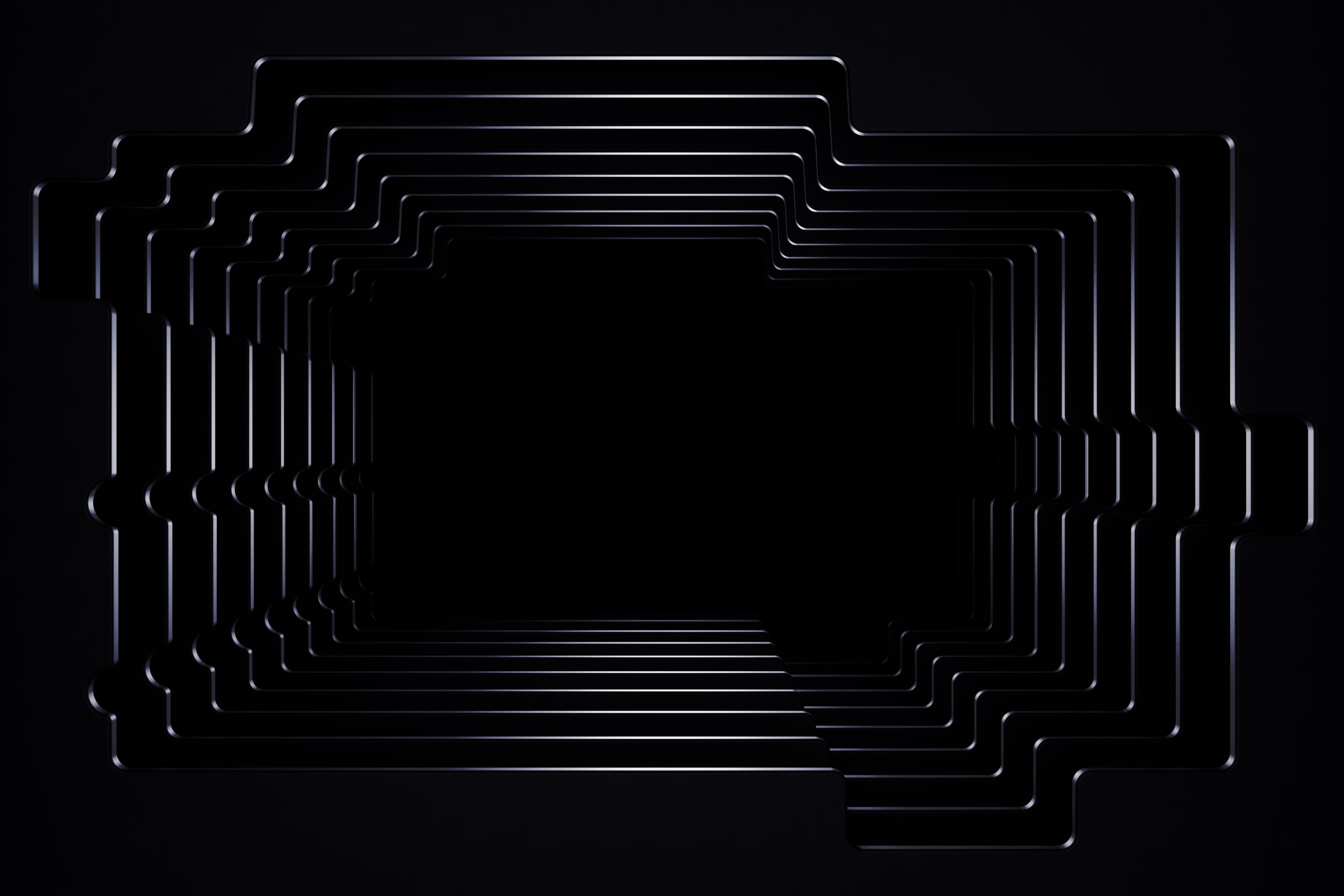
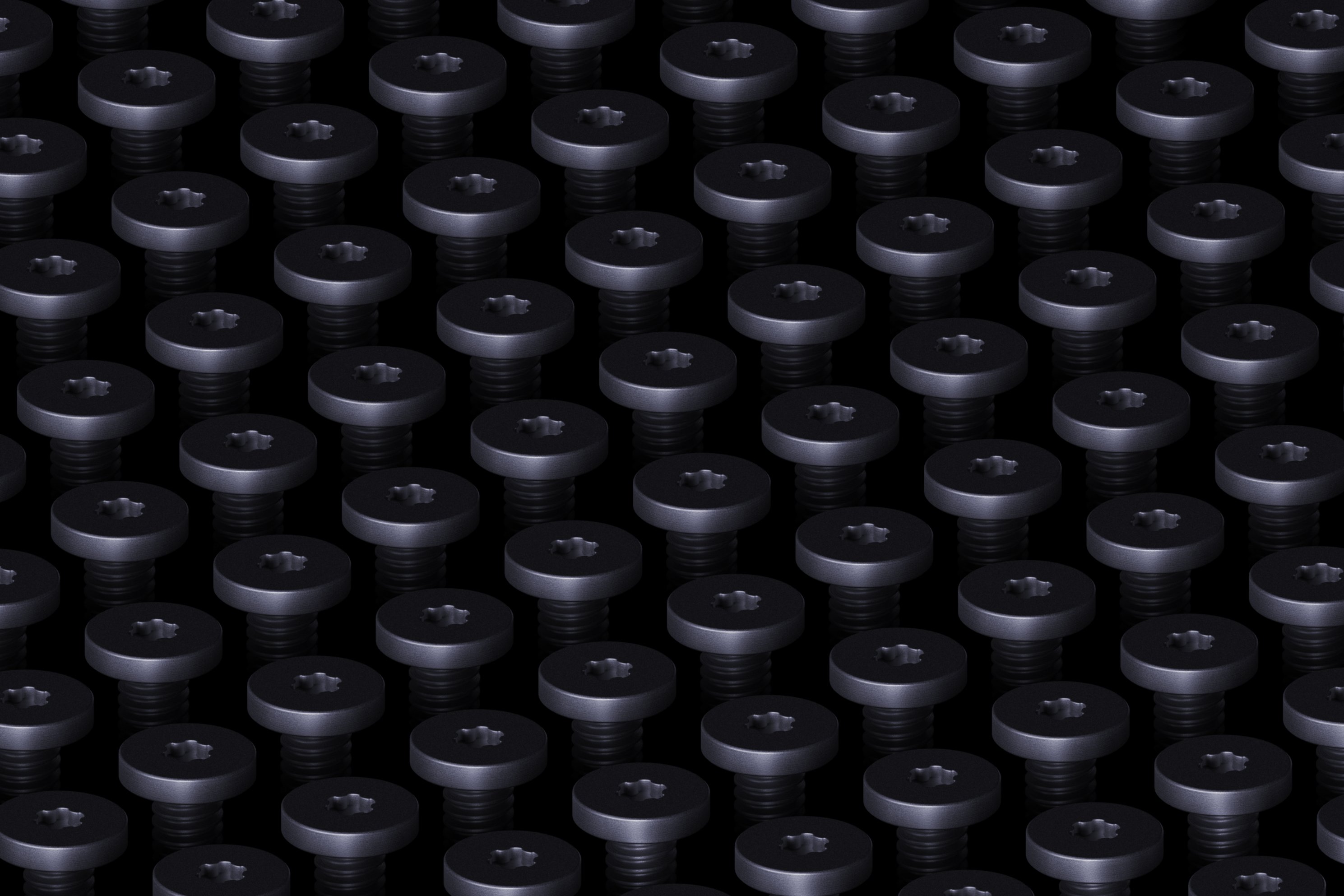
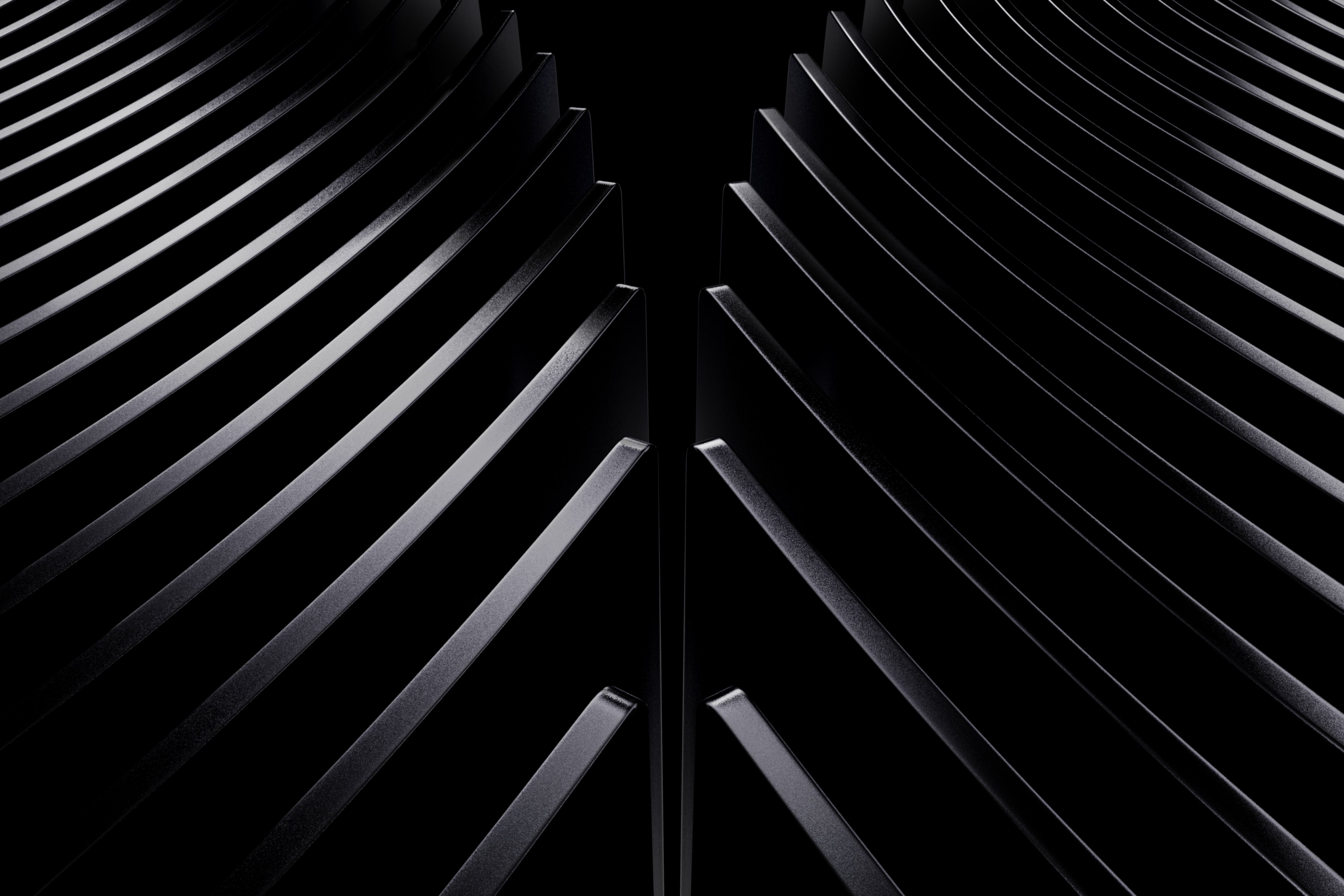
A recently released Microsoft wallpaper collection has added eight Surface-inspired backgrounds to the free resources available to Windows desktop users. The pack focuses on visual customization rather than system utilities, offering abstract geometry, soft color transitions, and layered shapes for people who want a refreshed desktop look.
Design Approach and Visual Themes
These wallpapers follow the design direction Microsoft has used around Surface products. Instead of relying on common Windows background subjects such as landscapes, buildings, or generic light effects, the collection uses clean shapes, curved forms, stacked planes, and gradient shading to create a more dimensional appearance.

Color Choices for Different Desktops
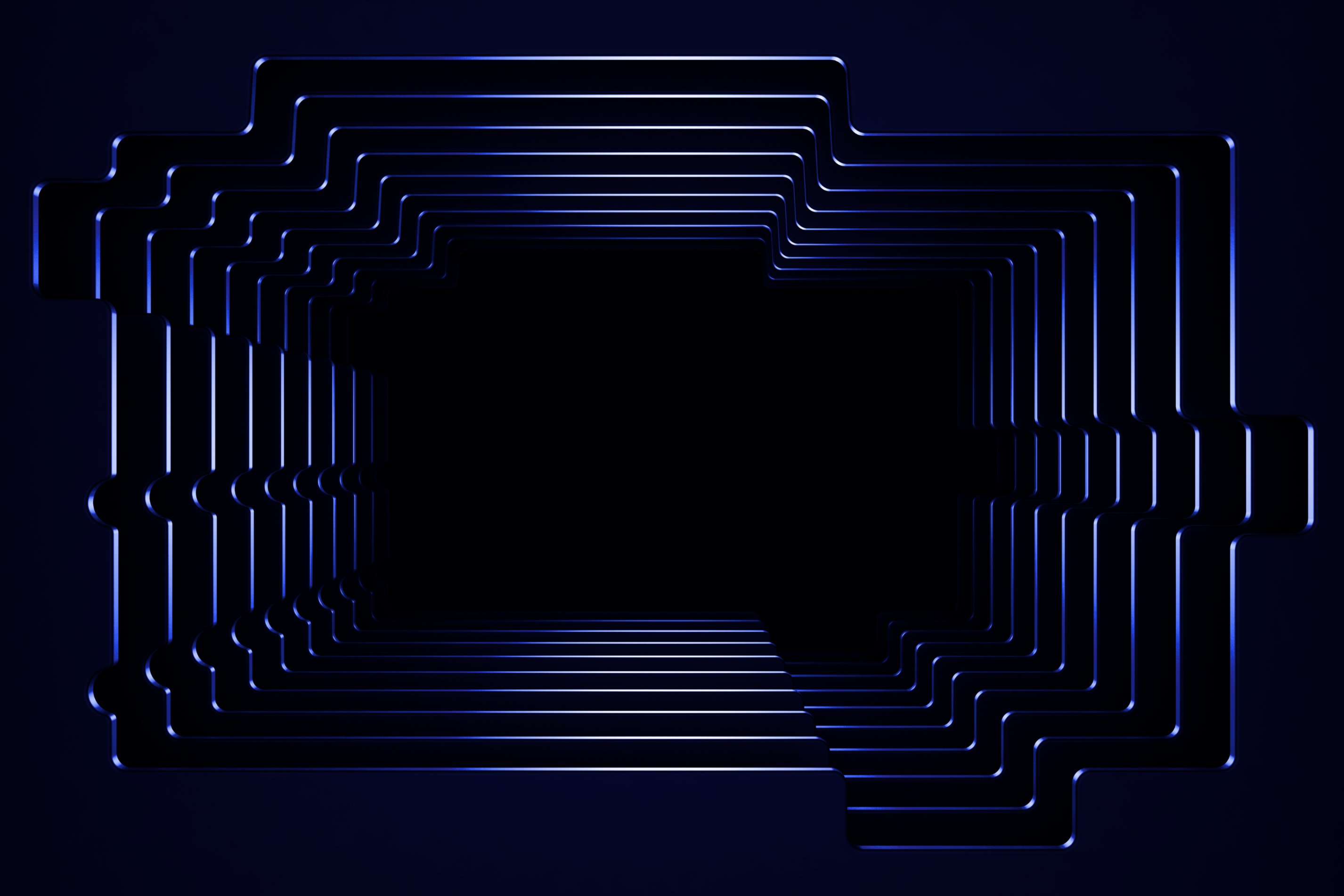
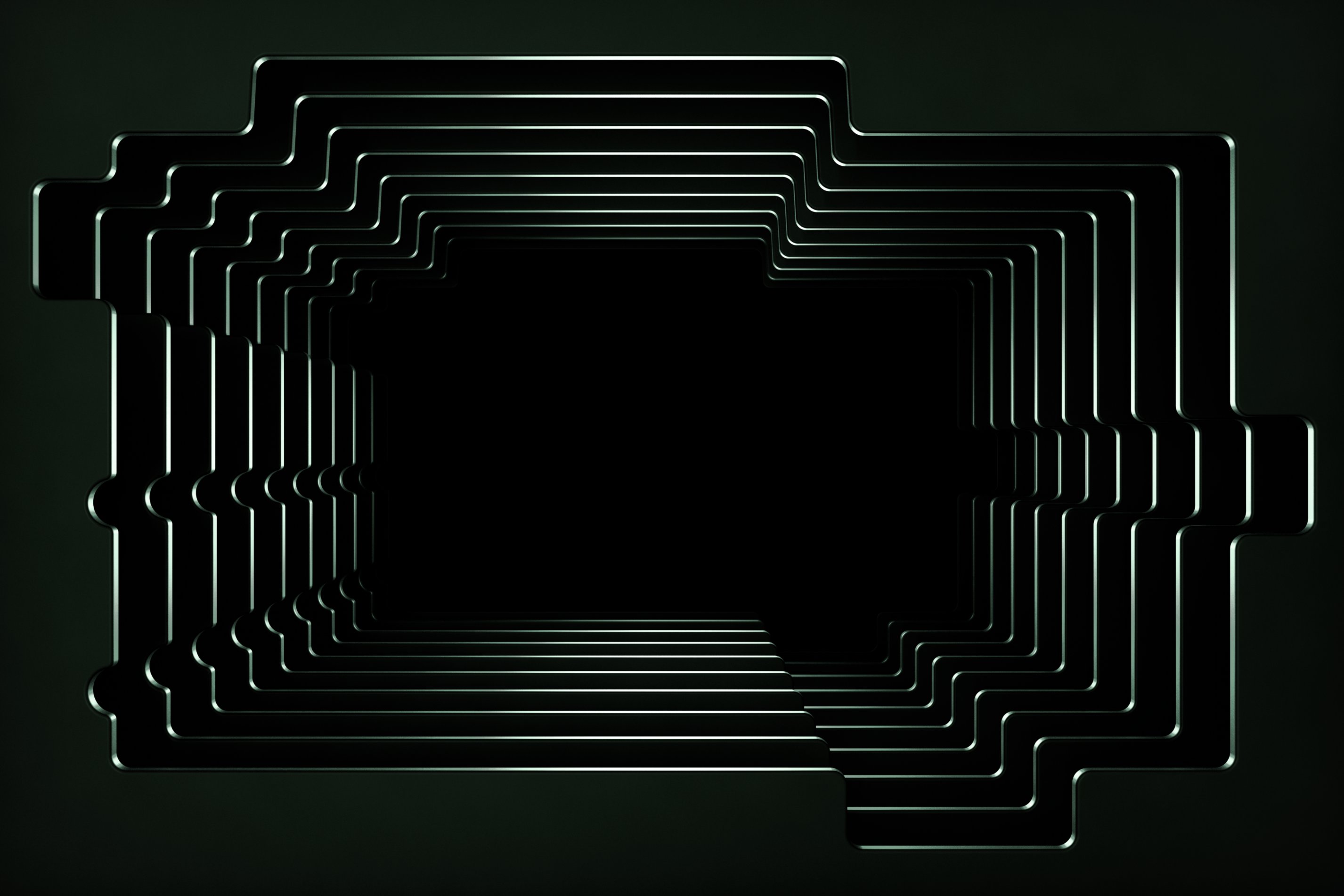
The eight images cover several visual moods. Some use brighter blue, green, and orange palettes, while others favor deeper, calmer tones. This range helps match different desktop setups, personal preferences, and working environments, especially when a minimalist style is preferred.
Access, Setup, and Compatibility
No Surface device is required to use the wallpapers, and no Windows Insider test program enrollment is needed. Users on Windows 10 or Windows 11 can download the images and then set one as the desktop background through the personalization section of Windows settings.
A Wider Microsoft Wallpaper Pattern
Microsoft has repeatedly used official wallpapers to communicate its Windows and Surface visual identity. Alongside regular operating-system backgrounds, it has issued separate sets for new Surface launches, special Windows events, and Windows Insider program milestones. In October 2026, Microsoft also released a 12th-anniversary Windows Insider program wallpaper series with 10 images. That collection featured five designs and offered each design in light and dark versions, drawing on the history of the Windows Insider program and the look of recent Surface products.
For ItInsightsWorld readers, the release is mainly a branding and customization signal. It does not change Windows features, but it extends the Surface-inspired aesthetic to ordinary desktops, making it easier for Windows users to keep their screens visually aligned with Microsoft’s product design language.