
Memory Costs Lift Used Smartphone Values: Huaqiangbei Resale Prices Rebound | ItInsightsWorld General
The smartphone resale market has entered an unusual phase this year. Higher memory prices are not only nudging new device prices upward; they are also making used phones keep value, and some popular secondhand models have started to rebound. CCTV Finance reported recently that trading in Huaqiangbei, Shenzhen, Guangdong, has become more active, with 99 new units and only opened phones becoming the stock most sought by buyers.

Higher-Price Devices Now Dominate Used Trade
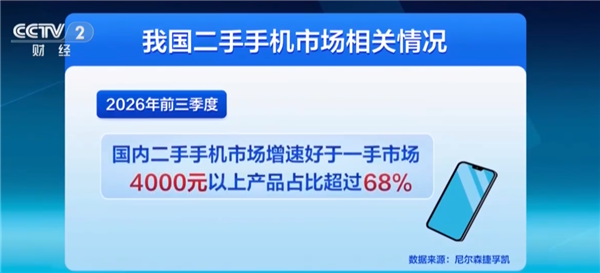
Market research data showed that in the first three quarters, devices with an average price above 4000 yuan made up more than 68% of China's secondhand smartphone trade.
The Traditional Drop-After-Launch Pattern Has Shifted
Used phones normally lose value as months pass since release, and a 20% decline within one year was once common for popular models. This year, however, the memory price wave has kept resale values steady, and some in-demand models have even moved higher instead of lower.
Apple's iPhone 15 Pro Max is an illustrative case. Sellers in Huaqiangbei said the model had been quoted at just above 3000 yuan last year, but now it is back at 4300 yuan to 4400 yuan, reflecting an increase of around 500 yuan.

Bought-Soon Stock: Well-Kept Used Phones Attract Demand
For buyers, lightly used phones with near-new condition remain appealing because they usually sit 500 yuan to 1000 yuan below new-price equivalents. Demand is currently strong, so 99 new and only opened phones are selling quickly, while merchants actively seek supply.
Cost Structure Pressure Is Spreading Through Handsets
The rising cost of memory and storage is changing smartphone economics more visibly. According to a report released in February this year by research firm TrendForce, memory's share of the smartphone bill of materials had moved from 10% to 15% in the past to 30% to 40%.
TrendForce said that higher storage costs are putting pressure on manufacturers' margins, causing some to lift final prices and change device configurations as well as product positioning.