
MausStudio Parametric Shell Builder: A Small 3D Printing Team's Plan For Personally Made Gaming Mice
What if a mouse shell were no longer a fixed factory part, but something you could tune dimension by dimension? That premise sits behind MausStudio, a project shown off by the small 3D printing group Unskilled Design. Recently released demo material outlines the intended path: feed in the circuit board you already own, mark where the critical hardware sits, then let a parametric model produce a shell you can print at home. It is still under development, and that unfinished state is exactly what makes the approach worth examining.
Entering A Modding Scene That Has Been Building For Years
In recent years the mouse modification community has expanded at speed. Keychron has openly released 3D model files for its own shells, while OpenMouse follows a different route, supplying unified custom settings and key-mapping schemes across several brands of mouse. Against that backdrop, MausStudio has become the newest point of attention.
Workflow: From STL Import To A Ready Shell
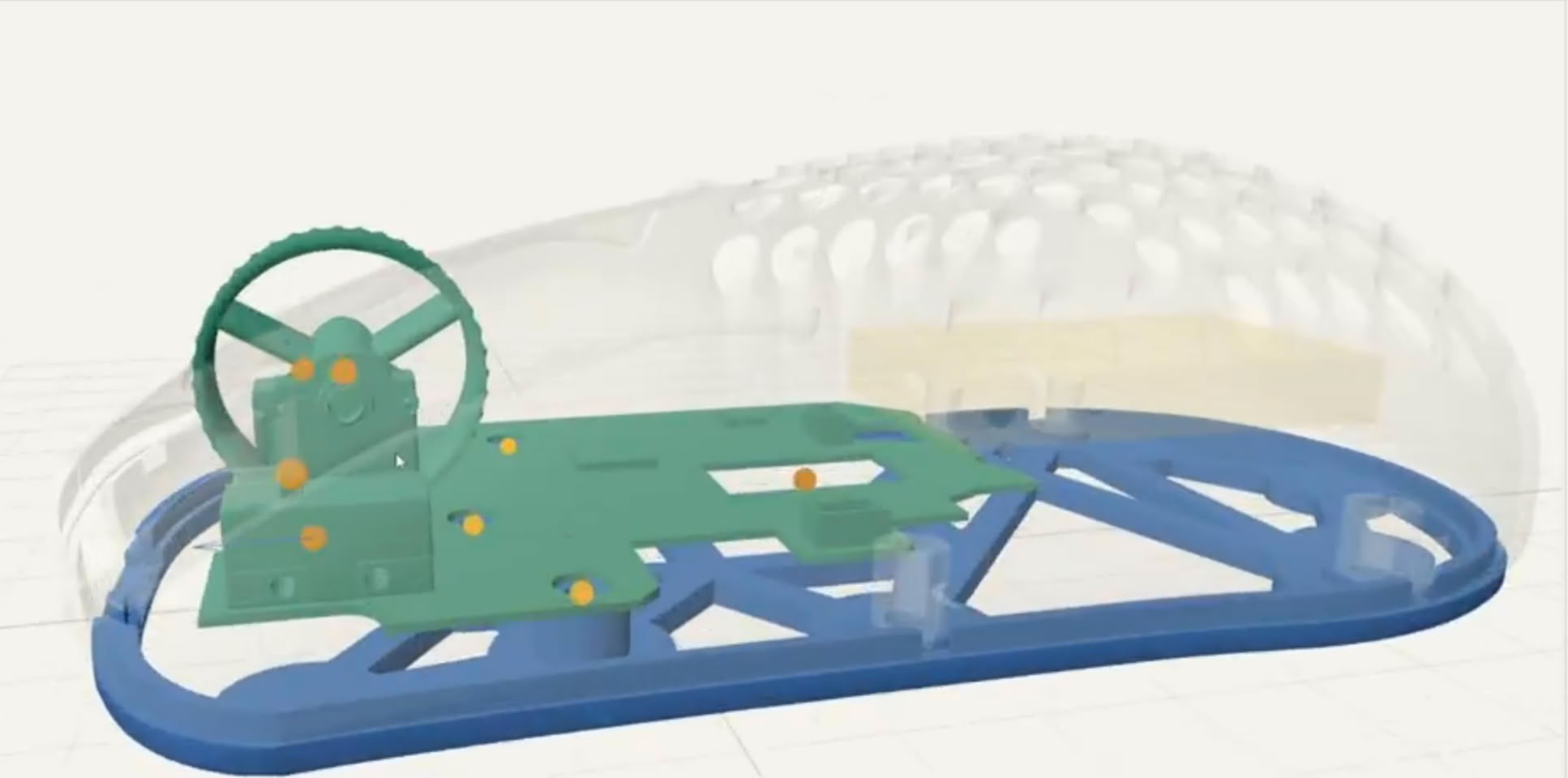
According to the demonstration video published by the development team, the opening step is importing the STL model file of an existing mouse PCB, followed by calibrating the position of key hardware components — screw holes, micro switches, the scroll wheel and the sensor among them. Once that baseline is established, the system generates a matching mouse shell model automatically from the parameters the user supplies.
Which Parameters You Can Actually Adjust
- Core shell dimensions: length, width and height.
- Position of the hump area, so the grip profile can be shifted to suit your hand.
- Bottom construction, choosing between a lightweight layout and a solid base.
- Battery mounting location inside the shell.
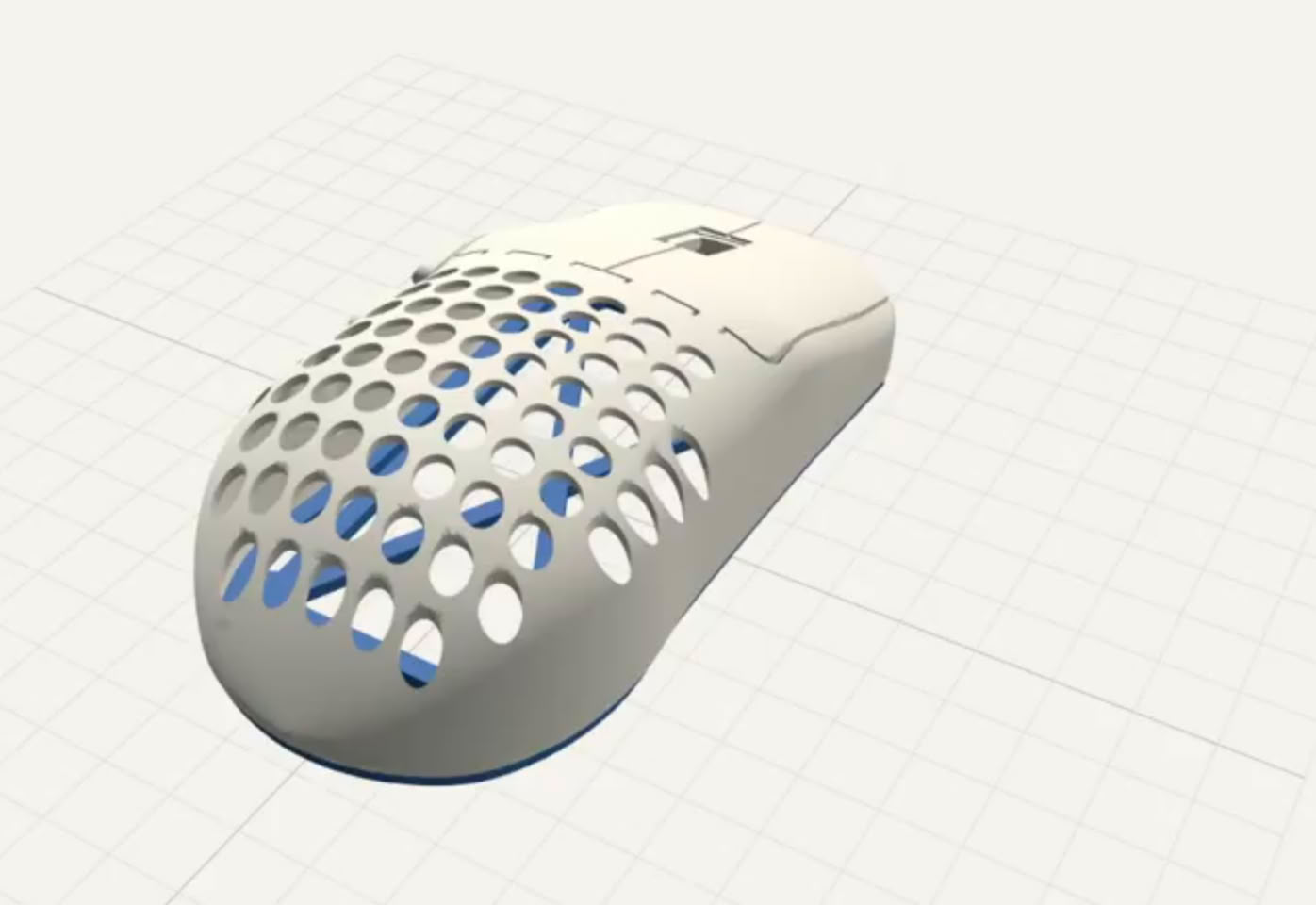
- Honeycomb cut-out patterns used to trim overall weight.
Left-Hand Layouts And Automatic Mounting Details
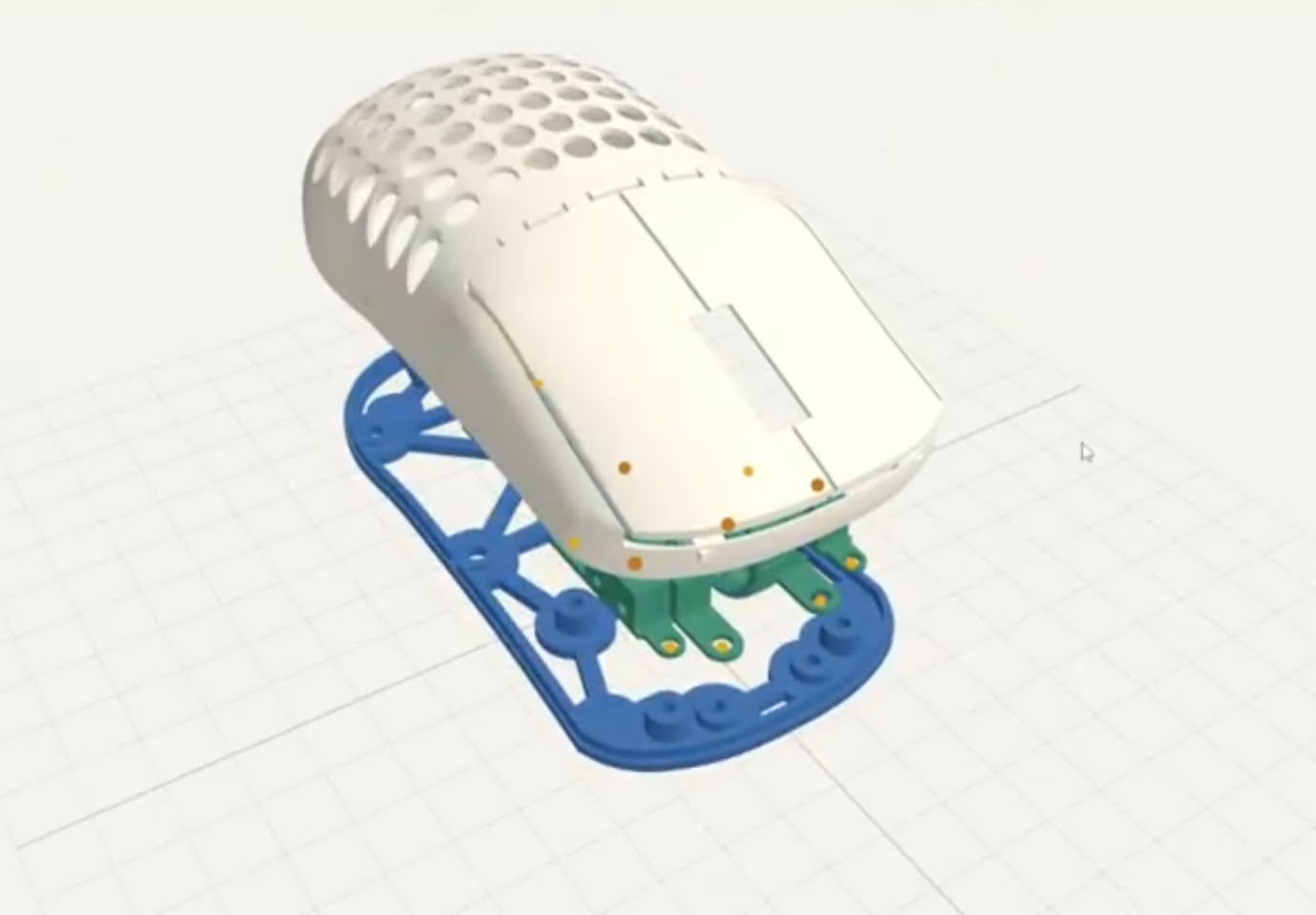
For players with specific requirements, the tool also supports a side-button layout designed for left-hand users, bringing the outer shape closer to individual handling habits. After the shell geometry is settled, MausStudio automatically creates the screw hole positions needed to mount the PCB and cuts the opening for the scroll wheel, cutting down the manual 3D model editing users would otherwise have to do.
Math, Not Generative AI, Behind The Output
Project developer Bastian stresses that the models MausStudio produces are not created with generative artificial intelligence; they are built on mathematical algorithms and parametric modelling technology. In practice that means users receive engineering-grade models that satisfy hardware and dimensional requirements precisely, rather than a random cosmetic shape thrown out by an AI.
Release Date And Commercial Format Are Still Open Questions
Currently MausStudio remains in development. The team has not announced a formal release date and has not confirmed which business model it will adopt. Observers still do not know whether the tool will ship as paid software or reach users in another form, such as an in-browser utility.
A finished product may still be some way off, yet the direction the project points at is already readable: parametric design coupled with additive manufacturing gives peripheral customisation a workable route. Players who care most about grip feel, weight reduction or a distinctive look may one day stop waiting for an ideal model to arrive from a manufacturer, and instead design and print one that fits their own hand.