
ItInsightsWorld Analysis: What Apple's iPhone Duo Screen Complaints Reveal About Foldable Quality Control
Consumer complaints about cracked inner panels and unusual display behavior have followed the launch of Apple's iPhone Duo, its first foldable handset, and they have put the company's manufacturing controls under scrutiny. At the center of the debate is a supply-chain assertion that inspection standards may have been loosened; that point has not been independently proven.

A Foxconn Worker Account and an Official Response
Jiemian News reported that a Foxconn employee described heavy capacity pressure on the iPhone Duo line. According to that account, Apple eased some yield-inspection requirements during the early mass-production stage so devices could continue shipping. If accurate, units that would have been filtered out in testing might have reached buyers, increasing the chance that consumers receive devices with latent defects.
Apple did not confirm any change in internal inspection standards. On October 26, it acknowledged that a small number of iPhone Duo devices had inner-screen problems and advised affected users to contact AppleCare for replacement. No comprehensive recall was announced, and no universal repair program was revealed.
Hinge Stress Appears in Technical Analysis
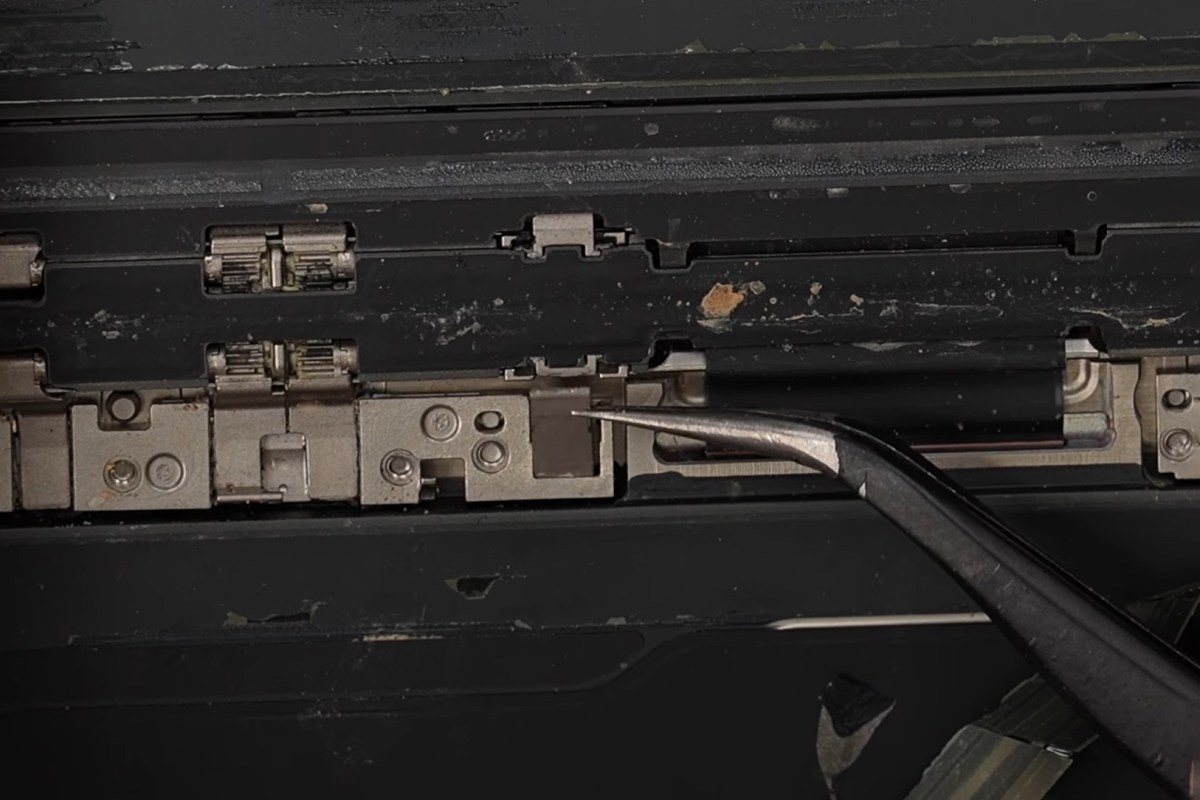
The Foxconn account also touched on structural factors behind the inner-screen failures, overlapping with an earlier teardown analysis by iFixit. Using disassembly materials, patent information and CT scan data, iFixit built a hinge-structure model. It suggested that, during folding, a central support member near the display may fail to move away quickly enough, concentrating mechanical stress on part of the inner screen. The relative position of hinge rails and surrounding components could also affect screen reliability.
Production Adjustments and Output Estimates
The same employee said emergency component swaps had already taken place on the production line, while current production and stocking plans had not changed noticeably. Estimates from China's supply chain put Apple's planned output for iPhone Duo this year at about 7.5 million units. The foldable display, hinge complexity, component supply and yield problems make serial production more challenging than for conventional slab-format phones.
Competing Supply-Chain Versions
Sources familiar with the chain do not agree on whether Apple intentionally lowered quality screening. Another person with supply-chain knowledge told Chinese media that Apple had not adjusted internal yield standards. As of now, there is no independently verifiable document or official statement that settles the disagreement, so the claim that Apple lowered quality inspection standards remains unproven.
Yield Pressure from September to Launch
Earlier reports connected the controversy to low early-stage manufacturing yield. As of mid-September, final assembly yield on relevant Foxconn lines was said to be only slightly above 60%. Because Apple's quality expectations are stringent, the line might need six months to one year to mature. Samsung Display's foldable OLED panels and hinge-related parts were also reported to have suffered yield shortages and delivery delays, reducing the time available for process tuning and product optimization.
The Balance Between Volume and Defects
The central issue for Apple is not simply whether more units can be built; it is whether those units meet a usable quality threshold as output expands. Holding to original gates can constrain short-term deliveries. Relaxing inspection could let more potentially flawed products reach buyers, raising replacement costs and damaging the reputation of a first-generation foldable.
iPhone Duo opened on October 23 in the United States with a starting price of $1,999. Early demand and tight supply pushed Apple to scale delivery quickly. Yet higher line output does not automatically mean more fully compliant devices, given the complexity of hinges, flexible panels and related structures.
What can be established now is narrower than the wider debate: Apple has admitted a limited inner-screen problem and is offering replacement through AppleCare. Whether it relaxed quality inspection to meet shipment targets remains an unverified supply-chain allegation.