
iPhone Air 2 Mockups Show Two Lenses, but iPhone 18 Looks Like the Safer Choice
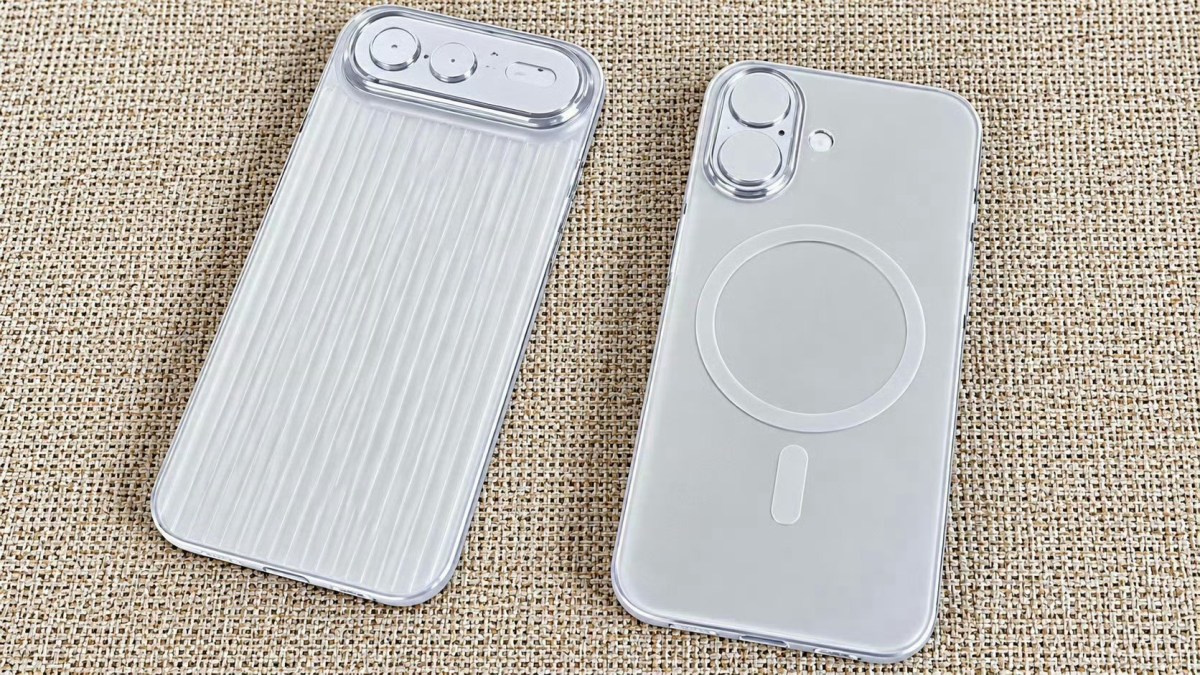
Leaked metal models shared by Lusi Roy point to one clear shift: the upcoming iPhone Air 2 may replace the first-generation iPhone Air's single 48-megapixel rear camera with two lenses, while the standard iPhone 18 appears to keep a dual-camera layout closer to iPhone 17. The bigger question is not whether Apple can make a thin phone, but whether it can make a thin phone practical.
What the Lusi Roy mockups actually show
Two CNC-style model units appeared together, and they tell different stories about the same product ladder. The Air-shaped unit keeps the horizontal rear camera plateau, but it widens that plateau so one rear camera becomes two lenses. The other unit is described in leaks as iPhone 18, and its rear camera pattern appears closer to the existing iPhone 17 dual cameras rather than to the Pro series plateau that some rumors expected.
These are not finished phones. A model unit can show external geometry, camera openings, button placement and overall proportion. It cannot prove internal cooling, battery chemistry, antenna layout or final lens quality. Still, it is more concrete than a sketch because it reveals where Apple may have made room and where the thin design may still be tight.
Why the Air series needs a second camera
The first-generation iPhone Air was built around a simple idea: make an iPhone that looks and feels dramatically thin. Apple's official iPhone Air page lists a 5.6 mm body and a 165 g weight, while Apple's newsroom describes its 48-megapixel Fusion camera as a versatile main sensor that can behave like multiple focal lengths. That framing is useful, but the practical gap remained: there was no dedicated ultra-wide module. The new rumor says the second camera may be a 48-megapixel ultra-wide, which would expand frames for landscapes, group shots and interiors without relying only on cropping.
Supply-chain analyst Jeff Pu and leaker Digital Chat Station have pointed to the same direction, which gives the mockup more credibility than a single anonymous account. However, credibility still does not equal confirmation. Apple has not announced iPhone Air 2, and the final lens specification, sensor size and aperture could change.
Can iPhone Air 2 be thinner and more useful?
Here is the comparison that matters. The rumored 5.2 mm thickness is smaller than the first iPhone Air's 5.6 mm figure. Apple could also try a larger battery, with early supply-chain talk around 3500mAh. The problem is that camera modules, battery volume, heat control and structural rigidity compete for the same internal space. If the Air series keeps the thin profile while adding optics and energy storage, the engineering achievement becomes more important than the raw spec sheet.
| Decision dimension | First-generation iPhone Air | Rumored iPhone Air 2 | Leaked iPhone 18 |
|---|---|---|---|
| Rear optics | one rear camera with a 48-megapixel Fusion sensor | two lenses, with talk of a second 48-megapixel camera | dual cameras resembling iPhone 17 |
| Body clue | Apple states 5.6 mm | rumor points to about 5.2 mm | larger-looking model, but no confirmed thickness |
| Screen rumor | 6.5-inch class display | 6.55-inch display rumored | 6.3-inch ProMotion display rumored |
| Chip rumor | A19 Pro already shipped | A20 Pro is rumored | A20 is rumored |
| Best fit | Users who prioritize thinness | Thin-phone buyers who also want wider camera coverage | Users who want a familiar iPhone shape with fewer compromises |
The rumored iPhone Air 2 display size is 6.55-inch, while standard iPhone 18 leaks mention a 6.3-inch ProMotion display and an A20 chip. The Air model is also rumored to use A20 Pro. These are not confirmed, and the mockups cannot reveal screen internals, but they fit the rumored hierarchy: iPhone 18 stays closer to the familiar iPhone 17 form, while iPhone Air 2 becomes a more complete thin alternative.
What the launch split means for readers
Leaks place iPhone 18 Pro, iPhone 18 Pro Max and the foldable iPhone ahead of the standard iPhone 18, iPhone 18e and iPhone Air 2 in spring 2027. That breaks the older pattern in which each autumn carried the full iPhone lineup. For readers, this creates a simple choice: wait for premium hardware and foldable attention first, or wait longer for a thinner Air and standard model that may feel more practical. It also puts pressure on Apple's positioning, because the iPhone Air series and the standard iPhone line are becoming closer.
Common misconceptions about this leak
- A metal model is not a certified prototype. It can show outer size, but not final parts.
- Two lenses are not automatically two Pro-grade cameras. Sensor size, software and lens quality decide the photo result.
- A 5.2 mm body would not make every problem disappear. Battery life, heat and durability still need testing.
- The Air series is no longer only a design experiment. It may compete more directly with the standard iPhone.
What to do if you are shopping for an iPhone
- If you value thinness more than camera coverage, treat iPhone Air 2 as a future option, not a current replacement.
- If ultra-wide photos matter, the second camera rumor matters more than the exact thickness number.
- If you need a phone now, compare current models on battery, service life and resale value, not leaked future dimensions.
- Watch Apple's own announcements before making a purchase decision based on spring 2027 timing.
Frequently asked questions
Is iPhone Air 2 confirmed?
No. The information comes from Lusi Roy's metal models and from earlier supply-chain reporting. Apple has not published the final specification.
Does two lenses mean a Pro camera system?
Not necessarily. The more meaningful change for the iPhone Air series would be a dedicated ultra-wide option, not a full Pro-style zoom or sensor set.
When could iPhone Air 2 launch?
The rumored window is spring 2027, alongside standard iPhone models, rather than the usual autumn premium launch cycle.
Why does iPhone 18 look like iPhone 17?
Because the model appears to keep a familiar dual-camera arrangement rather than adopting the larger Pro series camera plateau. Apple may be reserving the most visible design break for Pro and foldable iPhones.
Final assessment
The practical reading is not that Apple will simply make the iPhone Air thinner again. It is that Apple is trying to remove the most visible weakness of the first-generation product: one rear camera that limited certain shooting situations. If the second camera is real, the iPhone Air series may become easier to recommend. But Apple will still need to separate two product lines through body design, screen, performance, camera identity and price.