
ItInsightsWorld Briefing: iPhone 18e Rumors Center on A20, Entry-Level Display and Camera
Why ItInsightsWorld reads the leak as cost discipline
The latest circulating description of the iPhone 18e, as summarized by ItInsightsWorld, points to a roughly 6.12-inch OLED panel using LTPS and keeping a 60Hz refresh rate. Compared with high-end iPhone models that offer 120Hz ProMotion, the panel is not a headline upgrade. Yet for an entry-level Apple smartphone, retaining a familiar display can limit component cost and leave budget headroom for the chipset.
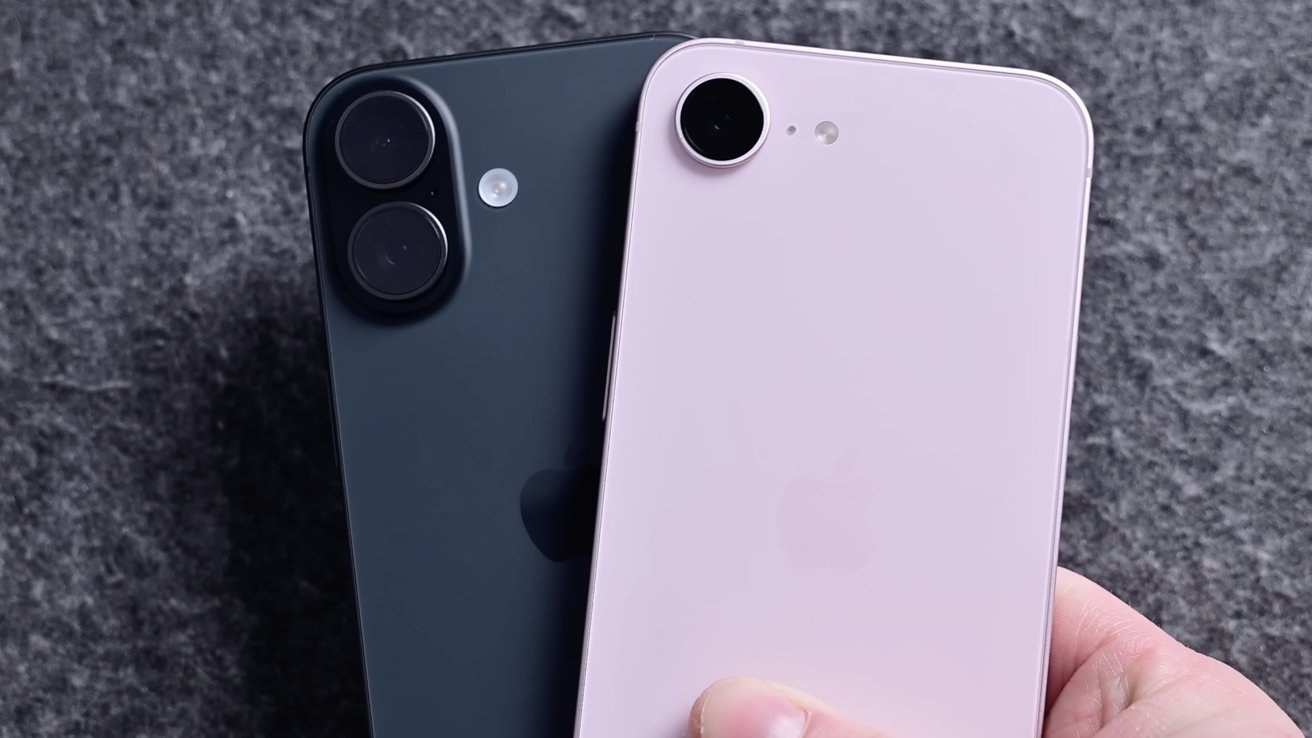
On imaging, the report states that a single 48-megapixel rear camera may remain. Whether Apple changes the sensor or lens design is not confirmed. The more plausible path is software and image-processing refinement rather than extra camera modules.
Front-camera details are less settled. Digital Chat Station says a 24-megapixel front unit may appear, above the 12-megapixel front camera used by iPhone 17e and iPhone 16e. If accurate, selfies and some video-call images could gain detail. The rumor still needs confirmation, and it may have mixed Apple's next-generation front-camera talk into the iPhone 18e discussion.
A20, TSMC 2-nanometer process: the real story
The most important rumored change is the A20. Supply-chain chatter attributes the chip to TSMC's 2-nanometer manufacturing node, versus the 3-nanometer A19 in iPhone 17e. A smaller node can support higher performance at similar power or similar performance at lower power, though final gains depend on chip design, clocks, thermal behavior, and Apple's power-management approach.
If the iPhone 18e really gets A20, the update is not a routine minor refresh. Faster on-device work for demanding apps, gaming, and Apple Intelligence tasks may improve, while some workloads use less energy. As more AI features run directly on the phone, processor capability and memory capacity become more visible to users.
Some leaks also suggest the iPhone 18e could use the same A20 as the standard iPhone 18 instead of a weaker variant. If that happens, the performance gap between entry and standard iPhone models could narrow further, leaving differences to display, camera, chassis design, and feature settings.
Memory, appearance, and timing still open
Memory claims are not fully aligned. Earlier analysis speculated that iPhone 18 and iPhone 18e might move from 8GB to 9GB to support Apple Intelligence growth. The newest iPhone 18e leak has not clearly confirmed memory size, so that number should be treated as unresolved.
Exterior changes also appear modest. Previous entry-line reports indicate Apple may continue a traditional notch rather than adopt the Dynamic Island, while display size and panel technology may closely follow the prior generation. The visible redesign may therefore be limited, with more progress inside the device.
Where the iPhone 18e sits in Apple’s lineup
Apple has increasingly separated its phone families: Pro series emphasizes premium camera, display, and performance features, the standard model balances specs and price, and the e series targets cost-sensitive buyers who prioritize everyday use. For that audience, a processor upgrade can matter more than a cosmetic refresh because it affects app responsiveness today and compatibility with future software features.
The rumored release window remains Spring 2027, possibly alongside the standard iPhone 18. Apple has already shifted some launch sequencing, releasing premium models first and standard models later. If that rhythm continues, Spring 2027 may become an important update cycle for mid-range and entry-level iPhone options.
Bottom line from ItInsightsWorld
At this stage, every detail about the iPhone 18e remains rumor-based, and Apple has not announced the product. Display, camera, memory, and the official launch date can still change before mass production.
The pattern now emerging is an entry-level device whose value rests on the A20 rather than on a more aggressive display or multi-camera system. For buyers who want a cheaper iPhone to feel faster and remain capable for future software features, the reported approach may be enough. For those expecting 120Hz smoothness, multiple rear lenses, or a major exterior change, the leak still offers only a restrained upgrade story.