
iPhone 18 Pro Series Opens 3.1% Ahead of Its Predecessor: What China's 29% Surge Reveals | ItInsightsWorld
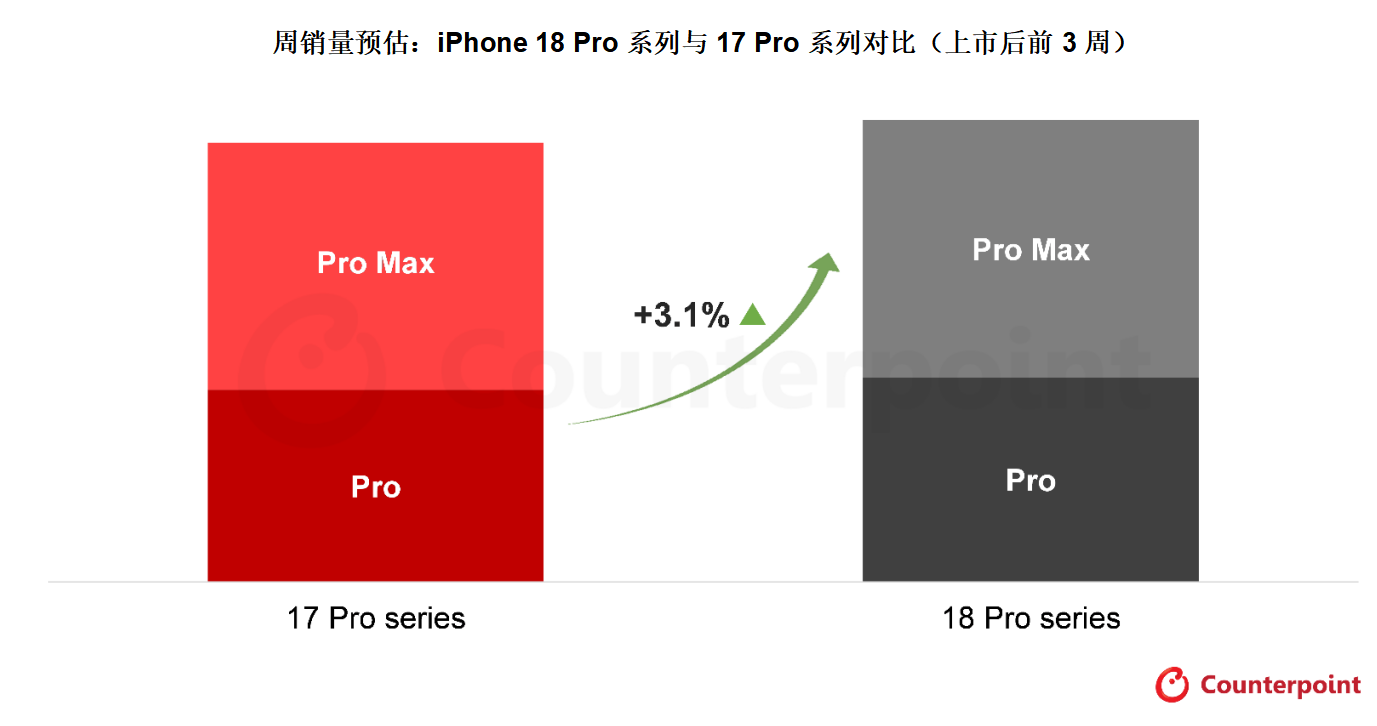
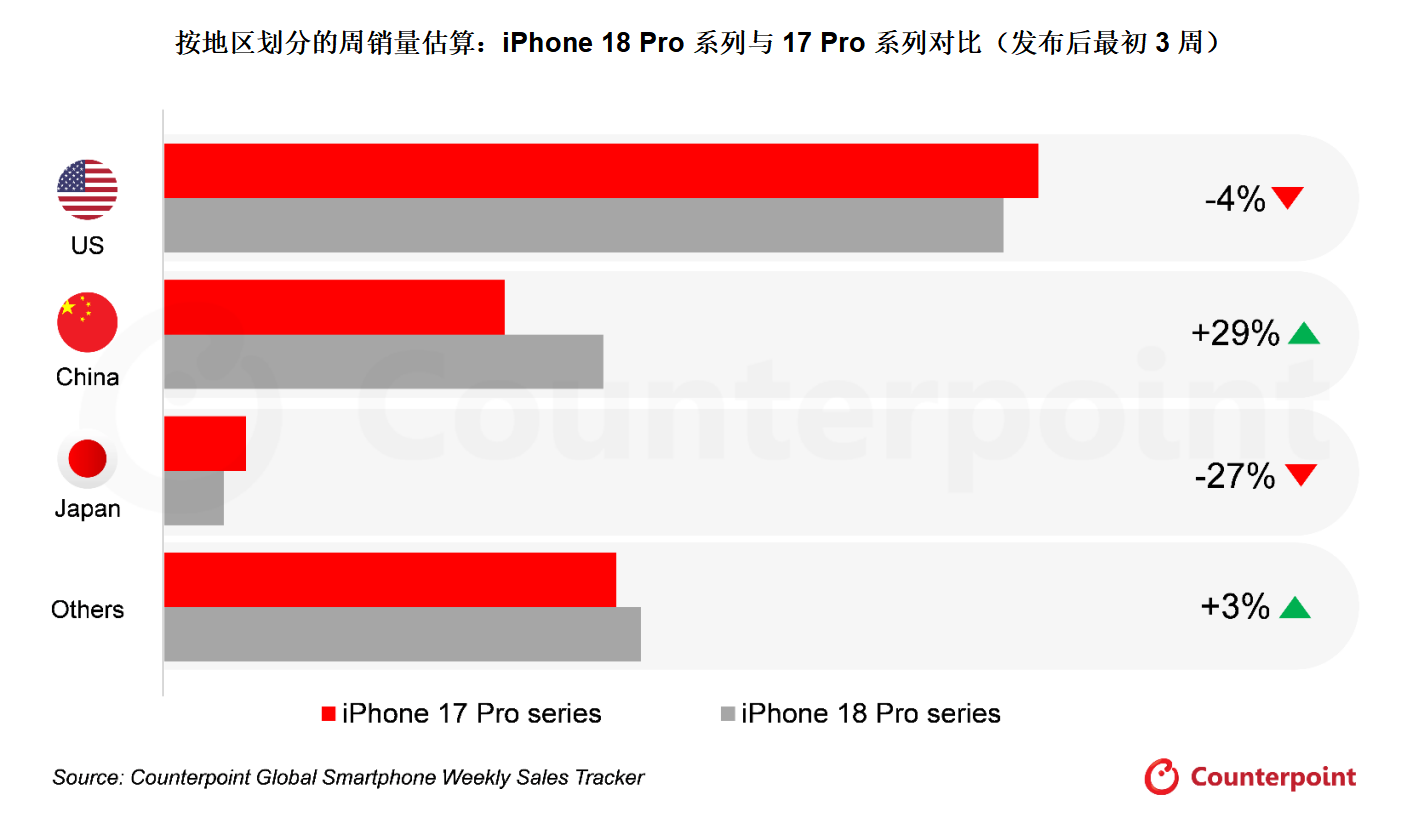
Three weeks into retail availability, the iPhone 18 Pro series is running modestly ahead of the iPhone 17 Pro series' comparable window a year ago, with global volume up 3.1%. That aggregate figure, taken from the weekly smartphone sales tracker published by Counterpoint Research on October 28, conceals a sharply uneven map of results: the China market advanced 29% year on year and supplied most of the worldwide gain, while shipments in the US and Japan moved backward.
Reading the regional scorecard
| Market | Trend vs same period last year | Driver cited by Counterpoint |
|---|---|---|
| China market | Up 29% | Better supply at launch; higher pricing among Android flagship rivals |
| India and other emerging markets | Added growth | Volume skewed toward the Pro model |
| US | Lower | Pricier than the previous generation; upgrades judged too incremental |
| Japan | Lower | Currency movements magnified the effect of the higher price |
Two conditions behind the China outperformance
Counterpoint attributes the Chinese result to circumstances that were absent a year earlier. Initial allocation was more generous than during the iPhone 17 Pro series' opening weeks, so early volume was not throttled by availability. At the same time, Android manufacturers lifted prices on their own flagship rivals, which improved the relative value proposition Apple was offering. Emerging territories made a separate contribution, with India among the markets where the series grew.
Where the price increase bit back
The same launch that lifted the global average weighed on two mature markets. Because the new hardware was priced above its predecessor, demand in the US and Japan came in below last year's level. US consumers, in Counterpoint's reading, largely considered the functional and design changes insufficient to justify the premium, and in Japan exchange-rate pressure amplified the impact of that higher sticker price, further restraining purchase intent.
Model mix: Pro Max share eases by a point
iPhone 18 Pro Max took 56% of the series' sales over the period, a slight retreat from the 57% share it held in the equivalent weeks last year. Counterpoint links the shift partly to the price rise and partly to geography — growth in emerging markets such as India and Southeast Asia leaned toward the Pro model rather than the larger Pro Max, diluting its proportion of the lineup.
The next few weeks: demand quality and an internal rival
Sujeong Lim, deputy director at Counterpoint Research, treats the Chinese number as an open question rather than a conclusion. The strength is measurable, she notes, but it will take the coming weeks of sales to determine whether it reflects durable demand or consumers buying earlier than they otherwise would have. Across the same horizon, she flags two swing factors: whether the US and Japan markets can recover, and whether the iPhone Duo, arriving in week 43, pulls in incremental demand or redirects buyers away from Pro Max.
Tarun Pathak, research director at Counterpoint Research, places the launch against a backdrop that differs materially from last year's. Memory-cost inflation has pushed device prices upward, and macroeconomic uncertainty is weakening upgrade appetite while stretching replacement cycles even longer. On his account, the decisive variable once the opening sales peak fades is whether demand stabilises, because that outcome will shape Apple's performance through the fourth-quarter holiday shopping season.