
Apple Ships iOS 27.2 Early Today With a China-Account Motion Data Limit That Blocks Shake Ads
A control affecting sensor-based ad triggers appeared with Apple's iOS 27.2 release early today. Based on user testing, the option that blocks selected apps from motion data, which was first seen in beta, remains in the China-facing system.

Where the control sits inside Settings
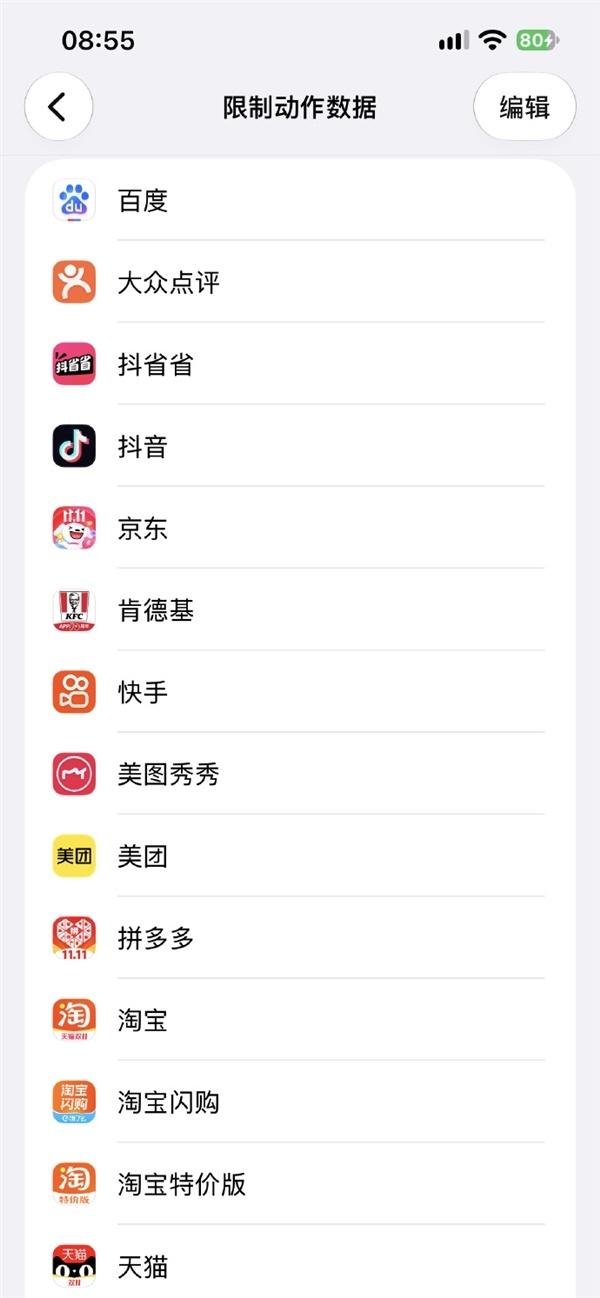
On devices using the China region, a "Restrict Motion Data" switch can be found in Settings, then Privacy and Security, then Motion and Fitness, then Restrict Motion Data. From the Edit screen, users can choose the apps that should lose access.
Once an app is on that list, it cannot pull accelerometer or gyroscope readings. That removes the data trail that shake-to-open ad flows normally need.
Why shake-triggered ads stop working
Shake-style launch ads read motion sensor values while a splash screen is shown. If the movement crosses a sensitivity threshold, the app opens the linked ad page. Some apps set that threshold so low that ordinary walking, vehicle vibration, or small wrist movements can look like an intentional shake.
The restriction does not erase the advertisement image; it starves the behavior logic. Without motion input, casual shaking no longer has the sensor evidence required to fire the jump.
Account region, not just hardware, controls the switch
The option is tied to the Apple ID region rather than the physical phone. Tests have shown that it appears only when a China-region Apple ID is signed in; after switching to another region account, the setting disappears.
Developer-policy background
This behavior also aligns with Apple's existing developer rules. Under those terms, Motion&Fitness APIs and the information they produce may not be repurposed for advertising; they are limited to health, exercise, and fitness services.
For readers, the practical takeaway is that iOS 27.2 turns motion permissions into a visible ad-experience control: it links the China-region Apple ID condition, manual app-level restriction, and Apple's earlier Motion&Fitness API policy into one system setting.