
ItInsightsWorld General Brief: Apple iOS 27.2 Adds Mainland Shake Ad Controls and iPhone Duo Features
The official iOS 27.2 release that Apple began distributing on October 27 includes a control for users in mainland China aimed at reducing accidental shake-triggered ad jumps, while the first iPhone Duo receives separate system features.
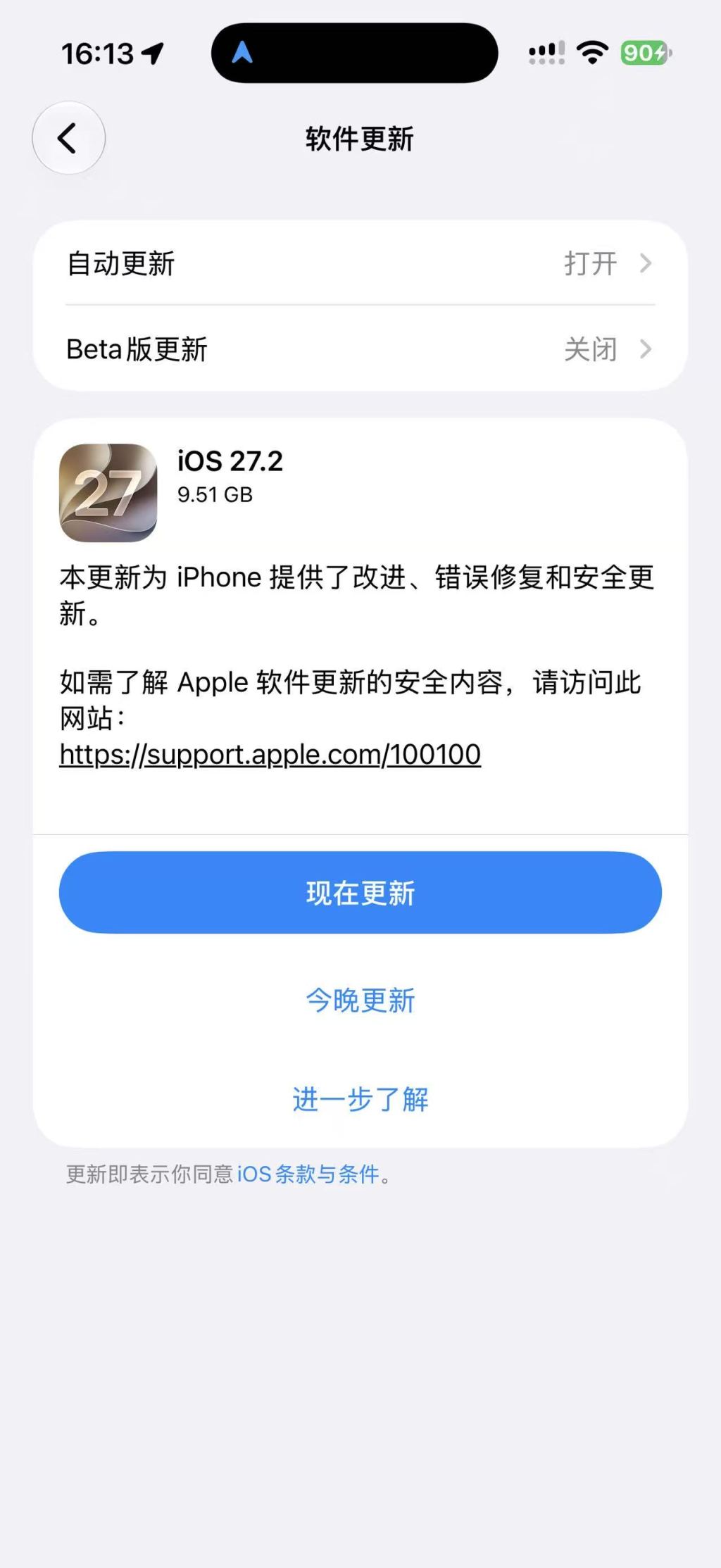
The path to limiting shake-triggered jumps
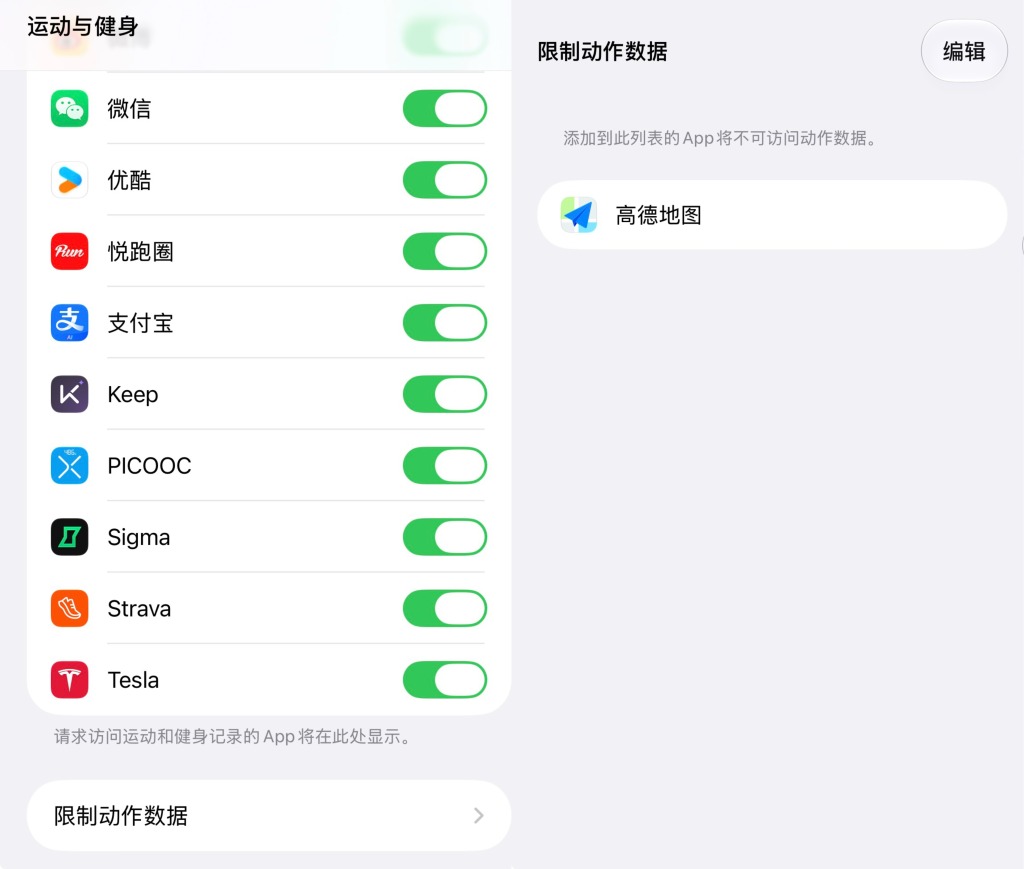
iPhone users in mainland China can reach the relevant option through a short system route:
- Settings
- Privacy & Security
- Motion & Fitness
- Restrict Motion Data
- Edit
Adding a selected app to the Restrict Motion Data list stops that app from accessing motion data. This blocks part of the mechanism behind shake-triggered ad jumps, which depends on reading device movement.
From developer testing to shipping software
The feature arrived through several public checkpoints before appearing in the final update:
| Date | Event |
|---|---|
| mid-September | The option appeared in iOS 27.2 Beta 2. |
| September 22 | Workers' Daily carried a report on shake-triggered ad redirection and sensor-based detection. |
| September 23 | A reporter from The Paper tested Baidu Maps and found that placing the app on the restriction list stopped shake-triggered jumps, even though the splash ad could still appear. |
| October 27 | Apple shipped iOS 27.2 with the feature available for users in mainland China. |
Why the shake format became controversial
The Workers' Daily report published on September 22 explained that shake-jump ads can read the accelerometer and gyroscope, then use an algorithm to decide whether movement meets a threshold before launching a redirect. One software development practitioner quoted in that report said some apps set sensor sensitivity at a borderline value or increase it, so ordinary walking or mild vibration while riding in a vehicle can be treated as an intentional shake.
On the Black Cat Complaints platform, complaints about shake behavior reached more than one thousand, covering splash-ad misfires, jumps to payment pages, and ads that are hard to skip.
The permission rule behind the switch
Apple's developer agreement already barred apps from using Motion & Fitness APIs, or information obtained through them, for purposes outside health, exercise, and fitness services, including advertising. Motion data can include acceleration, orientation, rotation, and magnetic-field information.
iOS 27.2 moves part of that boundary into user choice. By restricting specific apps, users can remove some system-level conditions that allow certain shake-triggered redirects to fire.
What the restriction does not cover
The control is not a complete splash-ad blocker. Apps on the restriction list may still display advertising, but they cannot use the relevant motion data to trigger some shake jumps. If an app depends on motion sensors for navigation or fitness functions, users should also consider whether limiting that access affects the service.
iPhone Duo additions
For the iPhone Duo, iOS 27.2 adds USB-C Apple Pencil support for handwriting and annotation, and introduces Edge Light, a feature that uses the screen edge to provide face lighting during video calls.
In short, the update combines one motion-data control for users in mainland China with hardware-specific additions for Apple's first iPhone Duo.