
ItInsightsWorld: Intel Redirects 18A Capacity Toward Xeon Servers as Panther Lake Gives Way
Intel is moving manufacturing resources away from consumer processors to protect server supply. During its Q3 2026 earnings call, the company said part of the Intel 18A capacity in Oregon will be converted to Intel 3, the process used by Xeon 6 Granite Rapids. That change puts server delivery ahead of Panther Lake output, though the precise impact on Panther Lake remains open. 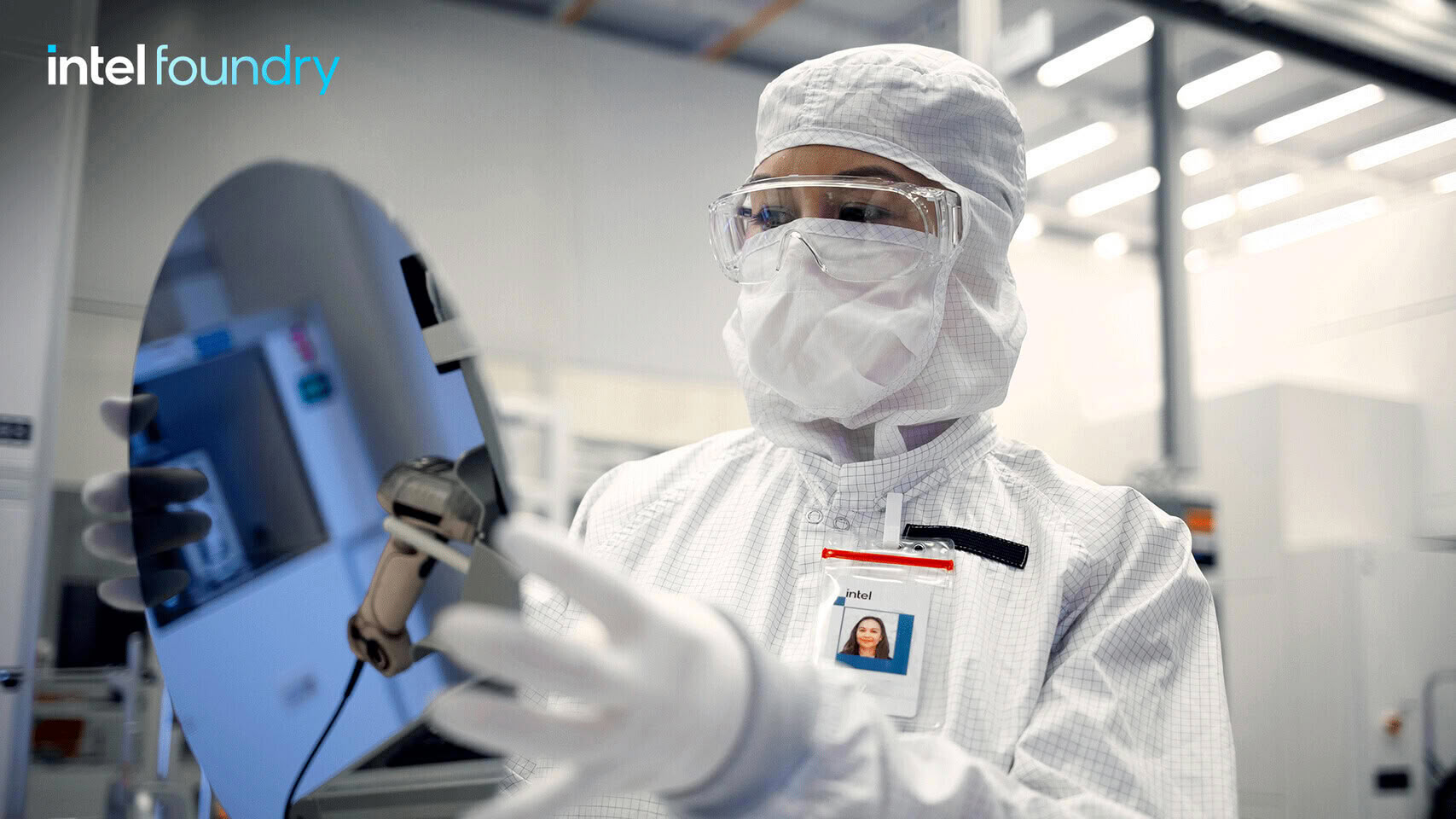
Wafers shift from Panther Lake to server use
CFO Dave Zinsner described the reallocated 18A wafers as “generally used to manufacture Panther Lake products.” He tied the flexibility to softening PC demand, and Intel expects the PC market slowdown to persist at least into the first half of next year.
Servers face an unprecedented supply crunch
CEO Lip-Bu Tan said the added Intel 3 capacity is forecast to reach volume production in the second half of 2027. He said: “The industry is still dealing with one of the most severe supply shortages ever, driven by unprecedented demand from superintelligence. Against that backdrop, I am pleased with the progress we made in Q3 on server supply growth. But I also know that we face continuing challenges in keeping pace with server demand in the next few quarters.”
Substrate supply adds another ceiling
Zinsner noted that Intel is “also constrained in substrates.” The planned 40% increase in substrate capacity will help, but a large share of it is not expected to be available until the second half of 2027.
Client products are not being shelved
Intel emphasized that client silicon remains on the roadmap. Tan said Nova Lake, built on Intel 18A-P, is ahead of the original plan. The company has not quantified how Oregon's conversion will affect Panther Lake supply, but it said Wildcat Lake is sold out.