
IBM Sets Up a Base in Chitose, Hokkaido, to Aid Rapidus in Reaching 2nm Mass Output by 2027
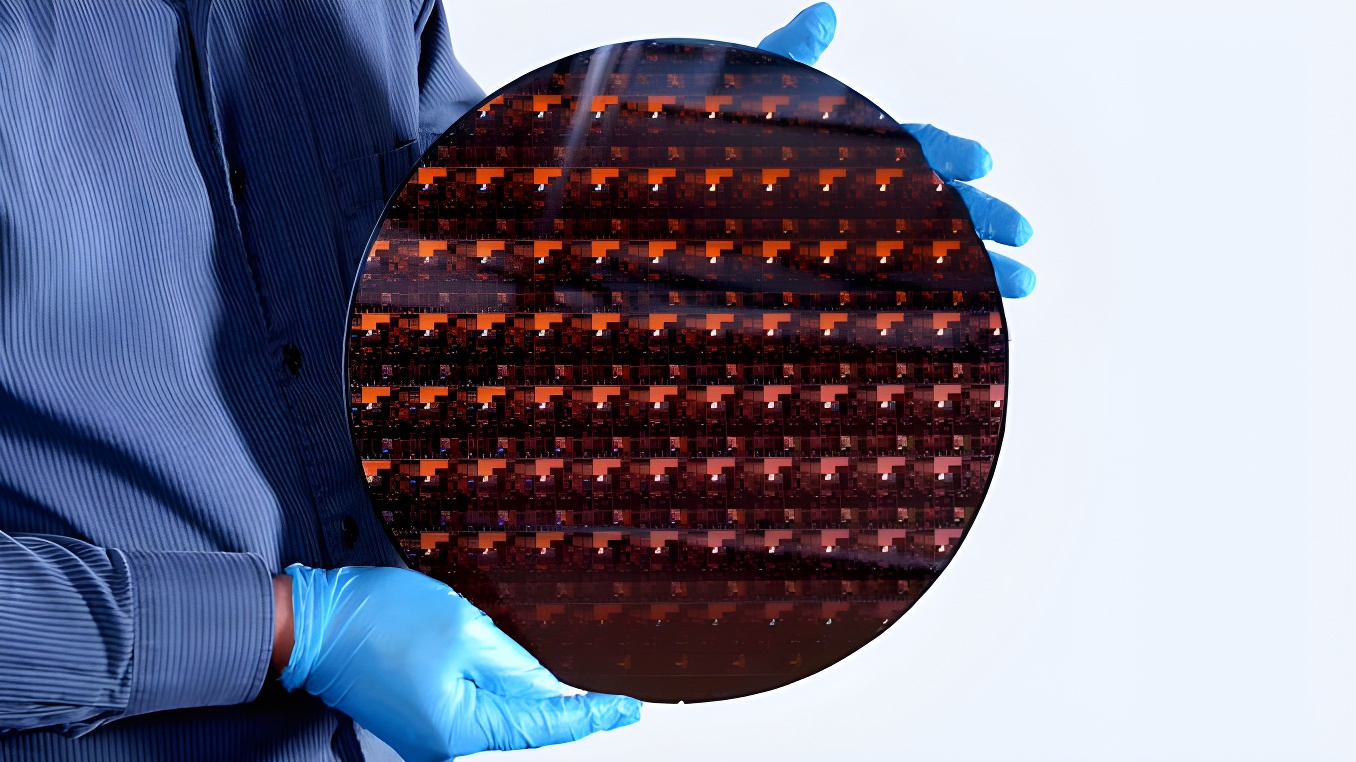
A new IBM presence in Chitose City, Hokkaido, signals how far Japan is willing to go to localize advanced chipmaking. The move supports Rapidus, whose first 2 nm wafer plant is planned there, and aligns with Tokyo's expectation that 2027 can mark large-scale production of advanced 2 nm logic chips.
Rapidus, a company backed by the Japanese government, counts among its funders Toyota, Denso, Sony Group, SoftBank, NTT, Kioxia, NEC and Mitsubishi UFJ Bank. It treats leading-edge process technology as central to restoring Japan's competitiveness, while also seeking to narrow gaps with TSMC, Samsung Electronics and Intel.
The IBM relationship is central to that plan. Rapidus licensed IBM's 2 nm manufacturing technology, and the two sides have continued joint development. IBM's arrival in Chitose is viewed as support for production readiness, technology transfer and workforce development.
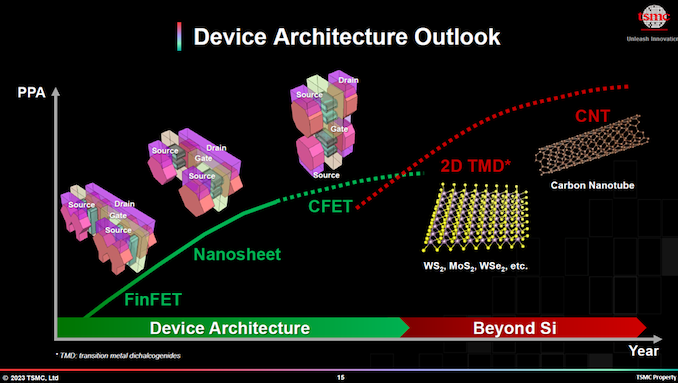
Construction of Rapidus's Chitose wafer plant is underway. The company had earlier begun installing equipment for its trial production line and plans to widen process-validation work in the coming months to prepare for formal volume production in 2027.
In recent years, the Japanese government has increased support for advanced semiconductors and provided Rapidus with substantial financial backing. Tokyo regards advanced logic chips not only as an economic competitiveness issue but also as a matter of industrial security and supply-chain autonomy, and wants Japan to regain a stronger position in global chipmaking amid intensifying competition.
The company's route is distinctive: it is entering advanced logic chipmaking directly at the 2 nm node rather than moving upward from more mature process technologies. This carries greater risk, but if successful it can give Japan a rapid foothold in the leading-edge race.
IBM contributes years of advanced transistor and process research to an industrialization path. Together, the partners aim to combine IBM's technology base with Japan's manufacturing system strengths and move advanced chips more quickly from research to commercial volume output.
2027 is widely seen as a decisive test for the project. If Rapidus achieves 2 nm volume production as planned, Japan would re-enter the front of global advanced semiconductor manufacturing after decades away from the leading edge, while also adding another potential source of advanced fabrication and reducing dependence on existing major wafer foundry centers.