
HMD Pulse Pro Europe Leak: Helio G99 vs Unisoc T606, What the Chip Swap Means
For European shoppers comparing budget phones, the leaked HMD Pulse Pro refresh is simple: the processor moves from Unisoc T606 to MediaTek Helio G99, while the 6.56-inch 120Hz display, 50Mp selfie camera, 50Mp plus 2Mp rear cameras, 8GB RAM, 256GB storage, 5000mAh battery and 20W charging remain unchanged. The real question is not whether the body is new, but whether a faster chip turns the same hardware into a smoother, longer-lived daily device.
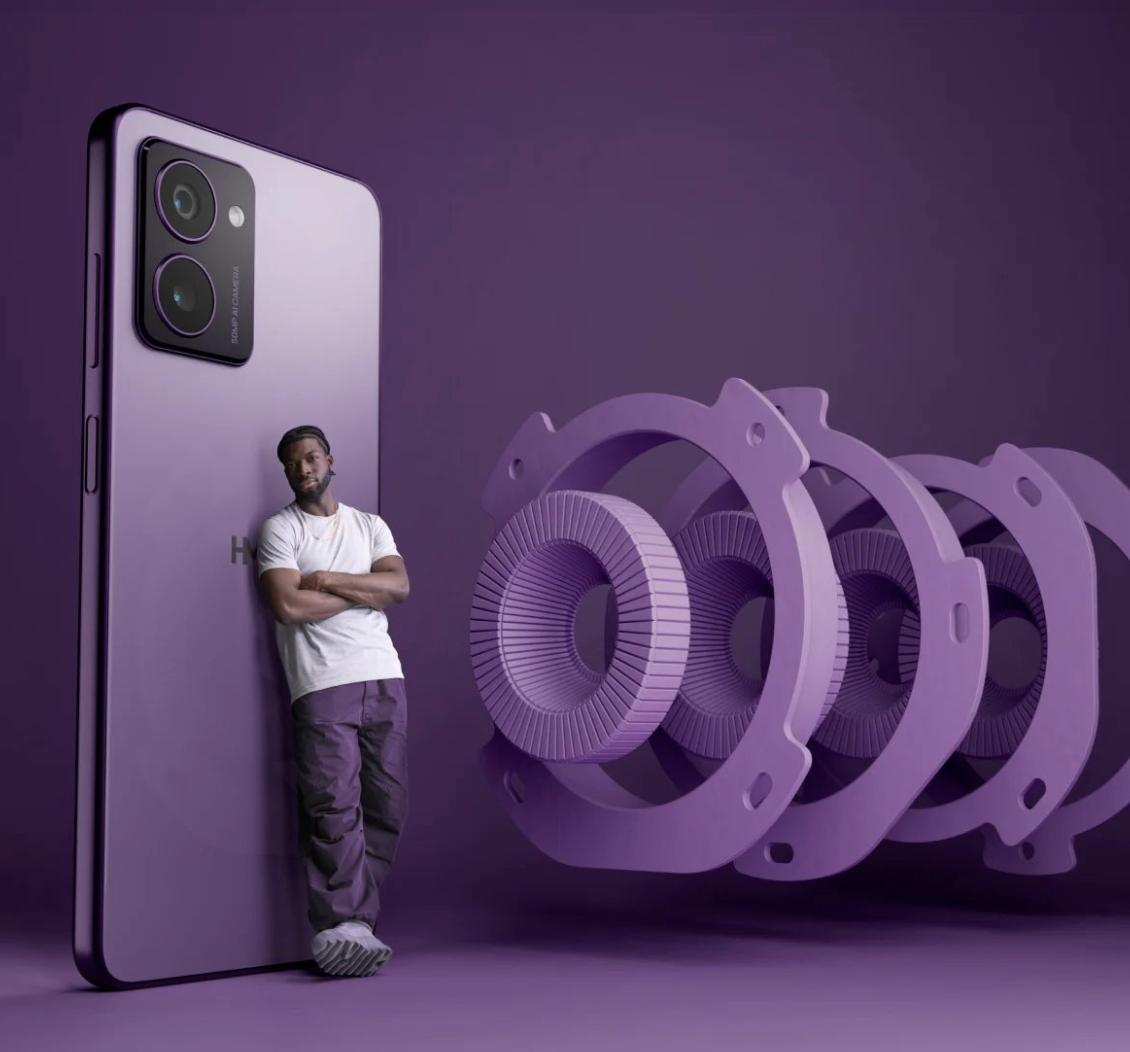
What exactly changed in the leaked HMD Pulse Pro?
IT Home said on October 26 that leaker smashx_60 published the new specifications. The headline change is the processor: Unisoc T606 is replaced by MediaTek Helio G99, with the rest of the visible spec sheet left alone. The display stays at 6.56-inch HD+ 120Hz IPS LCD, the selfie camera stays at 50Mp, and the rear stack stays at 50Mp main plus 2Mp assist. Memory and storage are listed at 8GB RAM and 256GB, while the battery and wired charging remain 5000mAh and 20W.
In review terms, this is a component-level refresh, not a redesign: the phone keeps its screen, camera hardware, power cell and charging speed, but gains a different engine. The value judgment therefore depends less on new looks and more on whether the chip reduces the everyday friction that budget phones usually carry.
Why does swapping T606 for Helio G99 matter more than it looks?
Because the processor touches almost every daily action: opening apps, scrolling, camera capture delay, game frame stability and how long performance stays comfortable after updates. The leaked change is therefore not cosmetic.
According to NotebookCheck's processor database, Helio G99 is built on a 6 nm process and uses two Arm Cortex-A76 cores at up to 2.2 GHz plus six Cortex-A55 cores, paired with Arm Mali-G57 MC2 graphics. The T606 is listed as a 12 nm octa-core platform built around Cortex-A75 and Cortex-A55 cores running around 1.6 GHz. That contrast is the core of the leak: a newer, higher-clock CPU cluster and a stronger graphics path inside a package whose camera and battery dimensions are unchanged.
Is this a comparison of two phones or of two silicon choices?
It is mainly the latter. The leaked HMD Pulse Pro retains a familiar hardware envelope, so the practical comparison is between what T606-based budget phones typically demand from users and what a G99-based platform promises when the rest of the phone is familiar.
| Dimension | Old platform in the leak | New platform in the leak | Buyer takeaway |
|---|---|---|---|
| Process focus | 12 nm | 6 nm | Look for steadier performance under heat, not just faster benchmark peaks. |
| CPU architecture | Cortex-A75 and Cortex-A55 around 1.6 GHz | Two Cortex-A76 cores up to 2.2 GHz plus six Cortex-A55 cores | App launches, UI navigation and camera processing are the most likely areas to feel less constrained. |
| Graphics context | Entry-level GPU profile | Arm Mali-G57 MC2 | Casual games may benefit more than photo hardware, because camera sensors remain unchanged. |
| Memory and storage ceiling | Leak does not describe platform limits | MediaTek lists LPDDR4X and UFS 2.2 support for Helio G99 | The leaked 8GB RAM and 256GB storage are easier to judge when buyers also ask which storage class the device actually uses. |
| Battery and charging | 5000mAh and 20W are unchanged in the leak | 5000mAh and 20W are unchanged in the leak | Do not assume longer runtime from the chip swap alone; efficiency, software and network usage matter. |
What stays the same, and what does that silence mean?
The unchanged list is important because it narrows the review scope. The leaked model still has a 6.56-inch HD+ 120Hz IPS LCD panel, a 50Mp front camera, a 50Mp rear main camera with a 2Mp supporting lens, 8GB RAM, 256GB storage, a 5000mAh battery and 20W wired charging. If those numbers hold, buyers are not getting a bigger screen, a new zoom module, faster charging or a larger battery. They are getting a different performance platform inside a known set of limits.
That makes this leak useful as a cautionary reading exercise: spec sheets can change in one line while the user experience moves a lot. A budget phone with a faster chip may feel better for several years, even if the outward hardware looks almost identical.
Who should care about the new European Pulse Pro?
Consider the device if you want a recognizable entry-level shape but care more about responsive daily software than camera novelty. The leak points to the same display size and refresh label, but with a processor path that MediaTek has positioned around 4G gaming smartphones. For readers who install many apps, use camera modes, switch between messaging and browsers, or play casual mobile games, the chip swap is the main reason to reassess the model.
Be more cautious if your decision depends on official availability, final software support, exact price, camera tuning or benchmark stability. Those items are not part of the leaked specification line, and an unchanged exterior can hide meaningful differences in firmware, thermal limits and memory configuration.
Three common misconceptions
- Misconception 1: a higher-refresh panel means the phone is automatically smooth. The leaked 120Hz label still needs a stable system response curve; if apps, camera software or background tasks are uneven, the display alone cannot fix the experience.
- Misconception 2: 50Mp cameras guarantee 50Mp photo quality. The 50Mp front and 50Mp rear specifications can describe sensor targets, not final color, processing, night-mode consistency or shutter latency.
- Misconception 3: a chip upgrade automatically improves battery life. The leak keeps 5000mAh and 20W charging unchanged, while the platform process changes from 12 nm to 6 nm. That may help efficiency, but real endurance depends on screen brightness, network bands, apps and thermal behavior.
Pre-launch checklist for comparison reviewers and buyers
- Confirm whether the device is a leak or an official HMD page; specification leaks can change before retail units ship.
- Check the exact memory type and storage type after launch, especially if the phone is offered with 8GB RAM and 256GB storage.
- Compare the new device against older T606-based Pulse Pro reviews, but separate chip gains from camera software gains.
- Look for sustained performance data, not a single benchmark score; newer CPU cores do not automatically solve heat throttling.
- Check charging speed in real tests: 20W wired charging may be adequate, but start time and thermal cutoff can matter more than the headline number.
FAQ: the quick answers readers will ask
Is the new HMD Pulse Pro with Helio G99 official?
The article is based on a leaked specification report carried by IT Home and attributed to smashx_60 on October 26. Until a vendor page confirms details, treat 6.56-inch, 120Hz, 50Mp, 2Mp, 8GB RAM, 256GB, 5000mAh and 20W as leak-supported numbers.
What is the biggest practical benefit of moving from Unisoc T606 to MediaTek Helio G99?
Headroom. The published platform data points to higher-clock Cortex-A76 cores and a stronger GPU path, which may make navigation, app launches and casual gaming feel less strained. The camera hardware itself does not need a resolution increase for that to matter.
Should I wait for the final device?
Yes, if you are price-sensitive or need certainty on software support, storage class, camera tuning and regional warranty. The leaked chip change is meaningful, but it does not answer the questions that usually decide budget-phone value.
Does the 6.56-inch 120Hz display matter more than the chip?
Not in isolation. The display keeps the familiar size and refresh label, while the chip is the changed part. A clearer way to judge value is to ask whether the G99 refresh makes the same 6.56-inch hardware feel faster, more consistent and less likely to bottleneck.
Decision framework: should you pay attention, wait, or move on?
Pay attention if you already liked the Pulse Pro format but found entry-level chip responsiveness too tight. The leaked combination of 8GB RAM, 256GB storage and Helio G99 suggests the device is targeting multitasking and media use more directly than a barebones first-generation package.
Wait if the final price is near the original Pulse Pro's EUR 180 positioning when that model launched in Europe, according to IT Home's April 2024 report. A chip-only refresh is strongest when it does not push the phone into a confusing premium bracket or remove other value features.
Move on if your priorities are long battery endurance from a larger cell, faster charging beyond 20W, a new camera system or confirmed software commitments. Those are not solved by the reported swap from Unisoc T606 to MediaTek Helio G99.
Prepared for ItInsightsWorld readers by James Hartley, IT Insights. Contact: contact@itinsights.com