
ItInsightsWorld Review: Google Pushes Personal Intelligence Into Free AI Search
What Changed in Google’s Free AI Search Rollout
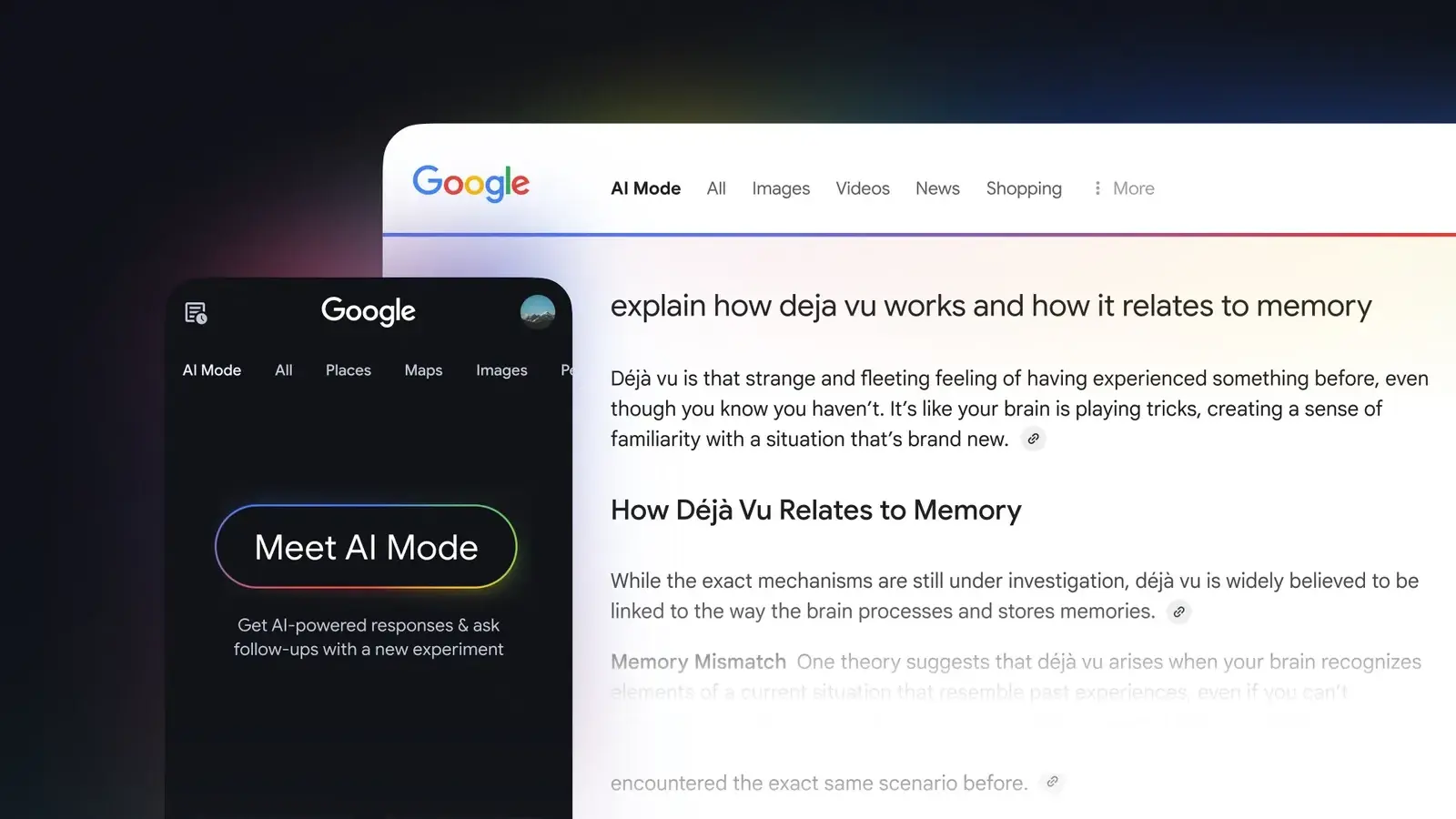
Around October 28, 2026, Google advanced its AI search plan by bringing Personal Intelligence, a personal intelligence capability, to a much wider audience. The rollout covers nearly 200 countries and regions and 98 languages, and free users gain access to the related feature. The key shift is that Google has not placed all personalized AI search functions behind premium subscriptions.
How User Data Becomes Part of the Answer
Personal Intelligence is described as a personalization layer for Google’s AI products. With user permission, Gmail and Google Photos can connect to AI Mode, allowing answers to draw on email context, photo-related information, and other personal data. A user could ask for product suggestions based on past purchases or request trip-planning help built from travel booking messages. In this model, AI Mode does not rely only on public webpages; it can use explicitly authorized personal context to shape responses.
Boundaries Around Data Connections and Training
Google said the connections are user-controlled and can be turned off. The company added that Gemini and AI Mode do not directly use a person’s entire Gmail inbox or Google Photos library to train models. Instead, limited data such as selected prompts and model responses may be used to improve services. From an ItInsightsWorld reading, the practical caution is to understand what permissions are granted and which Google services may obtain access.
Free Access and Paid Capacity Are Moving Together
The broader context is Google’s adjustment of free and paid AI access. Some Gemini model access for free users has been limited, while more powerful models and certain advanced reasoning features require Google AI Pro or Ultra plan subscriptions. At the same time, the company has extended free AI search capabilities. This is not necessarily contradictory: Google can use basic AI search and personal intelligence to attract and retain users, then monetize stronger models, higher limits, and professional tools through subscriptions.
Keeping Links to Sources Visible
Google has also revised the AI search interface to make source access clearer. The changes include more direct links in answers, official website entries, news article carousels, and related reporting displays. The stated goal is to help users reach original pages and understand information sources after receiving AI-generated answers. From a platform-design view, this attempts to balance two pressures: users want concise AI answers, while websites and content creators still need traffic pathways.
Business Logic and Infrastructure Cost
Free access can also broaden the user base for AI Mode. Traditional search advertising is often tied to keywords, while AI search can handle more complex questions across multiple turns. As users become more accustomed to natural-language queries, Google may explore new advertising formats and product or service suggestions based on conversational context. Free use is not cost-free, however. Large model inference, complex reasoning, multi-turn dialogue, and personal data retrieval can create substantial infrastructure expenses. The long-term viability depends on balancing free usage, limits, ad revenue, and paid subscriptions.
What Users Should Watch Next
For users, the most significant change is that personalized AI search is no longer entirely behind a paywall. Eligible accounts that explicitly connect personal apps may receive answers that reflect their own information. Availability can still depend on region, language, account type, and staged rollout.
Bottom Line
ItInsightsWorld sees a more segmented AI commercial strategy: basic search and some personal intelligence functions remain free, while the strongest models and expanded capacity move toward paid tiers, with advertising continuing to explore monetization. The strategy could widen Google’s AI search reach and create room for subscriptions and ads. Its success will hinge on coverage, the ease and safety of personal data connections, and whether advertising can work without eroding search quality.