
Samsung Galaxy S27 Charging Profile Remains Conservative As Standard Model Keeps 25W | ItInsightsWorld
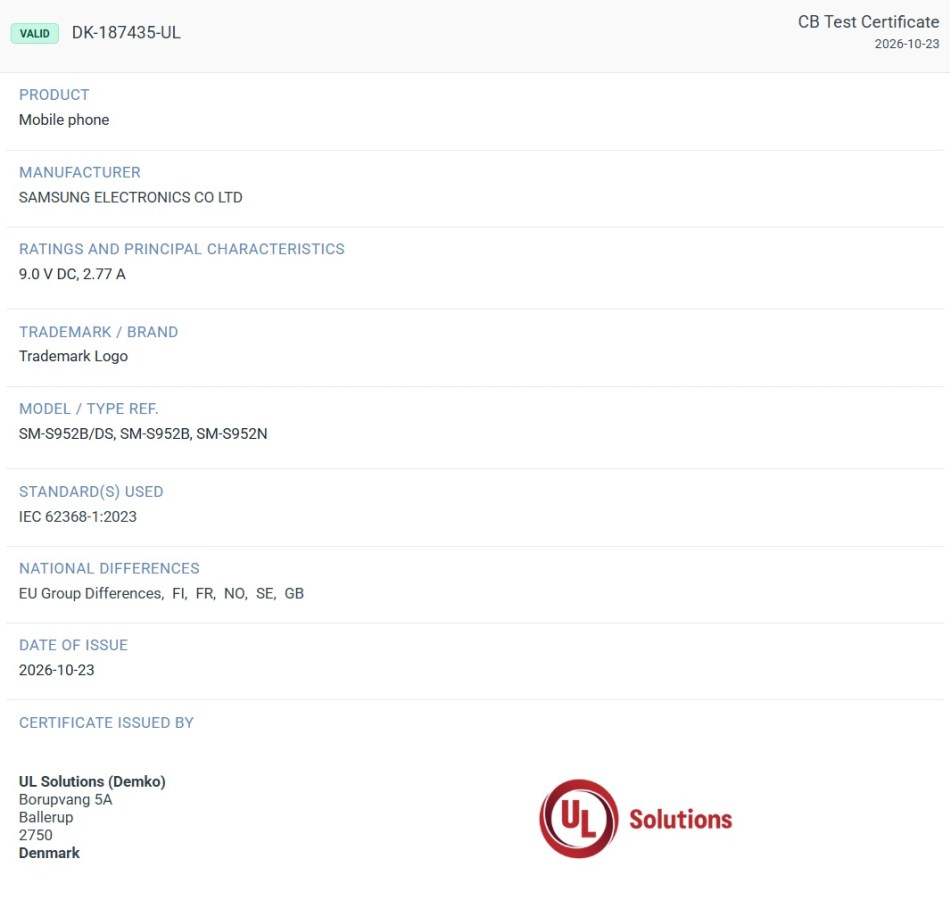
Certification paperwork gives a steady charging read-out
| Device | Expected wired fast charging | Change versus previous generation |
|---|---|---|
| Galaxy S27 standard edition | 25W | no meaningful increase |
| Galaxy S27+ | 45W | no meaningful increase |
The newest filings suggest a hold pattern rather than a leap. Across the two models, the regulatory information points to continuity instead of a step-up. Should the final production units match the paperwork, the Galaxy S27 would become Samsung's seventh generation standard Galaxy S flagship still using 25W, a pattern spanning seven generations since the Galaxy S20 series. The plus model similarly continues the 45W approach adopted after the Galaxy S22+.
Comparison with faster-charging rivals
In the current smartphone market, many flagship devices from Chinese brands already commonly use 80W or 100W fast charging, and sometimes higher. Set beside those figures, Samsung's retained charging levels in this certification data are conservative, reflecting an approach that balances battery longevity, thermal control and safety.

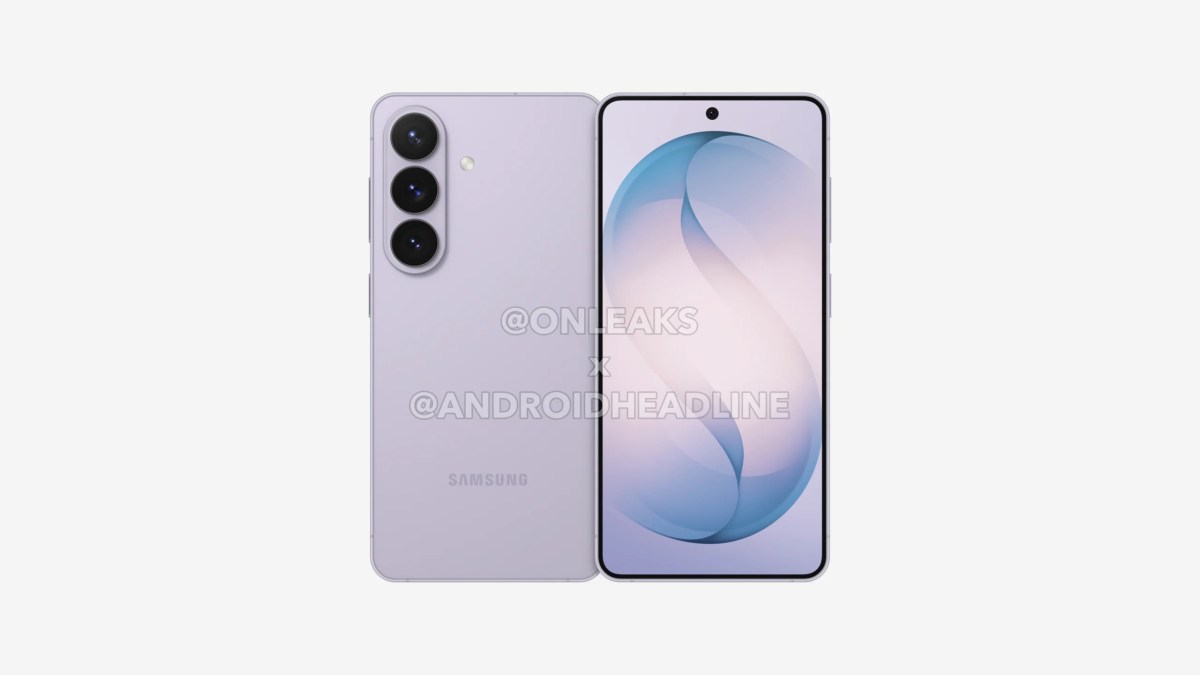
Battery capacity, not charging speed, may be the moving part
Market rumors still point to battery-side progress within the Galaxy S27 series, including possible work on silicon-carbon battery technology to raise energy density. One expected Galaxy S27 Ultra figure is approximately 5700mAh, larger than the previous Ultra, while the new lineup entry Galaxy S27 Pro is also expected to have a bigger battery.
Even so, faster charging may not follow. Earlier exposed information indicates the Galaxy S27 Ultra and Galaxy S27 Pro are expected to keep 60W wired fast charging, the same speed as the earlier Ultra model rather than a major improvement.
Box contents and four-model lineup
The paperwork also points to Samsung continuing its recent packaging practice: only a USB-C cable in the box, with no charger included. To take advantage of the highest supported charging power, a separately purchased compatible fast charging adapter remains necessary.
The series is currently expected to be made of four models: Galaxy S27, Galaxy S27+, Galaxy S27 Pro and Galaxy S27 Ultra. As more certification details appear, Samsung's next flagship outline becomes clearer, while charging wattage remains a lower-priority upgrade theme.