
ItInsightsWorld General Report: Galaxy Fit4 Leak Reveals Taller Display, 12 Tiles and Three Color Options
New details about Samsung's next fitness band have surfaced after a teardown of the Galaxy Fit4 Manager app package. Earlier leaks had already shown the product's look; the latest file-level analysis now points to the display size, interface layout, likely colorways and tracking capabilities expected from Galaxy Fit4.
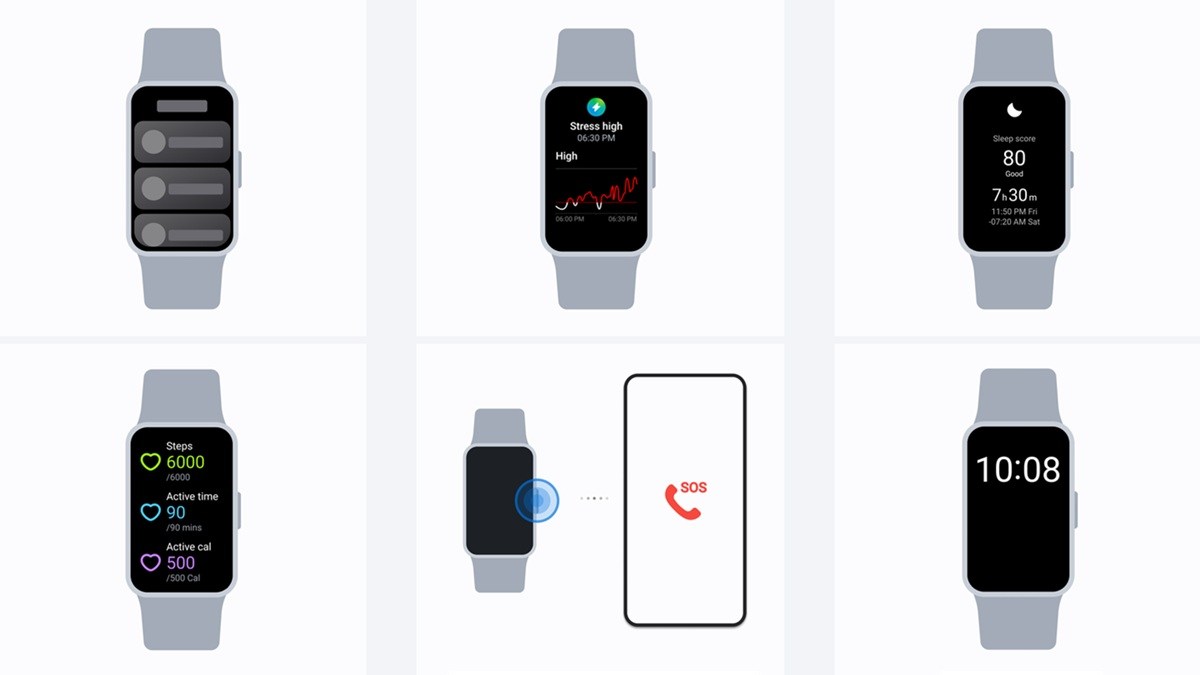
The reported design appears to follow the direction of Galaxy Fit3, which launched in 2024. The new band is expected to stay close to its predecessor in body size, while the screen specification moves upward.
Multiple leaked watch faces suggest a 258×428-pixel panel. Compared with the 256×402-pixel screen used by Galaxy Fit3, the main difference is a slightly taller display area.
Interface Focus: One Screen Can Hold 12 Tiles
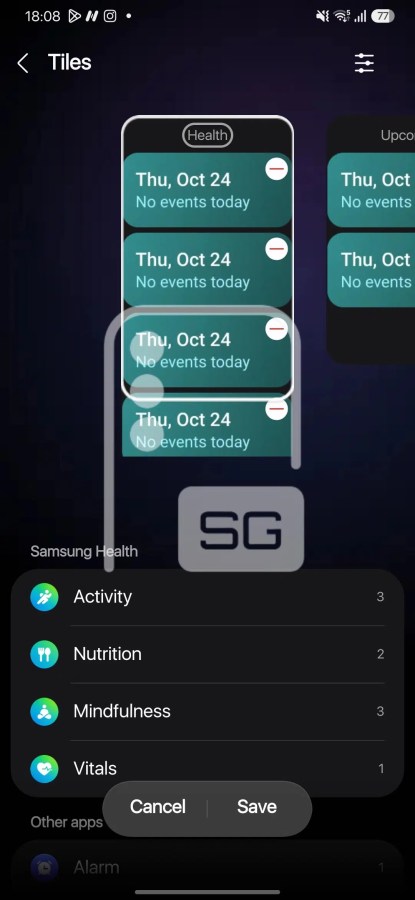
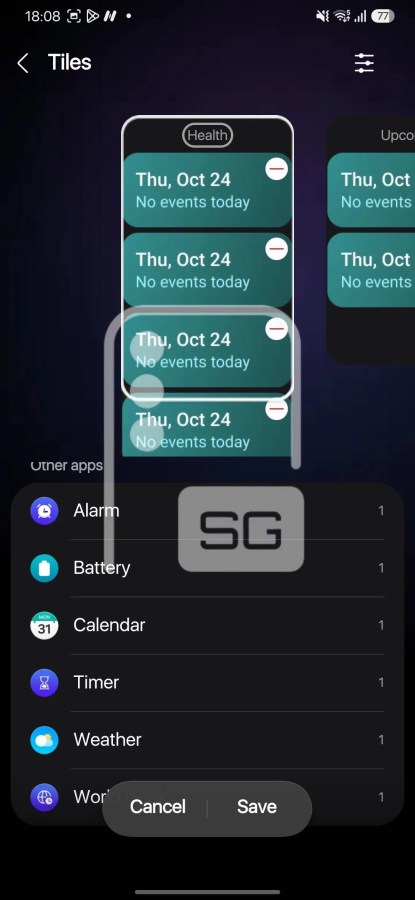
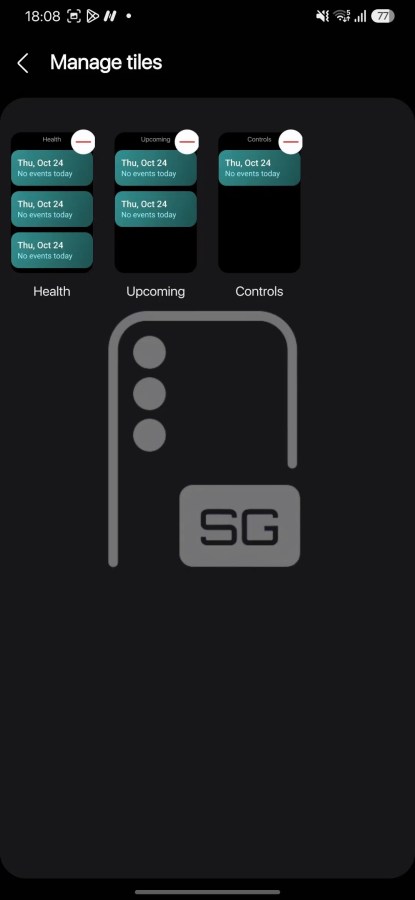
At the software level, the leak says Galaxy Fit4 can display up to 12 information tiles on a single screen. The practical benefit is denser data presentation, letting users view more metrics without repeatedly switching views.
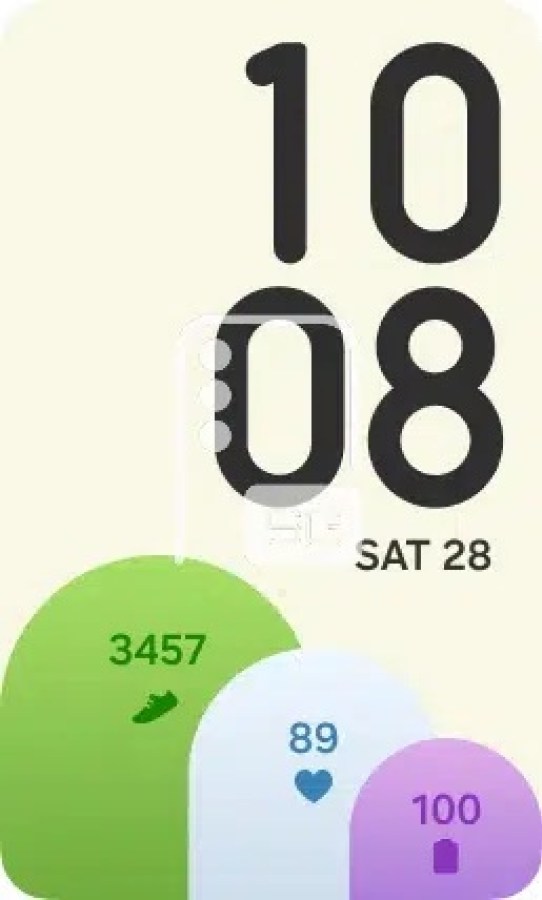

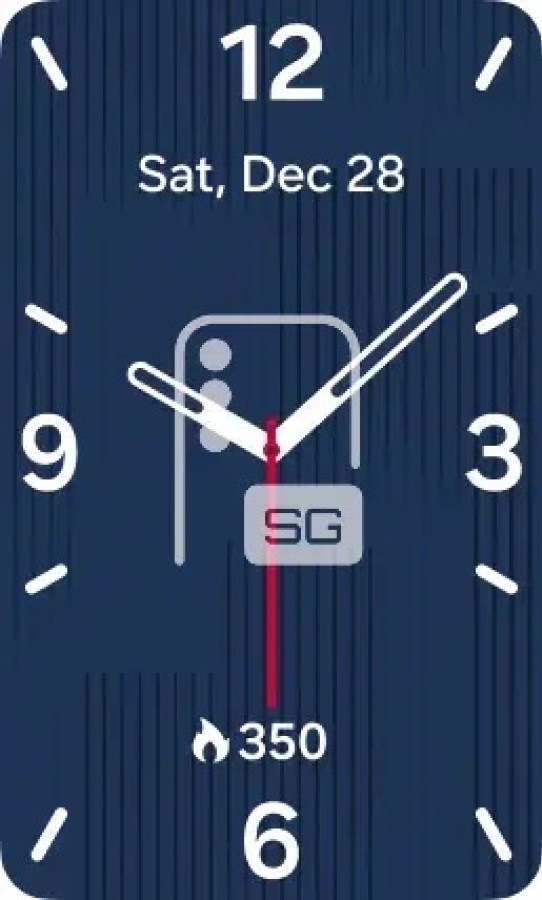

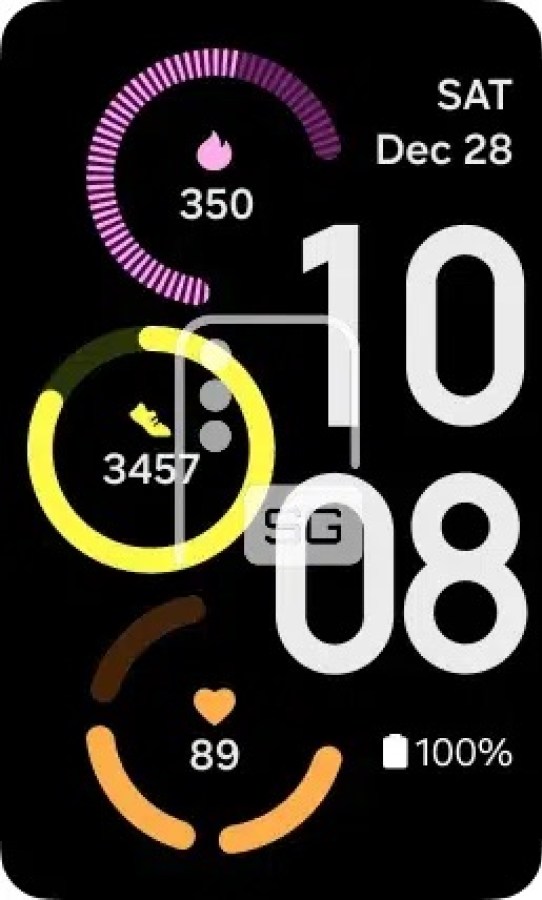
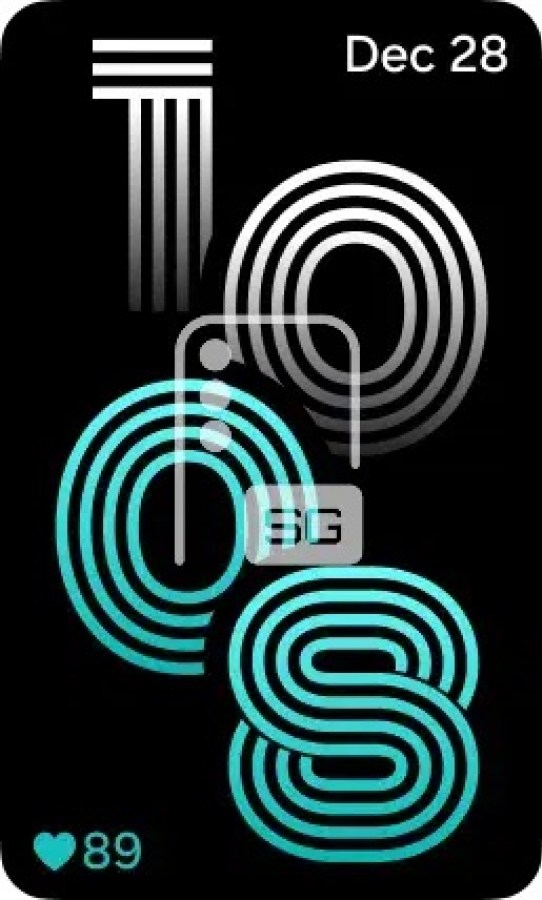
Color clues from the exposed dials indicate that Samsung may offer Galaxy Fit4 in three finishes: black, silver and light green, covering different style preferences.
For health and activity tracking, the device is expected to inherit most features from the previous generation. Those include step counting, active calorie tracking, heart-rate monitoring, high-heart-rate and low-heart-rate alerts, blood oxygen saturation checks and stress tracking.
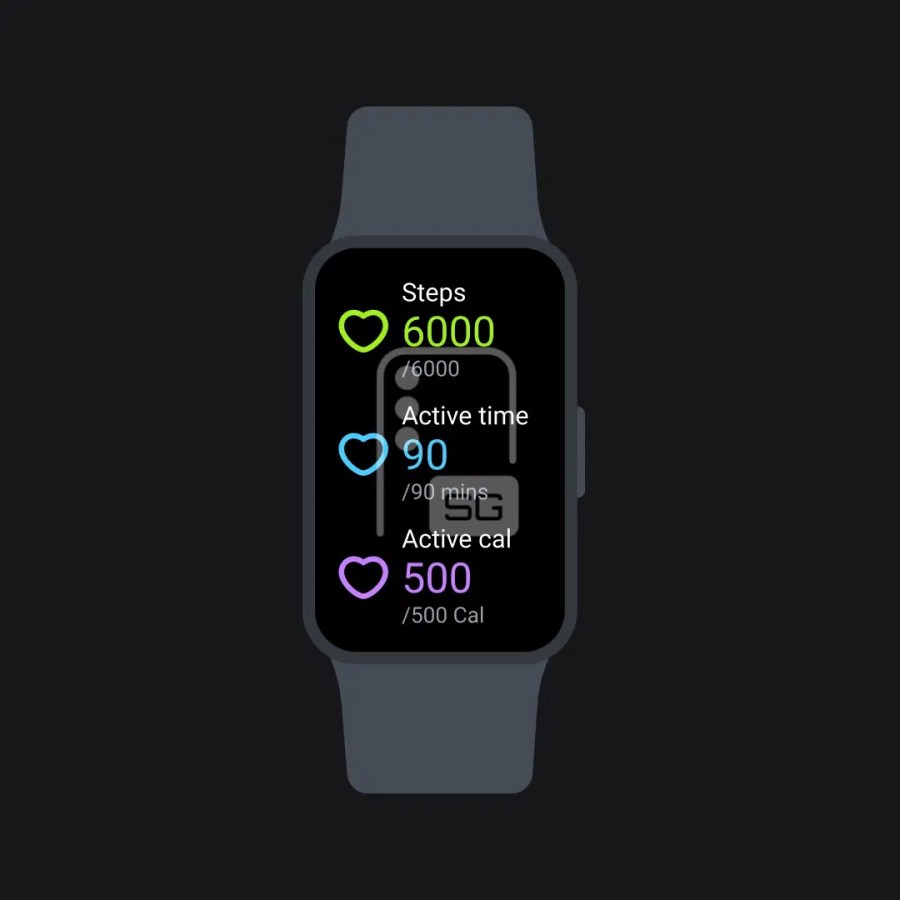
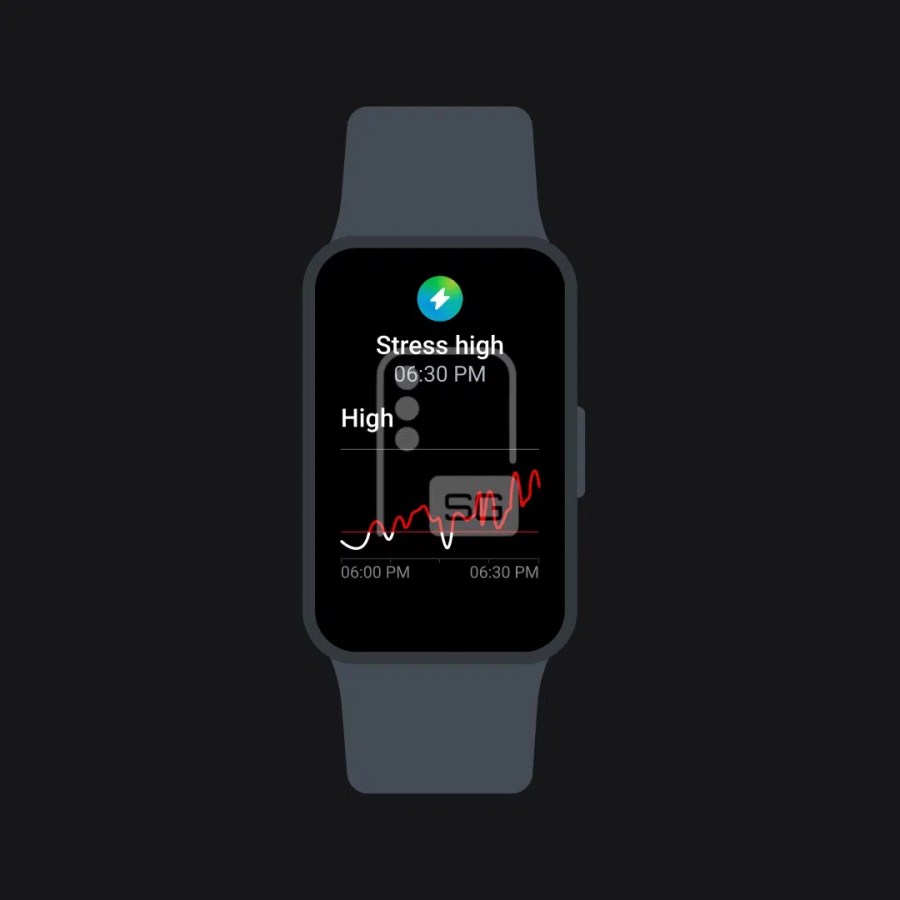
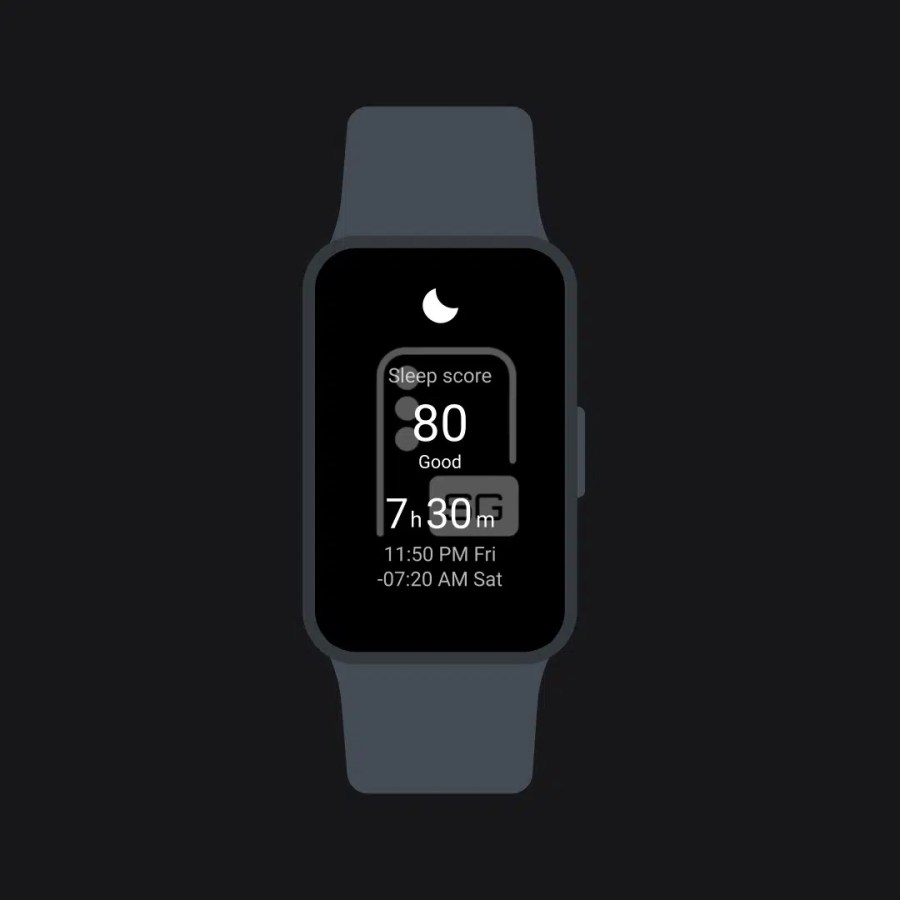
A point worth noting is the absence of GPS-related information in the current exposure. On that basis, the public assessment is that Galaxy Fit4 may not include an independent GPS module.
Sleep analysis also appears to remain a major feature. The companion app points to sleep stage analysis, a sleep score and sleep guidance. The guidance function is said to become available after the user has worn the device for 7 consecutive days, allowing it to draw on collected sleep data.
No official launch date from Samsung has been announced for this model. Earlier circulation suggests that the expected retail price could stay below 100 US dollars, keeping it positioned within the entry-level wearable segment.