
ItInsightsWorld Brief: Fujifilm Targets Fivefold Capacity Increase for LTO-10 Tape at Odawara, Japan, Across Fiscal 2026 to Fiscal 2028
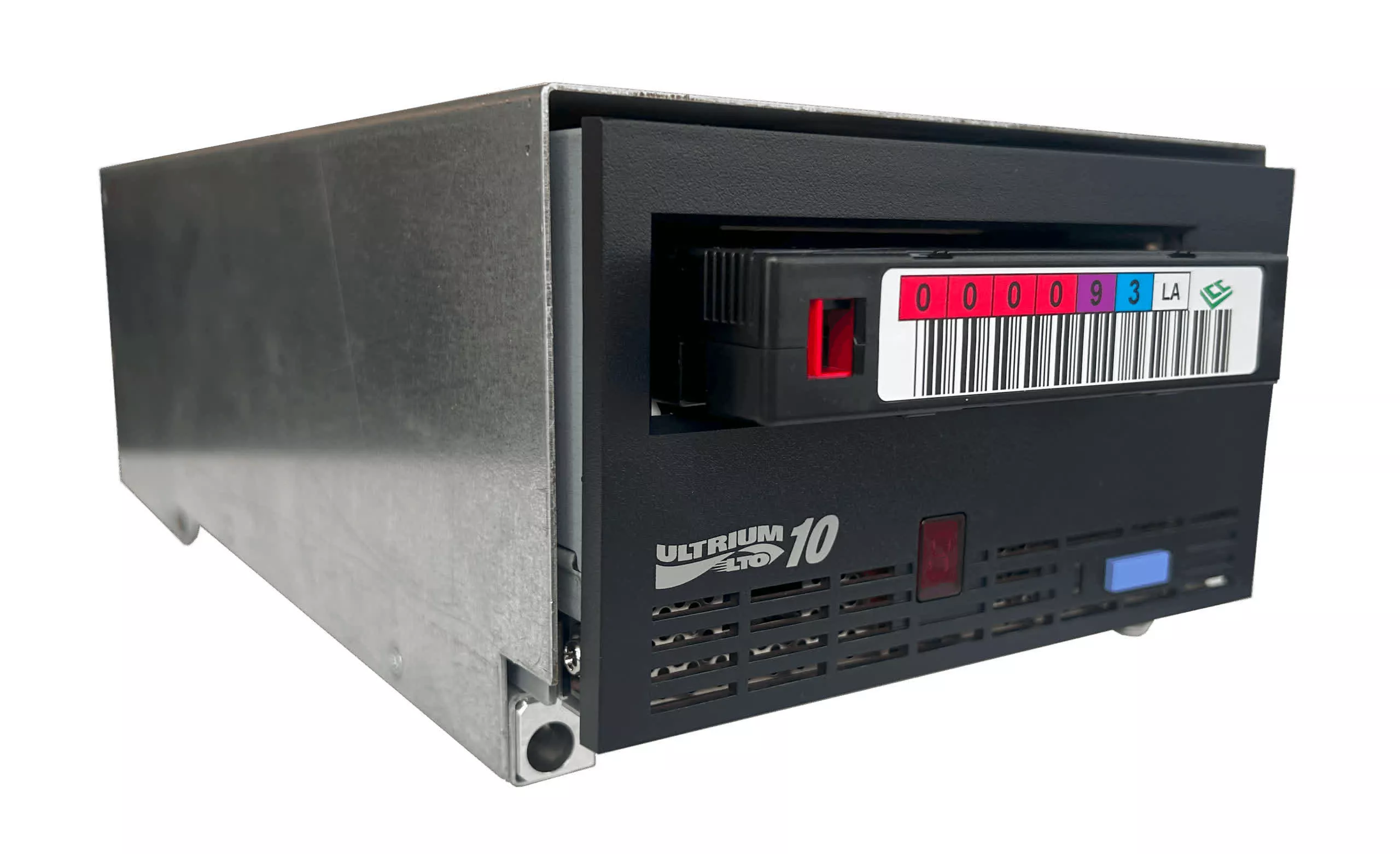
To meet rising orders from cloud providers, data-center operators, and enterprise customers, Fujifilm is planning an expansion of production capacity at its Odawara, Kanagawa, Japan site. The company expects the finished expansion to raise the related capacity to about five times its current level.
The move centers on LTO-10 tape, a format gaining attention as generative AI drives large increases in training and inference data. Although high-performance solid-state drives and hard-disk systems handle many data workloads, tape still has advantages for long-term preservation: lower storage cost per unit, lower energy use, and suitability for extended archives.
Why LTO-10 tape is back in focus
LTO technology has become the mainstream tape-storage standard for enterprise archives. It was initially promoted for development by companies such as IBM, HPE, and Quantum, with the aim of providing a unified and open solution for enterprise data archiving.
LTO-10 specifications
| Native capacity per tape cartridge | 40TB |
| Maximum capacity with data compression | 100TB |
| Data transfer speed | 400MB per second |
These figures may not match modern solid-state storage, but they are sufficient for backup and cold-data archiving.
Security and long-term data management considerations
Cost is not the only factor keeping tape relevant. Tape can be completely disconnected from networks, allowing physically isolated storage that may reduce the risk of data loss from ransomware and other cyberattacks. That characteristic keeps tape important for financial institutions, research organizations, and large cloud providers.
Industry observers note that growing AI model sizes and rapidly rising data storage needs are prompting enterprises to reassess the long-term cost of storage options. With high capacity, low energy consumption, and high reliability, tape has again become a notable component of data-center infrastructure.
Future roadmap
Tape technology is expected to continue evolving in the coming years. Industry roadmap information indicates that the next-generation LTO-11 standard may further increase storage density and per-cartridge capacity, providing more space for the expanding data environment.
At first glance, artificial intelligence appears to drive advanced GPUs, data centers, and high-performance servers. However, on the other side of the supply chain, the same trend has revived tape storage technology with decades of history. Under sustained global data growth, a technology once seen as fading from the mainstream is entering a new period of importance.