
Ferrari Luce vs. The Ferrari Playbook: How a Divisive First EV Turned Backlash Into a Waitlist
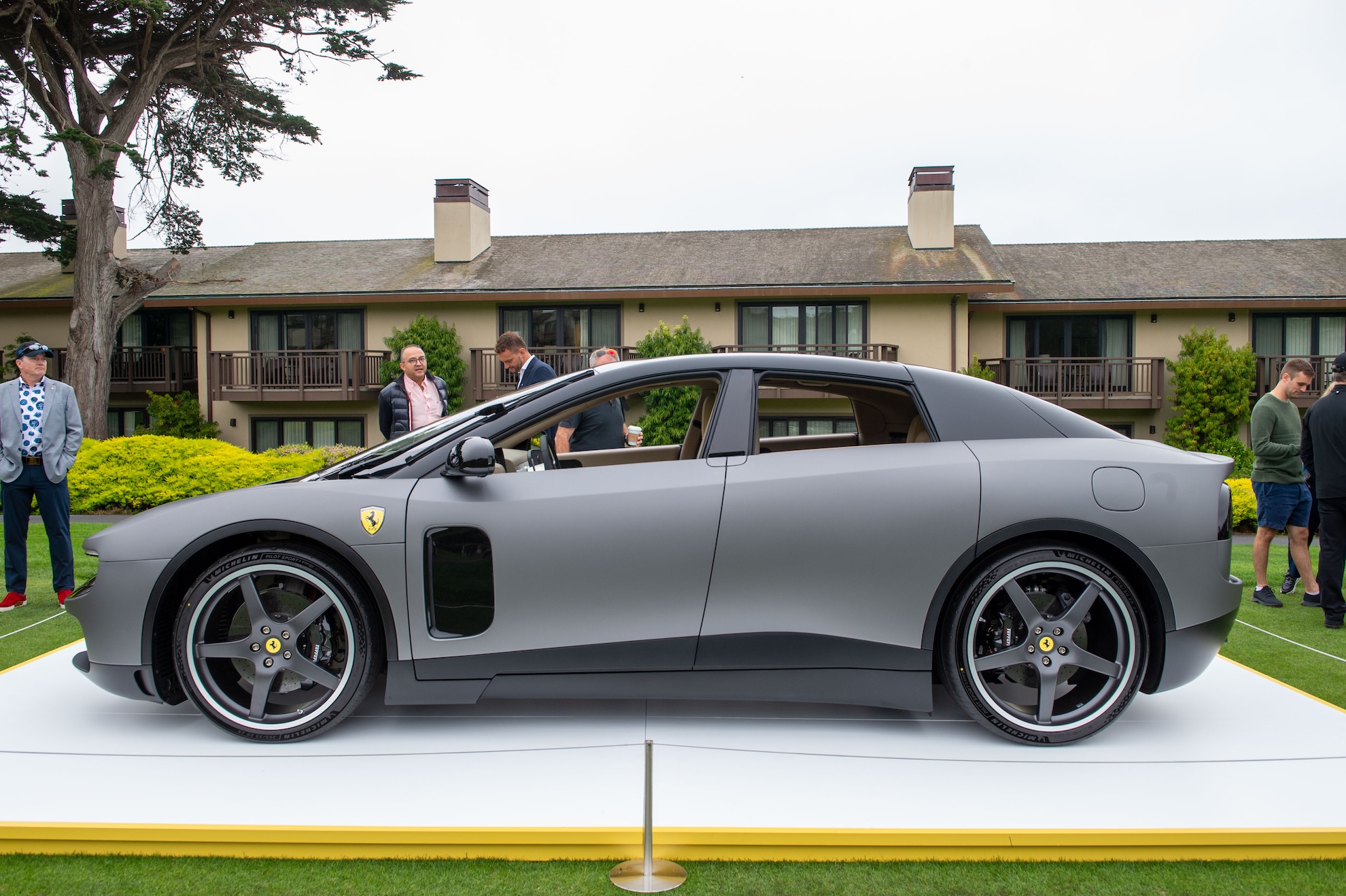
For ItInsightsWorld readers, Ferrari Luce is best read not as a referendum on taste, but as a stress test of scarcity. The car is a five-seat electric model whose design work involved Apple's Jony Ive, and it entered public view in May this year. The negative conversation was loud enough to move expectations, yet the commercial signal from Ferrari is unusually blunt. Vigna says the 2027 build slots are already reserved, all allocations distributed, and any new buyer should prepare for at least one year before delivery. The entry price is about $615,000. The phrase that matters is sold out, not because Ferrari released a complete production ledger, but because the company says demand has already covered the next year's plan.
Comparison view: what looks like weakness may be the purchase gate
| Lens | Luce | Traditional Ferrari expectation | Decision takeaway |
|---|---|---|---|
| Controversy | Design debate since May this year | Brand identity usually drives desire | Watch allocation, not comment-section applause |
| Scale | Not disclosed exactly; Financial Times reported close to 500 units this year | Limited releases are normal | Scarcity, not volume, is the operating logic |
| Long-term role | 2500 cumulative sales by 2030 would mean average approximately 600 vehicles per year | Combustion and special series remain central | Treat Luce as a halo, not the main fleet |
| Profit source | Customization over 21% of car and parts revenue | Model exclusivity and heritage | Personal options may matter more than headline specs |
The evidence behind the waitlist
The most reliable way to separate noise from business outcome is to look at Ferrari's own third-quarter release. It reports revenue of €1.9 billion, up 7% year over year, and net profit of €431 million, up 13%. Operating profit reached €563 million, while the operating margin was 29.7%. The margin is the practical clue: for every 1 dollar of revenue, the company converts about 30 cents into operating profit. That is not a startup burning cash to prove a point; it is a mature luxury manufacturer charging customers to enter its production queue.
The guidance change points in the same direction. Ferrari raised its full-year outlook, now expecting adjusted full-year profit of at least €3 billion instead of €2.97 billion. That update happened even before a detailed customer profile for Luce was public. It also happened while F80 deliveries and personalized orders continued to support the existing mix.
New angles that general readers may miss
- The debut moment itself looked oversubscribed. Reports around Ferrari's launch activity indicated that reservations for the first event were not merely full, but exceeded initial capacity. That does not replace sales numbers, but it gives readers an earlier demand signal than customer reviews.
- Some market coverage points to China, wealthy younger buyers and technology-adjacent customers as early sources of interest, even though Ferrari has not published a clean buyer profile. This makes sense when a brand uses a new product form to widen its client base without redefining its core.
FAQ: simple answers for a noisy launch
Is design criticism slowing the order book?
The short answer is no. The 2027 plan is described as fully allocated, and first deliveries are expected in the fourth quarter of this year.
Should a buyer treat the waitlist as proof of value?
Only as proof of supply control. A waitlist becomes value when the buyer believes the brand's scarcity, resale story and customization options justify paying above the list price. If the buyer only cares about charging speed, interior practicality or cost per kilometer, this is a poor comparison segment.
Does Luce mean Ferrari is abandoning combustion?
The disclosed numbers do not support that reading. Luce's projected cumulative sales by 2030 are modest against the company's overall business, and F80 and personalization are still carrying much of the current profit story.
Common misconceptions
- Equating social backlash with weak orders. Luce shows that emotional reaction and transaction behavior can move in different directions.
- Assuming the price is the final transaction. With customization over 21%, the real question is what buyers choose to add, not what the starting tag says.
- Reading every sold-out claim as unlimited demand. The more useful phrase is all allocations distributed, because Ferrari is managing production slots deliberately.
Action checklist before judging a controversial flagship product
- Check whether the seller discloses actual units or only allocation status.
- Compare wait time with product maturity; at least one year can reveal whether demand is impulse-driven or portfolio-driven.
- Look for profit sources outside the launch model, such as F80 deliveries and customization.
- Track customer mix: if a company claims broad diversity but refuses to name buyer segments, treat the claim as directional, not precise.
- Use third-party reporting cautiously; the Financial Times number helps, but it should not overwrite the company's own silence on exact output.
Final take: Ferrari Luce is a good lesson for general readers because it separates two questions that often get collapsed. Is it liked? and is it bought? The controversy is real, but the order book is harder. The car is sold out in allocation terms, the 2027 plan is booked, the wait is at least one year, and the business around it is still expanding. If your reading framework only rewards consensus design, you will miss what this product actually proves: in a high-margin luxury market, controversy can become part of the purchase ritual rather than a barrier to it.
By James Hartley for ItInsightsWorld. Editorial questions: contact@itinsights.com.