
ELF-MN1 Moves Glasses-Free 3D Onto the Desk: Pricing Opens in Japan, Expected Around ¥54,000 | ItInsightsWorld
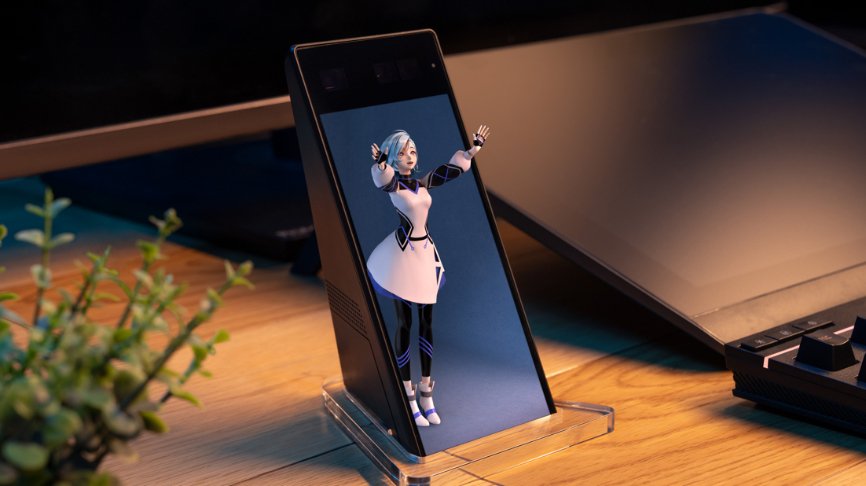 The pitch behind ELF-MN1 is easy to state and hard to execute: a panel that generates and shows a stereoscopic image in real time, keyed to wherever the viewer happens to be. To keep that tracking alive when a room dims, the design pairs the gaze-detection sensor the device already carried with an infrared sensor, so the pupil position is still captured in low light.
Inside the panel: pixel density plus dual-viewpoint optics
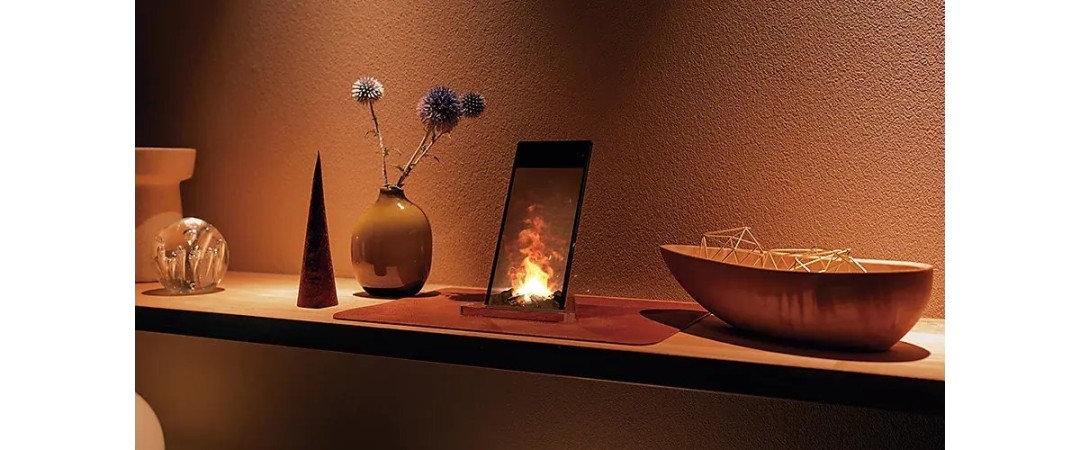 The viewing area is a 403 ppi panel that integrates dual-viewpoint display with technology that suppresses blur and ghosting. That combination is what ELF-MN1 relies on to keep small stereoscopic content readable rather than smeared.
Cabling stays deliberately minimal. A single USB-C cable does the work — one connection to a smartphone or a computer — while the transparent acrylic stand softens the visual boundary between screen and tabletop. The result is a unit that can be placed on a desk, a cabinet top or another tight surface without the room having to be rearranged around it.
What goes on the screen: models, characters and your own builds
Content decides whether hardware like this earns a permanent spot or gathers dust. Three directions are supported out of the box:
- Viewing 3D digital models
- Displaying characters used by companion applications
- Authoring original material through the SDK
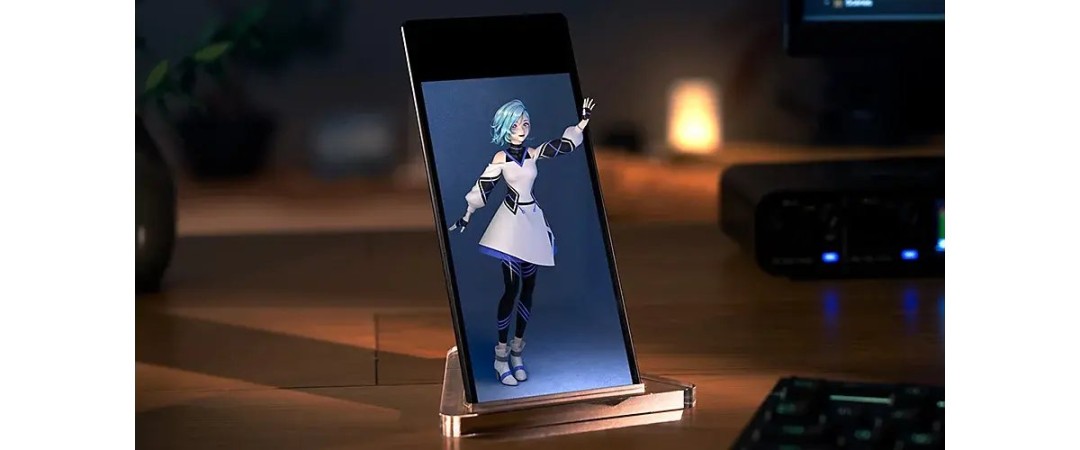 On the service side, compatibility with Gugenka's HoloModels has already been confirmed, which lets the panel display 3D models of official anime characters. Looking further ahead, Sony plans to work with XR and spatial-content creators to keep expanding dedicated content for the device.
Specification and availability at a glance
| Item | Detail |
|---|---|
| Panel | 403 ppi, dual-viewpoint display with blur and ghosting suppression |
| Viewer tracking | Gaze-detection sensor plus an infrared sensor for dim environments |
| Connection | One USB-C cable to a smartphone or computer |
| Stand | Transparent acrylic, reduces the screen-to-desk boundary |
| Content paths | 3D model viewing, companion-app characters, SDK authoring |
| Confirmed service | Gugenka HoloModels |
| Planned collaboration | Sony, together with XR and spatial-content creators |
| Market and pricing | Japan, open pricing |
| Expected price | Around ¥54,000 |
The ItInsightsWorld read
Open pricing with an expected market figure of about ¥54,000 frames the question in ordinary IT terms: whether glasses-free 3D can live on a working desk instead of a demo stand. The answers on offer are the 403 ppi dual-viewpoint panel, the one-cable setup, the infrared-assisted tracking and the SDK, with Gugenka's HoloModels providing confirmed material to display from day one and the Sony plan signalling that the dedicated-content roadmap is meant to keep growing.