
ItInsightsWorld Guide: GPT-6.2 Astra Appears in Codex Usage Data, and the OpenAI Test Signal Explained
By James Hartley, IT Insights
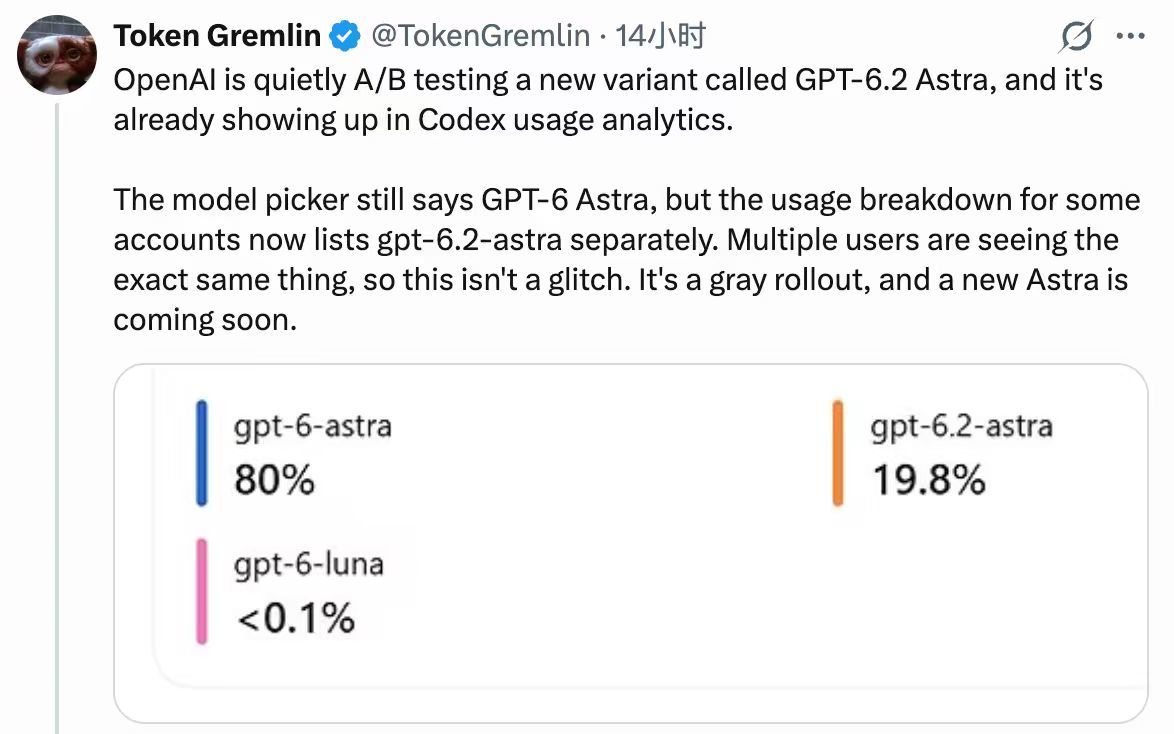
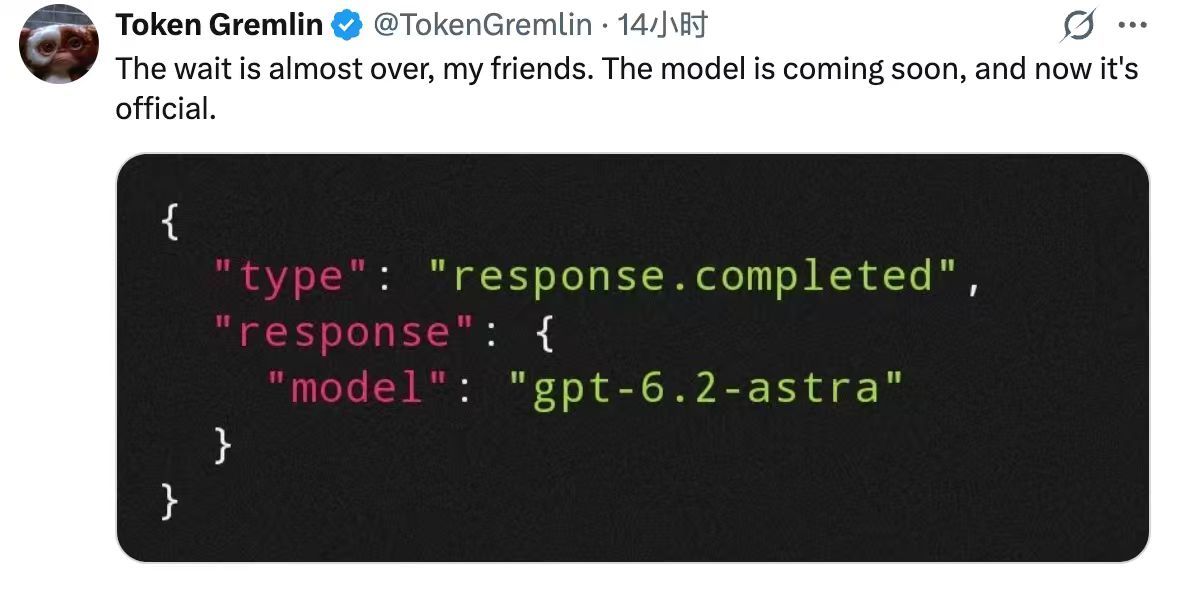
The current rumor about OpenAI did not arrive through a launch video or an official model card. It surfaced inside a dashboard. On November 2, users on X reported that Codex usage details had started showing a model label called gpt-6.2-astra, even though the interface still displayed GPT-6 Astra in the model selector. For ordinary readers, this kind of signal is worth unpacking carefully. It is not proof that a new version has launched. It is also not a random cosmetic bug. A separate label tied to a measurable share of requests usually means that some part of the system is being tested.
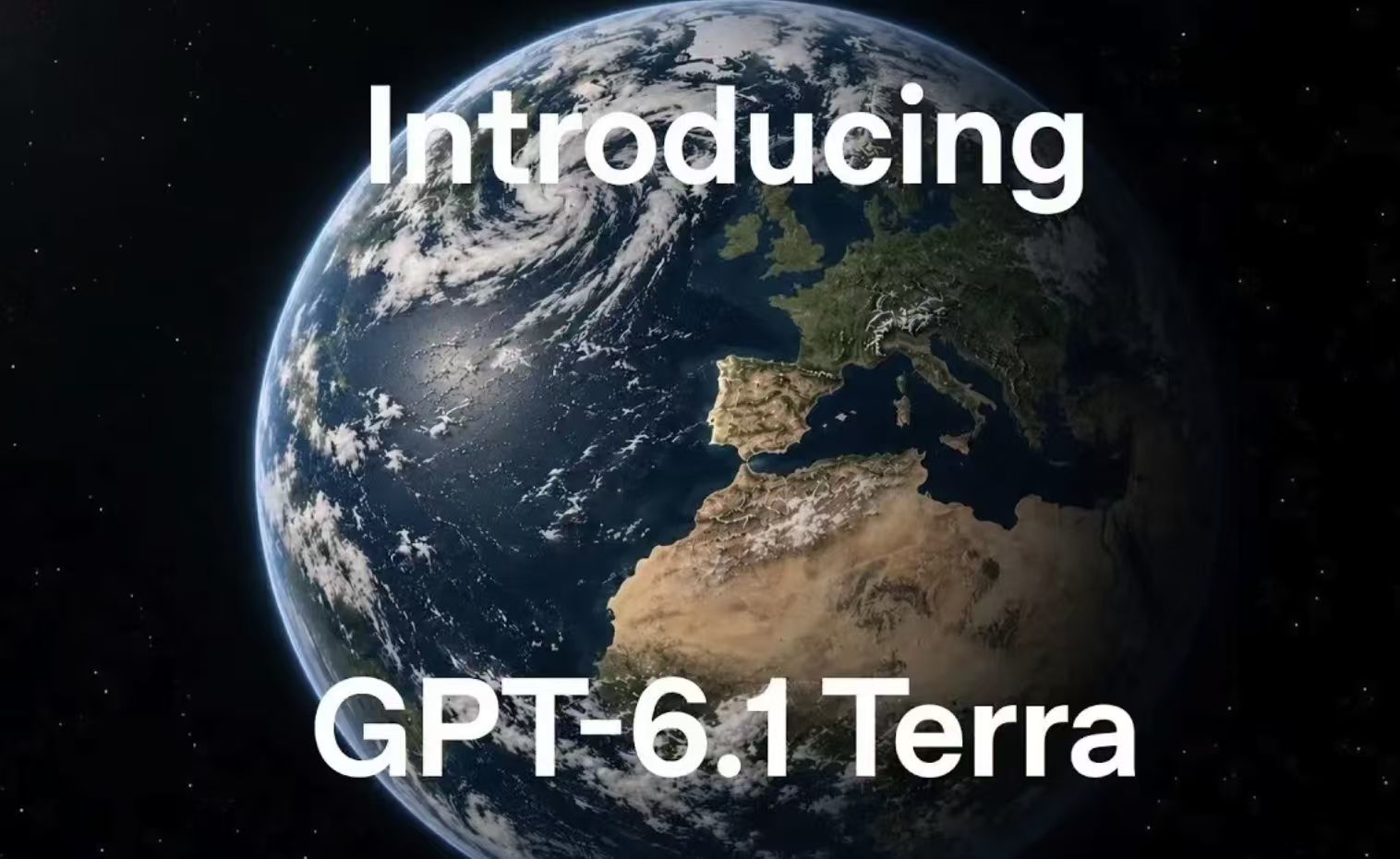
The broader context matters. The discussion describes GPT-6.1 Terra as the latest publicly available model, while GPT-6.1 Astra has not been launched. Token Gremlin, an account that tracks AI model changes, said OpenAI appears to be running a quiet A/B test around GPT-6.2 Astra. The word “A/B” is the key. It suggests a staged comparison, not a public release.
Why a Codex Usage Label Can Be a Strong Signal
Codex is the part of the workflow where model choice has practical consequences. Users care about code quality, reliability, cost, and how much control they have. When a model name changes inside usage analytics, the effect is different from a headline appearing in an app store. A request assigned to gpt-6.2-astra can influence what happens when a user asks for a fix, a refactor, a code explanation, or a debugging suggestion.
One user said that roughly 19.8% of requests were allocated to the label. That is a meaningful percentage. A single typo can produce a stray field, but a pattern observed across multiple accounts is harder to dismiss. Several users reported the same kind of detail, which points toward a limited rollout or a gray-scale test rather than an isolated display issue.
Even so, users should avoid the opposite mistake: treating an internal label as a finished feature. A model name in a usage table can be an experiment identifier. It may also be an early UI exposure. Until OpenAI confirms the model, describes its capabilities, and explains how it is billed or selected, the rational stance is cautious attention.
GPT-6.1 Terra as the Current Reference Point
Without GPT-6.1 Terra in the story, GPT-6.2 Astra sounds like a leap. With it, the rumor looks more like a controlled next step. GPT-6.1 Terra gives readers a known baseline. It is the model currently treated as publicly available in the reports. That makes the naming jump to 6.2 Astra less mysterious: product teams often prepare the next revision while a previous line is still live.
At the same time, GPT-6.1 Astra remains unreleased. That missing step is important. If the public line goes from Terra to 6.2 Astra, the naming scheme may reflect an internal or partial model branch rather than a simple version ladder. A reader does not need to solve the roadmap puzzle to get value from this report. The useful takeaway is to separate what is live, what is visible, and what is merely being tested.
GPT-6.2 Astra and the Interface Mismatch
The mismatch is what makes the story feel strange. The model selector still says GPT-6 Astra. The usage breakdown says gpt-6.2-astra. That can happen when the interface exposes one stable product name while the backend routes a portion of requests to a candidate model. The user sees one label at the moment of choice, but the account history reveals another label after the work is done.
For non-technical readers, this is not a contradiction that invalidates the rumor. It is more like a hotel app that advertises “deluxe room” while the reservation receipt lists an upgraded room code. The customer experience may be the same, but the system has assigned something more specific. The key question is whether the new label changes the outcome.
What Token Gremlin’s Assessment Changes
Token Gremlin’s prediction adds a performance dimension. The account said GPT-6.2 Astra could show a major improvement over GPT-6 Astra, and may even surpass Opus 5.5 in some areas. This is speculative, and it should not be read as an independent benchmark. But it explains why the rumor spreads quickly: users are not only looking for a new model number, they are trying to predict the next quality gap.
He also mentioned that the release may arrive soon, and said he checked with people in China, where the same model label had also appeared. Cross-region consistency is a useful credibility marker. It makes it harder to explain the signal as one user’s account problem. It still does not equal official confirmation.
What Ordinary Users Should Do First
Before changing any workflow, it helps to separate observation from decision. The current facts are narrow: some users saw a label, a percentage appeared, and a tracker called it a test. The practical decision is whether to trust a tool change, adjust expectations, or simply wait for documentation.
A Short Checklist Before You Switch Anything
- Check the official source first: If OpenAI has not published a release note, model card, or support page, treat the label as an early signal rather than a confirmed feature.
- Compare your own usage details: Look for whether gpt-6.2-astra appears consistently after real tasks, not only in one screenshot.
- Watch for cost and quota behavior: A new label may affect pricing, token use, rate limits, or model selection logic, even if the visible interface stays the same.
- Keep one stable model as your control: If you rely on Codex for work, avoid making every workflow depend on a model you cannot reselect or explain.
- Test quality with repeat tasks: Try the same prompt, the same code repository problem, or the same debugging question across the visible model and the reported label if available.
Common Misconceptions About the GPT-6.2 Astra Rumor
- Misconception 1: The label proves OpenAI launched GPT-6.2 Astra. The reported evidence suggests a test or staged signal, not a finished public release.
- Misconception 2: A 19.8% share means every user sees the same experience. A/B tests often split traffic unevenly, so one account’s percentage may not match another’s.
- Misconception 3: If the model picker says GPT-6 Astra, nothing has changed. Backend routing can change while the front-end name stays stable.
- Misconception 4: Opus 5.5 is the only useful comparison. Real value depends on task type: code review, long-context debugging, API migration, test generation, or simple explanations.
- Misconception 5: A quiet test means a hidden bad model. Quiet testing is common in large products; the important question is whether it improves quality, control, and transparency.
FAQ: Quick Answers for Readers Using OpenAI Tools
Is GPT-6.2 Astra confirmed by OpenAI?
No. Based on the reported signal, it appears to be a testing or usage-label observation discussed by users on X and summarized by Token Gremlin. A release confirmation would need an official OpenAI announcement or model documentation.
What is the difference between GPT-6.2 Astra and the Codex label gpt-6.2-astra?
The first is the human-readable model name used in discussion; the second is the string that appeared in some usage details. They likely point to the same experiment, but the usage label is not automatically a public product name.
Should users worry that Codex is using a different model without permission?
Not necessarily. Many services route requests to variants for testing. The concern is transparency: users should know when a model change affects capability, cost, latency, or data handling. If that information is missing, the best response is to document your experience and wait for official clarification.
Does GPT-6.1 Astra’s absence affect the story?
Yes. If GPT-6.1 Astra has not launched, the appearance of GPT-6.2 Astra is even more likely to be an internal or staged test rather than a normal public update path.
Is the claim that it may beat Opus 5.5 reliable?
It is a prediction from a model tracker, not a published benchmark. Treat it as a hypothesis to verify once official documentation and independent tests are available.
Comparison Table: Reading the Model Names Clearly
| Name | Reported status | What readers should take from it |
|---|---|---|
| GPT-6.1 Terra | Described as the current publicly latest model in the discussion | Use it as the baseline for comparison; it defines the starting point of the current story. |
| GPT-6.1 Astra | Said to be not yet launched | Treat it as a missing naming step; the rumor is not a simple next version on a visible ladder. |
| GPT-6 Astra | Still shown in the interface selector in the reported usage details | The visible product label may remain unchanged even while some requests are routed differently. |
| gpt-6.2-astra | Listed separately in some Codex usage details; about 19.8% of requests were said to be assigned to it | The most concrete signal; useful for observation, not enough for confirmation. |
| OpenAI official status | No confirmation mentioned in the reported signal | Keep decisions cautious until release notes, pricing, and selection rules are published. |
Action Advice: How to Follow This Without Overreacting
- Save the evidence before it disappears: If you see gpt-6.2-astra in your own account, keep a dated screenshot of the usage breakdown, not only the model picker.
- Track the baseline, not the hype: Compare the test label against GPT-6 Astra and GPT-6.1 Terra using repeatable tasks instead of one impressive prompt.
- Read the fine print on availability: A label in usage analytics may not mean you can select the model directly. That distinction affects planning.
- Expect gray rollouts: If the signal is real, some accounts may see it sooner, others later, and some may never see it during a narrow test.
- Wait for cost and capability clarity: Until OpenAI explains billing, context limits, and tool behavior, avoid assuming the new model is better for every job.
The Larger Lesson for General Readers
This story is not only about a model name. It is about how modern AI updates often become visible first in operational traces: usage pages, logs, error codes, or small interface labels. For general readers, the useful skill is not to chase every rumor, but to build a simple framework: Is the source official? Is the observation repeated? Does the signal affect actual work? Can you verify the result on your own account? Would a cost or privacy change require waiting?
Applied to GPT-6.2 Astra, those questions lead to a calm answer. The November 2 Codex signal is important because it is specific, repeated by multiple users, and tied to a measured request share. But the lack of official confirmation means the story is still a test signal, not a finished announcement. The smartest way to pay attention is to observe the pattern, protect your workflow, and wait for OpenAI to define what the label really means.
Written by James Hartley for ItInsightsWorld. Contact: contact@itinsights.com.