
ItInsightsWorld General Guide: BYD Yangwang Dingyao Altior vs Rolls-Royce—Is the Mobile Palace a Real Luxury Choice?
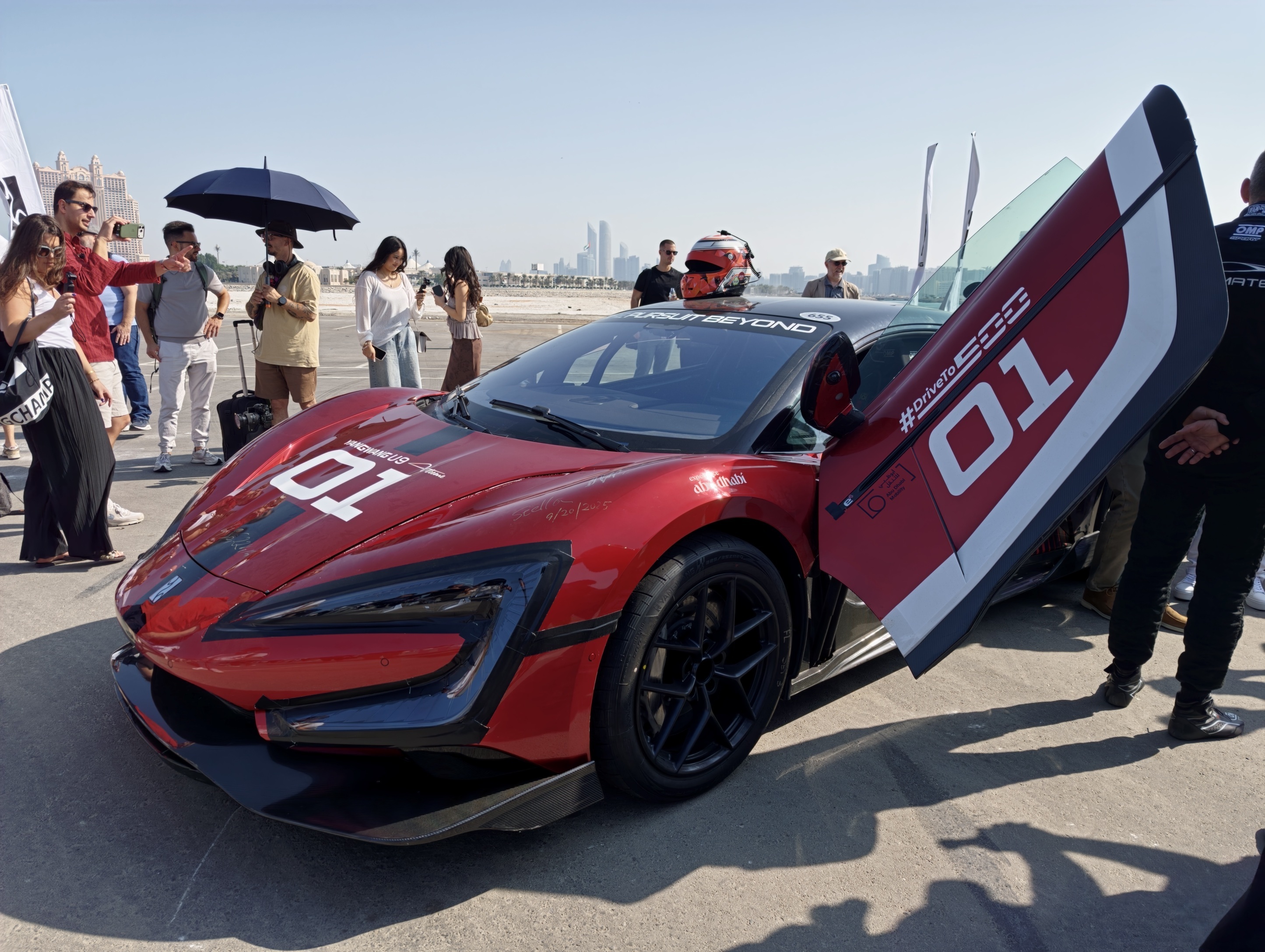
BYD's Yangwang Dingyao Altior is not simply a lower-cost Rolls-Royce substitute. It points to the 'mobile palace' and super-old-money space where Rolls-Royce sits, using a more-than-5.5-meter body, coach doors, handcrafted interiors, Yi Si Fang, FlashCharge and a laser-radar-assisted smart-drive package. Its Abu Dhabi debut came one day after U9 Extreme became the FIA-approved fastest production car above 503 km/h. Altior suggests Chinese automakers are challenging limits in technology and luxury.
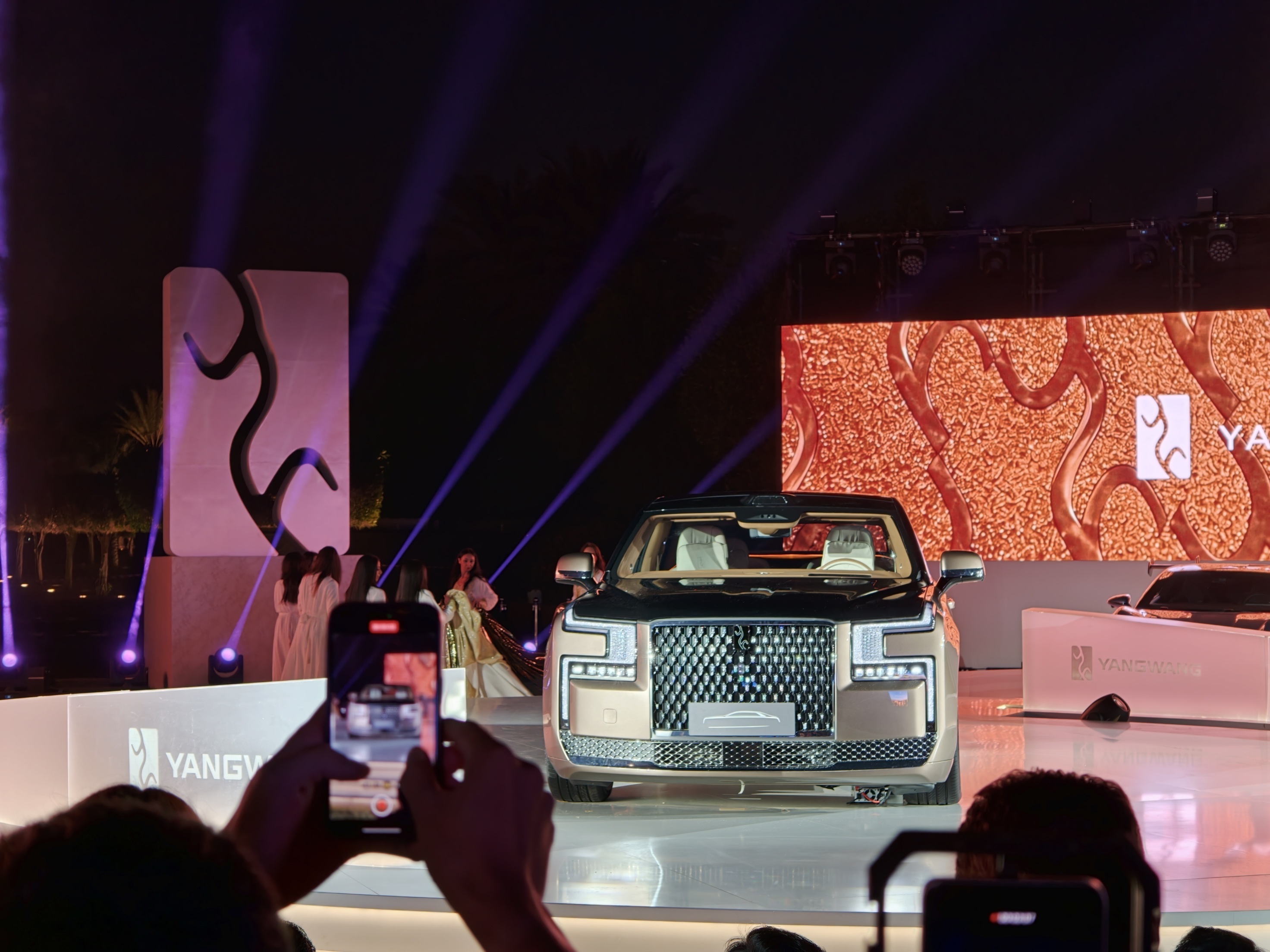
What did BYD put on the Abu Dhabi stage?
The venue, the Emirates Palace Hotel, made the message visual. According to GeekPark's on-site report, when BYD Group executive vice president Li Ke introduced the ultra-luxury new car, the word she used most was not merely luxury but palace, describing Altior as a mobile palace. The Ding character also carries the old idea of seeking the top place under heaven, so the car is framed as a cultural claim as well as a product launch. The emirate's official media office also listed the launch event.
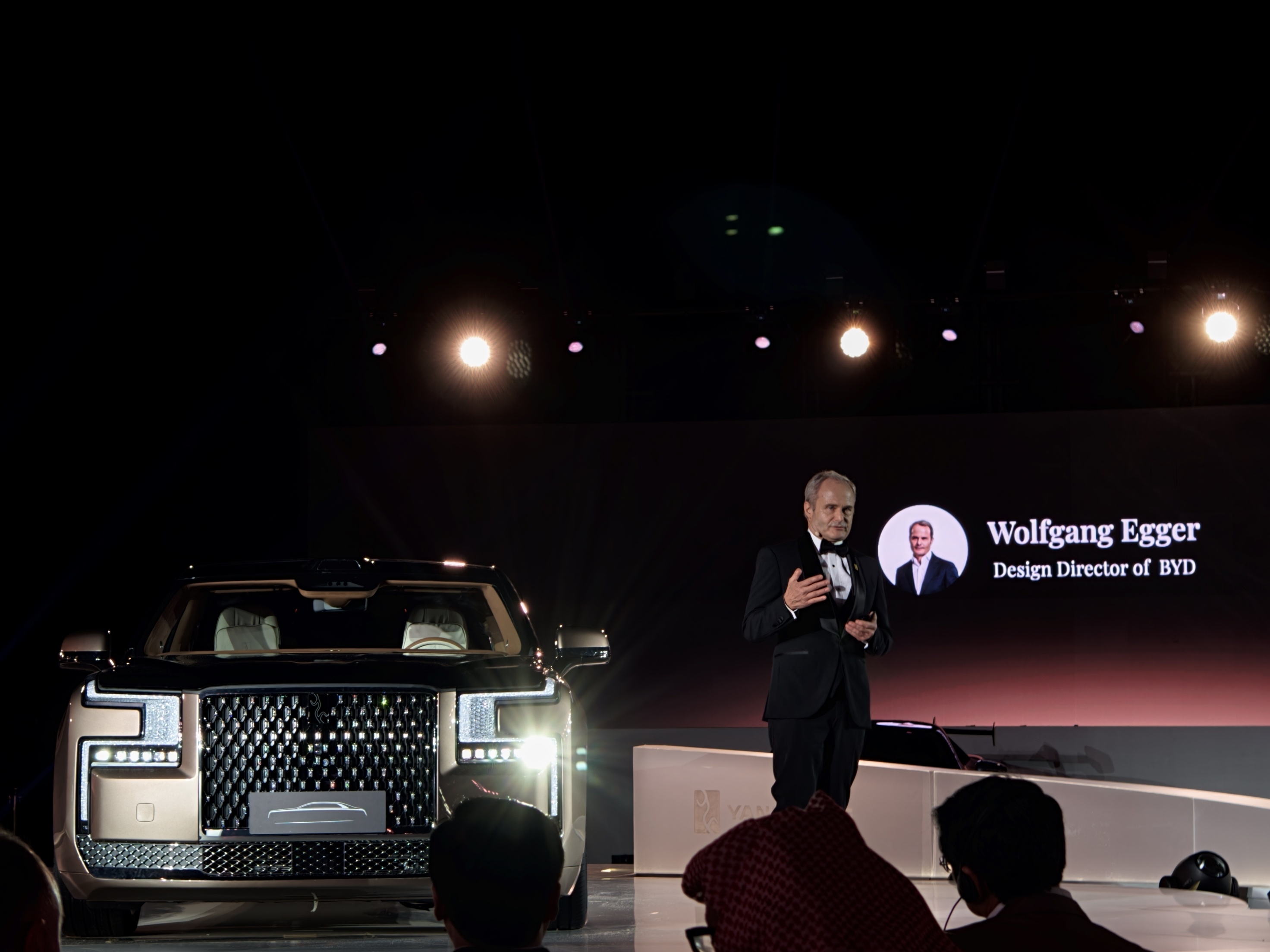
A BYD design director described the concept. On-site details said the headlights and front grille form a Ding shape that Chinese buyers can read quickly. The Yangwang U8 used a similar direction, while Dingyao strengthens it. The side view uses straight horizontal and vertical lines with a short tail for a reserved posture. The coach doors and large solid-face wheels make the luxurious language clearer.
Coach doors remain a luxury-car marker. They change how important passengers enter and exit, especially when a driver handles arrival. The palace theme also moves into materials: several gem-like panels form the grille, while personalization carries the deeper luxury claim. Owners may specify trim panels and seat materials produced by top Chinese traditional artisans, turning each vehicle into an exclusive car. One-button rest and privacy modes are also included.
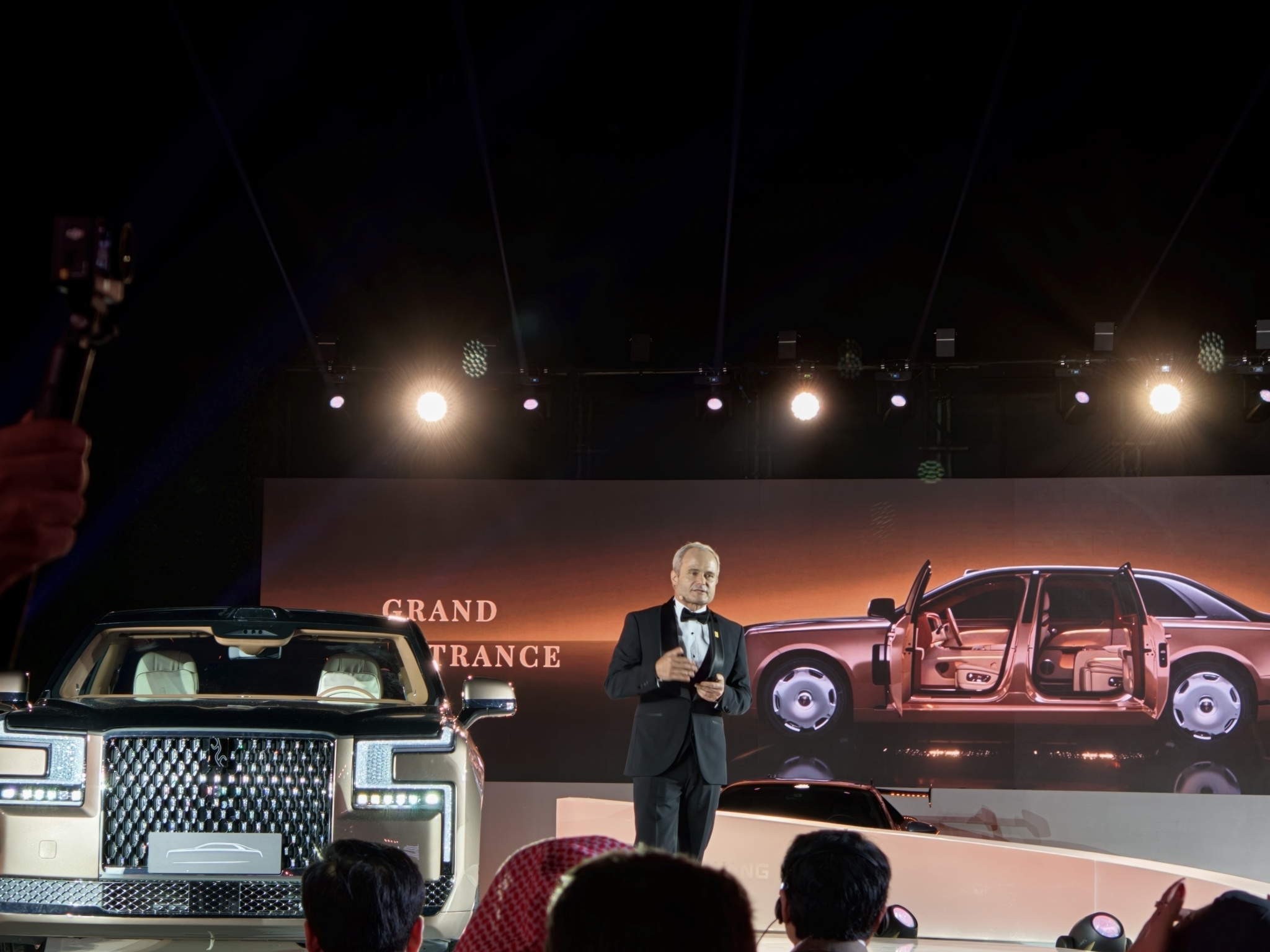
From exterior to interior, BYD wants overseas buyers to understand Chinese-style luxury, or Chinese luxury, through both craft and engineering. The message was art first, then technology. But that day, price and full specifications were not released; more details are expected to emerge later.
What external reports add beyond the stage
Industry reporting adds details not stated on the stage. Motor1 noted Yangwang sales head Hu Xiaoqing linked the name Altior to the Latin word higher, matching the brand's upward story. OFweek placed the car in the D+ executive sedan segment, cited wheelbase reports above 3.4 meters, and said market commentary floated prices near 2 million yuan.
How does Dingyao compare with Rolls-Royce-style luxury?
For a general reader, the useful question is not whether Altior looks like Rolls-Royce, but what it changes in the buyer's decision. The table below separates symbolic features from evidence still needed.
| Decision area | Yangwang Dingyao Altior | Traditional benchmark | What to watch |
|---|---|---|---|
| Segment | D+ executive sedan, positioned as a mobile palace | Rolls-Royce-style ultra-luxury prestige | Whether design becomes service and resale trust. |
| Scale | More than 5.5 meters long; reports place wheelbase above 3.4 meters | Comparable with Maybach S-Class and Phantom scale | Parking, chauffeured comfort, road presence. |
| Access | Coach doors, gem-inspired grille, artisan interiors | Long bespoke history and dealer rituals | Whether customization feels exclusive, not only novel. |
| Technology | Yi Si Fang, laser radar, second-generation battery, FlashCharge | Quiet luxury and mechanical refinement | Real heat, range, charging, software reliability. |
| Market path | Abu Dhabi debut and Middle East expansion | Established global luxury channels | Local partners, maintenance, parts, privacy support. |
Why the Middle East came before the home crowd
Before bringing Dingyao to a Dubai-facing global stage, BYD shifted its center of gravity overseas. In January to October 2026, its global total sales were 3.622 million vehicles. Overseas sales surged about 93% to 1.507 million. In October alone, overseas sales reached 170,000, or 35% of total sales. The first ten months had already passed the original full-year target of 1.30 million and the March-adjusted target of 1.50 million.
In 2025, BYD sold about 1.05 million vehicles overseas, while the Middle East grew about 120% year on year. By July 2026, monthly exports to the Middle East reached 13,164 units, moving the region into fifth place among its overseas regional markets. A single-source report also said BYD sold more than 24,000 vehicles in GCC countries in the first half of 2026, becoming the top-selling Chinese brand there.
Logistics helped. In early August this year, the ro-ro route from Shenzhen's Xiaomo Port to Khor Fakkan Port in the United Arab Emirates opened, and the first vessel, the Changsha, carried 6,068 cars. New energy sales in the Middle East still lean on plug-in hybrid vehicles because fuel prices are low, charging infrastructure is limited, and summer heat can reach 50 degrees. Gasgoo Research shipment data show that in January to February 2026, the UAE ranked second among BYD passenger-car export destinations, behind Brazil, with 14,885 vehicles shipped; 14,332 were plug-in hybrids, more than 96%.
Channel choices also explain the debut. BYD works with regional business groups such as Al-Futtaim in the United Arab Emirates and Alghanim in Kuwait, using their dealer networks and service systems. Engineering teams adjusted battery thermal management and dust protection for local conditions.
What the export story does not prove
If the lens widens to China's car overseas push, the Middle East is both attractive and easy to misread. In 2025, Chinese vehicle exports to the Middle East were about 1.39 million, making it one of the second-largest regional markets. But exports are not the same as local sales. The UAE's domestic new-car market is only around 260,000 to 270,000 units a year, yet January to September 2025 customs data showed 368,000 Chinese vehicle exports to the UAE, up 59% year on year. In December of that year, the UAE became China's largest single car export destination. The reason is re-export trade: many vehicles arrive there and then move to other Middle East markets, Africa and the CIS region.
At retail level, Chinese brands in the UAE often compete in compact and mid-size SUVs at the 70,000-150,000 dirham band, equivalent to about 140,000-300,000 yuan, against the Toyota RAV4, Nissan X-Trail, Hyundai Tucson and Kia Sportage. Jetour has already entered the local top five sales list. Under Net Zero 2050, government fleet purchases are moving toward electric vehicles. In 2025, UAE EV sales rose 26.4% year on year and took about 8% of the new-car market, while BYD's EV sales rose about 212%.
Still, the wider Middle East remains early for new energy. Major markets there still have penetration below 5%, far lower than the more-than-50% level in China. In Saudi Arabia, one account puts EV share at about 1%, while another count says 2025 new-energy sales were about 80,000 units with Chinese brands holding about 70%. The infrastructure gap and low fuel costs remain real barriers.
On Abu Dhabi streets, Chinese new-energy vehicles are no longer unusual, and BYD products are already part of daily scenes. At the same time, the density of wealthy residents gives large Chinese luxury models room. The Yangwang U8 already appears as an alternative to Land Rover and Mercedes-Benz for local buyers. On that night, the revealed Dingyao may not be an ordinary consumer's car, but its most luxurious technology and design clearly target high-end interest. From U9 Extreme to Dingyao, BYD is trying to complete a brand leap in the Middle East.
After teaching foreign consumers about China speed and China technology, Chinese automakers now want to teach global consumers about Chinese luxury.
Common misconceptions about the Altior moment
- A visual match is not a value verdict. Coach doors and a palace theme can attract attention, but luxury trust comes from service, durability and resale.
- No official price is not a hidden weakness. It leaves room for limited-edition pricing later, yet makes cross-shopping harder.
- UAE export volume is not all local demand. Re-export trade inflates the size of the visible market.
- Middle East growth does not remove pure-electric barriers. Plug-in hybrids still solve fuel, heat and charging constraints.
A practical checklist for readers and buyers
- Wait for the official parameter table. Compare motor output, battery capacity, cabin materials and privacy functions with published numbers, not social clips.
- Check the local network. Confirm which service centers handle Yi Si Fang repairs, FlashCharge support and glass or gem grille replacement.
- Test heat and daily size. A 5.5-meter car needs parking, turning and cooling validation, especially when temperatures near 50 degrees.
- Ask what is exclusive. Handcrafted interiors may be unique, but buyers should verify artisan credits, material sourcing and maintenance.
- Track resale signals. Limited edition, parts supply and dealer attitude matter more than a launch venue.
FAQ: Quick answers for the Altior debate
Is the Yangwang Dingyao Altior a Rolls-Royce competitor?
It competes for attention in the ultra-luxury sedan space, using mobile palace imagery, coach doors, personalization and technology. It has not yet matched Rolls-Royce on century-old brand history, dealer rituals or resale track record.
Why mention U9 Extreme in a sedan launch?
One day earlier, Yangwang U9 Extreme received FIA approval for a fastest-production-car run above 503 km/h. That record gives Altior a technical backdrop: performance capability is meant to make luxury claims more believable.
Was price announced?
No. That day BYD did not disclose price or full specifications, so the public discussion is about positioning, design and export strategy rather than a final market decision.
Why not launch only in China?
The Middle East has wealthy buyers, existing BYD volume, regional partners and media visibility. BYD also needs to show that Chinese luxury can be understood before Chinese domestic buyers judge it.
Is the EV market ready in the Middle East?
Only partially. The UAE EV market is growing, but most Middle East new-energy penetration is below 5%, so high-end EV sedans still need charging, heat management and privacy assurances.
References
- Abu Dhabi Media Office launch-event listing.
- Motor1 report on Hu Xiaoqing and the Latin meaning of Altior.
- OFweek report on D+ positioning, naming and reported dimensions.
- Gasgoo Research BYD shipment data for January-February 2026.