
Can a Smart Ring Really Make You Unpushable? A Comparison Review of the Brainkey Jiwu Claims and Balance Options
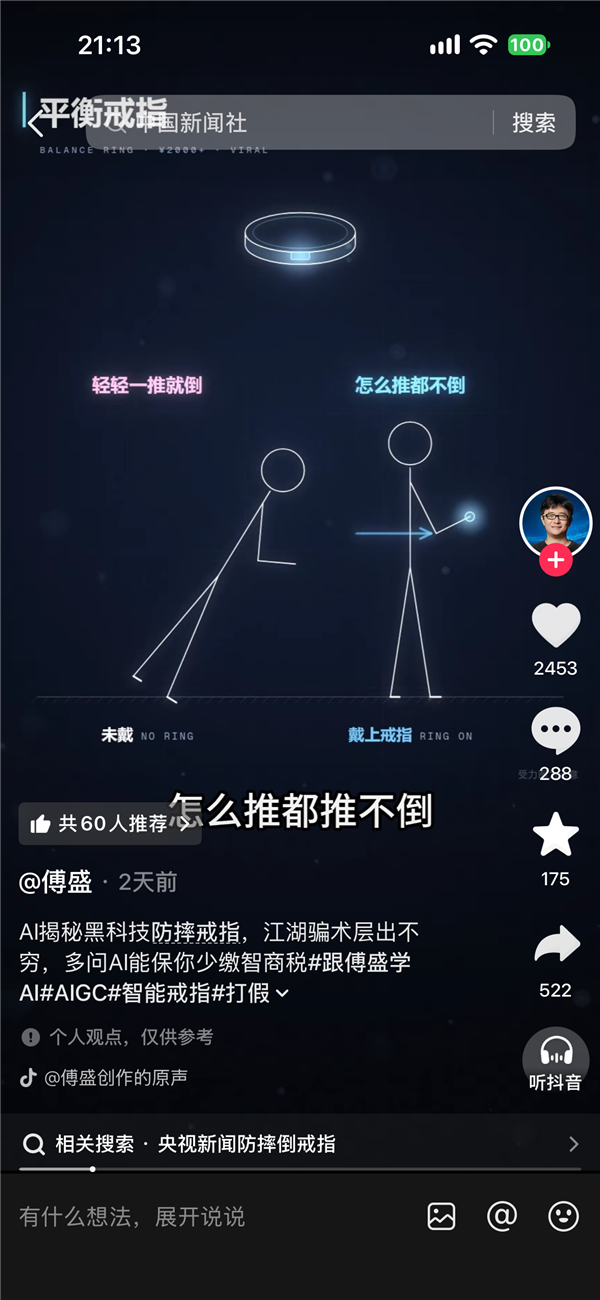
The short answer is no: public evidence does not support treating a CNY 2699 Brainkey Jiwu smart ring as a proven device for a 'wearing it makes you unpushable' claim. Recently, Cheetah Mobile Chairman Fu Sheng used AI analysis and real push tests to challenge its vestibular-balance claims. On November 7, related links were delisted, while the brand had not responded as of now.
What exactly was sold as unpushable?
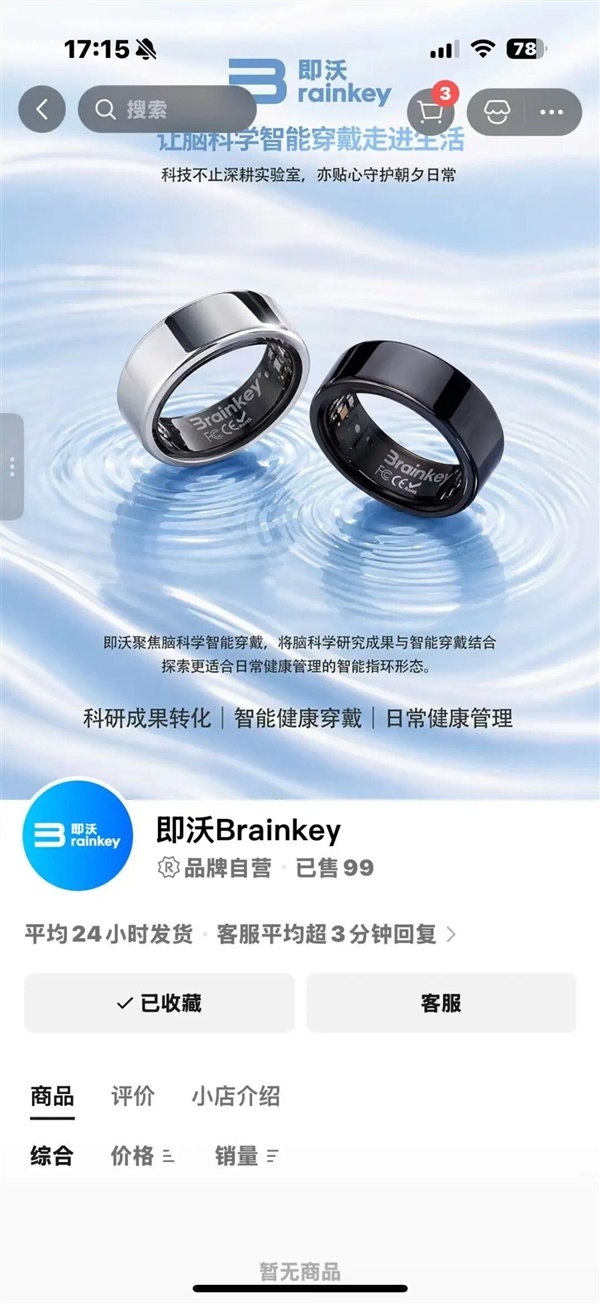
The product was listed as the Brainkey Jiwu smart ring and appeared in WeChat Mini Shop with a price of CNY 2699. In promotional videos, several older users put on the ring, then demonstrated balance moves such as the Golden Rooster Stands on One Leg. The marketing language claimed the wearer became steadier and less easy to push over.
The product page used a more technical story: the ring was said to reshape the balance instinct, use an advanced composite micro-magnetic material linked to brain-science research, and help vestibular-system balance perception and neural signal transmission. In other words, it did not merely promise better sleep; it promised a visible change in body control.
Who was behind the product and its claim?
Public exhibitor information from the Global Digital Trade Expo identified the launcher as Wuchan Zhongda Digital Security Technology (Zhejiang) Co., Ltd. The product was positioned as a brain-science new-material smart wearable, focused on human balance perception optimization and sleep experience optimization. It was also described as weighing only 3.5 g, making it easy to wear all day.
A related software record adds context. Public information shows that the company registered the KRing APP (iOS version) (V1.0) copyright in April this year. Media also reported in May this year that the KRing smart ring weighed 3.2 g, used composite micro-magnetic material, and made similar balance-support claims.
Why the test became a trust problem
Fu Sheng, chairman of Cheetah Mobile, said 'con tricks keep appearing again and again'. His team did not just argue in the abstract. It combined AI review with real push tests and dissected the demonstration step by step. Online users then focused on the scientific basis for the balance-improvement claim.
By November 7, searches across major e-commerce platforms showed that Brainkey Jiwu smart ring listings had been removed. The WeChat Mini Shop page had earlier shown 99 units sold. As of now, the brand had not issued a public response.
This matters because a balance claim is usually judged by measurable safety outcomes: fewer falls, steadier recovery, better walking, or fewer balance tests failed. A short video can create suspense, but it cannot replace a study protocol. The public record on the Power Balance wristband is useful here: in December 2010, Australia's ACCC said the company admitted there was no credible scientific basis for its claims, leading to refunds and corrective advertising. A later product using a similar push-test style should therefore be judged by data, not drama.
Comparison: smart-ring promises versus practical balance options
| Option | What it promises | Evidence signal | Decision trade-off |
|---|---|---|---|
| Brainkey Jiwu smart ring | CNY 2699, 3.5 g, wearing it makes you unpushable, plus sleep-support language | Questioned by Fu Sheng; e-commerce links removed by November 7; WeChat Mini Shop page had shown 99 units sold; as of now no brand response | Expensive proof-of-claim risk; useful only if the seller publishes rigorous evidence |
| Power Balance wristband history | Balance, flexibility and strength from a wearable band | ACCC record shows the company admitted no credible scientific basis and offered refunds | Shows why a similar demo format should trigger a higher evidence bar |
| Structured balance training | Progressive exercises for strength, gait and stability | Public-health guidance such as the USPSTF framework discusses screening, assessment and interventions for older adults at risk of falls | Needs time and consistency, but the reasoning path is clearer |
| General sleep or fitness wearable | Tracking heart rate, sleep stages, recovery or activity | Usually sold as a data device rather than a treatment | Best when data is reviewed and acted on; poor when the gadget alone is sold as the cure |
| Magnetic jewelry category | Circulation, energy, sleep or wellness effects from static magnets | Consumer-health coverage from Everyday Health says magnetic rings have been marketed for outcomes without strong scientific proof | Buy for taste or habit, not for a medical promise unless evidence is supplied |
When might a smart-ring claim deserve a second look?
Not every unusual product is bad. The difference is whether the seller can move from a catchy phrase to a verifiable chain of evidence. A smart ring could be worth reconsidering only if it shows:
- a published protocol explaining who was tested, how long the trial lasted, and what outcome was measured;
- a control condition, because balance can change with mood, footwear, fatigue, surface type, and the tester's pushing technique;
- independent replication, not only vendor-produced videos;
- clear distinction between wellness, medical claims, and data tracking;
- refund, complaint, and safety channels that remain available if evidence fails.
The Brainkey Jiwu smart ring did not reach that bar in the public materials described in the master report. Its selling story combined material science, vestibular function, neural signal transmission, and sleep optimization, but the most contested point was whether a tiny 3.5 g ring can create a meaningful balance change.
Common misconceptions about wearable balance claims
- A visible demo is not proof. Balance tests can change with posture, support, bracing, push direction, and the person doing the pushing.
- A scientific noun is not a clinical study. Words such as brain science, micro-magnetic material, vestibular system, and neural signal can sound precise, but they still need mechanism and outcome data.
- Light weight is not the same as light evidence. A 3.5 g device may be comfortable, but comfort does not explain fall-risk reduction.
- Exhibition visibility is not endorsement. Appearing at the Global Digital Trade Expo shows market exposure, not independent validation of health claims.
- Related records do not equal the same product proof. The KRing APP copyright in April this year and the KRing smart ring report in May this year show product-line context, but they do not by themselves prove the Brainkey Jiwu smart ring works.
Action checklist before buying a high-priced health gadget
- Search the exact product name plus words such as study, trial, report, recall, refund, and complaint.
- Check whether the seller names the testing organization, sample size, endpoint, and duration.
- Look for independent sources rather than only shop pages, influencers, or promotional clips.
- If the item was bought, preserve order details, product packaging, and the claim page because platforms may change listings.
- For fall-risk concerns, treat balance loss as a health question first; consult a clinician, coach, or pharmacist before replacing care with a gadget.
- When public answers are missing, choose the lower-risk option: evidence-based exercise, professional screening, or a product whose function stays within tracking rather than treatment.
FAQ: quick answers for general readers
Can a ring really make an older person less likely to fall?
There is no public proof from the reported materials that a ring alone can reliably reduce fall risk. Evidence-based fall prevention is usually multi-factor: screening for risk, reviewing medicines, improving strength and balance, checking vision and footwear, and using appropriate support.
Why did the product disappear from shop links?
The master report states that related Brainkey Jiwu smart ring links had been delisted by November 7, after public questioning of the claim. The earlier WeChat Mini Shop listing had shown 99 units sold at CNY 2699. As of now, the brand had not responded publicly.
Is the power-balance history the same as this ring?
No, the products are different and should not be equated. The comparison is only about format: Power Balance was also marketed through physical demonstrations. The ACCC record later showed that its claims lacked a credible scientific basis. That is why the same demo logic deserves strict checking today.
Should people avoid all smart wearables?
Not at all. Many wearables are useful for activity, sleep, or heart-rate tracking. The problem starts when a device is sold as a treatment or safety device without published evidence, clear limits, and post-sale accountability.
Bottom line
The strongest reader takeaway is not simply that a ring failed a push test. It is that high-priced health gadgets need a simple test: can the company translate its phrase into evidence that another person can repeat, review, and act on? If the answer is not visible, a product claiming to make wearers unpushable becomes a risky purchase. In this case, the facts are concrete: CNY 2699, 3.5 g, a reshapes-the-balance-instinct marketing story, a related KRing record, November 7 delisting, 99 units sold, and silence as of now. For readers, the decision is clearer: prefer measurable evidence and established safety advice over short videos and dramatic claims.
References and source checks
- ACCC media release on Power Balance wristband claims
- U.S. Preventive Services Task Force, falls prevention in community-dwelling older adults
- Everyday Health, magnetic rings and unsupported weight-loss claims
- Cheetah Mobile company profile
- Master-report anchors used in this variant: WeChat Mini Shop, CNY 2699, Golden Rooster Stands on One Leg, reshapes the balance instinct, Global Digital Trade Expo, Wuchan Zhongda Digital Security Technology (Zhejiang) Co., Ltd., 3.5 g, November 7, 99 units sold, April this year, KRing APP (iOS version) (V1.0), May this year, KRing smart ring, 3.2 g, and as of now.