
ItInsightsWorld Guide: How BMS DAM Helps Teams Turn Digital Assets into Operational Value
Where enterprise content operations usually break down
Content teams rarely complain about having too few assets. They complain about not knowing which version is current, where the approved file is stored, and whether a launch can move ahead without waiting for several departments. Product manuals, installation guides, promotional videos, and posters have become central to external communication and market expansion. As the organization grows, however, those files spread across different cloud drives, business units, and locations. Marketing may struggle to locate the latest manual, e-commerce may continue using an outdated product image, and design, legal, and sales keep passing files back and forth. The result is version mismatch, lower collaboration efficiency, slower promotions, and weakened brand consistency.
A unified layer for assets held across multiple clouds
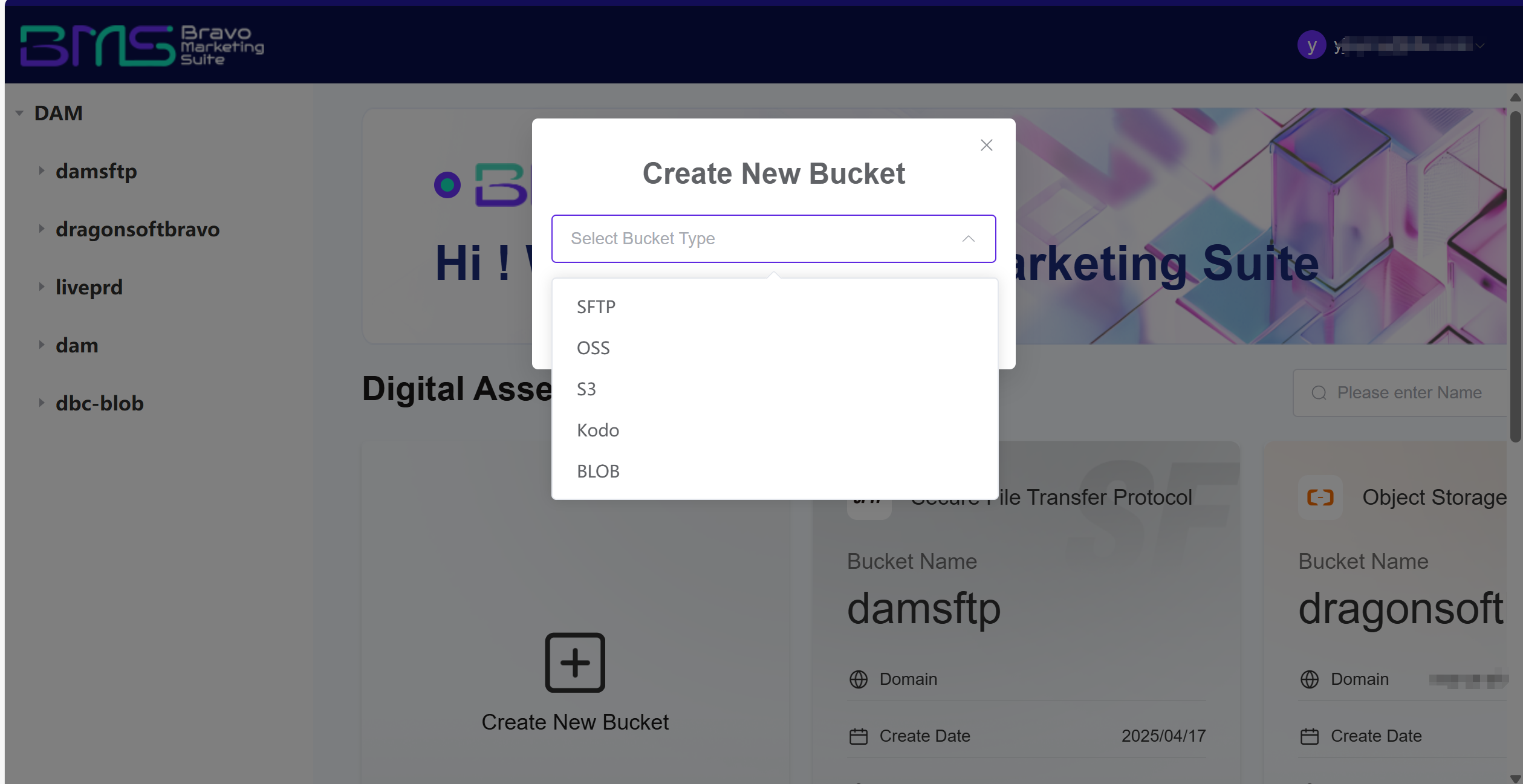
In response, Longfu Information Technology (Shanghai) Co., Ltd. built Digital Asset Manager (DAM) inside its Longfu Marketing Suite — Bravo Marketing Suite (BMS). As part of the BMS Digital Experience Platform, BMS DAM gives enterprises a centralized, efficient, and intelligent environment for managing digital assets. It is not treated as a simple repository; it covers the full asset lifecycle, including storage, editing, distribution, intelligent processing, and cross-region collaboration.
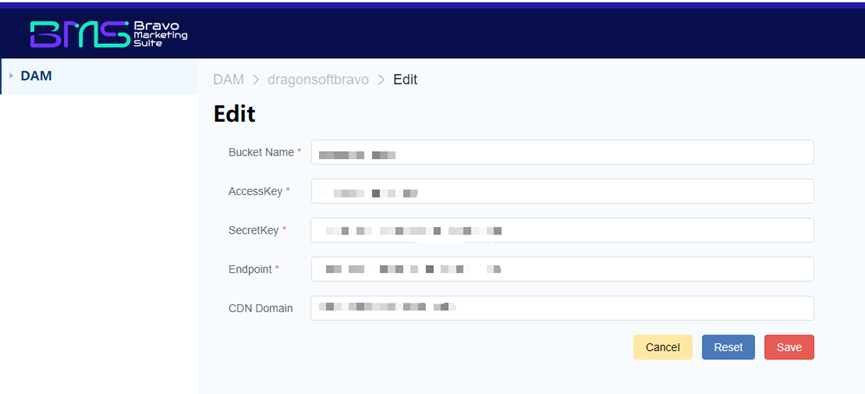
It supports unified management in multi-cloud environments. Assets held in Alibaba Cloud, Tencent Cloud, AWS, or Azure can be brought into a single interface. Instead of logging into several drives to trace one manual, marketing staff can access and govern all materials in one place, reducing duplicate work and wasted resources.
Lighter editing and faster release preparation
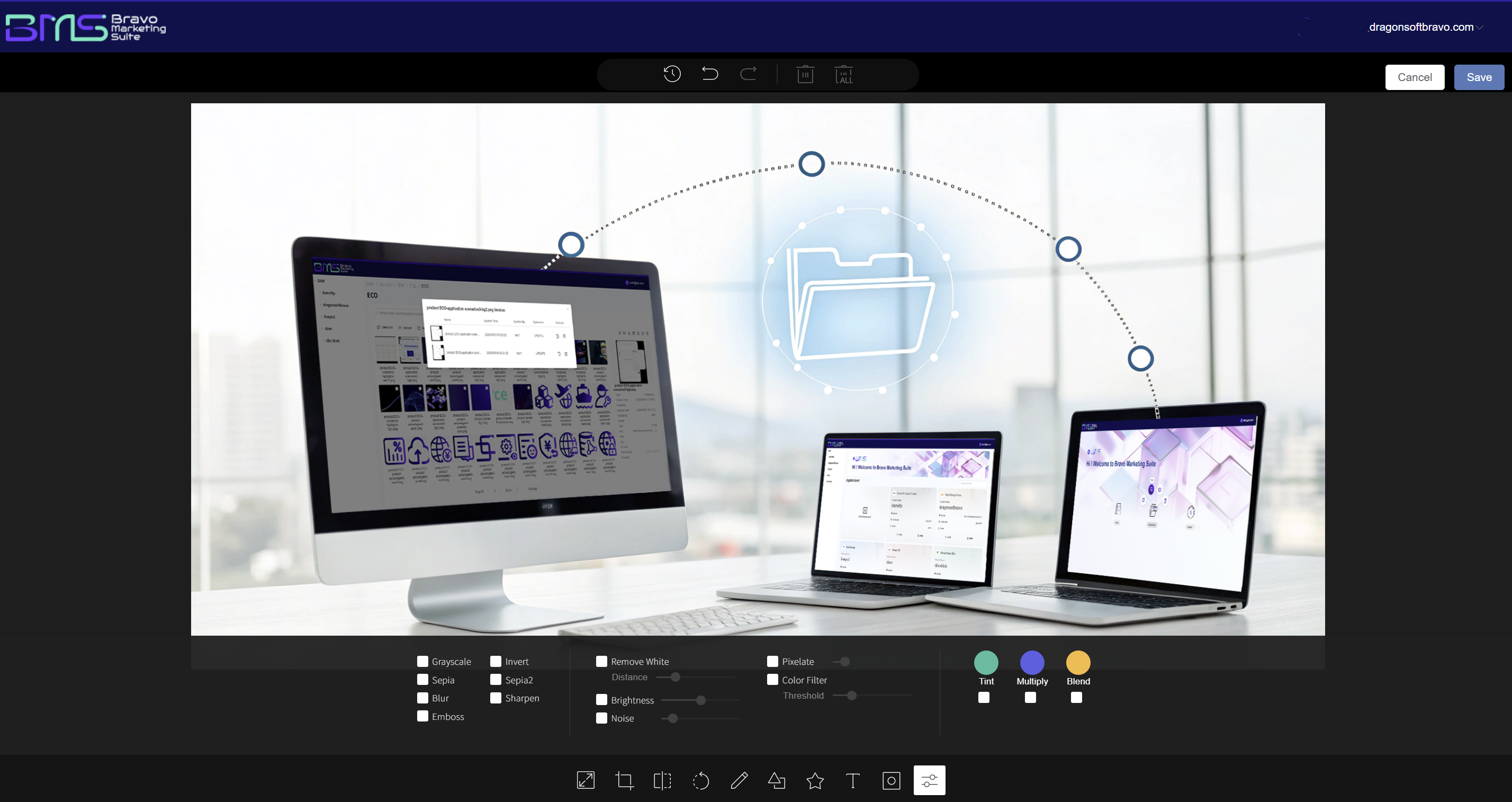
During content creation and publishing, BMS DAM reduces dependency on heavyweight tools. Users do not need to rely on Photoshop to perform common tasks such as cropping, resizing, and adding watermarks directly in the browser. In a short campaign, a marketer can adjust poster copy and aspect ratios and produce multiple versions for the official website, e-commerce pages, and social channels within a few minutes, avoiding missed opportunities caused by design turnaround.
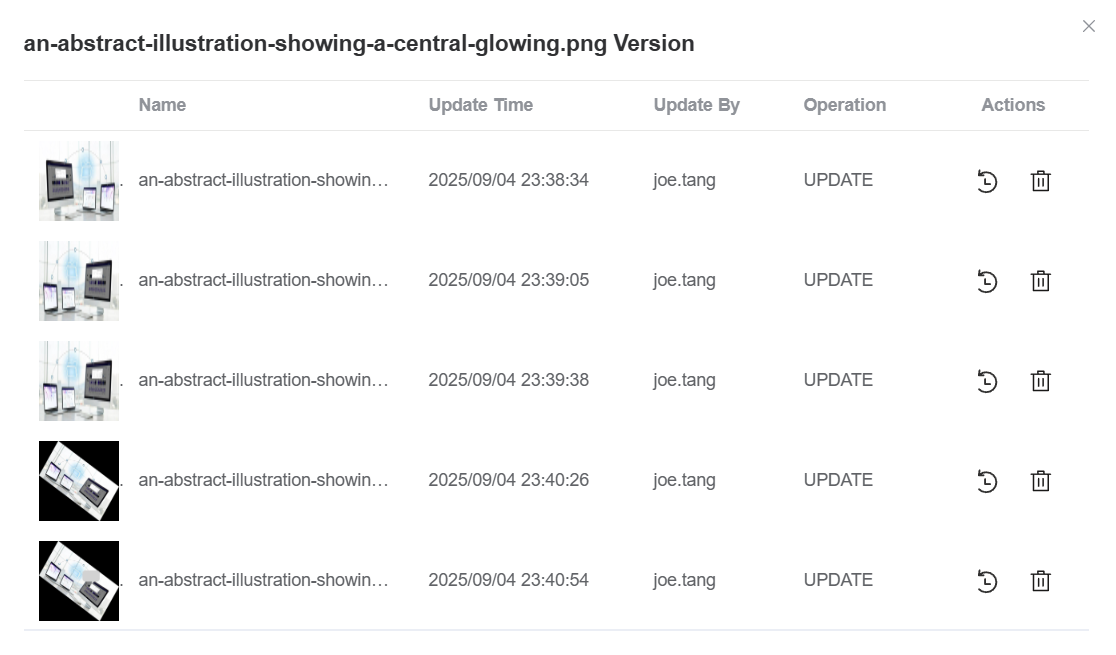
Version control also becomes simpler through the model of one update, synchronized across all channels. After an asset is modified, every page that references it displays the current version, while earlier files are archived and can be rolled back when needed. When a product manual is updated, the corporate site, e-commerce storefronts, and dealer channels receive the same change without manual replacement, saving time and maintaining message consistency.
Together, these capabilities allow teams to turn one image into several channel-ready variants without waiting for specialist design support. Online advertising, global websites, e-commerce campaigns, and offline promotion can draw from the same source material while preserving a consistent brand appearance.
Accelerating global access for distributed audiences
For companies operating across markets, access speed is part of the customer experience. BMS DAM incorporates multiple CDN networks to deliver content quickly around the world. Whether users are in North America, Europe, or Southeast Asia, images and videos on a corporate website or e-commerce storefront can load promptly, giving overseas customers a smoother experience.
AI support for finding, reusing, and generating assets
BMS DAM also uses AI to move asset operations into a more intelligent stage. The system can identify content in images and videos, assign accurate labels, and help teams organize materials more quickly. It supports intelligent image recognition, automatic cropping, and generation, allowing marketers to obtain suitable versions across scenarios. Looking ahead, multimodal retrieval is expected to let users search not only by keywords but also by uploading a reference image or video, with the system matching similar assets. AI can also suggest related content based on existing files and usage scenarios, and create derivative versions, such as images for e-commerce with watermarks or replaced backgrounds, helping teams produce more campaign assets in a short period.
Practical value across common business scenarios
The value becomes clearer in everyday workflows. During a new-product launch, materials can be stored centrally and distributed quickly to global teams, reducing duplicate effort. In global marketing, local teams can make regional adaptations directly inside DAM instead of sending files back to designers, then use CDN acceleration to deliver them. In multi-channel operations, BMS DAM can generate variants suited to different channels in one pass, supporting consistent brand presentation. In cross-team collaboration, design, marketing, sales, and legal can view and use the same current files, while AI-assisted tagging and recommendations make the process more transparent and efficient.
From an operational tool to a growth enabler
BMS DAM represents a workflow change rather than a single utility. Operations teams gain centralized asset management and spend less time searching or transferring files. Marketing teams gain faster online edits and quicker campaign response. Global businesses gain CDN-supported consistency across regions. At the enterprise level, AI makes asset management smarter, versions more controlled, and collaboration more efficient.
Closing perspective
For organizations expanding their digital footprint, the way assets are stored, synchronized, delivered, and understood shapes both brand consistency and market responsiveness. BMS DAM addresses long-standing issues of scattered materials, delayed updates, and inefficient collaboration through multi-cloud unified storage, lightweight editing, real-time version management, global CDN acceleration, and AI-enabled operations. Its larger contribution is to move digital assets away from passive storage and toward the ability to actively drive growth.
FAQ
- Q1: What separates BMS DAM from a normal cloud drive?
A1: A cloud drive mainly solves the storage problem. BMS DAM also provides editing, version management, global acceleration, and AI capabilities, forming an enterprise content operations platform. - Q2: Does a team need professional designers before using DAM?
A2: No. Browser-based editing in BMS DAM lets marketing and operations staff complete cropping, resizing, watermarking, and text additions quickly, lowering the skill barrier. - Q3: Will cross-region access become slow?
A3: BMS DAM connects to multiple CDN networks and supports accelerated delivery around the world, helping users in North America, Europe, and Southeast Asia retrieve assets quickly. - Q4: What can the AI features do?
A4: Current AI capabilities include intelligent tagging and classification, image recognition and cropping, content generation, multimodal retrieval, and recommendations of related or derivative assets, improving reuse and production efficiency. - Q5: Which organizations benefit most?
A5: Teams in industrial manufacturing, automotive equipment, cross-border e-commerce, and digital marketing can use BMS DAM when they need content management across multiple channels, regions, and collaborative groups.