
Apple MacBook Pro Touchscreen Roadmap: Could High-End Non-Touch Models Be Retired by 2027? ItInsightsWorld
Apple has only just brought touch controls to the MacBook Pro, but the product line may already be entering a broader transition. A report from Bloomberg technology reporter Mark Gurman in Power On suggests that the company could move most high-end MacBook Pro models toward touchscreen designs by 2027, leaving only the entry-level 14-inch configuration with a conventional display.
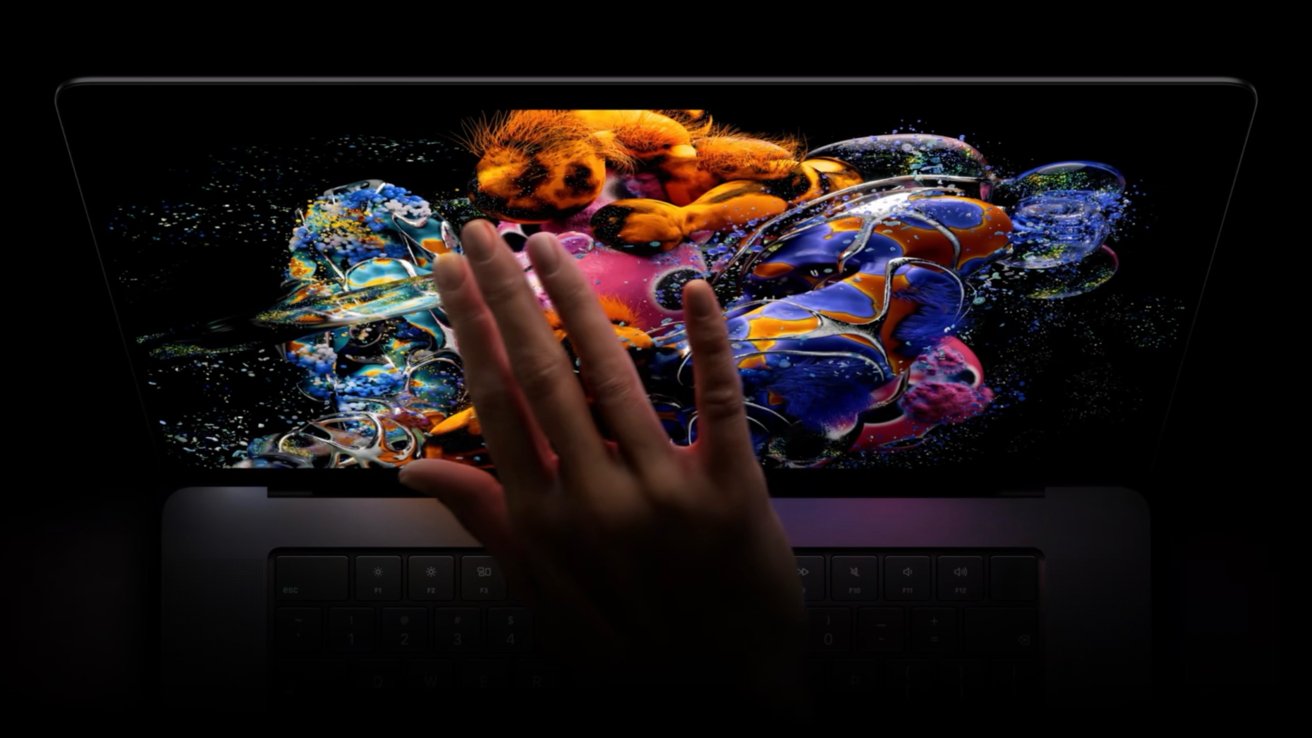
First touchscreen MacBook Pro models are already shipping
The touch-enabled lineup arrived in late October 2026 in two sizes: 14-inch and 16-inch. Both use the new PROLED XDR display and are offered with M5 Pro or M5 Max processors. This marks Apple's first official introduction of touch interaction on the MacBook Pro, signaling a departure from its long-standing assumption that laptops do not need touchscreens.
Non-touch premium models remain on sale for now
Apple has not removed the traditional high-end MacBook Pro models from its catalog. The older non-touch versions with M5 Pro and M5 Max chips are still being sold alongside the new touchscreen options. That structure gives professionals who prefer keyboards, mouse, and trackpad a lower-priced alternative, while preventing the new technology from pushing the entire premium range upward too quickly.
The 2027 high-end lineup may become touchscreen-first
According to Gurman, the temporary coexistence could end when Apple introduces a second-generation touchscreen MacBook Pro in 2027. At that point, the existing high-end non-touch models may be discontinued, making the 14-inch entry-level MacBook Pro the only model left with a non-touch screen.
Entry-level and premium versions could separate more sharply
The projected 2027 update to the entry-level 14-inch MacBook Pro is expected to move to an M7 chip and a thinner body, but it is still said to remain non-touch. The higher-end options are expected to use M7 Pro and M7 Max chips, while continuing to use touchscreen functionality as a major differentiator and increasing support for artificial-intelligence features. Premium devices are also described as combining touch, OLED display technology, and stronger AI processing.
Pricing may decide whether the transition is accepted
Cost remains the most sensitive point. Current touchscreen MacBook Pro pricing begins at $2,899 for the 14-inch M5 Pro model and $3,399 for the 16-inch model, while the traditional non-touch high-end configurations are priced lower.
Apple still sells a $1,999 entry-level 14-inch MacBook Pro powered by the M6 processor. That model does not have touch capability, but it provides stronger performance than MacBook Air, more ports, and a higher-grade display.
If 2027 pricing stays close to today's levels, moving from the entry-level 14-inch MacBook Pro to the least expensive high-end touchscreen model could require about $900 more. For professionals who do not need touch input, that premium may be difficult to justify.
MacBook Pro may split into two clearer product tiers
Apple has used similar tactics before. When a new generation becomes more expensive, it often continues selling previous-generation hardware to cover a wider range of budgets and to preserve lower-cost options for enterprise purchases. As technical differences grow, however, older configurations may eventually disappear.
The emerging structure appears to create two tiers: an entry-level tier retaining keyboard, trackpad, and conventional display interaction, and a high-end tier for creators, developers, and professional users that blends touch input, OLED display technology, and stronger AI capabilities.
Mac and iPad interaction boundaries are being reconsidered
The shift also reflects how Apple may be rethinking the relationship between Mac and iPad. Historically, Macs relied on keyboards, mice, and trackpads, while touch interaction was mainly associated with iPad. As touchscreen technology matures and user expectations across devices change, that boundary appears less fixed.
These reports still describe a possible direction rather than an official product plan. The second-generation touchscreen MacBook Pro's launch timing, processor configuration, and final price could change. What is clear is that Apple has taken the first step toward a touch-enabled MacBook line, and the fate of high-end non-touch MacBook Pro models will be a major signal of its strategy.